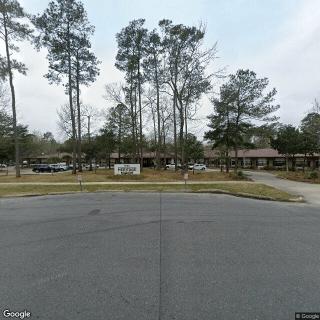
North Oaks Medical Ctr

Save
North Oaks Medical Ctr

North Oaks Medical Ctr

15790 Medical Center Dr, Hammond, LA 70403

For more information about senior living options: (844) 490-3973

2.5 from 100 reviews
5 stars
33
4 stars
2
3 stars
2
2 stars
5
1 stars
58

Skilled Nursing Facility

What level of care are you interested in?

Assisted Living

Memory Care

Independent Living

Skilled Nursing Facility

Continuing Care Retirement Community (CCRC)CCRC

Other


Request a tour at North Oaks Medical Ctr

    Overall Review of North Oaks Medical Ctr

    Pros

    • pro The physicians, nurses and staff did a superb job.
    • pro Dr Burkhart was very thorough from the beginning, and his team, including the nurses and physical therapist, were super nice.
    • pro The trauma team was well staffed to handle emergencies, and the nurses and doctors worked as a well-organized, professional team.
    • pro Dr Shourbaji did a superb job.
    • pro The nurses were awesome in supporting the doctors.
    • pro Clean rooms and the nursing staff were excellent.
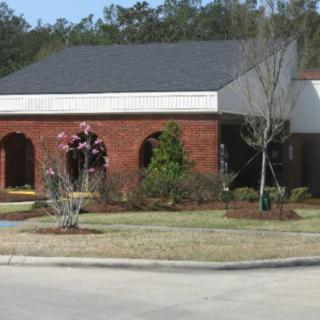
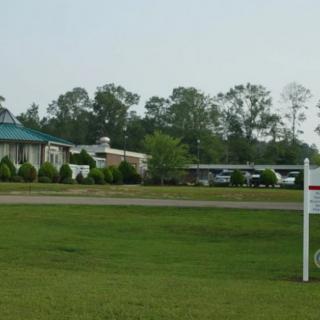
    • pro Nice grounds along with staff.

    Cons

    • pro The hospital is criticized for not going above and beyond for its patients.
    • pro Staff allegedly failed to locate a patient after moving her to the old section, leaving her alone.
    • pro A reviewer claimed the hospital lost the patient (mom) and could not be found.
    • pro The communication system is described as inoperable, causing missed appointments and miscommunications.
    • pro Nurses in urgent care and ICU were described as rude with no manners, gossiping near patients' doors.
    • pro A NICU family member reported a nurse hanging up on them when they were trying to reach about their grandchild.
    • pro A reviewer described a situation where a husband was left on the ER floor with waste and staff reportedly laughed, then he died.
    • pro The waiting area was portrayed as dirty, with mildew, mold, blood on the floor, and bugs near vending machines.
    • pro It was claimed that people of color were treated as second-class citizens and that women were ineffective or passive-aggressive.
    • pro The hospital was labeled dangerous, with warnings not to let the ambulance convince families to bring loved ones there.

    Review

    A wide range of experiences emerges from the accounts of people who have interacted with North Oaks Medical Center, painting a picture that is at once hopeful in places and deeply troubling in others. On one hand, there are stories of lifesaving care, professionalism, and compassionate teams that leave a lasting positive impression. On the other hand, there are repeated mentions of miscommunication, perceived neglect, and frustrating or even alarming encounters that shake trust in the facility. Taken together, the reviews suggest that the hospital can deliver high-quality treatment in some moments, but in many others patients and families feel forgotten, misinformed, or inadequately supported.

    One of the most haunting episodes described involves a family member who was briefly moved to a different area of the hospital, with no record of the move. The nurse later informed the family that their loved one had passed, and when they arrived, they found no staff or other patients on the floor. The visitor spent time trying to locate the person, and a funeral home later told them that the hospital had "lost" their relative. After an entire day, the body was found back in the same room where the person had been placed in the morning. The reviewer called it the worst experience of their life and said it made them feel as if they had failed their mother. This account is profoundly distressing and is presented as a stark example of what can go wrong when communication and record-keeping falter in end-of-life scenarios.

    In contrast, another reviewer from McComb, Mississippi offered a glowing tribute to North Oaks, praising the physicians, nurses, and staff who cared for their sister. They described the medical team as superb and called upon God's blessings for the people who worked there, signaling that positive, effective care and supportive staff do exist within the system. This juxtaposition - painful accusations in some stories and heartfelt gratitude in others - highlights the variability in patient experiences and suggests that the hospital's performance may be highly department- and situation-dependent.

    There are also explicit warnings from patients who felt the hospital failed them so completely that they would never recommend it. One caller even gave it a zero-star rating, advising others in an emergency to choose a different hospital or facility, even if that meant traveling farther. The sentiment is blunt: do not trust the institution with anything or anyone. Such strong statements suggest serious perceived deficiencies in empathy, communication, and reliability that left a lasting impression on those who lived through difficult medical events there.

    Yet other reviews acknowledge strong, technically proficient care in specific contexts. A highly positive set of comments center on spine and pain management, praising a physician identified as Dr. Rochelle and then Dr. Burkhart, along with their teams, nurses, and physical therapists. The accounts describe thorough evaluation, thoughtful communication, and a comprehensive approach to treatment - recounting rounds of epidural injections, ablation attempts, and eventual successful navigation of a difficult condition. The gratitude is explicit, and the thanks extend to not only the doctors but to the entire care team who supported the patient through a long and painful ordeal.

    Even within groups that praised individual clinicians, there are criticisms of bedside manners and overall tone in other units. Several reviewers report rude or unprofessional behavior from nurses, particularly in urgent care and ICU settings. Complaints include gossiping outside patient rooms, a lack of courtesy, and a sense that the staff's attention is not focused on patient comfort or dignity during critical moments. The contrast between highly competent medical interventions and perceived disrespectful behavior underscores a common tension in hospital care: technical skill can be excellent even as interpersonal skills lag behind.

    There are also vivid testimonials from emergency trauma care that cast the opposite light. In one instance, a patient who sustained a severe wrist injury received rapid, decisive care in the trauma unit: doctors worked quickly to stop life-threatening bleeding, a hand surgeon was brought in, and the surgical team repaired nerves and tendons. The patient described the trauma team as well-staffed, organized, and professional, with the next-day follow-up reinforcing that a coordinated, capable response can and does occur within the hospital. This narrative stands as a strong counterpoint to the quieter, longer-running complaints about communication and daily care.

    Another recurring thread is the experience of families with loved ones in the NICU. A grandparent described a situation where a nurse reportedly hung up on a call while the family was trying to get information about the baby, and the nurse's supervisor was sought after due to perceived rudeness. Even as families struggle with fear and uncertainty, they deserve timely and respectful communication, and these reports suggest there are moments when the human side of care falls short in the hospital environment.

    Administrative and logistical issues surface as well, reinforcing a sense that the hospital's systems sometimes lag behind the needs of patients in crisis. Reviewers report communication breakdowns, incorrect reminders about appointments, and encounters with a patient portal or scheduling system that seems to misfire - sending reminders to the wrong number or failing to reflect actual appointment status. In several accounts, what should be straightforward tasks - registering a visit, confirming a time, or retrieving records - becomes a source of stress and confusion that compounds medical anxiety.

    Beyond individual departments, there are broad criticisms about the hospital environment and atmosphere. One reviewer describes the waiting area as unpleasant, with odors, mold-like smells, and even evidence of pests, while another notes aggressive security measures that feel more like corrections facility checks than a healing space. A separate account laments a sense of routine danger, particularly in certain departments or areas where patients feel their safety and dignity are not being prioritized. These descriptions, while singular, contribute to a larger impression of an institution that can feel inhospitable in moments when patients and families are most vulnerable.

    Interwoven with the negative stories are moments of strong praise for specific teams, departments, and individuals. A common thread across several accounts is gratitude for the trauma and surgical teams, as well as for some clinicians who took time to communicate clearly and treat patients with respect. The positive notes emphasize expertise, rapid action in emergencies, and the human touch that makes difficult experiences bearable. They suggest that when the hospital functions at its best, it can deliver care that saves lives, corrects problems, and leaves families thankful for the skill and dedication of the staff.

    Taken as a whole, the collection of experiences presents a hospital that can feel like two realities coexisting under one roof: exceptional medical capability and momentous compassion in certain teams contrasted with fragmented communication, perceived indifference, and environmental or procedural shortcomings in other moments. The most consistent throughline is a call for better communication, more reliable record-keeping, and a steadier demonstration of empathy across all levels of care. Readers of these accounts are left with a nuanced impression: North Oaks Medical Center has the potential to provide outstanding care, but that potential is not always realized in the day-to-day experiences of patients and families, who carry both gratitude for lifesaving interventions and frustration from avoidable missteps.

    Features

    Types of Care

    • Skilled Nursing Facility Skilled Nursing FacilitySkilled Nursing Facilities are crucial for seniors as they provide round-the-clock medical care, rehabilitation services, and assistance with daily activities. These facilities ensure that seniors receive the specialized care they need to maintain their health and well-being as they age.

    Description

    North Oaks Medical Center in Hammond, LA is surrounded by a vibrant community that offers convenience and amenities for residents of an assisted living community. With five cafes nearby, residents have a variety of options to enjoy coffee and light bites with friends or family. In addition, there are 13 pharmacies nearby, ensuring easy access to necessary medications and health supplies.

    The proximity of 27 physicians nearby provides reassurance to residents, as they can easily schedule appointments or seek medical attention whenever needed. This close association with healthcare professionals contributes to the overall well-being and peace of mind of the individuals residing in the assisted living community.

    When it comes to dining out or enjoying delicious meals without having to cook, the presence of 39 restaurants nearby is a huge advantage. Residents can explore various cuisines and indulge in fine dining experiences right at their doorstep. These dining establishments offer opportunities for socializing and creating special memories with loved ones.

    For seniors who require transportation assistance or wish to explore the surrounding area, there are two transportation options available nearby. This allows them to maintain their independence and engage in activities outside the assisted living facility.

    Furthermore, residents looking for spiritual fulfillment or seeking solace can find comfort in knowing that there are six places of worship close by. This ensures that they can continue practicing their faith and participate in religious services according to their beliefs.

    Overall, North Oaks Medical Center's location provides an ideal setting for an assisted living community where residents can enjoy various amenities and services right at their doorstep while receiving the necessary healthcare support from nearby medical professionals.

    Nearby Places of Interest

    Located in Hammond, Louisiana, this area offers a convenient and diverse range of amenities for seniors looking to settle down. With several healthcare options nearby, including physicians, pharmacies, and specialty clinics, residents can easily access medical care. A variety of dining options are also available within a short distance, ranging from fast food to sit-down restaurants, catering to different tastes. There are also places of worship for those looking to maintain their spiritual practices. Additionally, cafes provide a cozy setting for socializing or enjoying a cup of coffee. For outdoor enthusiasts, the Joyce Wildlife Management Area is just a short drive away for those who enjoy nature walks or birdwatching. Overall, this part of Hammond offers a mix of convenience and leisure that may appeal to seniors looking for a vibrant community to call home.

    Physicians

    • North Oaks Diagnostic Center (0 miles)
    • Plaza Orthopedics (0.1 miles)
    • Pediatrix Medical Group (0.2 miles)
    • North Oaks Orthopaedic Specialty Center (0.2 miles)
    • North Oaks ENT & Allergy Clinic (0.2 miles)
    • North Oaks Urology (0.2 miles)
    • Northshore Internal Medicine Associates (0.2 miles)

    Pharmacies

    • Scott's Pharmacy (0.3 miles)
    • Southern Pharmaceutical (1.1 miles)
    • Floyd's Family Pharmacy (1.1 miles)
    • Walgreens (1.2 miles)
    • Walmart Pharmacy (1.7 miles)
    • Walmart Pharmacy (1.7 miles)
    • Walgreens (2 miles)

    Restaurants

    • Chick-Fil-A (1 miles)
    • Margaritas Mexican Restaurant (1.1 miles)
    • Nagoya Hammond (1.1 miles)
    • Raising Cane's Chicken Fingers (1.1 miles)
    • Wendy's (1.2 miles)
    • McDonald's (1.2 miles)
    • Subway (1.3 miles)

    Places of Worship

    • Woodland Park Baptist Church (1 miles)
    • Oak Tree Life Center (1.4 miles)
    • First Presbyterian Church (2.6 miles)
    • Church of Jesus Christ of Latter Day Saints (2.7 miles)
    • First Bethel Indpndnce Methodist Untd Prgrssve Cmmnty (3 miles)
    • New Home Family Worship Center of Hammond (3.5 miles)
    • Grace Independent Baptist Church (5.6 miles)

    Cafes

    • Pj's Coffee (1.1 miles)
    • Rainbow Daiquiris & Gourmet (2.2 miles)
    • Yellow Bird Cafe (2.6 miles)
    • Starbucks (2.9 miles)
    • Java City (3.3 miles)
    • Hickory Small Animal Hospital (11.9 miles)

    Transportation

    • Wildlife Art Taxidermy (1.4 miles)
    • Alamo (2.5 miles)

    Parks

    • Joyce Wildlife Management Area (8.3 miles)

    Frequently Asked Questions

    Where is North Oaks Medical Ctr?

    Nearby Communities

    Skilled Nursing Facility in Nearby Cities

    Related Resources

    • how to pay for nursing home care with social securityFinancing Long-Term Nursing Home Care Through Social Security: A Thorough Exploration
      The article explores the complexities of using Social Security to finance long-term nursing home care in the U.S., detailing eligibility requirements and misconceptions, while emphasizing that these benefits often do not cover full costs and highlighting the need for strategic financial planning and professional guidance.

    • pneumonia in elderlyEssential Knowledge on Pneumonia in Older Adults

      Pneumonia significantly affects older adults due to weakened immune systems and atypical symptoms that complicate diagnosis, necessitating early detection and tailored treatment. Risk factors include chronic diseases and cognitive impairments, with preventive measures like vaccinations and healthy lifestyles being crucial for reducing risk.

    • palliative care at homeExploring Palliative Care in the Home: A Comprehensive Overview

      Palliative care enhances the quality of life for seriously ill patients by providing comprehensive support at home through a multidisciplinary team, addressing various needs and prioritizing comfort over curative treatments. While it offers personalized care and involves family in decision-making, challenges like caregiver stress and logistical issues persist, with growing demand prompting advancements in technology and healthcare policies to improve access.


    Get Pricing Ask A Question Schedule A Tour Contact Senior Advisor