602 North Division, Dequincy, LA 70633
For more information about senior living options: (866) 208-4318
Overall Review of Care Center Of Dequincy
Pros
 They give such good care of the residents and do all they can to keep them comfortable.
- The staff at DeQuincy Care Center are really good, friendly, and up-to-date.
- They take really good care of residents, making sure they get baths and meals.
- They offer engaging activities like morning exercise classes, music, and therapy.
- They have vans that take residents to their doctor’s appointments.
- They strive to keep families informed about residents’ needs.
Cons
 The facility does not prioritize resident safety or well-being, operating instead on fear, coverups, and reputation management rather than care, transparency, or accountability.
- Medication errors occurred that directly affected resident health, but leadership treated advocates as burdens and failed to properly investigate abuse reports, reinstating staff previously terminated for misconduct.
- There is a culture of intimidation that silences good staff and leaves families in the dark, with employees afraid to speak up for fear of losing their jobs.
- The facility’s track record suggests it may not be around much longer, cautioning potential residents to think twice.
- A resident’s mother was moved straight from the hospital; that same night she fell from bed, no one checked on her, and she cried for help for over an hour and a half.
- The facility reportedly tracked in COVID-19 during lockdown, contributing to patient deaths, and a grandmother’s wedding rings were stolen from a safe.
- Management has left a resident waiting for a transfer for over a month, with calls unreturned and information never sent.
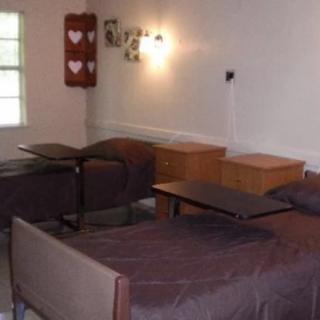
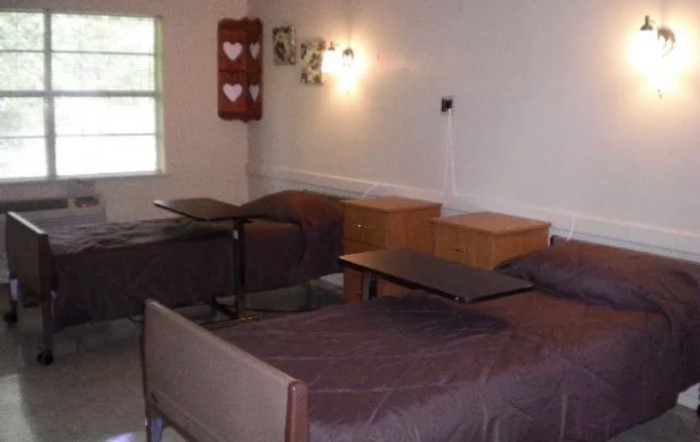
- The bed rails are described as unsafe, covered with pipe insulation and electrical tape, and personal belongings repeatedly go missing or are displaced.
- The food is described as slop, and staff are accused of hostility, including a worker calling a family member "trash."
Review
This community is best suited for families who live nearby and want to supervise daily care in person, and for residents whose needs are primarily custodial rather than medically complex. The value proposition rests on proximity, frequent family involvement, and a willingness to press for timely care and accountability when issues arise. In practice, it serves households that can stay actively engaged, visiting often and advocating for safety and dignity, rather than families seeking a consistently safe, transparent, and well-governed operation.
Those considering alternatives should note that this is not a reliable default choice for seniors requiring steady safety and professional governance. Families with residents who have significant medical needs, high fall risk, or behavioral challenges should look elsewhere. Also, anyone who cannot commit to regular oversight, prompt problem-solving, and persistent follow-up will likely encounter ongoing frustration. The combination of governance concerns and inconsistent responsiveness makes this facility a risky baseline rather than a steady, worry-free option.
On the positive side, some reviewers acknowledge that there are caring moments and routine services that can support daily life. There are signs of activity programs, exercise opportunities, and transportation to appointments, and a few staff members are described as friendly and engaged with residents. When workloads align and attentive caregivers are present, residents can receive baths, meals, and basic daily needs with a degree of attentiveness that family members gratefully witness. Those elements create a semblance of livability that families may prize, especially when proximity allows for frequent visits and on-site oversight.
Yet the main picture remains dominated by serious and persistent drawbacks. Reports describe medication errors that directly affect resident health, inadequate response to emergencies, and a culture perceived as intimidating rather than supportive. Allegations of abuse, retaliation against staff who raise concerns, and leadership failures to investigate or act on misconduct paint a troubling governance landscape. The daily experience for many residents is shadowed by fear, silence, and a sense that accountability is optional. Compounding these issues are tangible neglect signals: bed rails improvised with pipe insulation and tape, clothes and belongings regularly misplaced or lost, and calls or concerns going unanswered for extended periods.
Given these dynamics, the overall value of the facility hinges on governance and safety above all else. The pros, when present, feel fragile and inconsistent, easily overwhelmed by the weight of the cons. Families must consider whether proximity and a willingness to stay actively involved can compensate for a risk profile that includes poor communication, unresolved safety concerns, and a reported culture of silencing honest feedback. For most families, this balance tips toward seeking alternatives with stronger safety records, clearer accountability, and demonstrable improvements in resident dignity and well-being.
Actionable steps for families evaluating this community include arranging direct dialogue with the administrator, requesting to review current incident and corrective action reports, and observing interactions between staff and residents over multiple shifts. It is essential to verify staffing levels, turnover, and training quality, and to talk with other residents and families about responsiveness and safety. Checking with state licensure or regulatory bodies for any citations or corrective actions provides objective context. Asking about trial periods, transfer options, and a concrete plan for addressing past concerns helps translate a facility’s promises into measurable safeguards.
 80 resident community capacity
 Skilled Nursing Facility
 Air-conditioning
 Beauty salon
 Cable or satellite TV
 Computer center
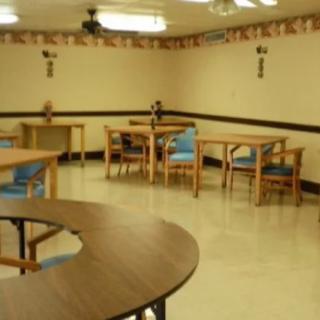
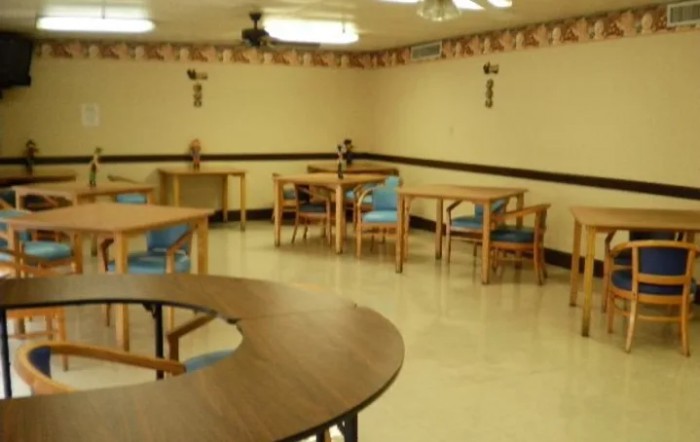
 Dining room
 Fitness room
 Fully furnished
 Gaming room
 Garden
 Housekeeping services
 Kitchenette
 Move-in coordination
 Outdoor space
 Private bathrooms
 Restaurant-style dining
 Small library
 Telephone
 Wellness center
 Wi-Fi/high-speed internet available
 Community operated transportation
 12-16 hour nursing
 24-hour call system
 Activities of daily living assistance
 Assistance with bathing
 Assistance with dressing
 Assistance with transfers
 Diabetes diet
 Medication management
 Mental wellness program
 Special dietary restrictions
 Concierge services
 Planned day trips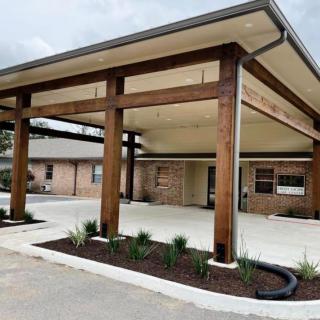






 Compassionate Conversations: How to Comfort Someone Who Is Grieving
 Home Health Care Aides: Understanding Their Role and Supporting Your Family
 Urinary Tract Infections in Older Adults: Comprehensive Insights on Symptoms, Treatment, and Prevention