
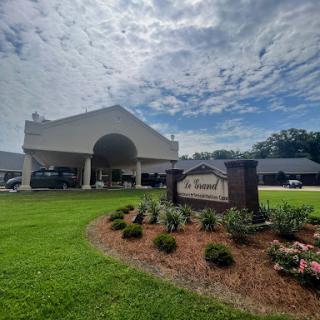
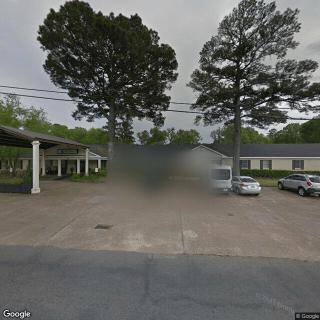
2650 Holt Street, Bastrop, LA 71220
For more information about senior living options: (866) 208-4318
Overall Review of Legrand Healthcare And Rehabilitation Center
Pros
 The staff are friendly and caring.
- They take excellent care of residents.
- They offer lots of activities and the food is awesome.
- They have a movie theater, a salon, and activity rooms.
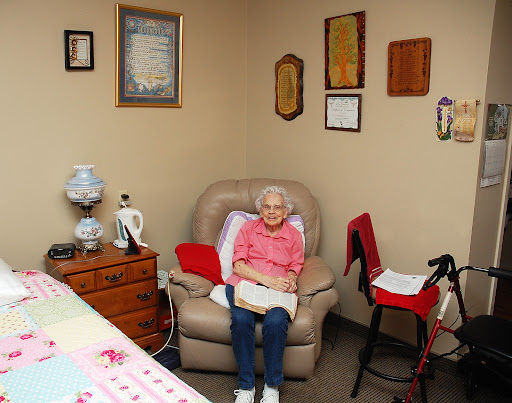
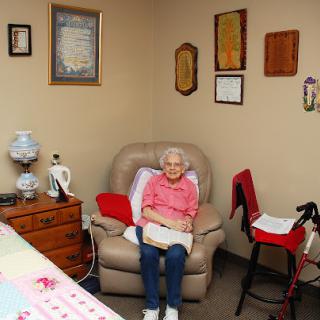
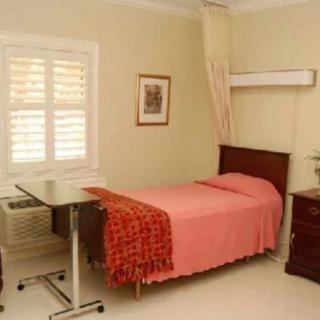
- The resident rooms are very spacious.
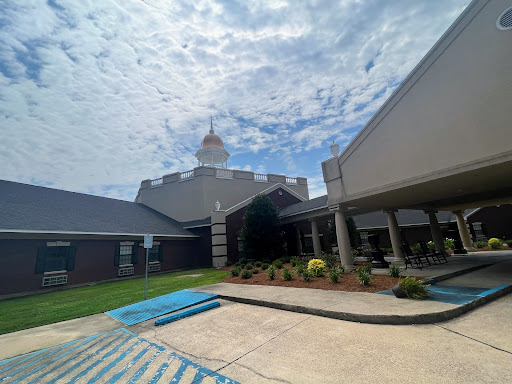
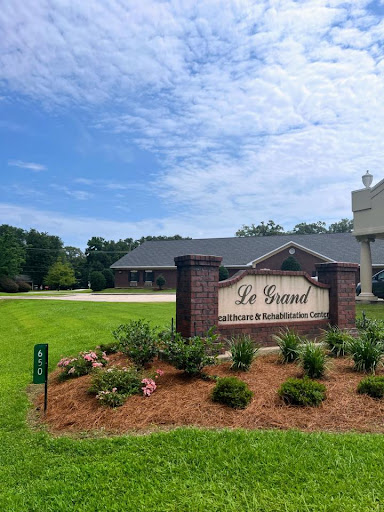
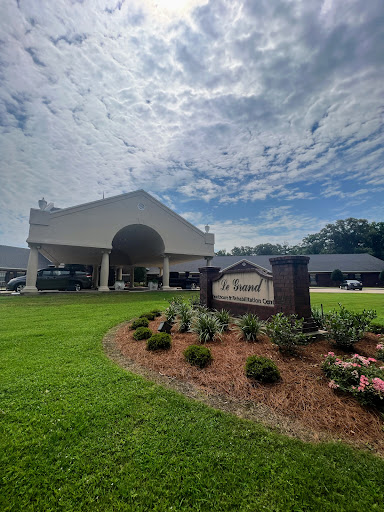
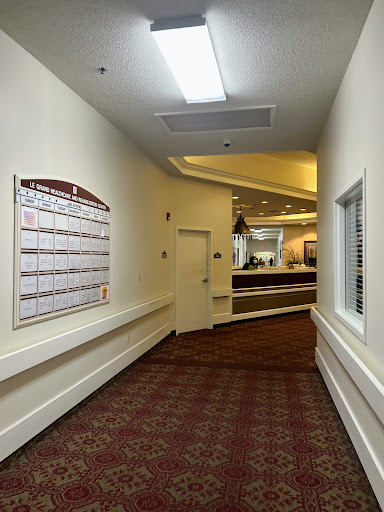
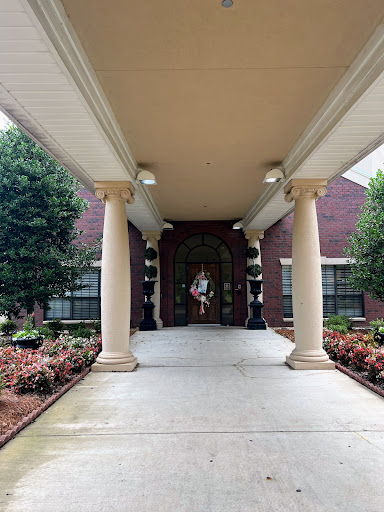
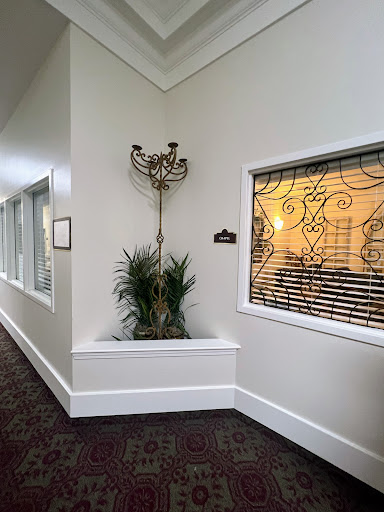
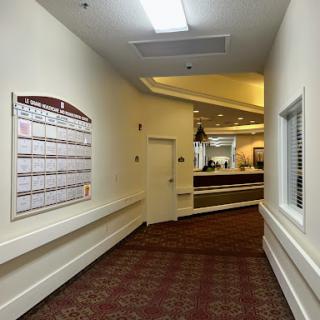
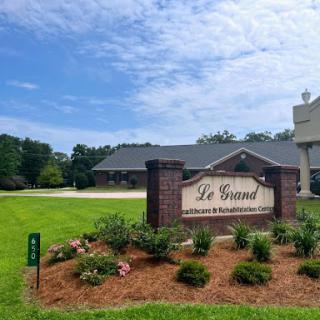
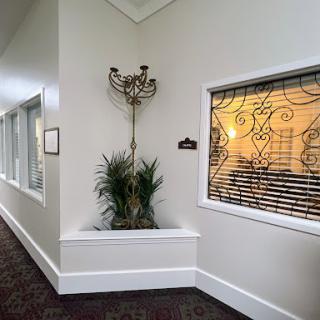
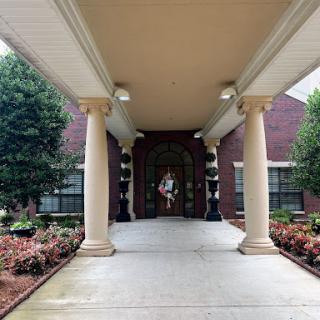
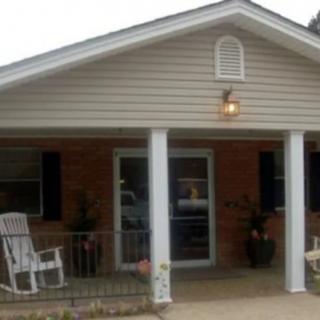
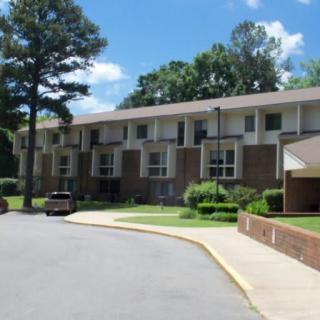
- The facility is always clean and the grounds are well kept.
Cons
 The daughter was not bathed for almost a month, and the bedsores were described as the worst the reviewer had seen.
- Meals were brought to the room and left there, and she could not feed herself.
- She had to be hospitalized again and later passed away.
- The staff were not concerned with the reviewer’s attempts to raise concerns.
- The cost for residents to stay there was over $5,000 per month, and the facility deserved better.
Review
Legrand Healthcare and Rehabilitation Center in Bastrop, LA is best suited for seniors who want an active, socially engaging environment with solid everyday amenities and dependable staff interaction, provided the care needs are moderate rather than highly medical. Families seeking a vibrant community where residents participate in a broad activity calendar, enjoy varied dining, and reside in comfortable, roomy spaces will find this a compelling option. The campus atmosphere, clean facilities, well-kept grounds, and a dining experience that supports visits with loved ones, supports peace of mind for many who value quality day-to-day living as a centerpiece of care. For seniors who prefer structured routines, accessible recreation, and programs that foster social connection, Legrand presents a practical platform to maintain independence within a supervised setting. In short, it is a strong match for those whose needs align with assisted living or light rehabilitative goals rather than high-acuity medical supervision.
At the same time, explicit cautions should shape the decision for families considering alternatives. The most serious red flag in the available impressions concerns cases where medical acuity was high and accountability appeared insufficient. A family recounts a loved one who needed intensive care after a severe injury and required attention that seemingly did not happen promptly, including bathing lapses and untreated wounds, with consequences that escalated to hospitalization and lasting tragedy. That kind of account cannot be dismissed, because it touches on basic standards of safety, responsiveness, and dignity. While that experience is not the universal story here, it is a compelling reminder that care quality can diverge sharply within any facility, and it warrants careful vetting before commitment in cases of significant medical fragility.
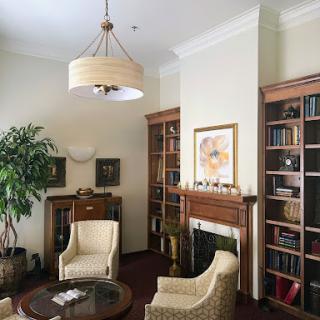
Conversely, multiple residents and families describe Legrand as a place where staff are friendly, attentive, and genuinely involved in daily life. The consistently praised elements include a broad menu of activities, a robust social calendar, and venues that feel welcoming, such as a dedicated theater, salon, and multiple social spaces. Families note the ability to share meals in the dining room, which strengthens the sense of partnership in care, and they describe spacious rooms and an environment that remains clean and orderly. This combination of social vitality, accessible amenities, and a warm, family-friendly atmosphere can translate into meaningful quality of life for residents who thrive on engagement and companionship. When those aspects align with a resident’s goals, Legrand becomes a practical and enjoyable place to live.
Cost, however, frames a crucial intersection of value and expectations. Reported pricing exceeding five thousand dollars per month places Legrand in the upper tier of regional options, and that premium carries an implicit expectation of consistently high-quality care, transparent communication, and reliable basic services. In settings where a monthly fee covers not just comfort and activities but also a steady standard of nursing oversight and timely intervention, any perception of neglect or delayed attention becomes disproportionately impactful. The high price makes clear, actionable assurances essential: detailed care plans, explicit staffing ratios, wound care protocols, timely assistance with meals and bathing, and responsive management when issues arise. Without such assurances, the financial commitment can feel misaligned with actual outcomes.
Operational strengths evident in favorable reviews, ambience, cleanliness, and engagement, do not vanish in the face of concerns, but they must be weighed against the gravity of the reported lapse. The positives point to a facility that earns trust through its proactive activities, appetizing meals, and accessible amenities; they indicate a setting where residents can flourish socially while receiving daily support. The standout risk is that basic care shortcomings, if they recur or remain unaddressed, erode confidence and threaten safety. The prudent choice, therefore, is to pursue Legrand with a clear plan: request current, written care protocols; verify nurse and aide staffing levels across shifts; observe routine care activities during a visit; review any incident logs or state inspection outcomes; and speak with multiple residents and family members to triangulate the experience.
The bottom-line guidance is practical and decisive. Legrand is a compelling option for families seeking a lively, amenity-rich environment with strong social programming and dependable day-to-day living quality for residents with moderate care needs and an emphasis on community. It should be seriously considered by those who value robust activities, generous dining options, and a welcoming, well-maintained setting as core components of daily life. For families with loved ones who require constant medical monitoring, advanced wound care, or highly reliable, incident-free basic care, alternatives should be explored unless concrete assurances about staffing, safety protocols, and timely care can be demonstrated and sustained. A disciplined, firsthand assessment, rooted in a thorough tour, observation of care routines, and a careful review of current performance data, will determine whether Legrand’s strengths can be trusted to offset its risks.
 125 resident community capacity
 Skilled Nursing Facility
 Air-conditioning
 Beauty salon
 Cable or satellite TV
 Computer center
 Dining room
 Fitness room
 Fully furnished
 Gaming room
 Garden
 Housekeeping services
 Kitchenette
 Move-in coordination
 Outdoor space
 Private bathrooms
 Restaurant-style dining
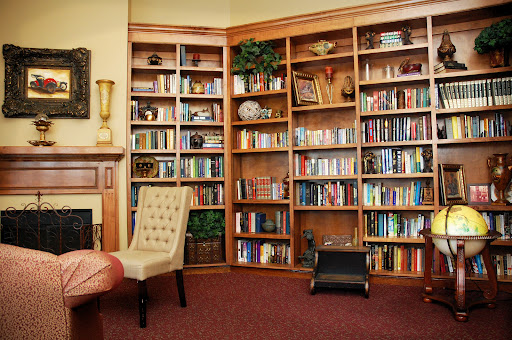
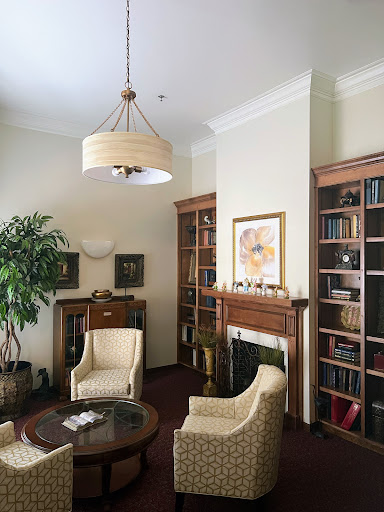
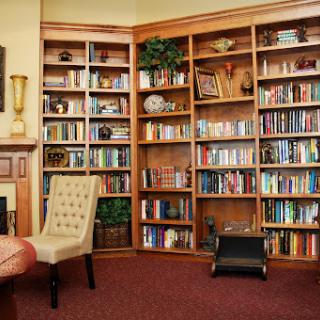
 Small library
 Telephone
 Wellness center
 Wi-Fi/high-speed internet available
 Monroe Regional (21 miles away)
 Community operated transportation
 12-16 hour nursing
 24-hour call system
 Activities of daily living assistance
 Assistance with bathing
 Assistance with dressing
 Assistance with transfers
 Diabetes diet
 Medication management
 Mental wellness program
 Special dietary restrictions
 Concierge services
 Planned day trips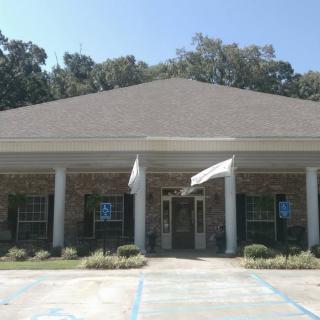
 Home Health Care Aides: Understanding Their Role and Supporting Your Family
 Urinary Tract Infections in Older Adults: Comprehensive Insights on Symptoms, Treatment, and Prevention
 California's Form 602A: An In-Depth Examination of Senior Care Assessment