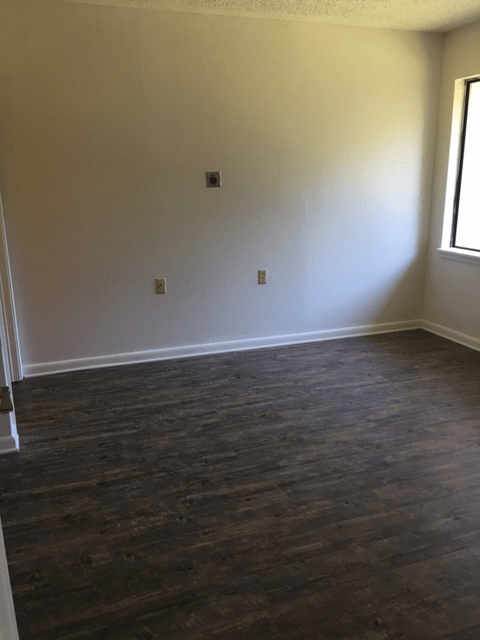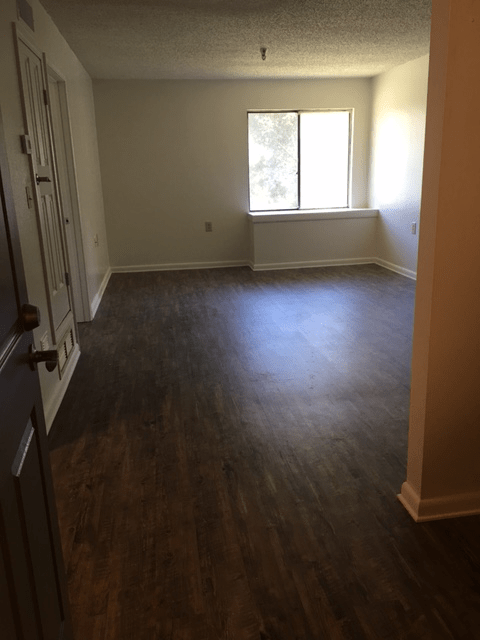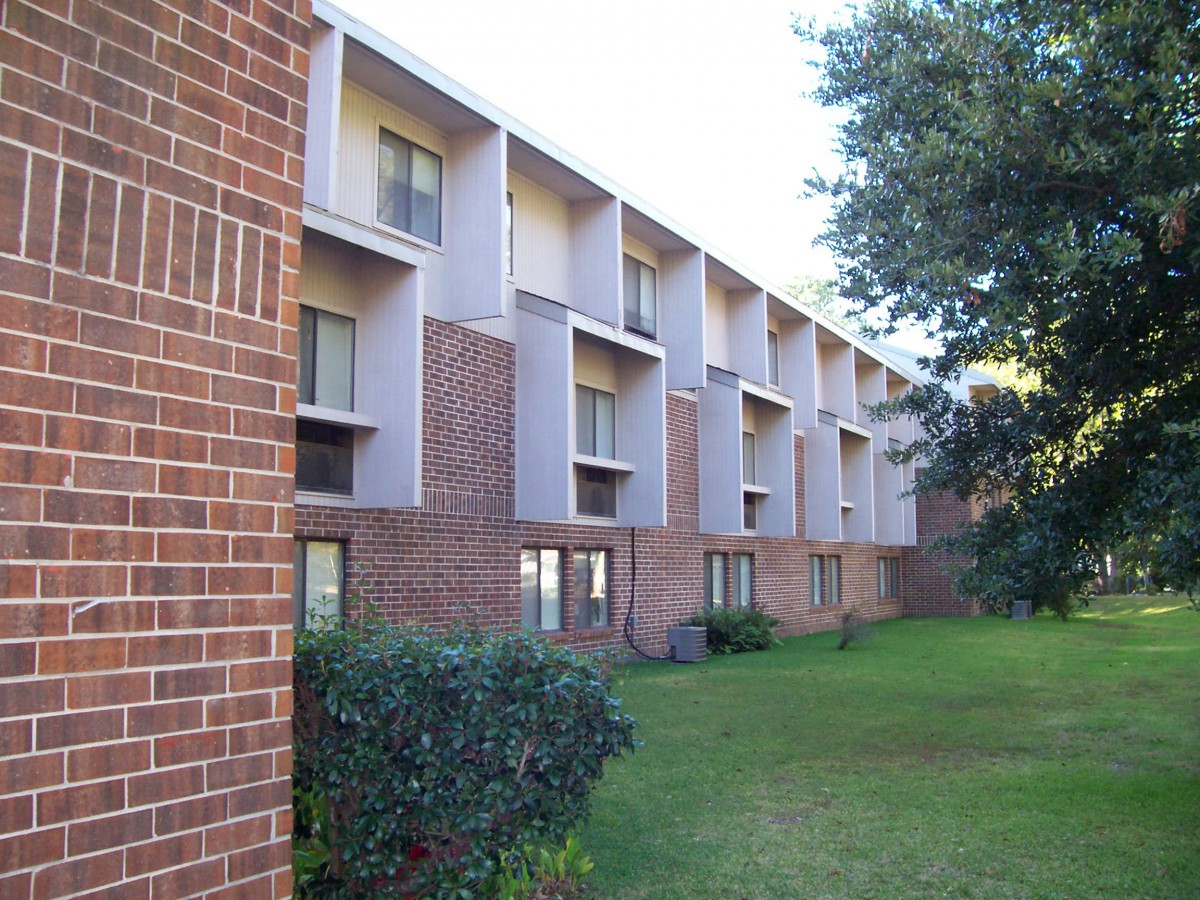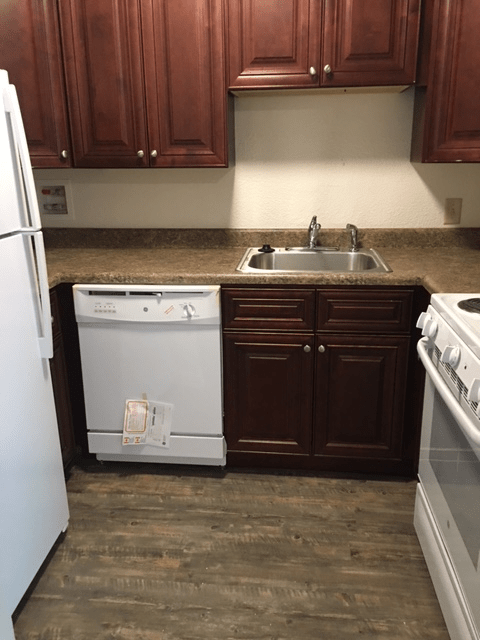
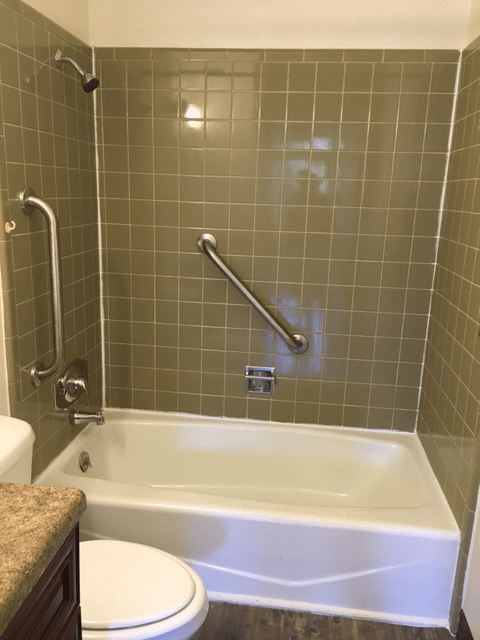
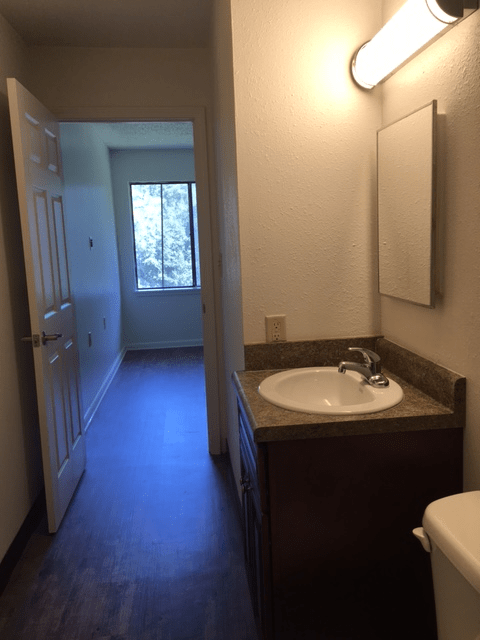
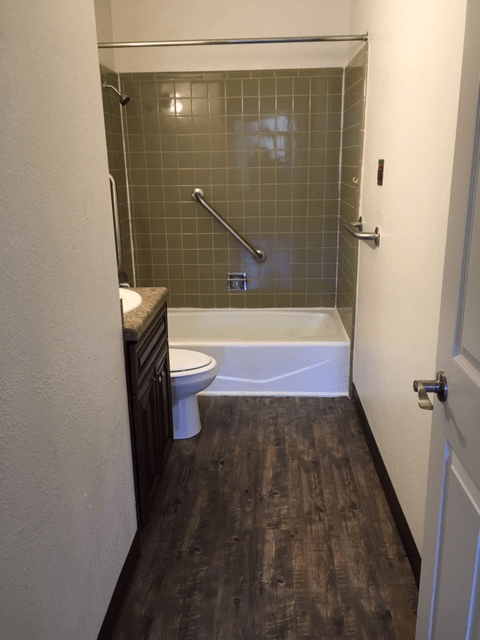
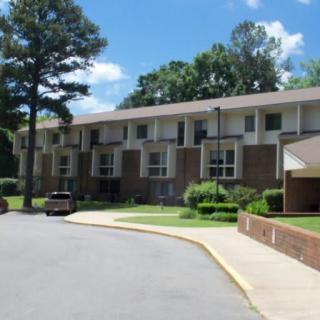
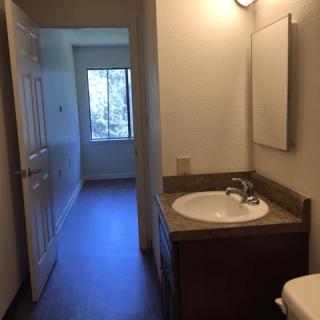
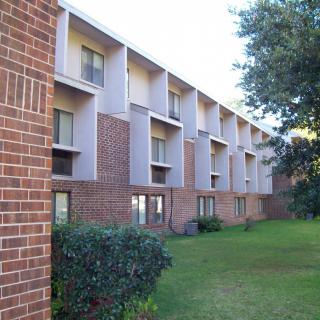
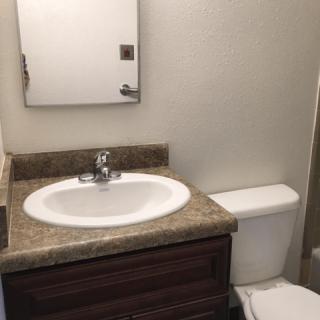
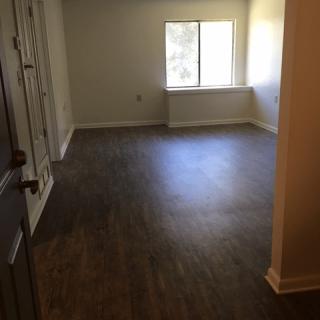
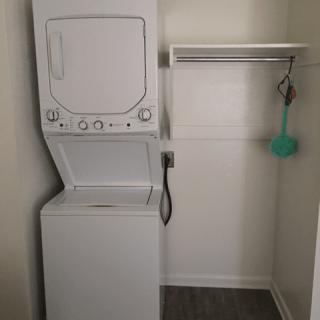
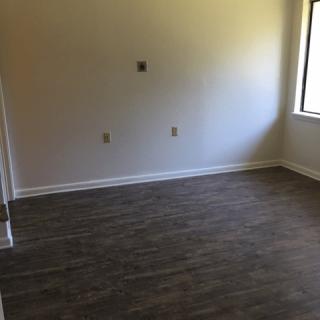
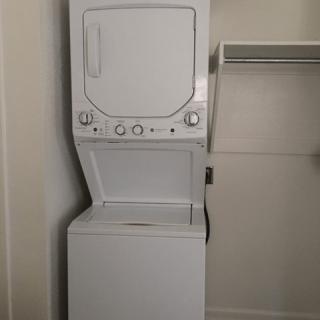
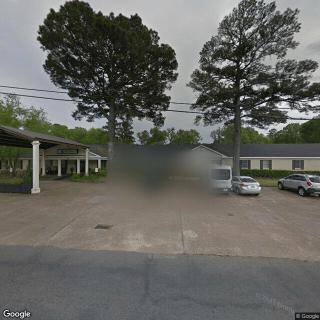
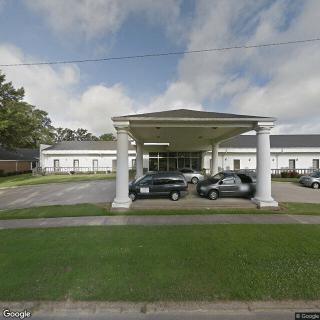
720 Brisco Ave, Bastrop, LA 71220
To contact a resident: (318) 281-8795
For more information about senior living options: (866) 208-4318
Bond House Apts Costs & Pricing
Bond House Apartments present a notable cost structure when compared to the average housing expenses in Morehouse Parish and across Louisiana. For a one-bedroom unit, renters at Bond House Apts can expect to pay $6,700 monthly, significantly exceeding both the parish average of $4,750 and the state average of $3,413. Similarly, two-bedroom accommodations are priced at $9,595 per month, which is considerably higher than Morehouse Parish's average of $6,545 and Louisiana's general rate of $3,878. These figures highlight that while Bond House Apts may offer unique amenities or location advantages, they come at a premium compared to regional and state norms in rental pricing.
| Floor plans | Bond House Apts | Morehouse Parish | Louisiana |
|---|---|---|---|
| 1 Bedroom | $6,700 | $4,750 | $3,413 |
| 2 Bedrooms | $9,595 | $6,545 | $3,878 |
Overall Review of Bond House Apts
Pros
 It looks like a nice place.
- It is loved for its nice staff and good people.
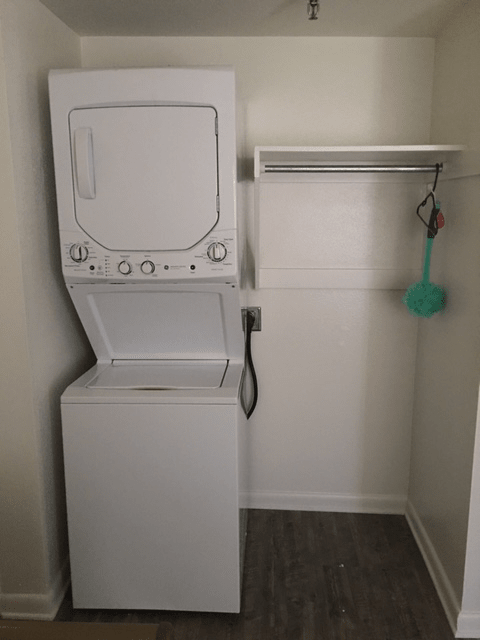
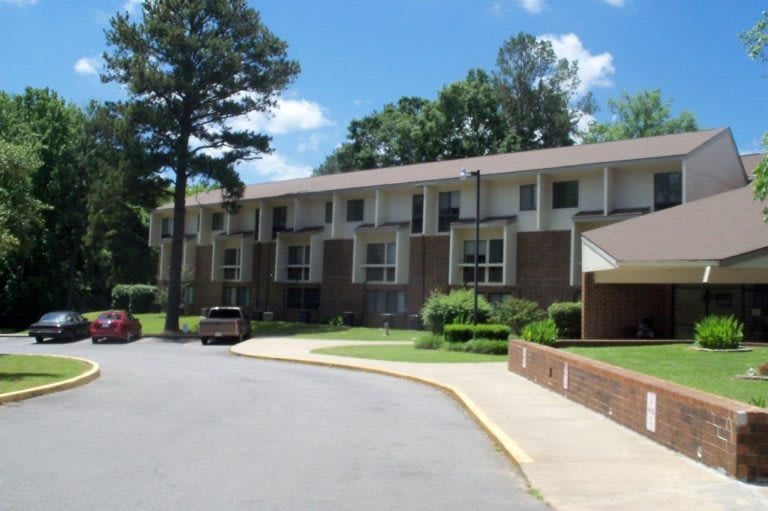
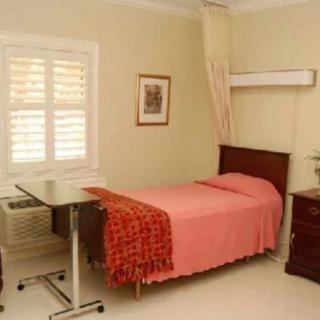
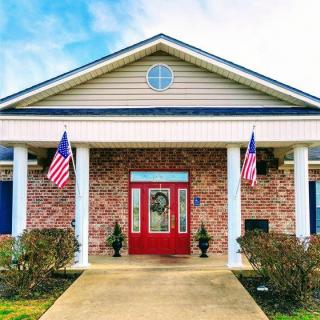
- Guests appreciate the friendly staff, clean landscape, spacious common areas, and the security system and training that keep everyone safe.
Cons
 They view forcing residents to go outside to smoke in the Louisiana heat as cruel to elderly people.
- They fear it could cause heatstroke among the elderly and would support a lawsuit if it happened.
- They advise others not to waste time or money there, noting that deposits are kept and residents arenā€™t informed about a boil-water advisory; they call the company dishonest.
- They claim the disabled and elderly are disrespected and discriminated against, including people with service animals.
- They describe the manager and staff as rude and characterize the place as awful.
Review
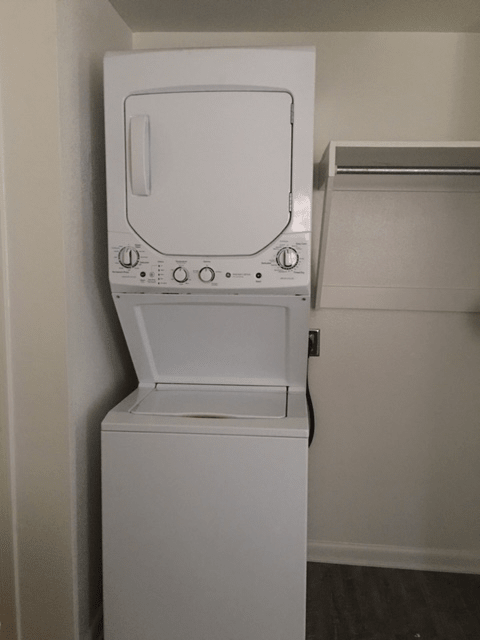
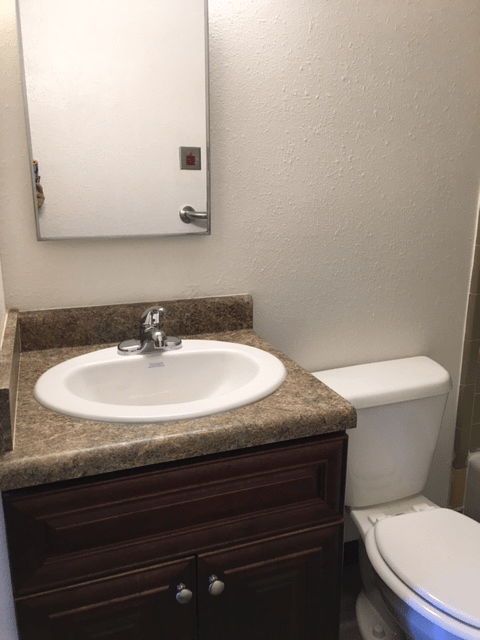
Bond House Apts in Bastrop, LA is best suited for independent seniors who value a pleasant, secure campus and a community-oriented vibe. Reviewers consistently note well-kept grounds, clean common areas, and a security setup that feels protective without being intrusive. The staff is frequently described as friendly and attentive, and visitors report a welcoming atmosphere during tours or short visits. For residents who prize curb appeal, orderly living spaces, and straightforward, resident-centered routines, this community offers a solid foundation for daily life and social engagement without requiring heavy caregiving.
Those who should consider alternatives are focused on management reliability and financial transparency. Several comments raise warning flags: deposits reportedly withheld, and unclear communication about a water boil event. Allegations of dishonesty by the water supplier and disputed attempts to relocate residents point to opaque operations that can erode trust. Reports of disrespect toward disabled residents and service animals, coupled with claims of rude staff, suggest a pattern that could undermine comfort and safety over time. For families seeking consistent service, clear policies, and respectful treatment, these issues warrant serious caution.
On the positive side, the strongest advantages are tangible and practical: approachable staff, a tidy campus, and sizable communal spaces that encourage activity and social connection. A robust security framework and training contribute to a sense of safety that matters to seniors who value independence but want dependable backup. When communication is clear and problems are addressed promptly, these elements elevate the resident experience, turning the property into a reliable base for daily routines and light, informal socialization. The upside of these features can offset certain inconveniences for residents who prioritize community and safety over boutique perks.
Yet the drawbacks are sizable enough to shape the decision. The deposit situation directly affects upfront affordability and trust, particularly if refunds or credits are not handled with transparency. Water-related concerns, especially if not promptly communicated, undermine basic assurances about health and comfort. Allegations of disrespect toward vulnerable residents and restrictions around service animals strike at the core values of inclusivity and safety. Finally, reports of rude or dismissive management behavior raise questions about ongoing advocacy and accountability. Taken together, these factors create a risk premium that must be weighed against the appealing, everyday conveniences.
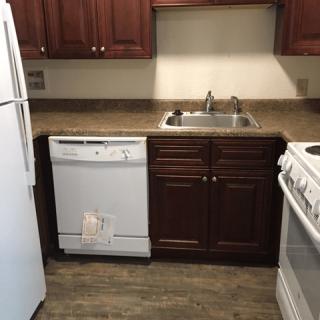
Practical due diligence can tilt the balance. Prospective residents should demand a clear, written deposit policy with explicit timelines for refunds or deductions; request documentation about any water issues and the communications surrounding them; review lease language on service animal accommodations and reasonable modifications; confirm the status of essential appliances (stove and refrigerator) and remedies if they are absent; inquire about move-out terms and dispute resolution processes; and speak with current residents about responsiveness to concerns and the overall climate among staff. A thorough tour should include a candid discussion of emergency features, verification of up-to-date safety equipment, and clarity on outdoor areas, particularly policies around outdoor smoking and heat exposure for the elderly.
Bottom line: Bond House Apts can be a viable option for seniors who prioritize a comfortable, secure setting with welcoming social spaces, provided management issues do not become a persistent obstacle. For families where transparent operations, respectful treatment, and predictable upkeep are non-negotiables, exploring alternatives is prudent. The decision hinges on whether the positives, friendly staff, safety infrastructure, and clean, navigable surroundings, outweigh the perceived management and policy concerns, or whether those red flags outweigh the benefits and point toward a different community with steadier governance and clearer resident advocacy.
 Active Adult Communities (55+)
 Cats allowed
 Dogs allowed
 Activities on-site
 Air-conditioning
 Bath tubs
 Full kitchen
 Ground floor units
 Handicap accessible
 Indoor common areas
 Monroe Regional (20 miles away)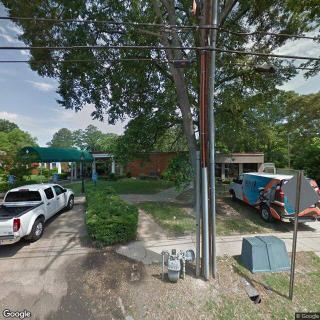


 Comprehensive Guide to Medicare Coverage for Hospice Care
 Caring for Those Who Care: Recognizing, Understanding, and Overcoming Caregiver Burnout
 Caregiver Exhaustion: Recognizing the Signs and Restoring Your Well-Being