

48 Hillview Dr, Scottsville, KY 42164
To contact a resident: (270) 237-9131
For more information about senior living options: (866) 208-4318
Overall Review of Hillcrest Nursing Home Office
Pros
 The facility provides excellent patient care.
- The staff makes residents feel like family.
- The Rehab department is excellent to work with and is helpful and caring.
- The facility is highly recommended for rehab or long- or short-term care.
- The team from the front office to the kitchen is a very special group of people.
- They take great care of residents.
- There are lots of activities and residents are well-liked.
Cons
 They don’t treat their residents or staff well.
- The staff are underpaid, leading to understaffing and overworked employees.
- Terrible management from the RNs up.
- They would not give the facility even one star if given the option.
- CNAs are not treated fairly, do everything for residents except give them their meds, and residents are sometimes spoken to disrespectfully by staff; the state needs to be involved more.
Review
Hillcrest Nursing Home Office in Scottsville, KY is best suited for families seeking a recovery- and activity-focused environment, especially for short-term rehab or transitional stays. The facility can deliver meaningful progress when the priority is skilled rehab, daily structure, and a noticeable sense of community. For residents who respond well to a lively activity calendar and a staff culture that feels approachable and personable, Hillcrest offers a practical home away from home where progress can be made in a supportive atmosphere.
Those who may want to consider alternatives are families prioritizing consistently high staffing levels, tightly controlled medication administration, and a uniformly balanced caregiver-to-resident ratio. If reliable CNA support, transparent management, and fewer reports of staff being overworked are top criteria, Hillcrest should be weighed against facilities with stronger staffing models and clearer accountability. For residents who require long-term, comprehensive oversight with minimal risk of turnover in caregiving teams, exploring options with steadier staffing and more robust governance is prudent.
On balance, the strongest pro is the rehab department, consistently described as excellent and genuinely helpful. When recovery goals drive the decision, this strength matters: skilled therapists and a workflow that emphasizes progress can produce tangible gains. Coupled with a broadly positive tone from front-office staff through to the kitchen, Hillcrest presents a care environment that families can trust for warmth and reliability in day-to-day operations. The presence of activity-rich programming and positive feedback from residents further reinforces a concrete sense of liveliness and engagement that can accelerate rehabilitation momentum.
Yet the most salient drawbacks center on staffing realities and how they color daily care. Repeated concerns about understaffing, driven by underpayment and consequent burnout, translate into overworked teams and variable attention to residents’ needs. Across multiple accounts, CNAs are described as not being treated fairly and as bearing the brunt of caregiving without commensurate support, with occasional criticism of how residents are spoken to or managed. Management quality is called into question by some reviewers, with a perception that oversight and accountability are insufficient to curb these patterns. These dynamics can undermine consistency of care, especially for residents who require steady, hands-on assistance and careful supervision.
The key question for decision-makers is whether the rehab-focused strengths outweigh the staffing and treatment concerns for the intended stay. For families prioritizing therapy outcomes and social engagement, Hillcrest’s robust rehab team and the everyday warmth from many staff members can offset some fragility in staffing, at least in the short term. For long-term care, however, the risk of inconsistent care, particularly around medications and direct caregiving, becomes more consequential. The facility’s appeal rests on a practical, energetic environment and a committed rehab pathway; the caveat is that long-run reliability hinges on addressing staffing pressures and improving caregiver conditions.
A practical decision approach is to test Hillcrest with a targeted, time-limited period focused on rehab goals and daily routines, while simultaneously probing staffing clarity and accountability. Families should request direct conversations with the rehab supervisor and front-line aides to assess responsiveness, and they should seek current resident and family references about consistency and respectful communication. If any comfort with management oversight and a sustainable staffing plan cannot be demonstrated, alternatives with stronger staffing guarantees and more predictable caregiver consistency warrant serious consideration. In Scottsville, options exist that balance strong rehab potential with steadier daily care; Hillcrest remains a valid choice for recovery-oriented stays, provided expectations are managed and monitored from day one.
 Skilled Nursing Facility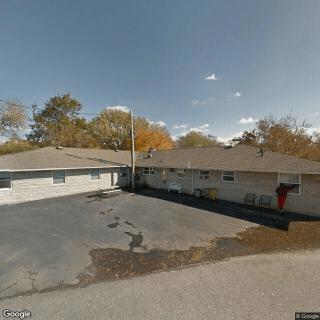




 Senior Move Management: Understanding the Role, Value, and Associated Costs
 Weight Training for Seniors: Building Strength and Vitality
 Understanding the Sandwich Generation: Stress and Responsibilities for Multigenerational Caregivers