
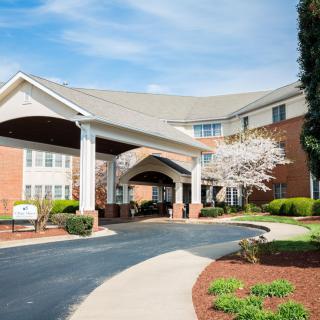
456 Burnley Road, Scottsville, KY 42164
For more information about senior living options: (866) 208-4318
Overall Review of Cal Turner Rehab And Specialty Care
Cons
 They claim the staff lied about bathing and feeding residents.
- They note that a grandmother waited 2.5 hours for a lunch tray that never arrived, with no explanation.
- They say the grandmother lost 13 pounds in about two weeks, suggesting neglect.
- They insist the workers should be ashamed and that the place has become a dump.
- They warn that without family members being present, the grandmother might have gone without a meal for much longer.
Review
Cal Turner Rehab And Specialty Care in Scottsville, KY is best suited for families seeking a rehab-focused environment where skilled nursing and therapy services are the core offering, and where active oversight by family members can help ensure daily care meets a solid standard. The facility operates in a space where short-term recovery and ongoing skilled care are the primary goals, rather than a blanket emphasis on long-term living with high consistency in every daily task. Its rating mix, three residents giving five stars, with both a high and a low outlier rating, signals that strong rehab potential exists, but daily caregiving quality can vary enough to demand careful scrutiny before committing.
Those who should strongly consider alternatives are families prioritizing dependable, day-to-day caregiving with consistently timely meals, responsive staff, and empathetic bedside care. If a resident relies on predictable routines, prompt assistance with meals and mobility, or needs a steady, reassuring caregiver presence, this community may not meet those expectations without close family involvement and ongoing advocacy. In particular, the system’s variability, as reflected in the split reviews, suggests that without consistent oversight, the daily experience could fall short of what many families require for peace of mind.
From a practical standpoint, the main upside centers on the facility’s rehab and specialty-care orientation. When the rehabilitation program is functioning well, residents can expect structured therapy, professional clinical oversight, and a focus on recovery goals that can support meaningful progress. Several reviewers pointed to positive outcomes and competent clinical care in favorable moments, indicating that the clinical team has the capacity to deliver value where operations run smoothly. In scenarios where therapy intensity and oversight align with a resident’s needs, Cal Turner can be a viable path to recovery and skilled support.
But the most troubling thread in the account of this community is the durability and impact of daily care lapses. A single, highly critical account describes prolonged delays in meals, with a loved one left unfed and substantial unintended weight loss in a matter of weeks. Additional comments accuse staff of lacking empathy and urgency, painting a picture of a facility where bedside compassion and timely routine tasks do not consistently meet expectations. While it is only one set of voices among several, the magnitude of the concerns, and the emotional weight behind them, requires serious weighting in a decision calculus.
Ultimately, the rehab strengths do not fully offset the ongoing care gaps for families who prize reliable daily caregiving. The decision hinges on whether the rehab-focused upside can be accessed with rigorous oversight and explicit accountability. If a plan can be put in place to guarantee timely meals, responsive help with activities of daily living, and a clear escalation path when issues arise, Cal Turner stands a chance of delivering solid outcomes for recovery-focused stays. Without that framework, the risk of persistent daily-care failures undermines the potential gains from therapy and specialty services.
For families weighing next steps, practical moves are clear. Schedule an unannounced visit to observe meal service, caregiver responsiveness, and the overall daily rhythm. Ask for current staffing ratios on a typical shift and request a written care plan with explicit goals, timelines, and accountability points. Speak with a treating therapist about typical rehabilitation timelines and how progress is measured. Review the latest state inspections and discuss any past complaints directly with administration to gauge responsiveness. If consistent, compassionate daily care and reliable meals cannot be demonstrated in a transparent plan, alternatives with steadier day-to-day performance should be pursued. Cal Turner can be appropriate for rehab-focused care, but only for families prepared to insist on rigorous daily standards and to stay actively involved throughout the stay.
 110 resident community capacity
 Skilled Nursing Facility
 Air-conditioning
 Beauty salon
 Cable or satellite TV
 Computer center
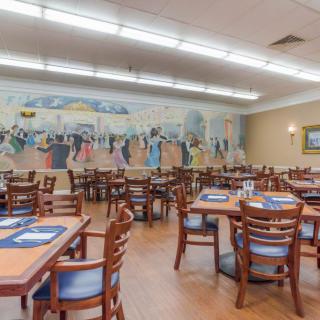
 Dining room
 Fitness room
 Fully furnished
 Gaming room
 Garden
 Housekeeping services
 Kitchenette
 Move-in coordination
 Outdoor space
 Private bathrooms
 Restaurant-style dining
 Small library
 Telephone
 Wellness center
 Wi-Fi/high-speed internet available
 Community operated transportation
 12-16 hour nursing
 24-hour call system
 Activities of daily living assistance
 Assistance with bathing
 Assistance with dressing
 Assistance with transfers
 Diabetes diet
 Medication management
 Mental wellness program
 Special dietary restrictions
 Concierge services
 Planned day trips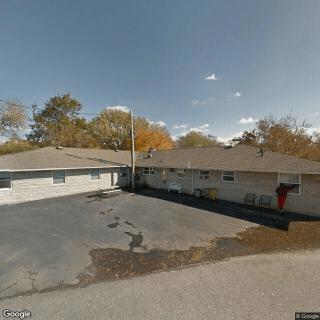
 Specialized diabetic care and engaging activities in a comfortable indoor setting.
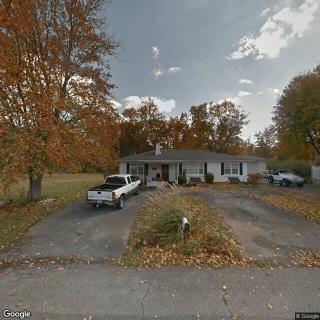

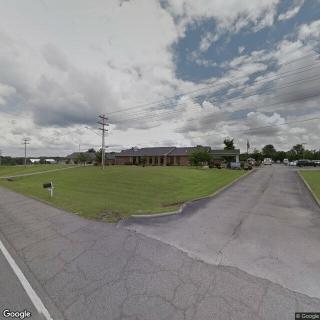
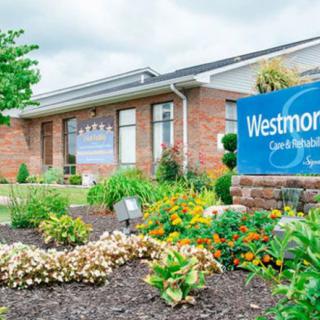

 Top Canine Companions for Older Adults
 Comprehensive Guide to Blood Pressure Charts for Older Adults: Understanding Normal and High Readings by Age
 Financing Long-Term Nursing Home Care Through Social Security: A Thorough Exploration