
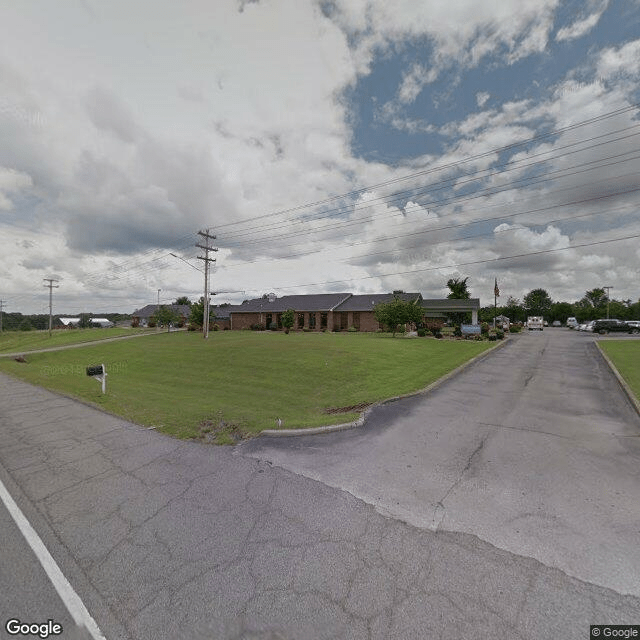
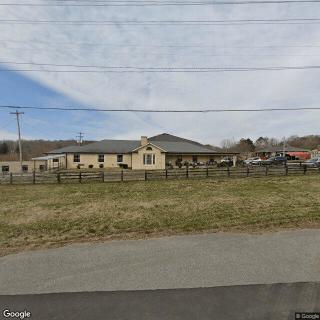
1559 New Highway 52 E, Westmoreland, TN 37186
To contact a resident: (615) 644-5111
For more information about senior living options: (866) 208-4318
Overall Review of Royal Care of Westmoreland
Pros
 The staff care about their patients and do a great job.
- The facility is very clean and the rooms are nice.
- The PTs and OTs are very good.
- The physical therapy team is amazing, supportive, caring, and knowledgeable.
- They treat each patient like family.
- The floor nurses are very helpful and supportive.
- The staff at Westmoreland are welcoming and dedicated to patients.
- They are compassionate and upbeat about residents' care.
- The activities team does a fabulous job.
- The facility feels like a second home and is a blessing to the community.
Cons
 The kitchen forgot to place the dinner order, ran out of food, and served leftovers as dinner, described as gross negligence.
- All communication was taken away—watch, phone, and even the desk phone—preventing contact with family.
- The facility should be ashamed of itself; it is described as truly neglectful and should not be open, with a warning to never send loved ones there.
- One reviewer says the 4.2-star rating is a joke and that most reviews come from employees.
- The facility is described as neglectful toward elderly residents, with staff not meeting care expectations.
Review
Royal Care of Westmoreland in Westmoreland, TN is best suited for seniors who need short-term rehabilitation or steady long-term care and who prize a warm, family-like staff atmosphere, strong physical and occupational therapy, and a consistently clean, comfortable setting. The rehabilitation program is the standout feature: residents report skilled, encouraging PTs and OTs who treat each person like family, with therapy that emphasizes safety and progress. The rooms and common areas are described as pleasant, and call lights are answered quickly, contributing to a sense of reliability and support that matters for recovery and ongoing daily living.
However, there are clear reasons to consider alternatives, especially for families where dining quality and open lines of communication are non-negotiable. Several reviews point to issues with meal service, including missed dinner orders and insufficient, unappealing food, which can be a meaningful disruption to a resident’s daily routine and nutrition. Additionally, there are concerns about communication restrictions, with at least one resident noting that personal devices and even room phones were removed, potentially hindering contact with family and oversight by loved ones. These factors can undermine overall satisfaction, particularly for residents who value consistent meals and easy updates from staff.
The core advantages still carry significant weight in decision-making. The exceptional therapy team, a long track record of compassionate nursing care, and a culture that feels like family are repeatedly highlighted as the reasons residents thrive. Families often report peace of mind from nurses and aides who are attentive, professional, and genuinely invested in recovery and daily well-being. Cleanliness across the facility and the practical convenience of timely call responses reinforce a sense of safety and daily predictability that many families seek when placing a loved one in senior care.
Individual staff and leadership dynamics emerge as a strength in many testimonials. Repeated praise targets the people on the front lines, nurses, technicians, and therapists, who contribute to a supportive, upbeat atmosphere. When residents engage with caregivers who remember their preferences and histories, the continuity of care improves, making the daily experience more coherent and less stressful for both residents and families. This relational depth matters, particularly for those navigating recovery timelines or long-term adjustment to assisted living routines.
The negative voices, while fewer in number, underscore real risk signals. Allegations of neglect and strong cautions from some reviewers cannot be dismissed, nor can the perception that the facility’s operations sometimes lag behind expectations. For families weighing the decision, these critiques highlight the necessity of verifying current kitchen standards, meal service consistency, and the facility’s openness to feedback. The fear of restricted communication and disconnection from loved ones is a legitimate concern that can affect overall well-being and satisfaction, even in a place that provides excellent therapy.
In the end, Royal Care of Westmoreland offers a compelling package for rehab-focused residents who value expert, compassionate therapy and a home-like culture. The major upside, effective rehabilitation, engaged staff, and a clean, welcoming environment, often outweighs common irritants, provided that current dining standards and family communication policies align with expectations. If those elements are non-negotiable, it remains prudent to compare a few nearby options with steadier dining quality and fewer restrictions on resident-family interaction. A thorough tour should probe dining operations, current meal standards, and the facility’s policies on resident communications to determine whether this community truly fits the resident’s top priorities.
 Skilled Nursing Facility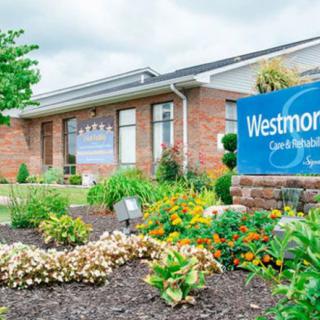



 Comprehensive Look at Senior Blood Pressure Charts: Normal and Elevated Levels by Age
 Top Canine Companions for Older Adults
 Comprehensive Guide to Blood Pressure Charts for Older Adults: Understanding Normal and High Readings by Age