For more information about senior living options: (866) 208-4318
2 from 88 reviews
5 stars
19
4 stars
3
3 stars
3
2 stars
0
1 stars
63
Overall Review of Western State Nursing Facility
caveat36 reviews mention this
Abuse and safety complaints recur
Multiple residents and families describe abusive or unsafe treatment during stays.
A large share of reviews describe mistreatment, including allegations of assault, restraints, and staff being rough or demeaning. Several reviewers say they felt unsafe in the facility and report that concerns were not taken seriously. A few others mention being threatened with or given medication in ways they felt were harmful, which adds to the overall safety concern.
caveat14 reviews mention this
Medication handling is questioned
Reviews frequently criticize medication decisions and delivery.
Many reviews raise concerns about medication management, including reports of being overmedicated, given injections, or having prescriptions not continued as expected. Some reviewers describe withdrawal-like effects or being put on medications they felt were incorrect, while others say side effects made them worse. A smaller number of reviews are more positive, describing getting medications adjusted for improvement, but the negative medication stories appear often enough to stand out.
caveat5 reviews mention this
Food quality gets pushback
Dining is a common point of frustration in reviews.
Several reviewers describe meals as gross, inedible, or inadequate, including mentions of burnt food, cold food, and losing weight due to nutrition. A few reviews also mention limited day-to-day options and not enough to eat. While the facility offers restaurant-style dining as a feature, reviews in this set do not reflect consistent satisfaction with the actual food residents received.
common6 reviews mention this
Some staff members are praised
A number of reviews highlight kind, professional staff support.
Alongside the negative experiences, multiple reviews describe staff as professional and caring, including nurses and treatment team members. Some families say the facility helped their loved ones recover or get medications on track. One recurring contrast in the reviews is that even when other parts of the stay are criticized, certain individuals are still credited with kindness and attention.
How we summarize
Counts show how many written reviews mention each theme; a review can touch several themes, and only frequently mentioned themes are displayed.
Features
Housing
144 resident community capacity
Types of Care
Skilled Nursing Facility
Amenities
Air-conditioning
Beauty salon
Cable or satellite TV
Computer center
Dining room
Fitness room
Fully furnished
Gaming room
Garden
Housekeeping services
Kitchenette
Move-in coordination
Outdoor space
Private bathrooms
Restaurant-style dining
Small library
Telephone
Wellness center
Wi-Fi/high-speed internet available
Transportation
Community operated transportation
Transportation arrangement
Transportation arrangement (non-medical)
Transportation to doctors appointments
Care Services
12-16 hour nursing
24-hour call system
24-hour supervision
Activities of daily living assistance
Assistance with bathing
Assistance with dressing
Assistance with transfers
Diabetes diet
Meal preparation and service
Medication management
Mental wellness program
Special dietary restrictions
Dining
Diabetes diet
Special dietary restrictions
Activities
Community-sponsored activities
Concierge services
Fitness programs
Planned day trips
Resident-run activities
Scheduled daily activities
Nearby Places of Interest
Hospitals
Western State Hospital (0.2 miles)
DaVita (2.3 miles)
Wound Healing Center (2.4 miles)
Pulmonary & Sleep Clinic (2.6 miles)
Jennie Stuart Medical Imaging Center (4.2 miles)
Cumberland Hall Hospital (8.8 miles)
Places of Worship
Faith Chapel General Baptist Church (0.8 miles)
Gainsville Baptist Church (1.1 miles)
Christian Faith Temple (1.4 miles)
Hillcrest Baptist Church (1.6 miles)
Skyline Church of Christ (1.6 miles)
Durrett Avenue Baptist Church (1.9 miles)
True Gospel Church of God In Christ (1.9 miles)
Restaurants
Dick's Drive In and BBQ (1.6 miles)
Crazy Wings (1.8 miles)
Whistlestop Donuts (1.9 miles)
The Mixer (2 miles)
The Place (2 miles)
Harper House (2.1 miles)
Ferrell's Snappy Service (2.1 miles)
Transportation
U-Haul Neighborhood Dealer (1.8 miles)
Wildlife Creations (5.1 miles)
Cafes
The Corner Coffeehouse (2.1 miles)
Starbucks (2.9 miles)
Physicians
Advanced Cosmetic Surgery Center (2.1 miles)
John A Mccubbin (2.3 miles)
Ophthalmology Associates of Western Kentucky (2.3 miles)
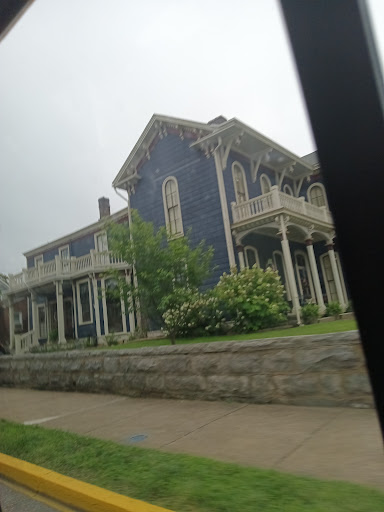
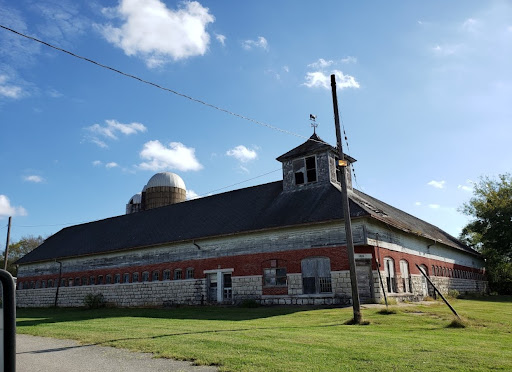
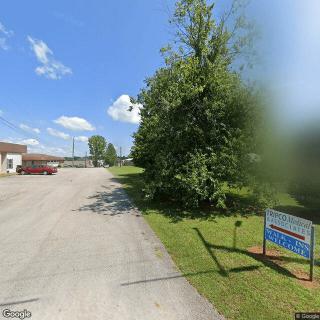
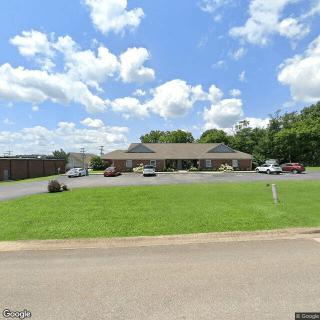
Western State Nursing Facility on seniors.fyi includes 8 photos including images showing architecture, building, outdoors, brick, tree, trees, grass, windows, and more.
Nearby Communities
Covington's Convalescent Center
Hopkinsville, KY
3.8 from 8 reviews
Comprehensive amenities and 24/7 supervision with personalized care options.
Gainsville Manor
Hopkinsville, KY
1 from 1 review
24/7 care with restaurant-style dining and extensive amenities.
Senior Helpers - Hopkinsville, KY
Hopkinsville, KY
4.6 from 37 reviews
Excellent, accommodating in-home care with friendly, reliable staff.
Jennie Stuart Medical Ctr
Hopkinsville, KY
2.6 from 120 reviews
Convenient location with nearby healthcare access, dining options, and transportation.
Western Kentucky Quality
Hopkinsville, KY
4.7 from 11 reviews
Diabetic care with on-site activities and indoor social spaces
Christian Care Communities Garden Homes
Hopkinsville, KY
5 from 2 reviews
$623 to $720 / month
Excellent maintenance, convenient noon meals, and spacious 1,400 sq ft homes amid pleasant surroundings.
Pennyrile Home
Hopkinsville, KY
5 from 2 reviews
Extensive on-site care and amenities (24/7 supervision, ADL assistance, medication management, transport, restaurant-style dining, fitness and wellness facilities).
Carriage Hall Assisted Living
Hopkinsville, KY
4.5 from 24 reviews
$2,450 to $2,950 / month
Small, home-like setting with attentive staff and a clean, welcoming environment.
Arcadia Senior Living Clarksville
Clarksville, TN
4.7 from 44 reviews
$2,300 to $3,132 / month
Kind, professional staff; clean, engaging environment with safety and strong resident well-being.
Adult day care programs offer essential support and activities for older adults, yet many hesitate to participate due to concerns about independence and stigma. To alleviate these apprehensions, families should facilitate open discussions, explore financial resources, suggest trial visits, and collaborate with healthcare providers to highlight the benefits of such services for both the participants and their caregivers.
Living wills and advance directives are crucial legal documents that outline an individual's healthcare preferences when they cannot make decisions themselves, enhancing patient autonomy and alleviating family stress during medical crises. The article emphasizes the need for these documents to be personalized, legally valid, and regularly updated, while also encouraging communication about end-of-life wishes among family members and healthcare providers.
The article examines living wills and advance directives, highlighting their significance in expressing healthcare preferences for those unable to communicate due to illness or incapacity. It discusses their historical development, legal components, limitations, practical drafting advice, and the importance of clear communication among families and healthcare professionals regarding end-of-life decisions.
Get PricingAsk A QuestionSchedule A TourContact Senior Advisor
By clicking submit, you agree to our Partner's Terms of Use. You
also consent to receive calls and texts, which may be autodialed, from our Partner. Your consent is not a condition to
using our Partner's service. Please visit our Partner's Privacy Policy for information about their privacy practices.












 144 resident community capacity
 Skilled Nursing Facility
 Air-conditioning
 Beauty salon
 Cable or satellite TV
 Computer center
 Dining room
 Fitness room
 Fully furnished
 Gaming room
 Garden
 Housekeeping services
 Kitchenette
 Move-in coordination
 Outdoor space
 Private bathrooms
 Restaurant-style dining
 Small library
 Telephone
 Wellness center
 Wi-Fi/high-speed internet available
 Community operated transportation
 12-16 hour nursing
 24-hour call system
 Activities of daily living assistance
 Assistance with bathing
 Assistance with dressing
 Assistance with transfers
 Diabetes diet
 Medication management
 Mental wellness program
 Special dietary restrictions
 Concierge services
 Planned day trips
 Comprehensive amenities and 24/7 supervision with personalized care options.


 Encouraging Participation in Adult Day Care: A Guide to Supporting a Hesitant Parent
 Comprehensive Exploration of Living Wills and Other Advance Directives
 A Detailed Exploration of Living Wills and Advance Directives