100 North Dr, Hopkinsville, KY 42240
To contact a resident: (270) 885-1166
For more information about senior living options: (866) 208-4318
Christian Care Communities Garden Homes Costs & Pricing
At Christian Care Communities Garden Homes, the costs for accommodations are remarkably affordable compared to both Todd County and the broader state of Kentucky. For a one-bedroom unit, residents pay only $623 per month, significantly lower than the county average of $1,873 and the state rate of $3,458. Similarly, a two-bedroom option is available at just $720 per month, which stands in stark contrast to Todd County's average of $1,783 and Kentucky's statewide figure of $3,702. This pricing not only reflects an attractive value for potential residents but also underscores Christian Care Communities' commitment to providing accessible living arrangements without compromising on quality care and community engagement.
| Floor plans | Christian Care Communities Garden Homes | Todd County | Kentucky |
|---|---|---|---|
| 1 Bedroom | $623 | $1,873 | $3,458 |
| 2 Bedrooms | $720 | $1,783 | $3,702 |
Overall Review of Christian Care Communities Garden Homes
Pros
 They wash the windows.
- They serve the noon meal.
- They cook and deliver the noon meal.
- They have a great maintenance staff.
- They would recommend this community to other families.
Review
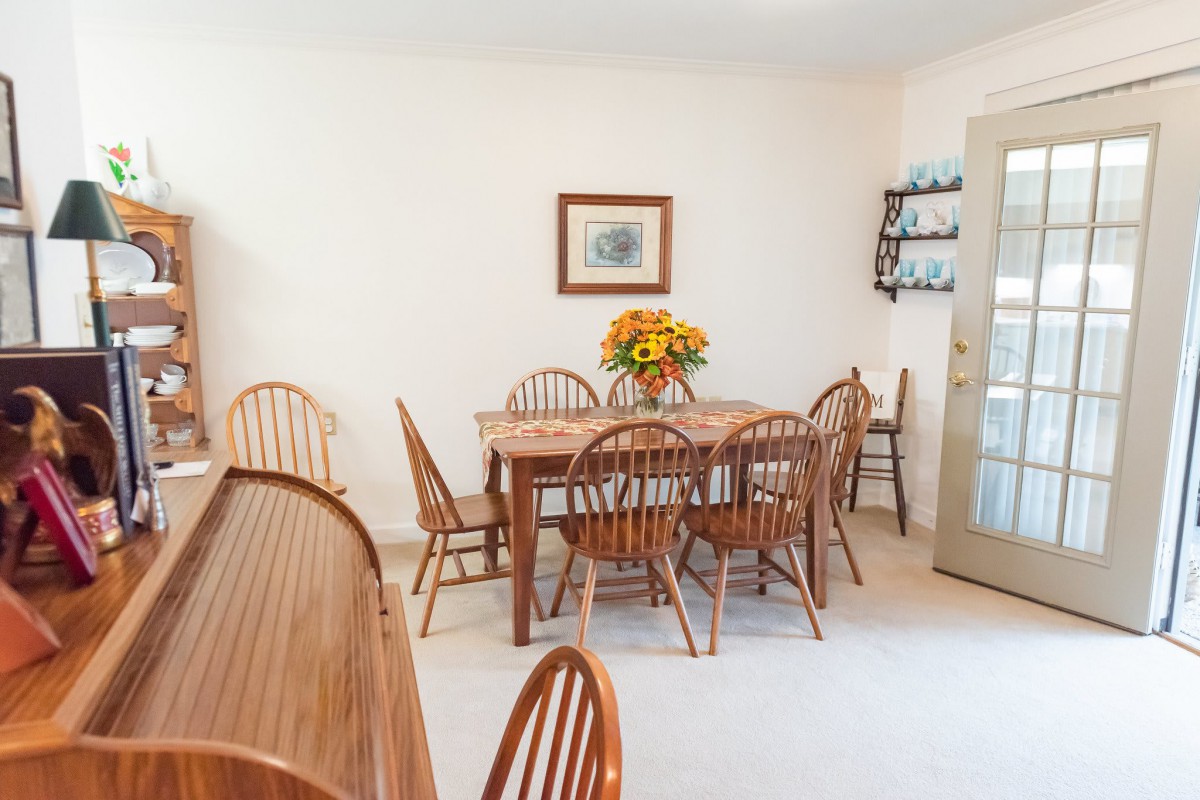
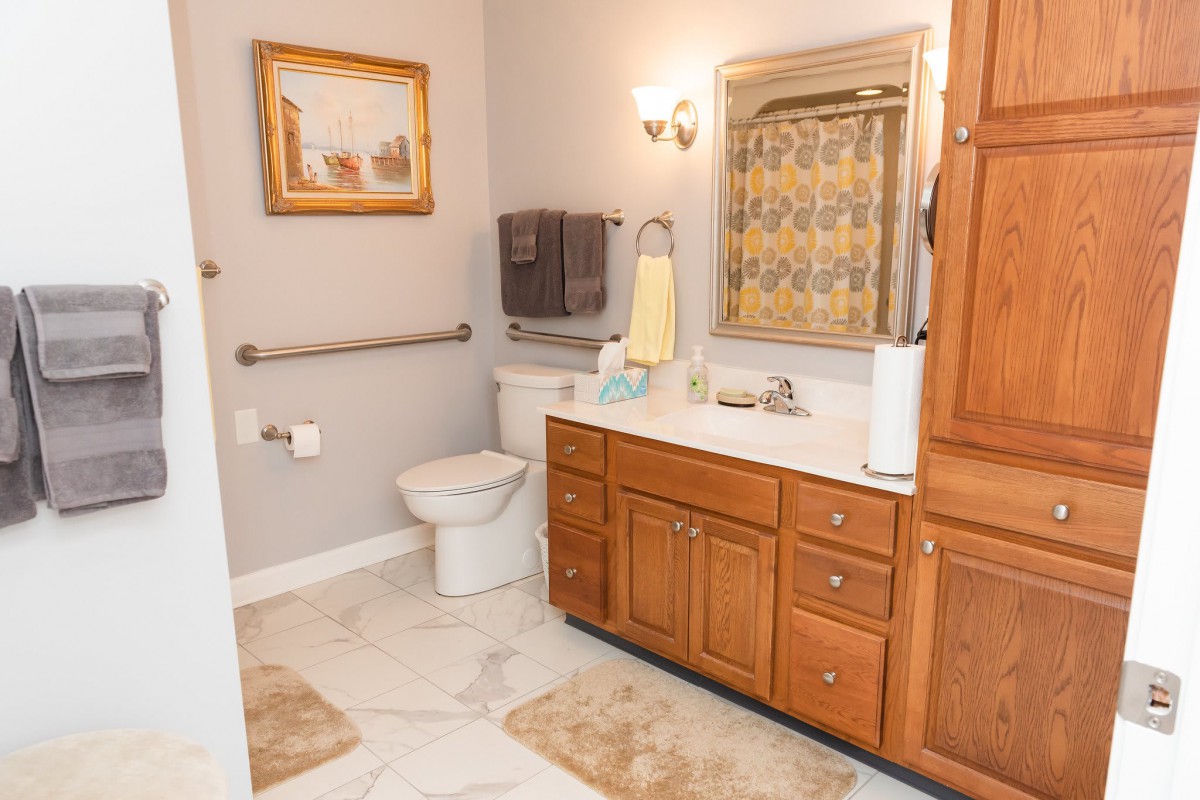
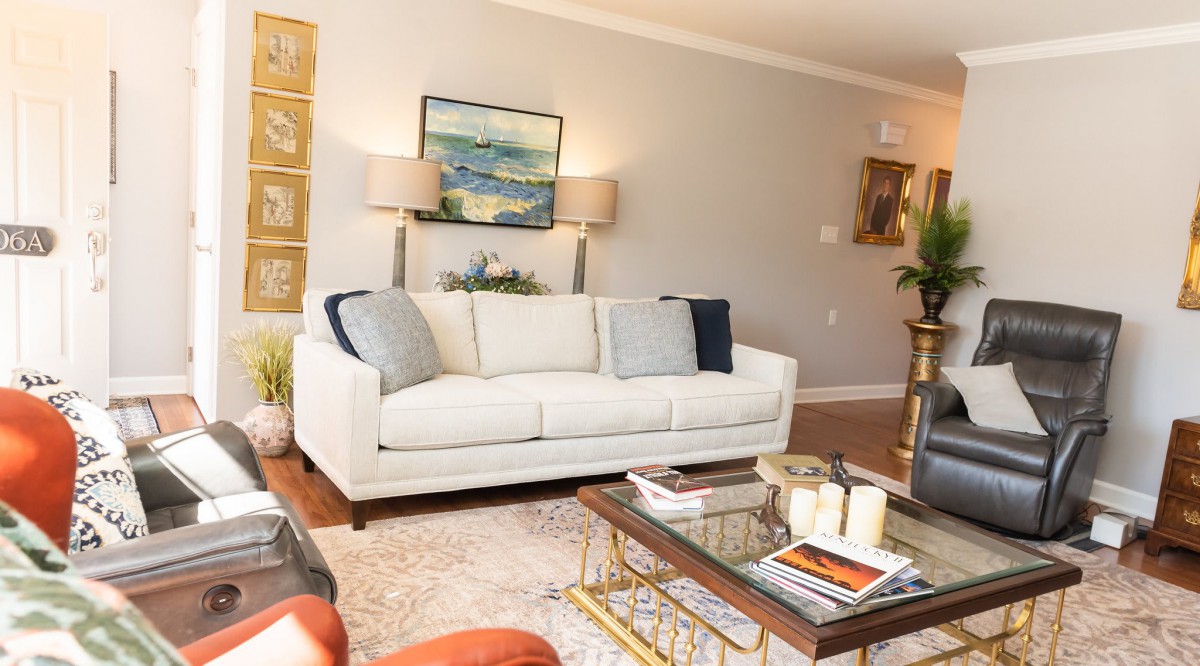
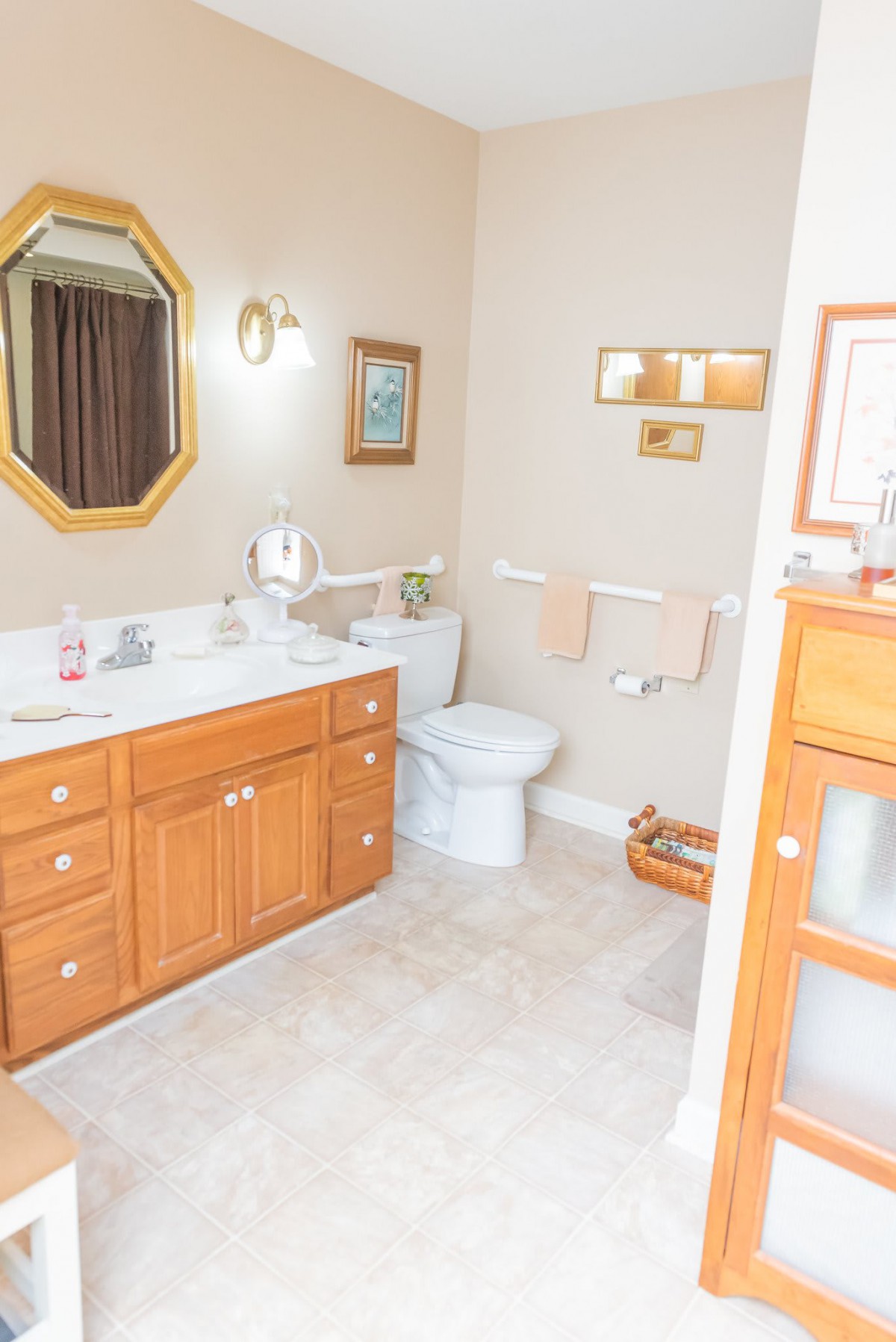
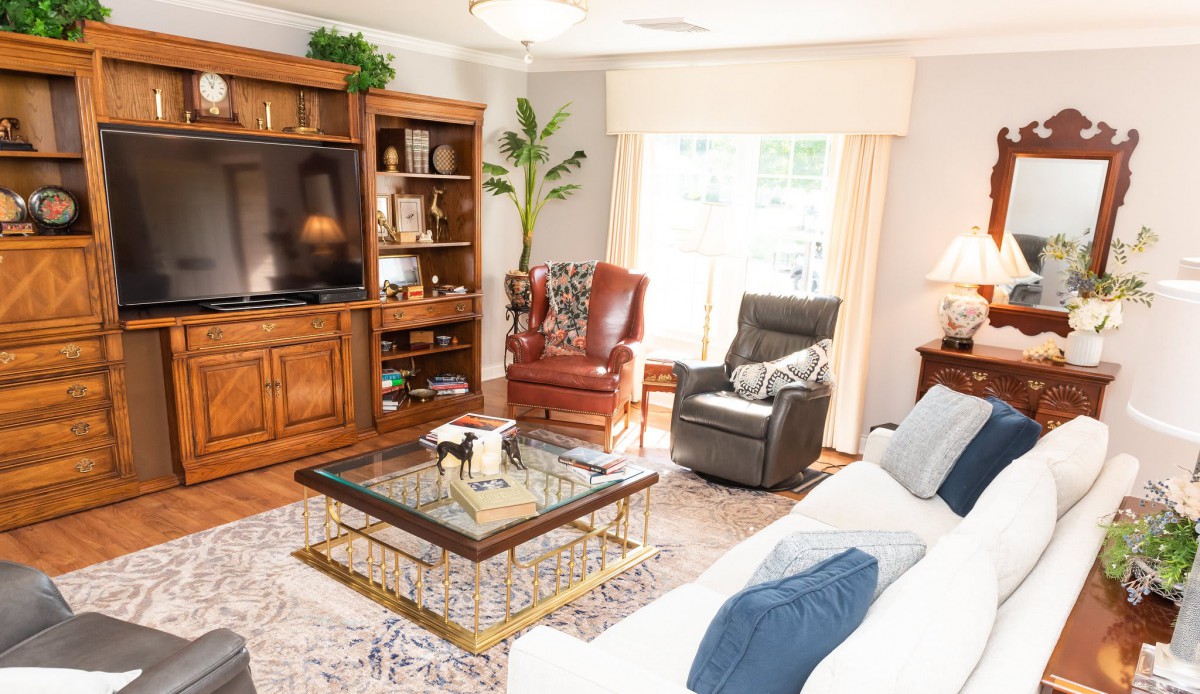
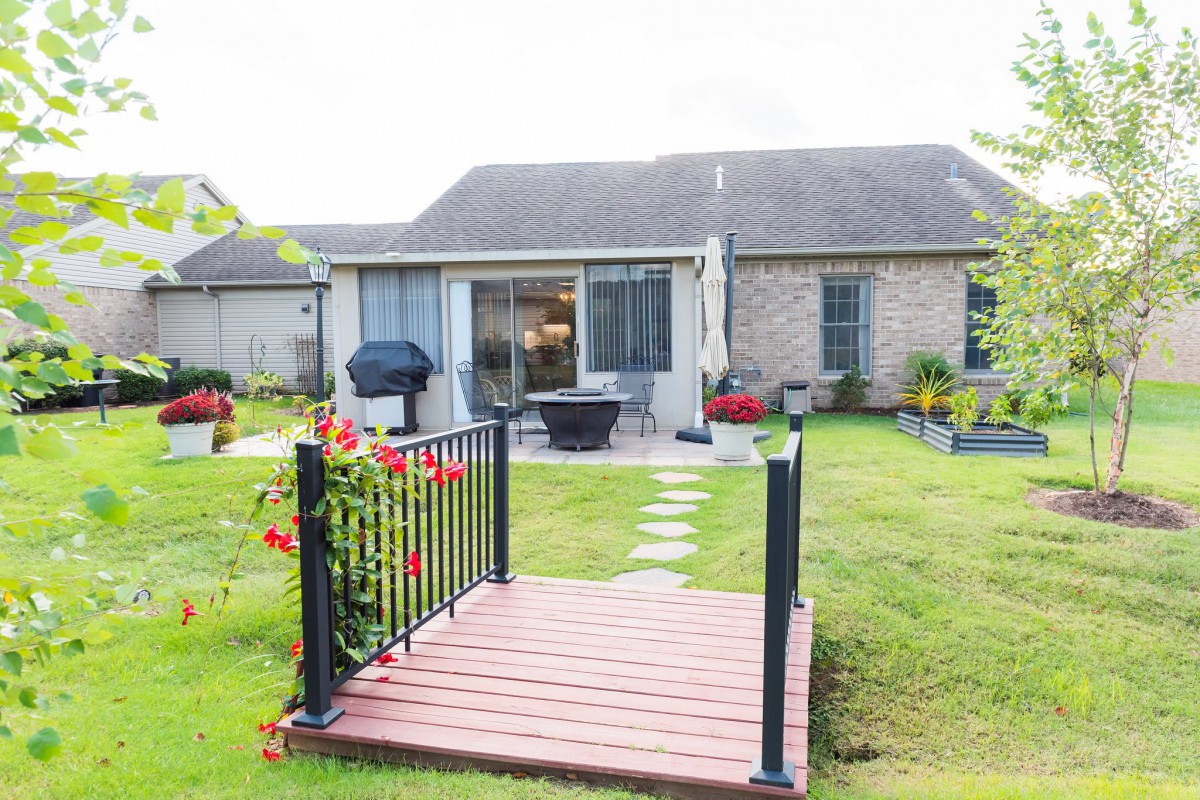
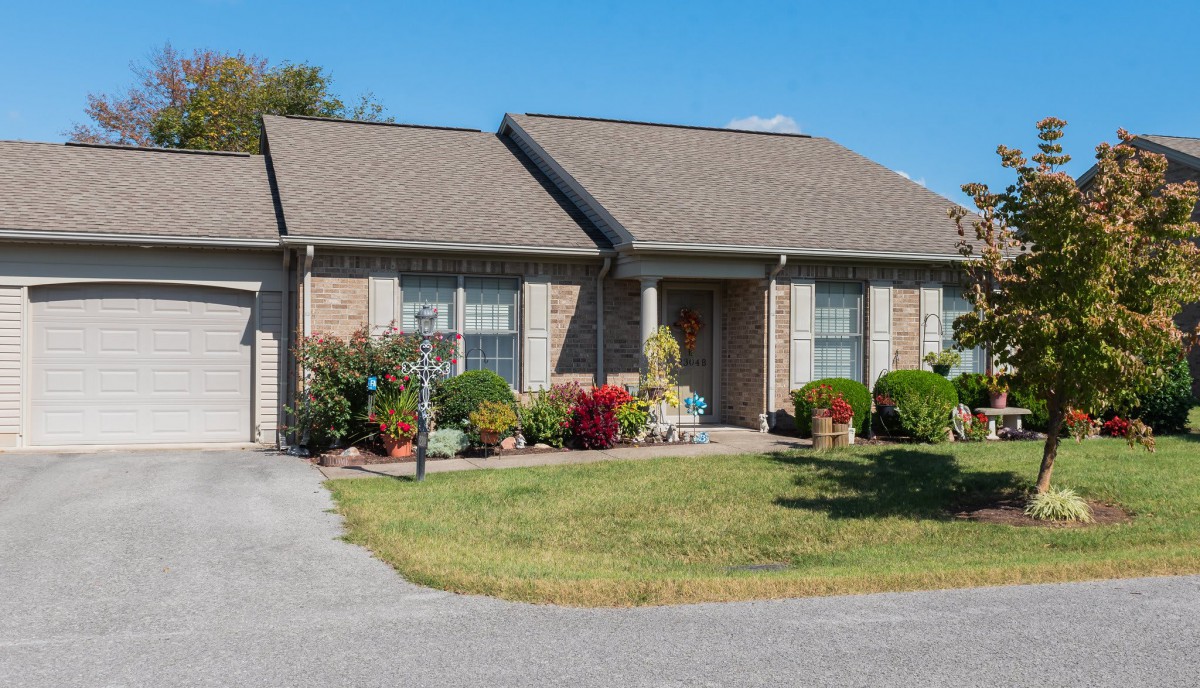
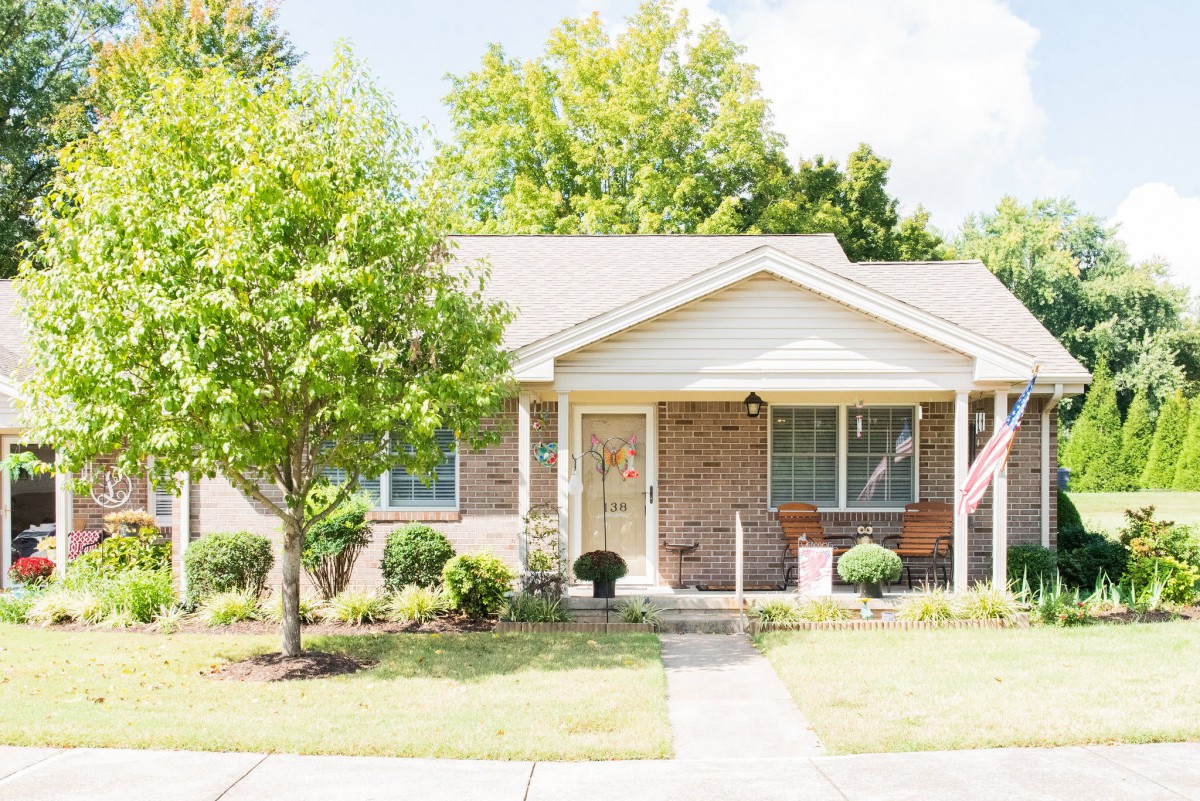
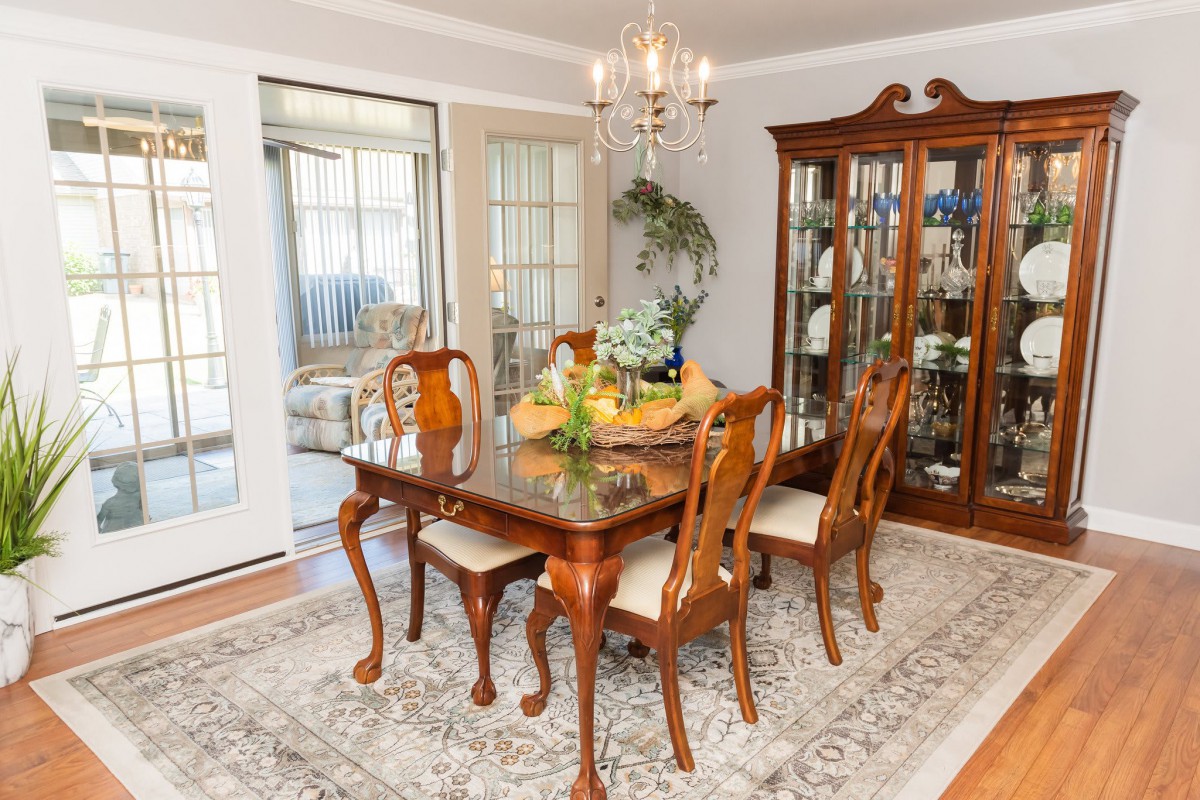
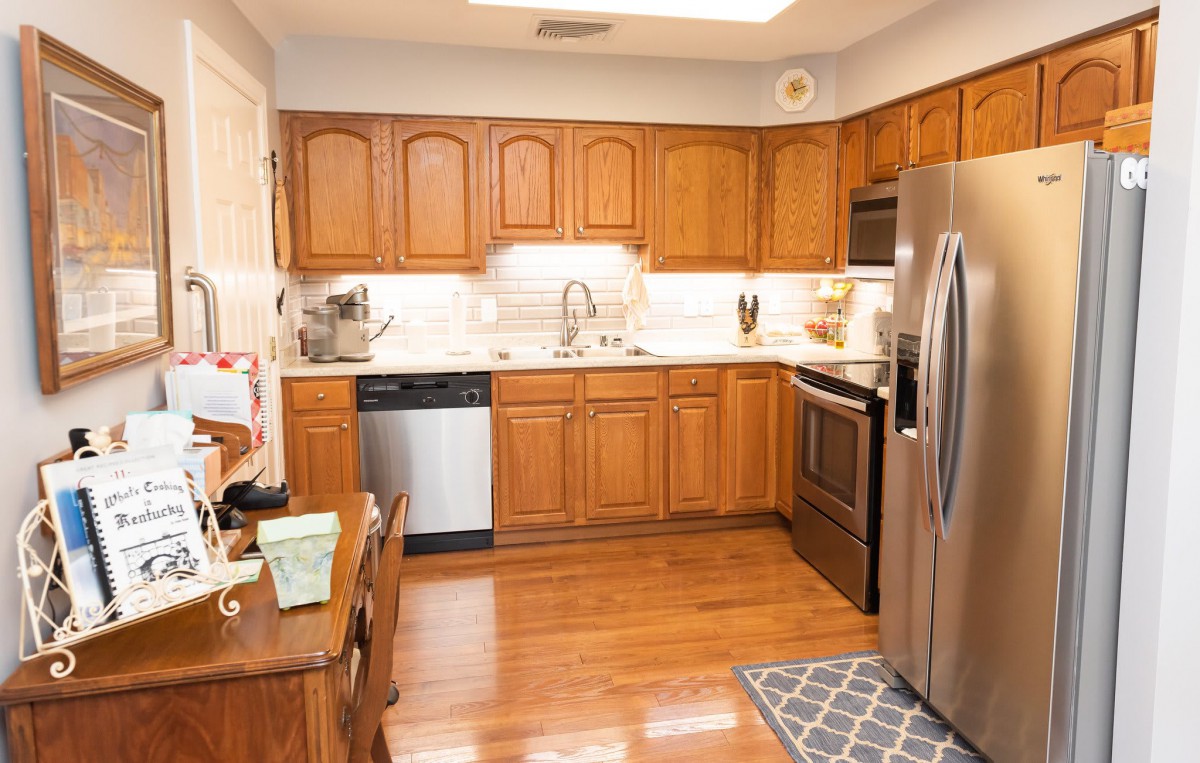
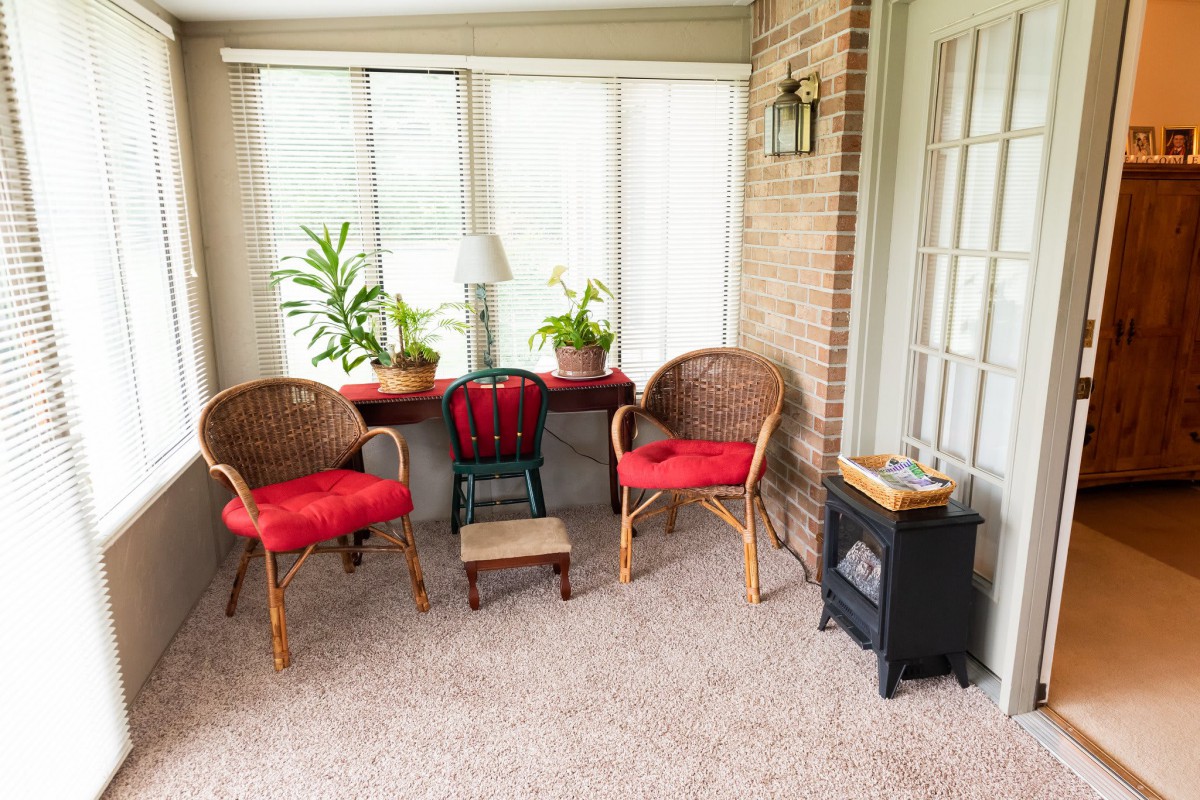
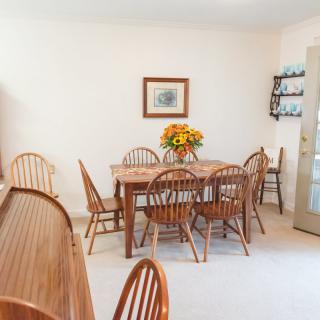
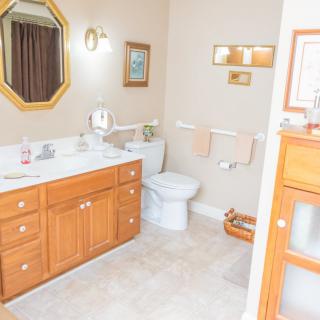
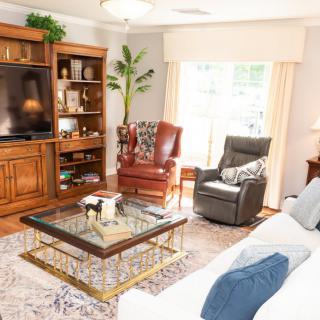
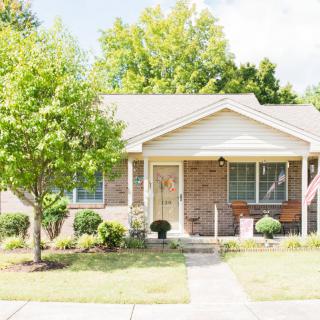
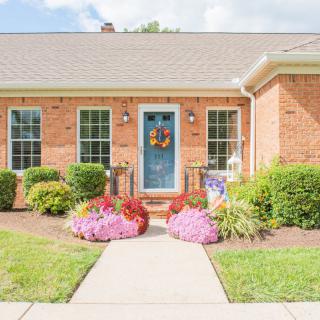
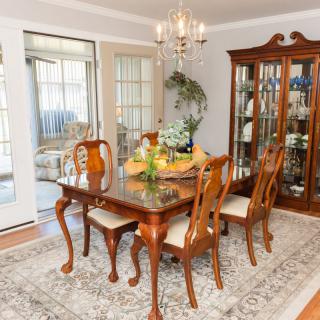
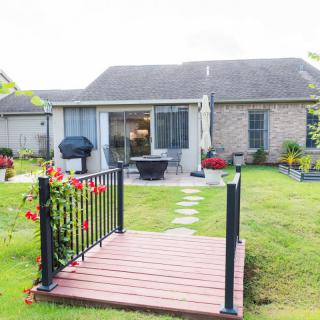
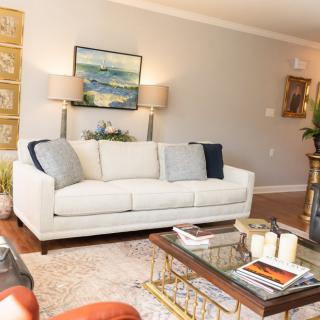
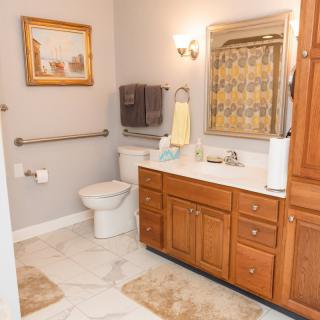
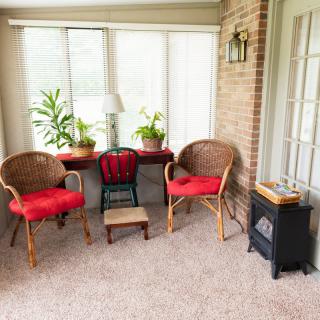
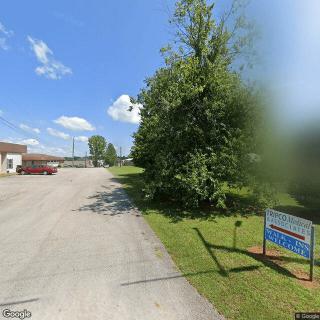
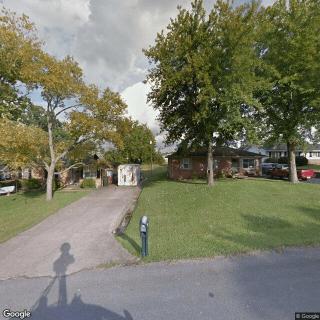
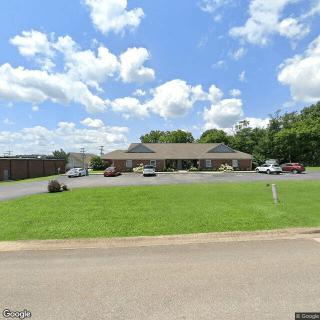
Christian Care Communities Garden Homes in Hopkinsville, KY is best suited for independent seniors who want a home-like living arrangement with reliable light support. The garden-home model places residents in about 1,400 square feet of personal space while providing essential services that ease daily life. The environment emphasizes privacy and autonomy, complemented by practical conveniences such as meals prepared and delivered, window washing, and a dependable maintenance team. Add in tree-lined surroundings and walking trails, and the community becomes a compelling choice for those who value a calm, self-directed lifestyle without sacrificing the security of a well-supported setting.
That said, some families will want to consider alternatives. If the expectation includes intensive on-site medical care, memory care, or round-the-clock nursing assistance, this arrangement may not meet evolving needs. Communities with broader care tiers, larger campuses, or more extensive social programming could be better matches for residents who anticipate requiring more hands-on support or a wider range of activities. Budget dynamics also matter: a garden-home model can deliver cost efficiencies, but alternatives with different fee structures or upfront costs may fit longer horizons of care better. In short, futures should guide the search as much as present preferences.
The strongest positives are direct and concrete. Meal service, the noon meal, as well as cooking and delivery removes the burden of daily meal planning and preparation. The window-washing service and a capable maintenance staff reduce housekeeping chores and maintenance worries, contributing to a safer, more predictable routine. The 1,400-square-foot private residence within a well-kept campus offers both independence and a safety net, which is a meaningful blend for seniors seeking dignity and autonomy with modest support. Taken together, these factors translate into lower stress for families and more consistent routines for residents.
There are no explicit drawbacks voiced in the available impressions, but prudent planners should acknowledge what isn’t described. The absence of criticism about care depth suggests satisfaction with the basic level of support; however, it also signals a potential mismatch for those expecting more comprehensive programming or medical oversight. The key offset is that everyday life remains straightforward and manageable: housing, meals, and maintenance are handled, reducing the need for family intervention. Still, future care trajectories should be considered, and clarity on health-related services should be sought to ensure alignment with long-term expectations.
For families evaluating options, a practical, structured approach is essential. Confirm current needs and anticipate how they may evolve. Inquire about meal specifics, whether dietary restrictions and preferences can be accommodated, and whether there are meal options beyond the noon offering. Clarify how window washing is scheduled and whether access to the home remains stable through seasonal changes. Probe maintenance boundaries, what is included in the “great maintenance staff” scope, such as appliance support or interior repairs, and whether transportation or housekeeping can be customized. Location, pace of life, and proximity to medical resources should be weighed against personal routines and priorities.
Bottom line: this community delivers a practical, value-driven option for independent seniors who prize autonomy, predictable support, and a pleasant outdoor environment in Hopkinsville. The combination of meals, light housekeeping, and attentive maintenance offsets the lack of heavier care services for residents who are content with a home-like footprint and built-in safety nets. Families should feel confident that this option aligns with goals centered on dignity, routine, and manageable daily life. For the right profile, Christian Care Communities Garden Homes earns a clear, encouraging recommendation.
 Active Adult Communities (55+)
 Independent Living
 Cats allowed
 Dogs allowed
 Activities on-site
 Air-conditioning
 Bath tubs
 Beautician on-site
 Devotional services off-site
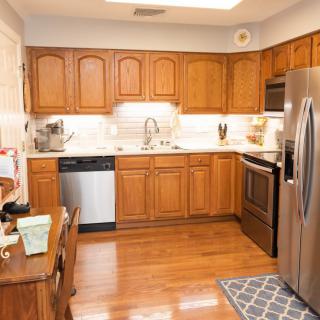
 Full kitchen
 Ground floor units
 Indoor common areas
 Outdoor common areas
 Private bathrooms
 Ambulatory care
 Meals provided
 BBQs or picnics
 Day trips and outings
 Holiday parties
 Live musical performances
 Trivia games
 Visiting chaplain or priest
 Wii bowling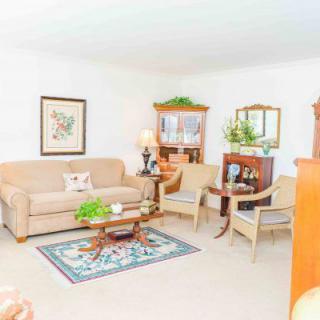



 Weight Training for Seniors: Building Strength and Vitality
 Understanding the Sandwich Generation: Stress and Responsibilities for Multigenerational Caregivers
 8 Essential Assistive Devices for Older Adults