
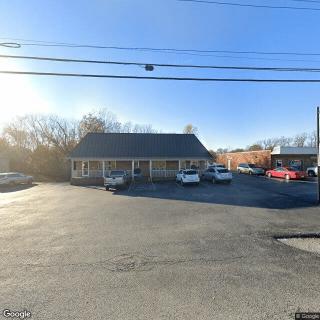
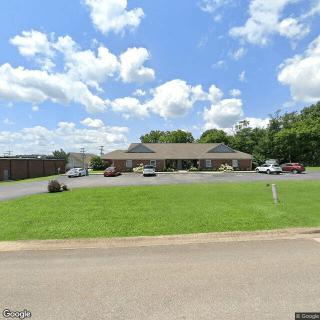
115 Cayce Street, Hopkinsville, KY 42240
For more information about senior living options: (866) 208-4318
Overall Review of Covington's Convalescent Center
Pros
 The facility is beautiful and the staff are loving and caring toward residents.
- The staff truly cares about the residents and about each other.
- The Covington family-owned facility is trusted by families to take care of their loved ones.
- This is a wonderful family-owned company.
- The staff efficiently resolved health concerns, such as clearing a resident’s sore in two days.
- Families feel grateful for the care provided to their loved ones.
Cons
 They hate to hear that the place is closing.
- They are rude and very unprofessional.
- They treat the family members of residents there horribly and boss their residents around as if they owned them.
- They were looking to move their family member out of there to a facility with loving and caring staff who treat each resident with the respect and care they deserve.
Review
Covington's Convalescent Center in Hopkinsville, KY is best suited for families that prize a warm, family-owned care culture where relationships matter and caregiving is hands-on. The setting often feels like a small, close-knit home rather than a large corporate campus, and families repeatedly highlight the Covington name as a trust asset. Residents frequently form long-standing bonds with caregivers, and families speak to the emotional relief of knowing a loved one is in a locally owned operation that has demonstrated personal commitment over years. For those who value a caregiving environment built on personal accountability and a lineage of family involvement, this center can be a compelling fit.
Those weighing alternatives should consider how much weight is placed on formalized processes, explicit resident-rights enforcement, and consistently professional interactions across all staff. If a family needs a facility with very standardized policies, rigorous oversight, and a reputation for uniformly polished communications, a larger or more corporate option may feel more predictable. Additionally, ongoing stability matters: if the prospect of a facility closing or changing ownership is a deal-breaker, prospective residents will want concrete assurances and perhaps a back-up plan elsewhere. In short, those who prioritize rigidity in operations or long-term certainty may want to survey other communities as well.
The strongest positives at Covington's offset some of the more challenging notes. The environment is described as beautiful and comforting, with staff who are genuinely loving and dedicated to residents and to one another. The sense of trust that comes from a family-owned operation translates into meaningful, long-term caregiver-resident relationships, which translates into reliable day-to-day care and a familiar routine for families. Notably, clinical outcomes in at least one case demonstrate effective problem-solving on a tangible health issue, clearance of a sore in two days, suggesting competent, responsive care when a problem arises. These strengths create a compelling value for families seeking emotional reassurance alongside practical care.
Nevertheless, the care culture at times reveals real friction. Instances are cited where families felt the staff were rude or unprofessional, and where residents were spoken to or treated in ways that felt dismissive or controlling. Such reports underscore a risk: even in a well-meaning, family-driven operation, inconsistent staff conduct can erode trust and satisfaction. This tension between warmth and occasional interpersonal missteps matters more when there is ongoing dependence on staff not just for medical needs but for dignity and daily, respectful interactions. The contrast between heartfelt care in some moments and perceived mistreatment in others is the essential flaw to weigh.
Another practical consideration is the signal that the facility may be closing. While closure can reflect external pressures, it directly affects the decision calculus for families with ongoing, long-term needs. Continuity of care becomes the central question: will a loved one have to relocate abruptly, lose established routines, or face the emotional disruption of a move? The positive, intimate care ethos does not automatically shield families from these logistics. Prospective residents should urgently verify the current status, stability, and contingency plans, and should press for guarantees around continuity of care, staffing levels, and notification timelines if any operational changes loom.
Ultimately, Covington's Convalescent Center is a strong choice for families who want a homegrown, relationship-driven care setting, where staff frequently demonstrate care and residents can thrive in a familiar, personalized environment. It is less well suited for those who demand consistently flawless professional interactions across the entire staff corps, or for families who require ironclad assurances against operational disruption. The decision hinges on balancing the value of trusted, long-standing caregiver relationships and tangible clinical responsiveness against the potential for interpersonal friction and the unsettling possibility of service disruption. A thoughtful visit, direct conversations about staff training and resident rights, and clear plans for continuity will clarify whether this community aligns with a given family's priorities.
 72 resident community capacity
 Skilled Nursing Facility
 Air-conditioning
 Beauty salon
 Cable or satellite TV
 Computer center
 Dining room
 Fitness room
 Fully furnished
 Gaming room
 Garden
 Housekeeping services
 Kitchenette
 Move-in coordination
 Outdoor space
 Private bathrooms
 Restaurant-style dining
 Small library
 Telephone
 Wellness center
 Wi-Fi/high-speed internet available
 Community operated transportation
 12-16 hour nursing
 24-hour call system
 Activities of daily living assistance
 Assistance with bathing
 Assistance with dressing
 Assistance with transfers
 Diabetes diet
 Medication management
 Mental wellness program
 Special dietary restrictions
 Concierge services
 Planned day trips



 Highly Beneficial Low-Impact Exercises for Senior Living Residents
 Is In-Home Healthcare Tax Deductible? Your Comprehensive Guide
 Nurturing Well-Being Through Gardening: A Detailed Guide for Senior Enthusiasts