


1381 Campbell Lane, Bowling Green, KY 42104
For more information about senior living options: (866) 208-4318
Magnolia Village Costs & Pricing
Magnolia Village offers a range of accommodation options with varying monthly costs that reflect its unique amenities and services. For semi-private rooms, residents can expect to pay $4,667, which is slightly above the county average of $4,584 but significantly higher than the state average of $3,681. Private rooms are priced at $5,600, aligning with Warren County's rates but still notably exceeding the statewide figure of $4,260. Those seeking a studio will find it to be the most expensive option at Magnolia Village, costing $6,067 - substantially higher than both Warren County's average of $3,931 and Kentucky's average of $3,357. This pricing structure suggests that Magnolia Village positions itself as a premium choice in the region, catering to those who value enhanced living experiences and community engagement.
| Floor plans | Magnolia Village | Warren County | Kentucky |
|---|---|---|---|
| Semi-Private | $4,667 | $4,584 | $3,681 |
| Private | $5,600 | $5,600 | $4,260 |
| Studio | $6,067 | $3,931 | $3,357 |
Overall Review of Magnolia Village
Pros
 Magnolia Village has an abundance of attentive staff with positive attitudes who make families feel welcome at any time.
 - The staff consistently go above and beyond to ensure loved ones are well cared for.
- The new activity director, Renita Hudson, has made a noticeable difference in residents’ moods and participation.
- The nursing and rehab teams are compassionate, patient, and dedicated to residents’ recovery and well-being.
- The facility is described as safe, clean, and well-maintained, with residents and families feeling cared for.
- Thanksgiving events are appreciated, and residents and families enjoy the meals and celebrations.
- The Magnolia Village team is wonderful, always helpful, kind, and genuinely caring.
- Families report that staff are friendly, responsive, and supportive in coordinating care and discharge planning.
- Residents receive personal attention and kindness, with staff providing attentive meals, hygiene care, and daily support.
Cons
 Some of the physical therapy staff seemed put out and bothered by the resident.
- A nurse told visitors to leave after 8:00 pm, saying “these are the rules,” which woke the resident and caused panic.
- The administrator insisted on visiting restrictions as if they were rules and dismissed concerns about legality.
- None of the four emails sent to the facility were acknowledged or responded to.
- During the mom’s stay, the dad was not involved in any treatment or discharge planning.
- The facility’s cleanliness and upkeep were lacking, with run-down furniture, rooms used as storage, and food described as starch-laden and of below-average quality, and hygiene routines not consistently performed.
- The facility had previously been cited for denying family contact and had not corrected the issue.
Review
Magnolia Village in Bowling Green is best suited for families who prize a warm, person-centered care culture where attentive staff and a hands-on approach to daily life are the top strengths. The community consistently earns praise for nursing and rehabilitation teams that seem genuinely committed to residents, and for a caregiving atmosphere that families find reassuring during meals, activities, and routine care. It works well for seniors who need ongoing assistance with activities of daily living, memory support, and post-acute recovery, delivered in a safe, welcoming setting where staff interactions feel meaningful rather than perfunctory. The message from many families is that the human touch , the way staff remember preferences, celebrate small wins, and make residents feel valued , makes Magnolia Village feel like a stable, home-like place to be.
That said, Magnolia Village is not the right fit for every situation. Price considerations are real, with reviewers noting the facility sits above the state average, which prompts a closer look at what the premium buys in terms of upkeep and long-term value. Cleanliness and maintenance are cited with mixed consistency: some visits highlight a clean, well-kept environment, while others point to worn furniture, clutter in spaces, and bathrooms used as storage. A history of visitation policy friction also appears in some accounts, suggesting that leadership and policy enforcement can be uneven. For families that demand a consistently spotless environment, absolute transparency in visitation, and ironclad, uniformly applied rules, alternatives may be preferable.
The strongest offset to these drawbacks is the staff and care culture. Nursing and rehabilitation teams are repeatedly praised for competence, compassion, and hands-on support that feels personalized. The activity program has tangible impact, with activity directors bringing residents into conversations, social moments, and participation that lift mood and engagement, especially for residents with dementia, who begin to re-engage and enjoy social time. Family members consistently report that staff go above and beyond, creating a sense of partnership in care. When the care team is at its best, Magnolia Village convinces families that their loved one is receiving attentive, attentive, dignity-preserving care, which often outweighs concerns about décor or occasional operational bumps.
The resident experience is reinforced by a culture of warmth and responsiveness that families notice during visits and special events. Feedback from families points to good meals, regular interaction with nursing staff, and a management team that shows visible willingness to address concerns. Thanksgiving activities and other family-centered events illustrate a community that values connection with loved ones as part of daily life, not as an afterthought. In short, the day-to-day experience can feel uplifting and respectful, with residents who appear content and staff who remember personal notes and preferences, creating a strong practical case for Magnolia Village when relational care matters most.
Yet the facility’s shorterfalls demand attention. The most acute concerns involve specific staff interactions and policy enforcement, including a nurse who appeared to restrict family presence in a way that caused distress and raised questions about treatment planning involvement. Space and upkeep issues, cleanliness gaps, run-down furniture, and storage in patient areas, also temper the otherwise positive impressions. Food quality and laundry efficiency are cited variably, which matters to families monitoring daily routines. Importantly, administrators have engaged with reviewers and, in certain cases, taken steps to address concerns, signaling a willingness to improve; the question is whether these improvements are consistently applied moving forward.
Bottom line: Magnolia Village is a practical, capable choice for families seeking strong nursing and rehab care, a genuine caregiving culture, and an active social atmosphere that lifts residents’ days. It is essential to verify current visitation policies, tour with a critical eye on cleanliness and space, and speak directly with both the care team and administration about how care planning and discharge processes are handled. For those prioritizing immaculate upkeep or budget-conscious planning, it pays to compare alternatives that promise steadier maintenance or lower costs. For families valuing the human touch, robust clinical care, and meaningful activity programming, Magnolia Village warrants serious consideration and a detailed, on-site evaluation before making a final decision.
 21 resident community capacity
 Skilled Nursing Facility
 Beauty salon
 Cable or satellite TV
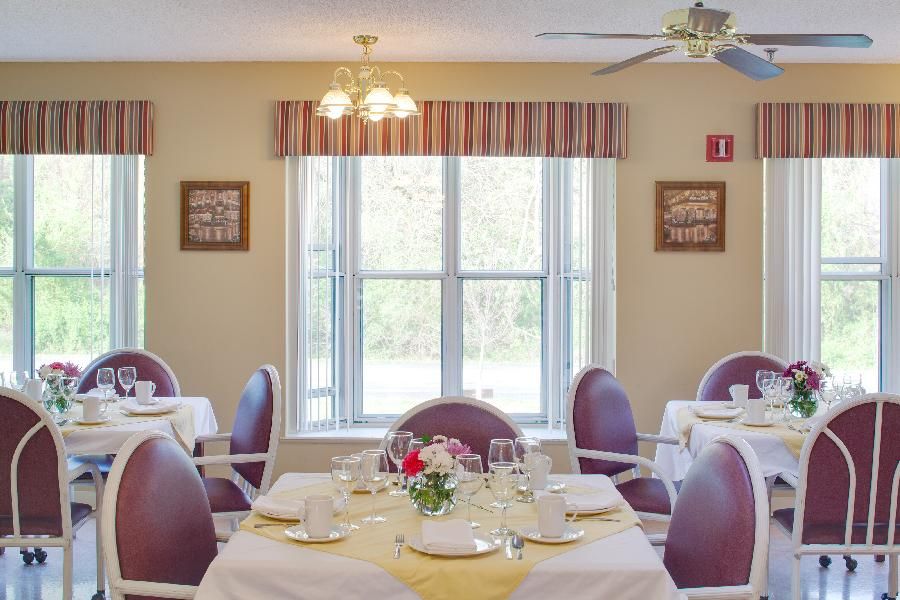
 Dining room
 Fully furnished
 Garden
 Housekeeping services
 Kitchenette
 Move-in coordination
 Outdoor space
 Telephone
 Wi-Fi/high-speed internet available
 24-hour call system
 Activities of daily living assistance
 Assistance with bathing
 Assistance with dressing
 Assistance with transfers
 Diabetes diet
 Meal preparation and service
 Medication management
 Mental wellness program
 Special dietary restrictions
 Transportation arrangement (medical)
 Transportation to doctors appointments








 Top Cars for Senior Drivers and Essential Safety Innovations
 A Closer Look at Private Pay Home Care
 Comprehensive Approaches for Arthritis: A Detailed Guide to Symptoms, Causes, and Care