
1381 Campbell Ln, Bowling Green, KY 42104
To contact a resident: (270) 843-0587
For more information about senior living options: (866) 208-4318
Overall Review of Wellington Parc of Bowling Green
Pros
 Magnolia Village has an exceptional, attentive staff who go above and beyond to care for residents.
- The staff are friendly, caring, and genuinely concerned about each resident and their families.
- The facility is a safe, happy environment where families feel welcome at any time.
- The nursing and rehab teams are knowledgeable, compassionate, and patient.
- The new activity director has made a noticeable difference, helping residents engage and participate.
- Residents are content and enjoy positive interactions with staff and other residents.
- The dining staff are patient and accommodating, ensuring meals are pleasant for everyone.
- Thanksgiving events and other family activities are well organized and meals are tasty.
- Magnolia Village is described by families as a place where loved ones are treated well and valued.
Cons
 Some of the physical therapy staff seemed put out and bothered by the patient.
- A nurse told the family to leave after visiting hours, which woke the patient and caused panic.
- The facility had previously been cited for denying family contact with patients and had not corrected this issue.
- Leadership was described as unprofessional and unethical for not following the law concerning visitation and for not involving the family in treatment and discharge planning.
- The facility was not clean, with run-down and damaged furniture and dirty patient bathrooms used as storage areas.
- The food was starch-laden and of below-average quality.
- Laundry services were less than great.
Review
This community is best suited for families that prize consistently attentive caregiving, strong nursing and rehabilitation services, and a lively, resident-centered culture where staff go out of their way to welcome families and engage residents in meaningful activity. The strongest signal from the feedback is that residents receive patient, compassionate care from caregivers who mix practical help with genuine warmth. When a loved one needs steady daily support, and family members want to feel involved and reassured, this environment tends to deliver reliability, clear routines, and a sense of safety reinforced by a staff that communicates with families and celebrates small milestones.
Those weighing alternatives should consider options that prioritize flawless upkeep, modern aesthetics, and highly predictable administration. While the care team often shines, some reviews point to inconsistent cleanliness and dated spaces, with furniture and storage practices that leave certain areas looking worn. Price sensitivity is another practical factor: one family notes the facility sits above the state average, which means evaluating whether the perceived value aligns with the budget. For families who demand uniformly pristine environments and a fully transparent, uniformly applied policy framework, exploring other communities may be prudent.
On the upside, nursing and rehab care stands out as the core strength. The staff’s willingness to advocate for residents, the depth of hands-on support during meals and therapy, and the earnest engagement of activity staff create a daily texture of comfort and progress. The rehab team in particular is praised for patience and effectiveness in helping residents regain mobility, while activity programming, driven by dedicated coordinators, helps dementia and dependent residents participate more fully in campus life. A resident’s mood and engagement can noticeably improve when activity leadership connects with individual preferences, a theme that repeatedly appears in commendations.
Yet the experience is not without its knots. Several reviewers recount friction around visitation and family involvement in care decisions, including an instance where a nurse asserted rigid visiting rules and a leadership episode that raised concerns about follow-through with family input. Several comments suggest that oversight and responsiveness at the administrative level can vary, and past instances of restricted family contact have prompted formal queries with ombudsmen. Hygiene and housekeeping issues ride alongside these concerns, with reports of inconsistent cleaning, cramped or storage-heavy bathrooms, and certain spaces that feel less cared for than others. Food quality is described as variable, occasionally starch-heavy or less than fresh, adding another dimension to the overall impression of the physical environment.
These strengths and weaknesses do not exist in isolation; the pros can substantially offset the cons when the right safeguards are in place. Exceptional nursing and rehab care, paired with a culture of respect for residents and openness to family involvement, can shield families from the sting of less-than-ideal maintenance or occasional policy friction. The practical takeaway is clear: where staff stability, genuine compassion, and proactive rehab progress are strong, families gain peace of mind about safe daily living and meaningful activity. The occasional leadership gaps or upkeep concerns become manageable with proactive, documented communication and ongoing quality checks.
For families evaluating Wellington Parc, the decision should hinge on a calibrated assessment of care quality versus environment and policy transparency. Priorities should include confirming current staffing levels, especially in nursing and rehab, verifying cleaning protocols and space maintenance, and obtaining a candid picture of how family input is integrated into treatment planning and discharge processes. Schedule face-to-face meetings with the administrator, the director of nursing, and the activities director to probe how they handle escalation, open visiting policies, and routine quality improvements. If compassionate, hands-on care and a warm community vibe are non-negotiable, and budget aligns with perceived value, this type of community can fulfill those expectations, provided the administrative systems keep pace with the care on the floor.
 Memory Care
 Skilled Nursing Facility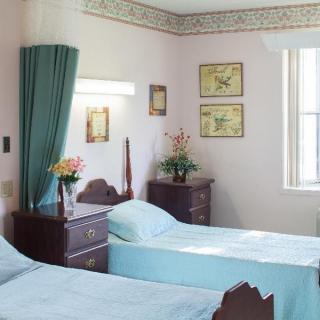







 Comprehending Evening Confusion in Dementia: Causes, Manifestations, and Support
 Delirium and Dementia: Unraveling the Key Differences
 Are Dementia and Alzheimer's Disease Lethal? A Comprehensive Exploration