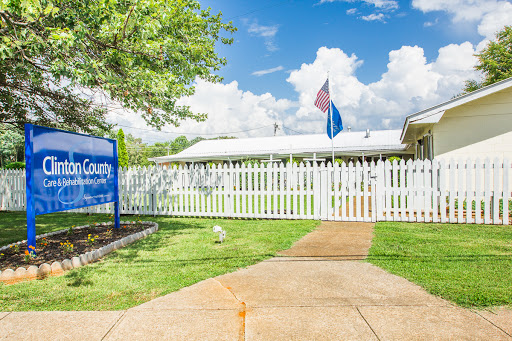
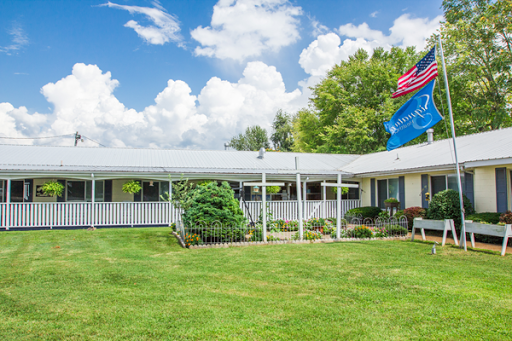
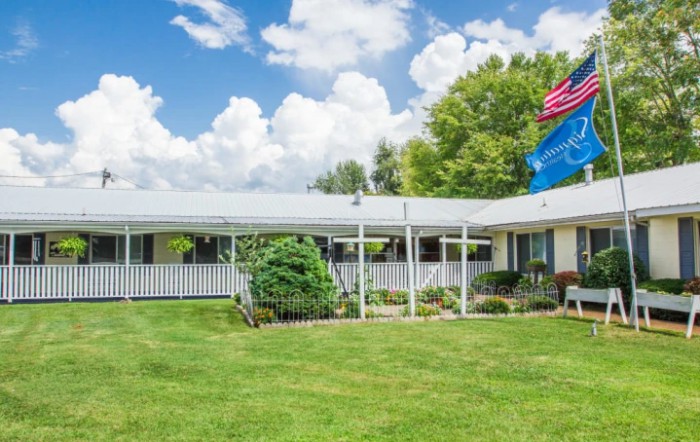
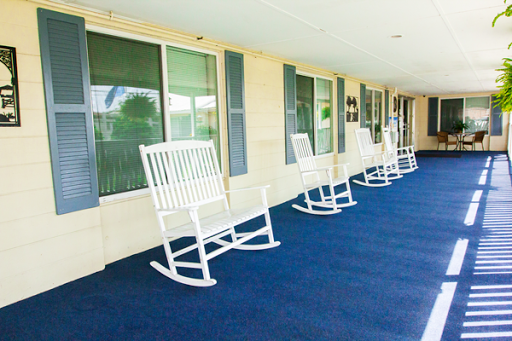
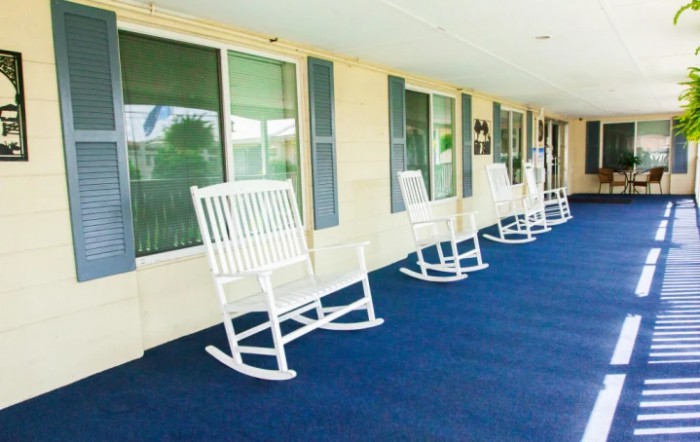

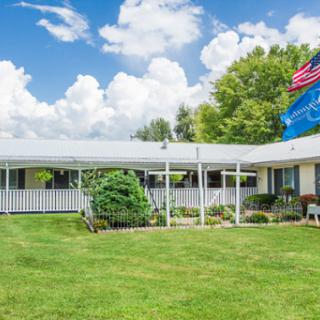

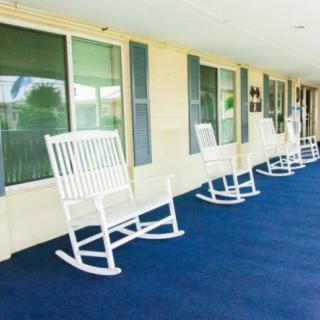
404 North Washington Street, Albany, KY 42602
For more information about senior living options: (866) 208-4318
Overall Review of Clinton County Care And Rehabilitation Center
Pros
 The staff work hard, are dedicated, and take pride in their jobs.
- They truly have a passion for caring for others and go above and beyond to meet the elders' needs.
- The facility may be small, but that makes it feel like home.
- The physical plant is dated, yet the love for the elders is tangible and the care is top-notch.
- Clinton County Care & Rehab is a great place to work and a happy home for elders; each elder is treated like family.
- They are a great team of dedicated healthcare professionals who provide compassionate care.
- The staff are welcoming to all new staff and residents, making everyone feel like family.
- Residents become part of the family and enjoy close relationships with those who care for them.
- Elders are spoiled and loved, and long-tenured staff care about them.
- It feels like home, with smiling staff who put elders first.
- They provide really good care and services to residents and the community.
- The facility and its staff go above and beyond to support residents and their families.
Cons
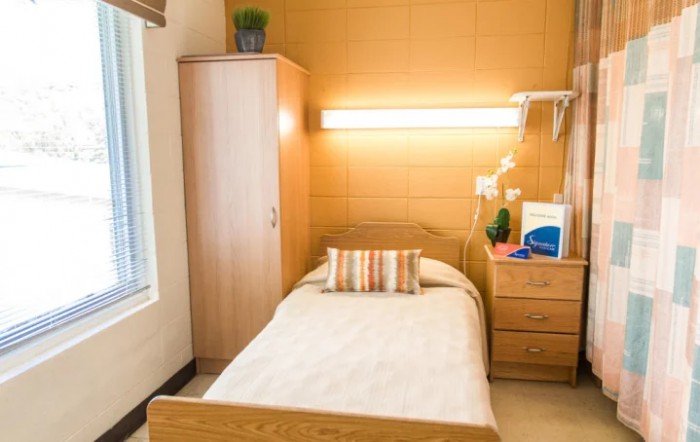
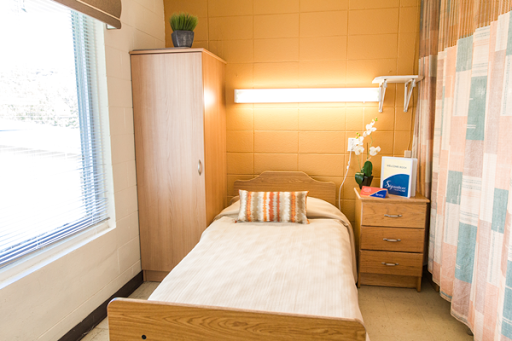
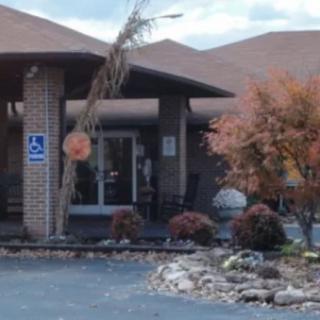
 The physical plant is very dated.
- It lacks size and age of the building.
Review
Clinton County Care and Rehabilitation Center in Albany, KY is best suited for seniors who want a small, home-like environment where caregivers know residents by name, treat them like family, and prioritize genuine, compassionate care over showroom polish. This community rewards families who value personal attention, continuity, and a warm, relational atmosphere. It’s especially well-matched for elders who thrive in close-knit settings where staff stay long-term and take pride in daily interactions that feel personal rather than transactional.
Those weighing alternatives should consider options with a larger footprint or more modern infrastructure if certain priorities matter. A bigger campus can offer a wider range of on-site amenities, more expansive activity programming, and possibly a broader network of specialists. If a newer facility with contemporary design, more expansive dining and common areas, or a broader range of immediately accessible therapy and medical resources is essential, other communities may present a better fit. The current building’s age and size are meaningful trade-offs for many families.
From the positive side, the facility earns its strong reputation through a clearly dedicated staff and leadership team. Reviews repeatedly describe caregivers as passionate, thoughtful, and genuinely invested in residents’ well-being. The care culture feels like a family affair, with residents commonly described as being treated with kindness, respect, and a level of attention that goes beyond routine duties. In a smaller setting, the staff-to-resident ratio translates into meaningful daily contact, which translates to visible safety, comfort, and responsiveness for those with complex nursing or rehabilitation needs.
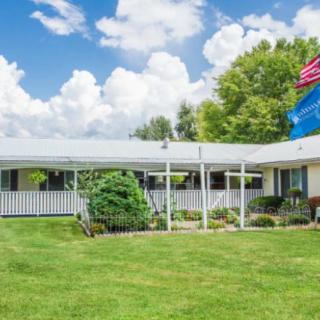
The primary drawbacks center on the physical plant and scale. The building is dated, and the footprint is small, which naturally limits the pacing and range of certain amenities and activities one might expect in a larger, newer facility. For families that equate comfort and safety with the newest architecture or an abundance of on-site spectacle, these realities matter. The absence of expansive spaces can also curb the capacity for oversized group programs or rapid expansion of services if resident needs shift significantly.
Yet the advantages of a tight-knit, attentive care team often offset these drawbacks. Long-tenured staff contribute to a stable, trustworthy environment where caregivers know residents’ histories, preferences, and routines. That continuity reduces confusion for memory-impaired residents, supports more accurate care planning, and fosters deeper family involvement because the care team becomes familiar with family members as well as residents. Leadership that expresses genuine pride in the facility and its people further reinforces a culture of compassionate accountability, which matters when navigating ongoing rehabilitation or nursing needs.
Ultimately, this community is a compelling choice for families prioritizing warmth, personal connection, and consistent caregiving over sleek facilities or sprawling campuses. It’s an excellent match for elders who thrive with routine, prefer intimate settings, and value caregivers who consistently go “above and beyond” to make each resident feel at home. For those who must balance modern amenities and broader service arrays with housing, medical resources, and activity breadth, it’s wise to compare options that foreground contemporary infrastructure and larger-scale programming. A thoughtful decision will hinge on aligning care goals with the realities of a small, deeply caring environment, and visiting to observe how residents and staff interact in real time.
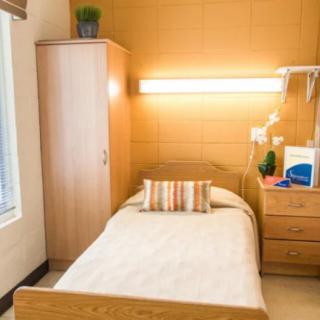
 52 resident community capacity
 Skilled Nursing Facility
 Air-conditioning
 Beauty salon
 Cable or satellite TV
 Computer center
 Dining room
 Fitness room
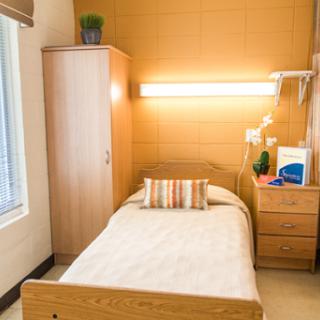
 Fully furnished
 Gaming room
 Garden
 Housekeeping services
 Kitchenette
 Move-in coordination
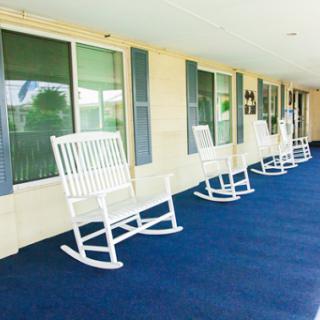
 Outdoor space
 Private bathrooms
 Restaurant-style dining
 Small library
 Telephone
 Wellness center
 Wi-Fi/high-speed internet available
 Community operated transportation
 12-16 hour nursing
 24-hour call system
 Activities of daily living assistance
 Assistance with bathing
 Assistance with dressing
 Assistance with transfers
 Diabetes diet
 Medication management
 Mental wellness program
 Special dietary restrictions
 Concierge services
 Planned day trips


 Is a Geriatric Care Manager the Right Choice for Your Family?
 Compassionate Conversations: How to Comfort Someone Who Is Grieving
 Home Health Care Aides: Understanding Their Role and Supporting Your Family