


2400 South West Urish Road, Topeka, KS 66614
For more information about senior living options: (866) 208-4318
Overall Review of Rolling Hills Health Center
Pros
 The staff were caring and attentive.
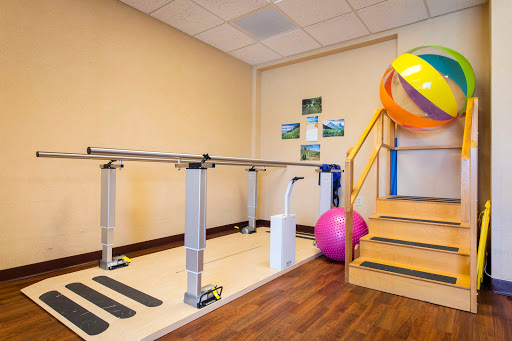
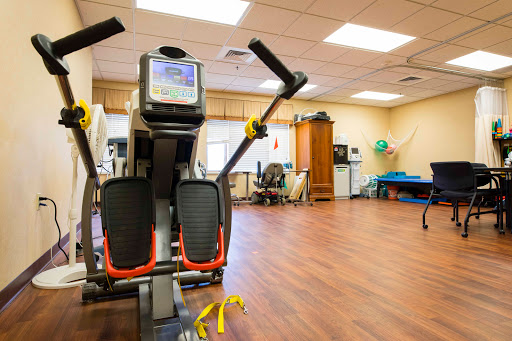
- The therapy personnel were very good and friendly.
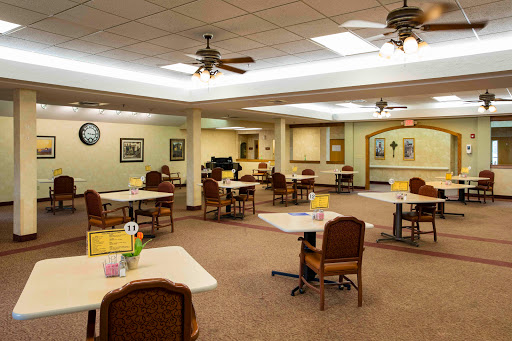
- The food was very good and the meals are great.
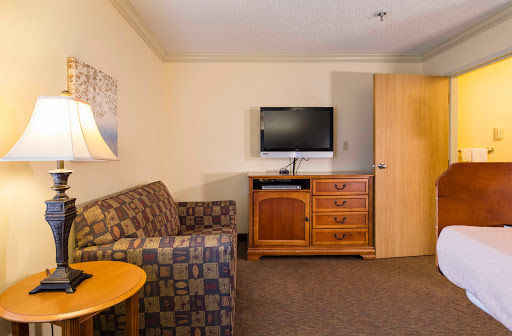
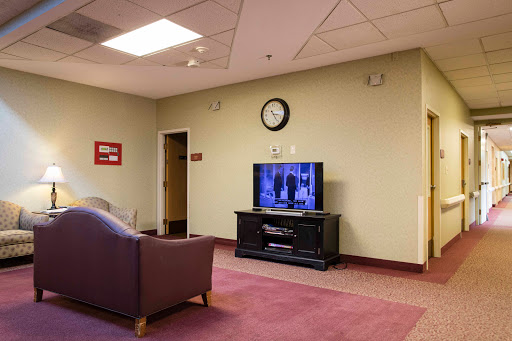
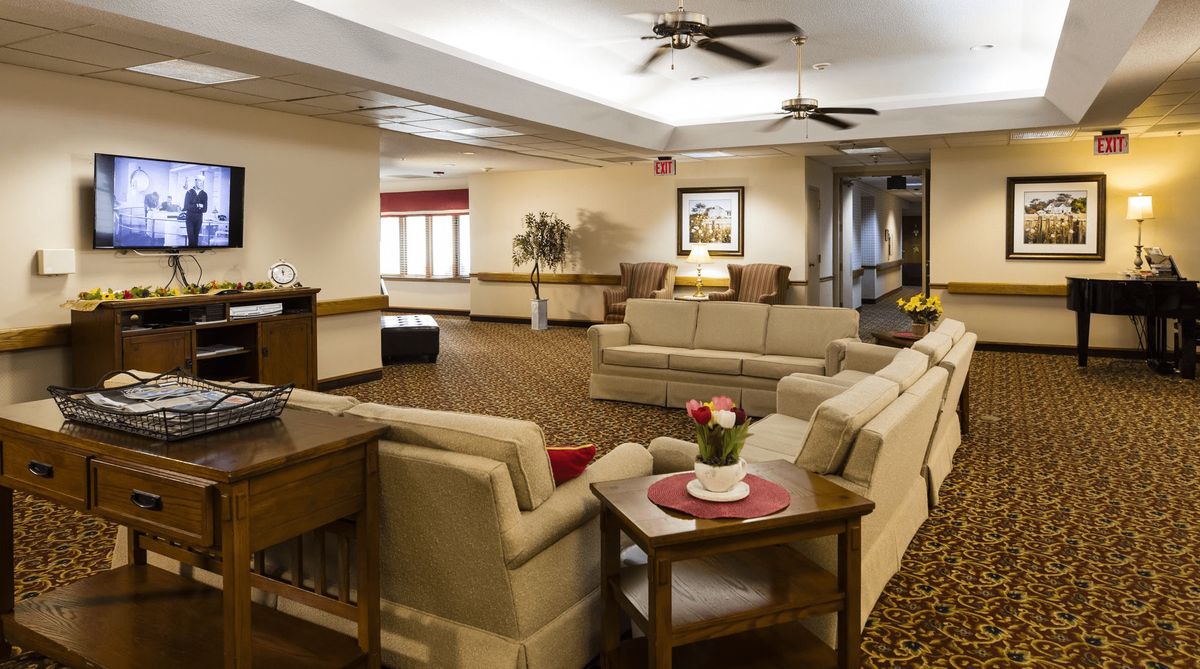
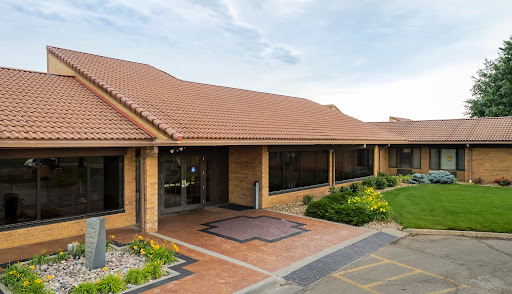
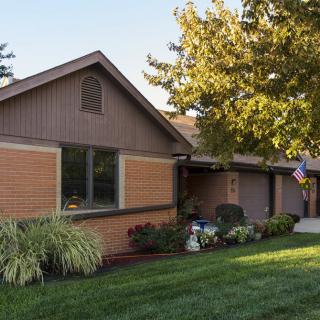
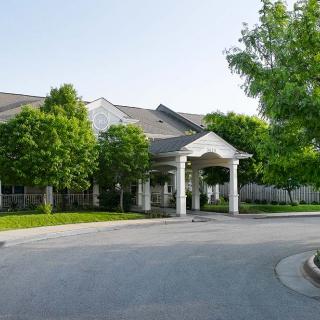
- The facility was clean and well maintained.
- Every patient was treated kindly by the staff.
- Aides and nurses spoke cheerfully and caringly when entering rooms.
- Family members could join in for a meal for $3 with advance notice.
- Rolling Hills Health Center is described as a great place.
Cons
 The facility smelled bad; the kitchen overpowered the residents’ smell, and when not cooking it smelled like old people.
- They brought the resident the wrong food and did not administer her shots on time.
- It was not a good experience.
- They messed up her food and her medicine; she could have died there.
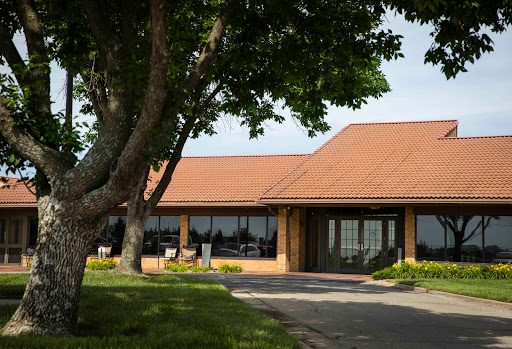
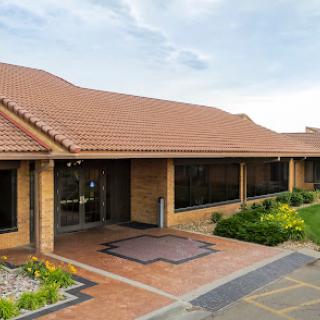
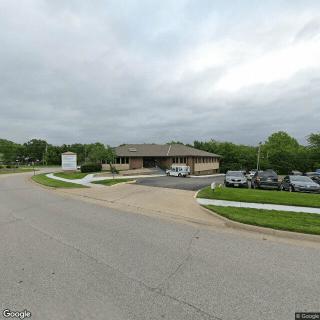
- The facility was older and smaller than other options.
- There were delays in care, and it sometimes took far too long for help to arrive due to staff shortages.
Review
Rolling Hills Health Center in Topeka is best suited for seniors who value a small to mid-sized, personally attentive environment where staff engagement feels real, meals are well-regarded, and Medicaid coverage makes care affordable. It suits residents who have encountered health setbacks and want a facility that can mobilize therapy and daily support with warmth. The community seems especially appropriate for families seeking a place where aides and nurses know residents individually, and where a caregiver-first culture can translate into steady, dependable care during transitions. Those who prize relational care over sprawling campuses will find Rolling Hills a compelling fit.
The strongest advantages are tangible and recurring: consistently caring, attentive staff; friendly therapy personnel; and meals that residents and family members praise. Reviewers repeatedly noted that staff greet patients cheerfully, engage with kindness, and maintain a clean environment. The dining experience is frequently described as a highlight, with meals deemed satisfying and even a welcome option for families who join in at modest cost. When a loved one deteriorates, the team often rises to the occasion with focused, ongoing care. For families prioritizing a respectful, personable atmosphere, these positives are hard to overlook.
Nonetheless, notable drawbacks temper the overall picture and warrant careful consideration. Several reviews describe instances of missteps around food and medication, including forgotten or mis-timed meals and injections, which can become dangerous in vulnerable residents. Odors and an older facility feel are cited in some accounts, and the building’s smaller footprint, roughly 30 rooms, can limit the scope of services and ease of movement during busy periods. More than one account points to delays in help when call buttons are pressed, suggesting that staffing levels may lag at peak times, particularly around meals or room-to-dining transitions. These gaps are real enough to influence daily comfort and safety.
The balance of pros and cons suggests Rolling Hills excels in caregiving warmth, nutrition, and a responsive posture during crises, while it struggles in consistency of day-to-day operations that hinge on steady staffing. The compassionate culture and high-quality meals provide meaningful offset to some concerns, especially for families who fear impersonal care or who crave a homey routine. A smaller, neighborly setting can foster trust and open communication, making it easier to observe care closely and advocate effectively. Yet the same small size and staffing variability that support personal attention also heighten the risk of delayed assistance and occasional medication handling issues.
Certain families may want to consider alternatives if these conditions matter greatly: those whose priorities include ultra-rapid response times at all hours, seamless medication management with strict rigor, or a facility with more extensive medical specialty capabilities. A larger campus or a community with a proven track record of zero-tolerance for med errors and consistently timely bell response may align better with residents who require intensive daily monitoring or complex medication regimens. For residents who insist on the very newest amenities and a broader suite of services, Rolling Hills’ older, compact footprint may feel limiting.
Practical next steps in evaluating Rolling Hills are straightforward and disciplined. Schedule multiple visits at different times of day to observe call-light response and staff interaction in real time. Request to review the facility’s medication management policies, incident logs, and how meals are prepared and delivered to different residents. Speak directly with the charge nurse or administrator about staffing levels during peak hours and after shifts, and ask for a recent resident or family reference to gauge consistency. Verify current Medicaid status and coverage specifics, and confirm that there is a plan for ongoing therapy and rehabilitation aligned with the resident’s health trajectory. With diligence, families can determine whether Rolling Hills will deliver the dependable, caring home they seek or whether another option better aligns with higher-stakes needs.
 102 resident community capacity
 Continuing Care Retirement Community (CCRC)
 Skilled Nursing Facility
 Air-conditioning
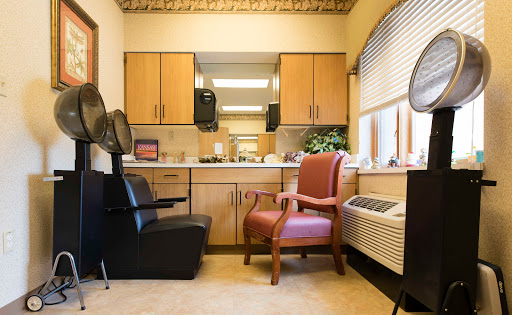
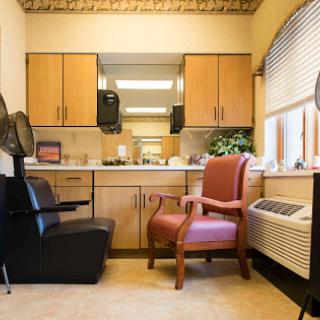
 Beauty salon
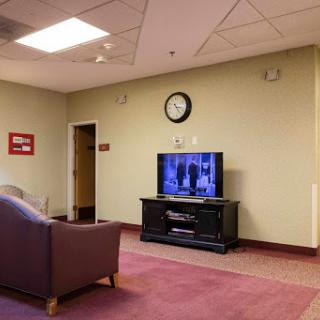
 Cable or satellite TV
 Computer center
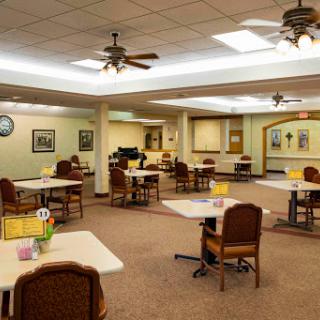
 Dining room
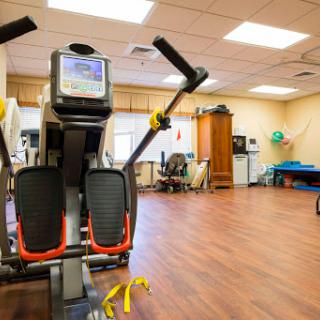
 Fitness room
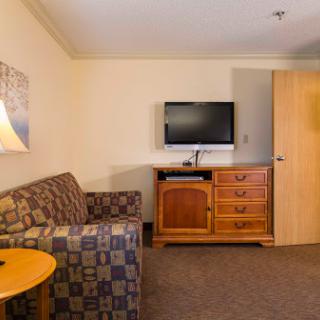
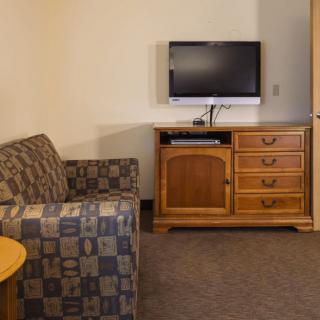
 Fully furnished
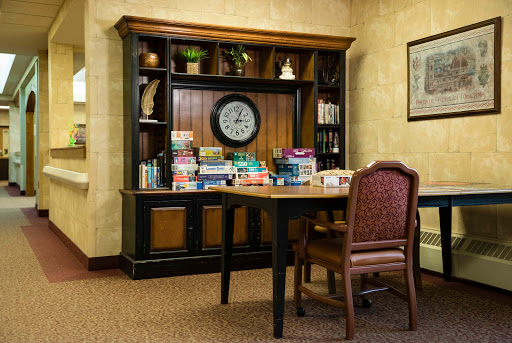
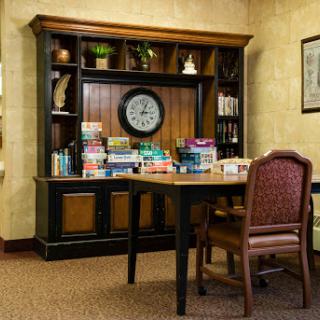
 Gaming room
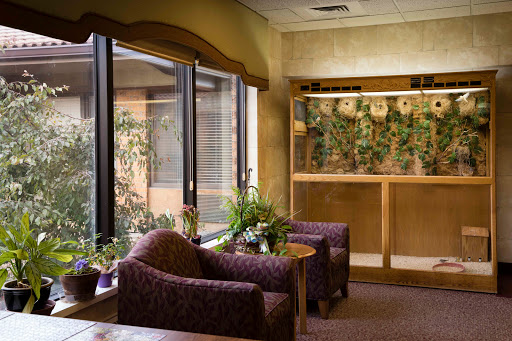
 Garden
 Housekeeping services
 Kitchenette
 Move-in coordination
 Outdoor space
 Private bathrooms
 Restaurant-style dining
 Small library
 Telephone
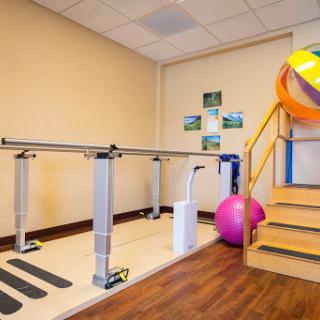
 Wellness center
 Wi-Fi/high-speed internet available
 Forbes (8 miles away)
 Community operated transportation
 12-16 hour nursing
 24-hour call system
 Activities of daily living assistance
 Assistance with bathing
 Assistance with dressing
 Assistance with transfers
 Diabetes diet
 Medication management
 Mental wellness program
 Special dietary restrictions
 Concierge services
 Planned day trips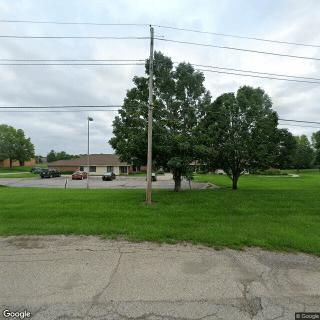




 8 Essential Assistive Devices for Older Adults
 Navigating the Financial Road to Nursing Home Care: In-Depth Guidance and Resources
 Supportive Employee Benefits That Help Caregivers Attain Better Work-Life Harmony