
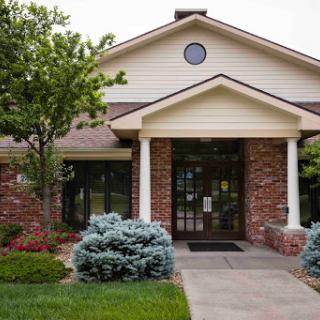
2410 South West Urish Road, Topeka, KS 66614
For more information about senior living options: (866) 208-4318
Overall Review of Rolling Hills Assisted Living
Pros
 The staff at this facility are very friendly.
- The guide is gracious and forgiving.
- The staff kept a plate hot for the late guest.
- The food here is quite tasty.
- The staff are personable and genuinely engaged with residents.
- Residents seemed to enjoy having so much going on.
- The reviewer would definitely recommend the facility.
Cons
 There is no move-in date because Medicaid paperwork for Kansas takes time.
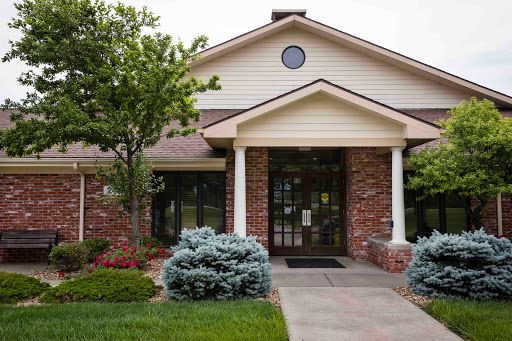
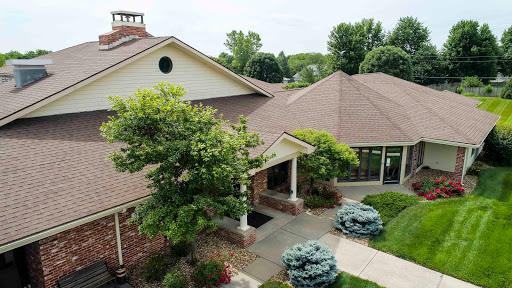
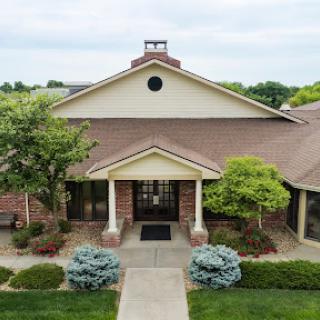
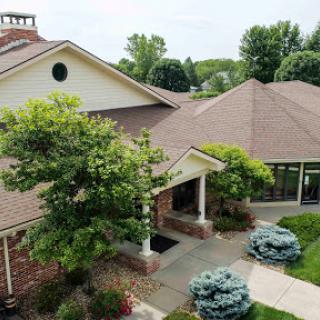
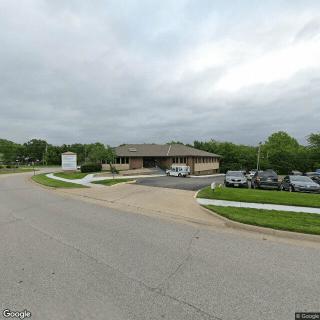
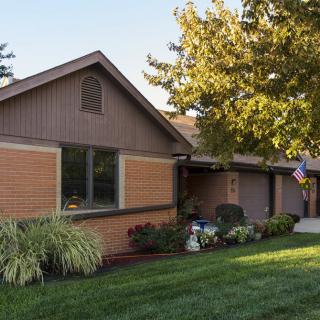
- The facility is located in an older building in a less-developed, nearly-rural area.
- It may not be the best option for residents with very high care needs.
Review
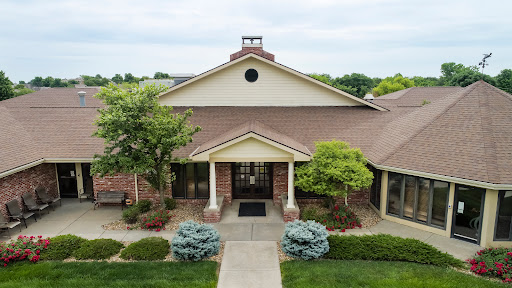
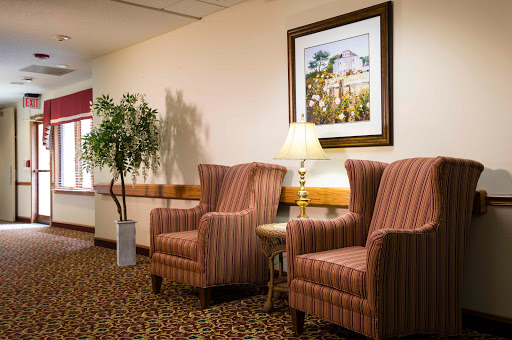
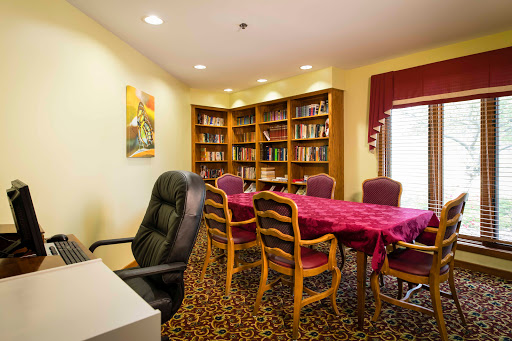
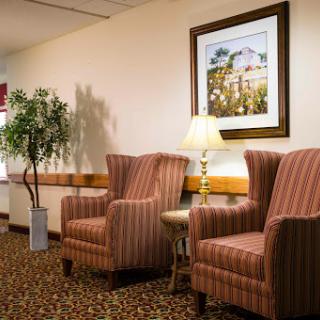
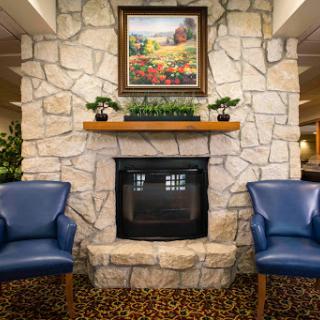
Rolling Hills Assisted Living in Topeka is best suited for seniors who want a small, home-like setting where personal connections matter and daily life feels neighborly. This community shines for residents who are mostly independent but welcome a continuum of support as needs evolve, help with meals, transportation, and light caregiving can be readily available without turning the campus into a hospital-like environment. The vibe is intimate and consistently warm, with a 30-apartment footprint that encourages genuine staff-resident bonds and easy socializing. It will appeal to families prioritizing a welcoming, family-friendly atmosphere over a slick, large-scale campus. For those seeking cutting-edge amenities or a high-acuity medical model, this is probably not the right fit.
Those who may want to consider alternatives include residents with very high care needs or memory-care requirements. The facility’s smaller size and older building, while charming, suggest limited on-site nursing depth and specialty programming relative to larger, purpose-built communities. The surrounding area is described as less-developed and nearly rural, which can be a drawback for families prioritizing proximity to hospitals, pharmacies, or major shopping. Additionally, when move-in hinges on paperwork such as Medicaid qualification, timelines can stretch, complicating families that need a rapid transition or that are juggling other caregiving arrangements.
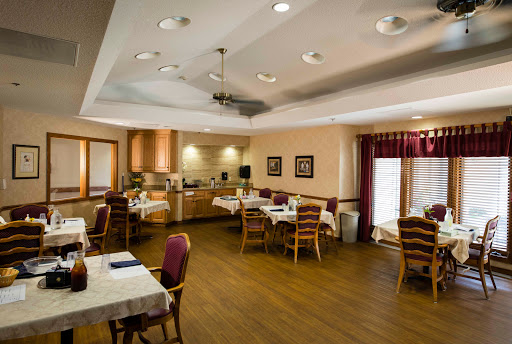
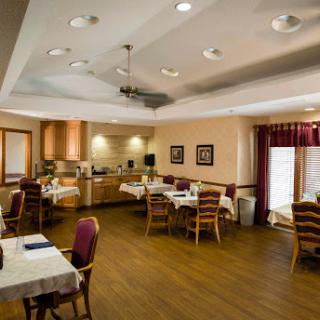
The strongest pros here are the personal, attentive touch of the staff and the palpable social energy. Reviewers note staff friendliness and genuine engagement, with a sense that staff know residents as individuals rather than as room numbers. The menu and mealtime experience also stand out, described as tasty and handled with care, which counters any concern about a less modern kitchen. The communal life is lively, lunch hours, spontaneous family visits, and even pets and grandchildren joining residents in the main area, painting a picture of a vibrant, inclusive community where residents remain connected to loved ones and activities. Those factors help offset the potential drawbacks of size and aging infrastructure.
The facility’s size and setting, however, do temper expectations in meaningful ways. A 30-apartment campus naturally means a tighter staff-to-resident dynamic and fewer on-site resources for elevated medical needs. The older building and more rural location may translate to limited accessibility features, fewer specialized memory-care options, and slower access to urgent care or hospital-based services than a larger urban campus. Yet the upside is a remarkably personalized experience: residents who still drive, own pets, or maintain part-time work can often continue those routines with staff support, creating a sense of ongoing independence that can be harder to maintain in bigger facilities.
For families evaluating this option, several practical steps can anchor the decision. Seek a clear picture of the acuity levels rolling Hills can accommodate day-to-day and how staffing levels scale during peak activity periods. Request to meet caregivers and observe how staff interact with residents, not just during meals but across activities and casual moments. Ask about the pace and structure of social programming, and whether there are dedicated spaces for pets, family visits, or outside activities. Confirm the logistics around Medicaid qualification and move-in timing to avoid unnecessary delays, and verify if there are alternative pathways for quicker transitions if needed. In short, Rolling Hills serves best when warmth, connection, and a sense of community are the top priorities, with the understanding that highly advanced medical supervision and modern, expansive facilities are better sought elsewhere.
Ultimately, Rolling Hills Assisted Living remains a strong option for families seeking a modest, neighborly community where staff truly know residents and daily life overflows with companionship and accessible activity. It is an especially good fit for those who value personal attention, a livable home atmosphere, and the ongoing ability for residents to maintain independence within a supportive framework. For anyone whose top priority is robust medical coverage, rapid access to specialized care, or a newer building and campus footprint, alternatives should be compared, with a focus on acuity capabilities, proximity to care, and the availability of memory-support programming. A thoughtful visit will reveal whether the intimate charm and engaged culture align with the resident’s care needs and family goals.
 38 resident community capacity
 Studio apartments
 Assisted Living
 Skilled Nursing Facility
 Cats allowed
 Dogs allowed
 Activities on-site
 Air-conditioning
 Bath tubs
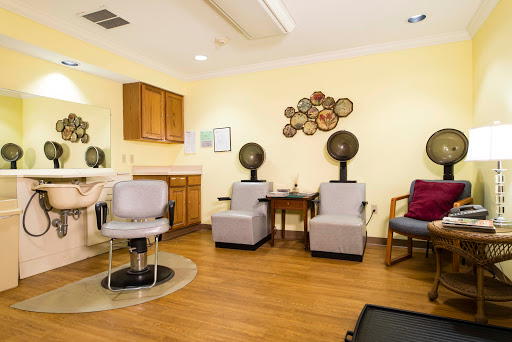
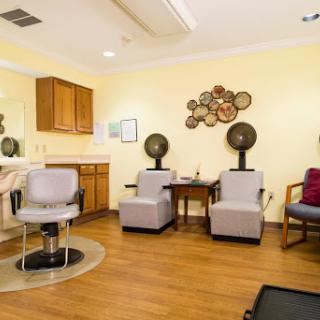
 Beautician on-site
 Cable or satellite TV
 Devotional services off-site
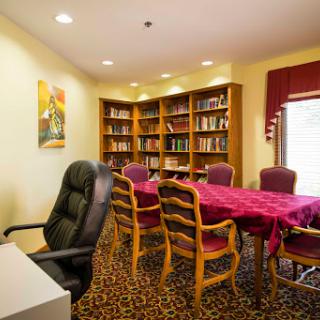
 Dining room
 Fully furnished
 Garden
 Ground floor units
 Handicap accessible
 Housekeeping services
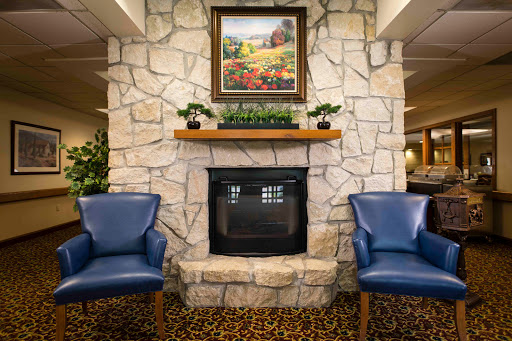
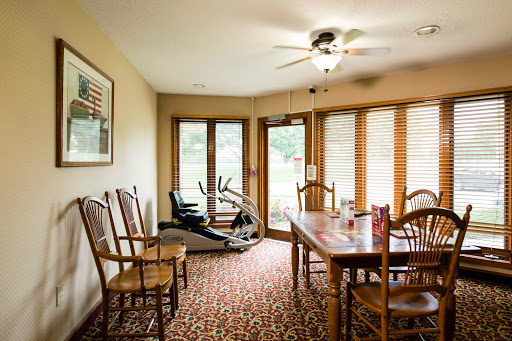
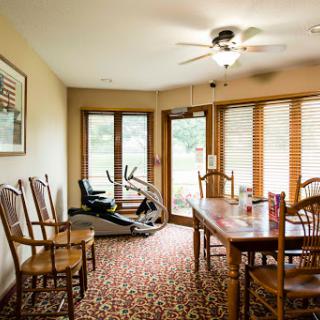
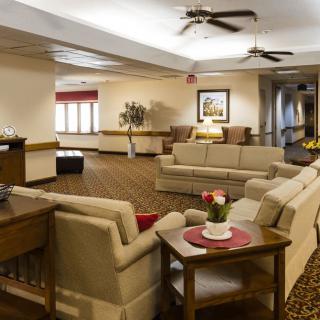
 Indoor common areas
 Kitchenette
 Laundry
 Move-in coordination
 Outdoor space
 Respite or short term stays offered
 Telephone
 Wheelchair accessible showers
 Wi-Fi/high-speed internet available
 Forbes (8 miles away)
 24-hour call system
 Ambulatory care
 Assistance with bathing
 Assistance with dressing
 Assistance with transfers
 Diabetes diet
 Diabetic care
 Incontinence care
 Meal preparation and service
 Medication management
 Mental wellness program
 Special dietary restrictions
 Transportation arrangement (medical)
 Transportation to doctors appointments
 BBQs or picnics
 Birthday parties
 Live musical performances
 Stretching classes
 English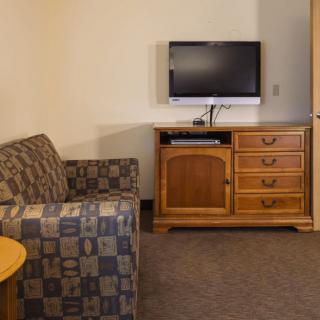




 Is Assisted Living Deductible on Your Taxes? Understanding the Complexities of Assisted Living Expenses and Deductions
 Assisted Living Support for Veterans: A Complete and Detailed Overview
 Exploring the Contrasts Between Assisted Living and Skilled Nursing