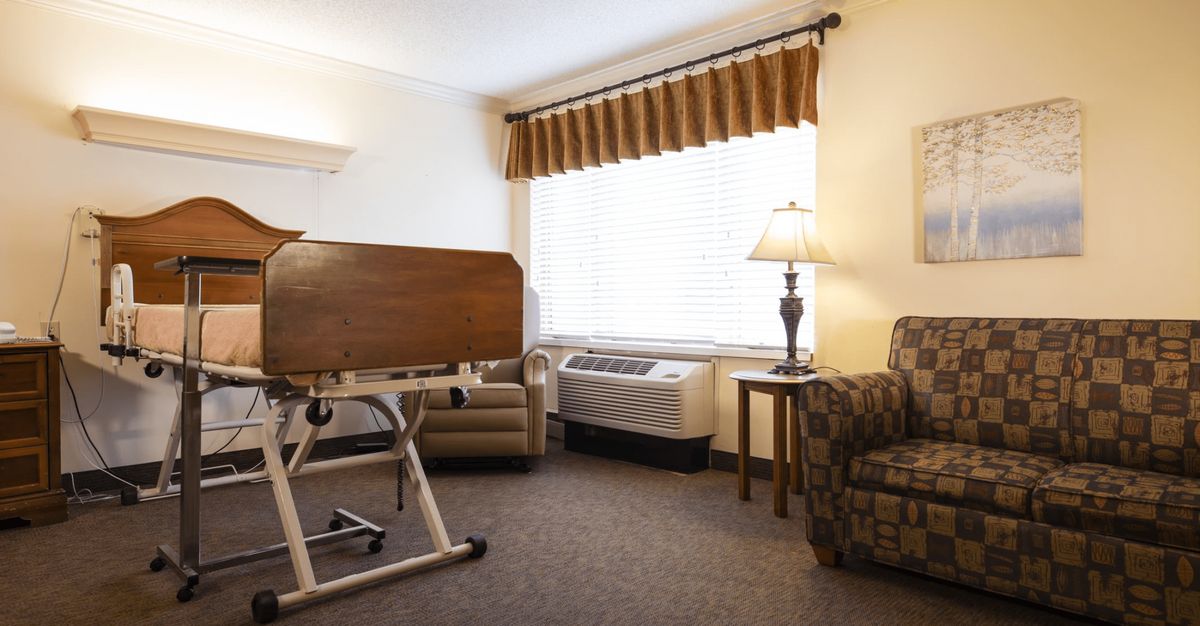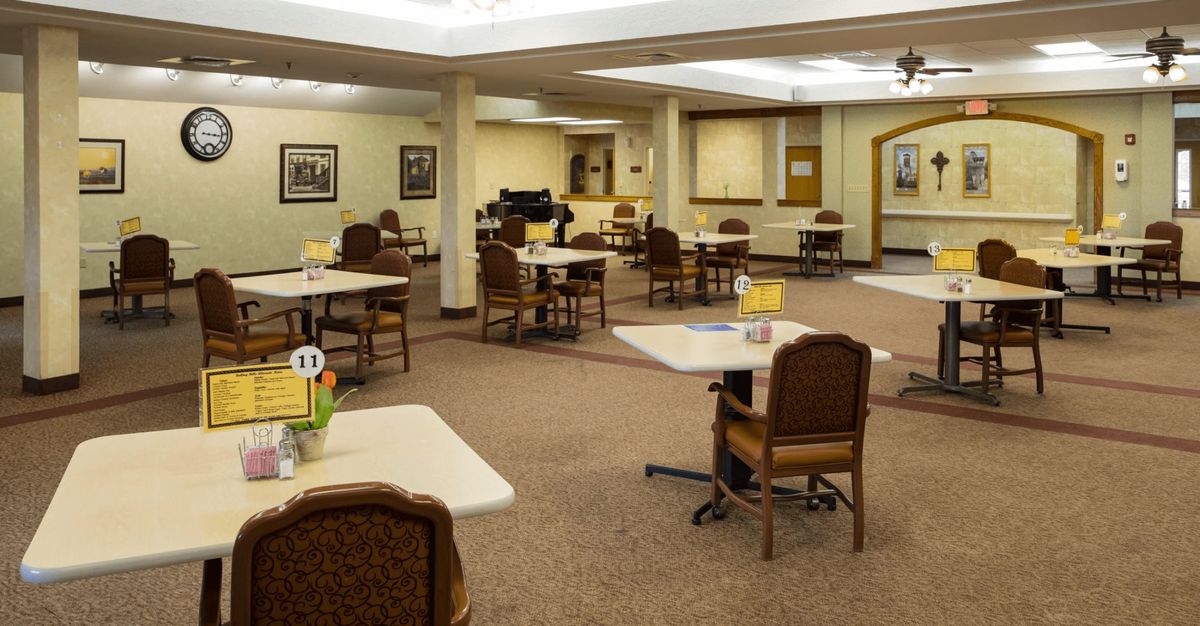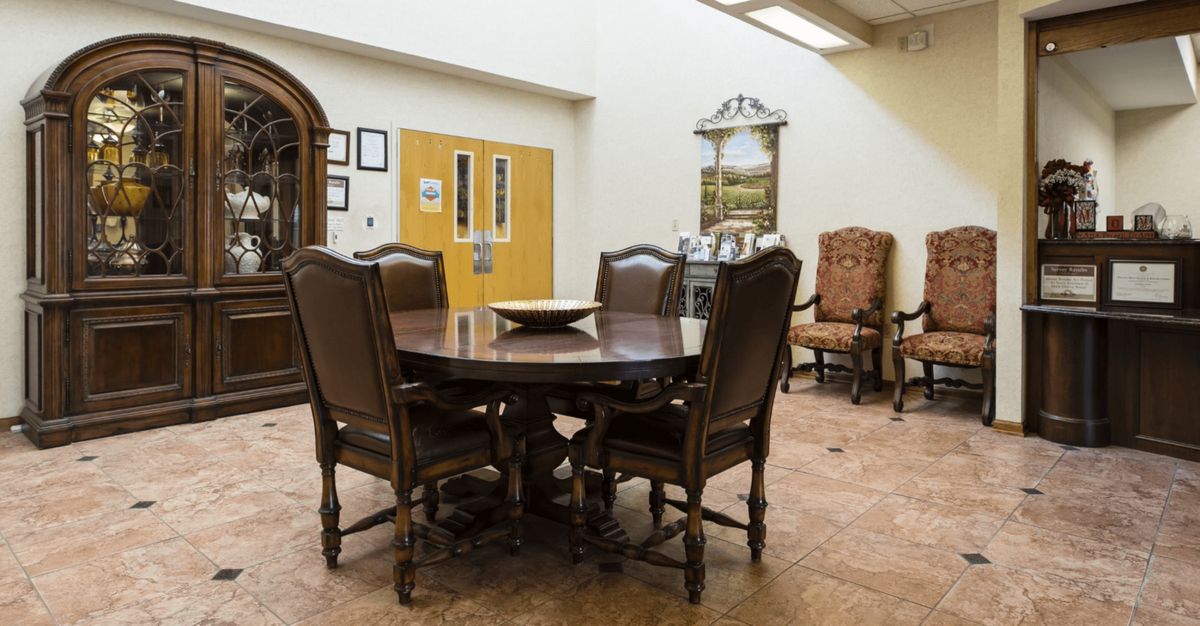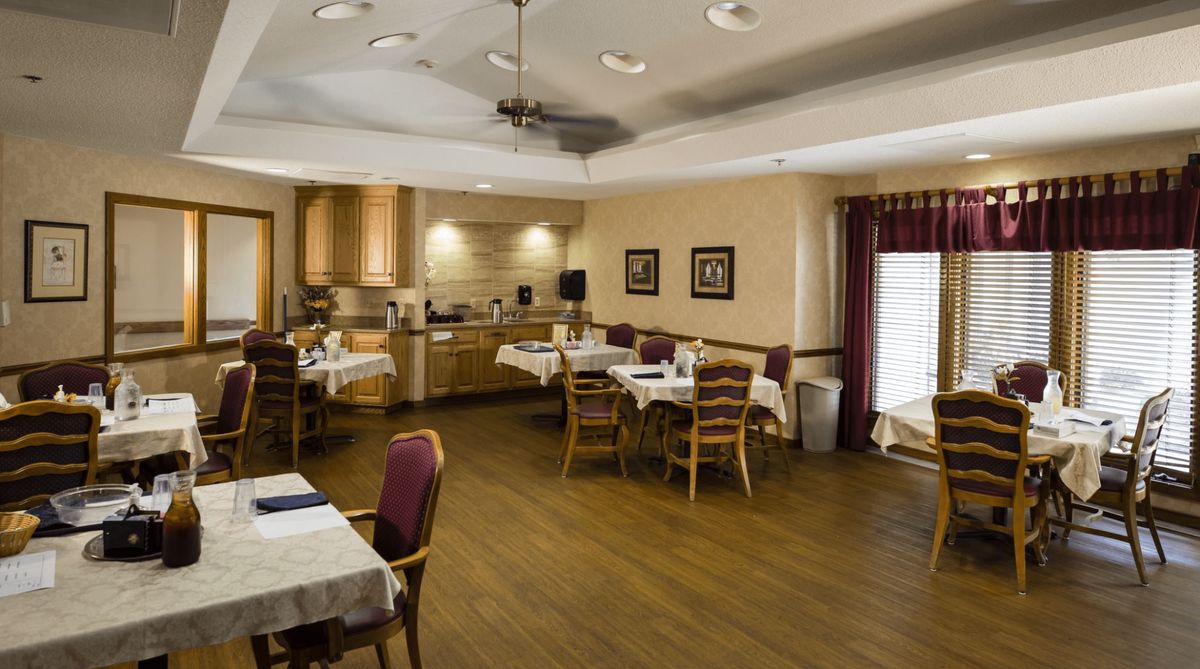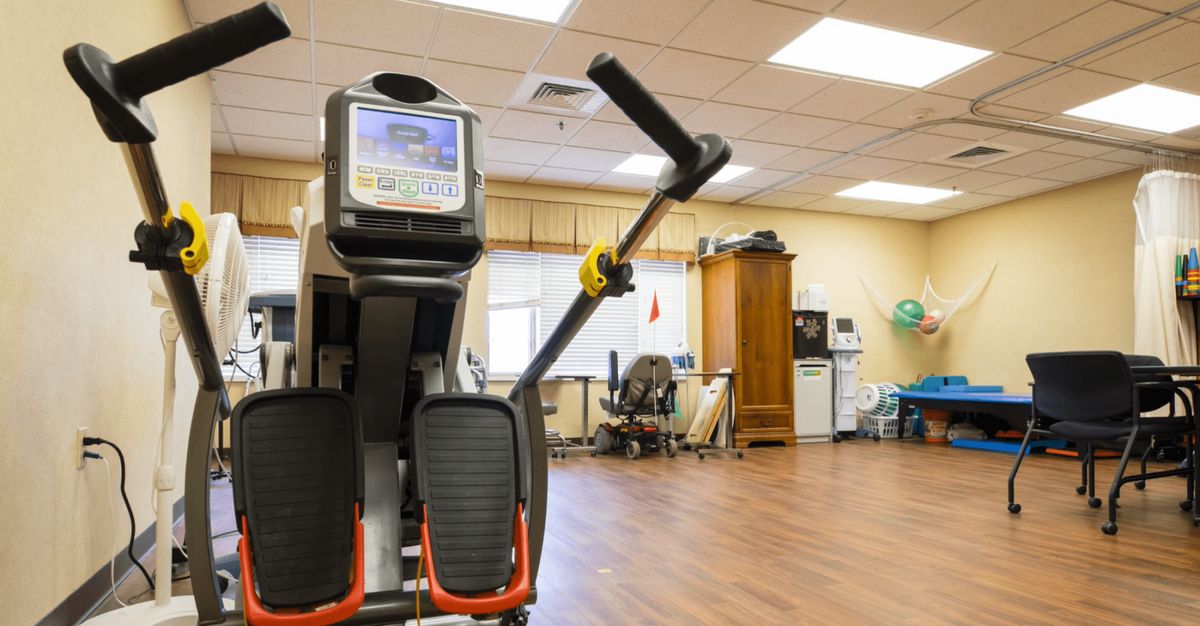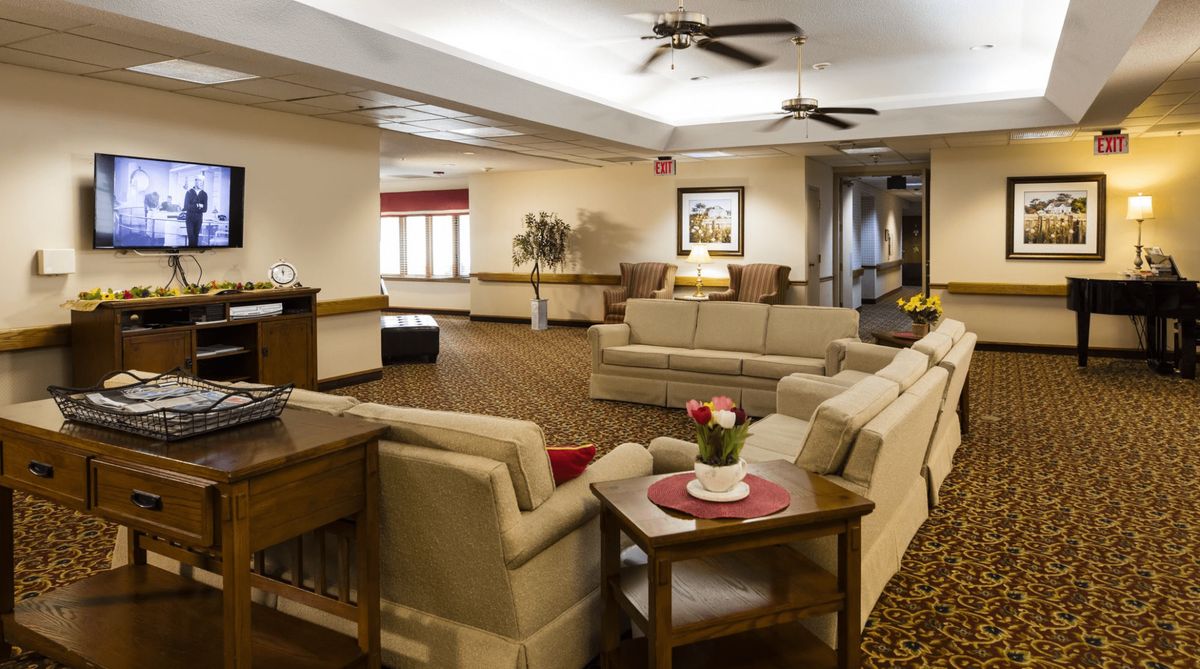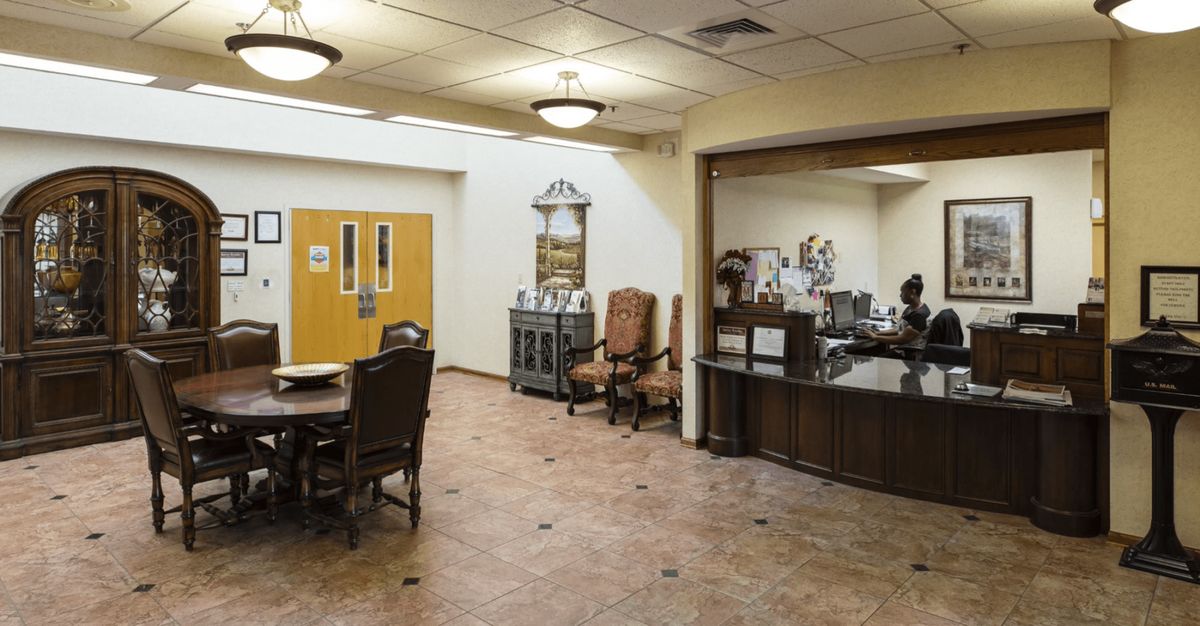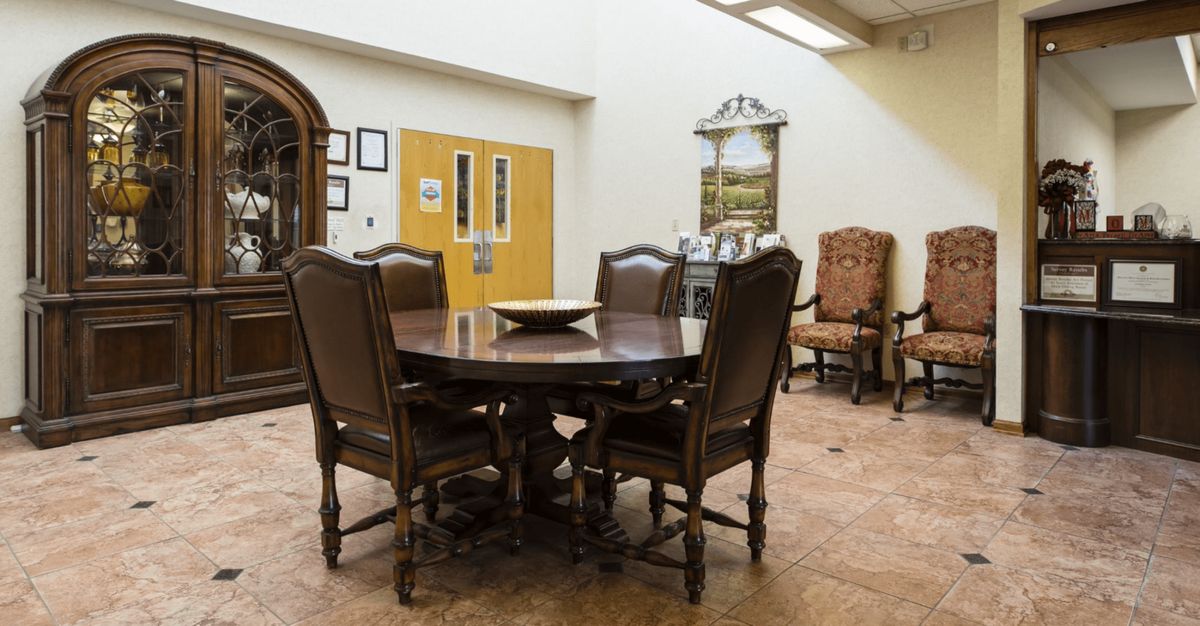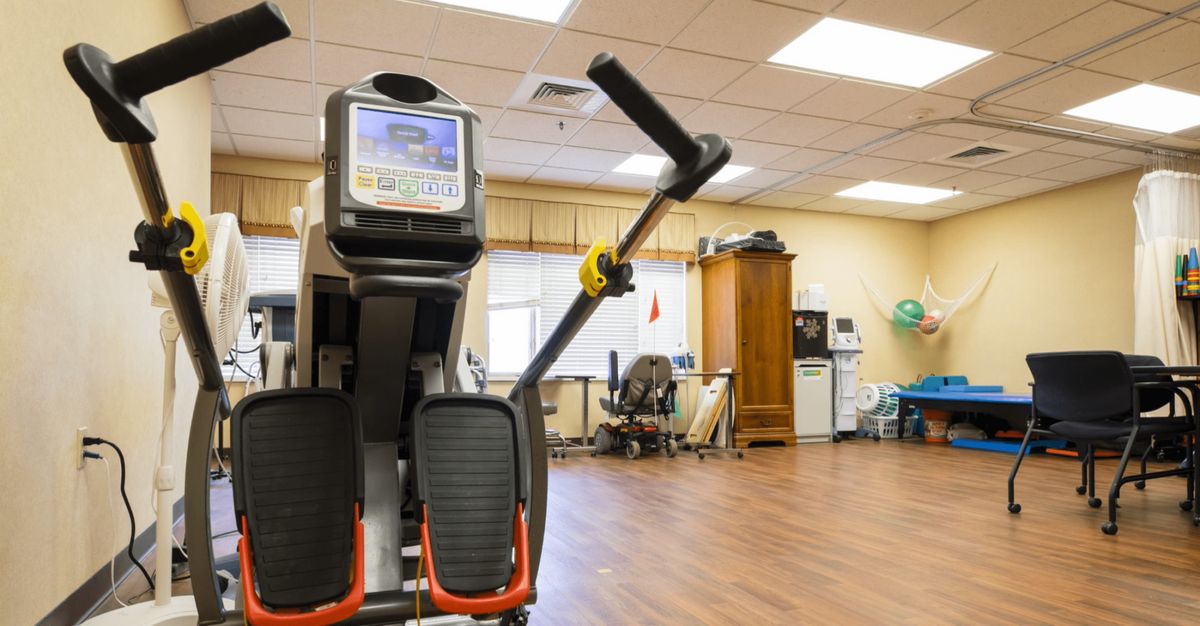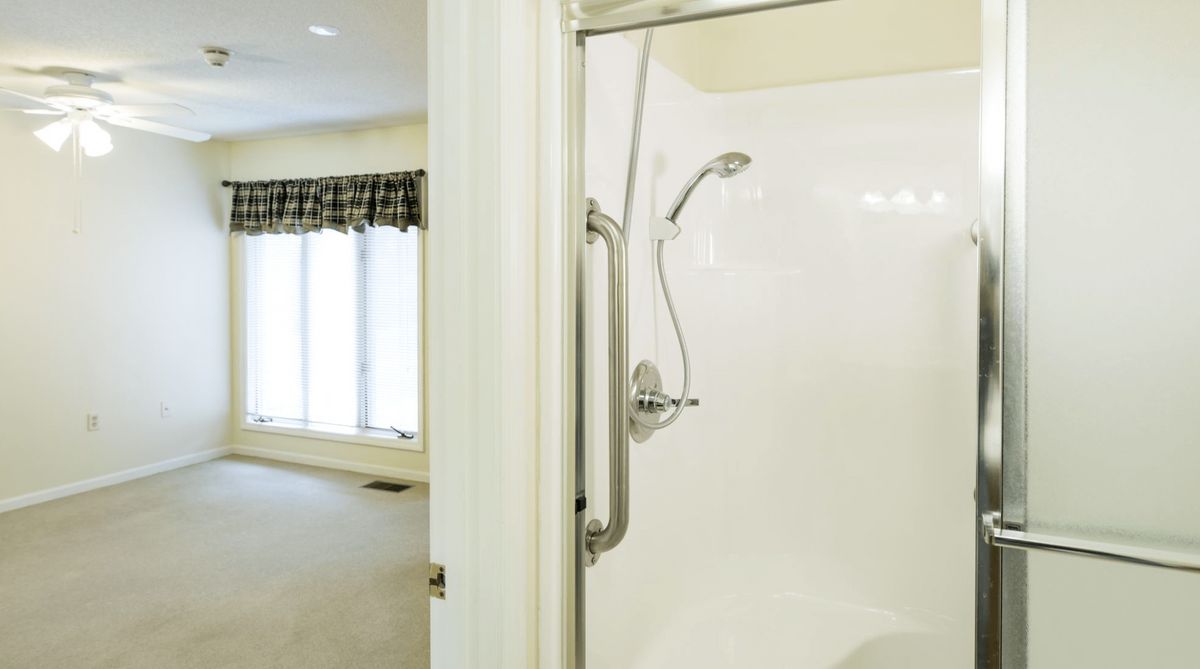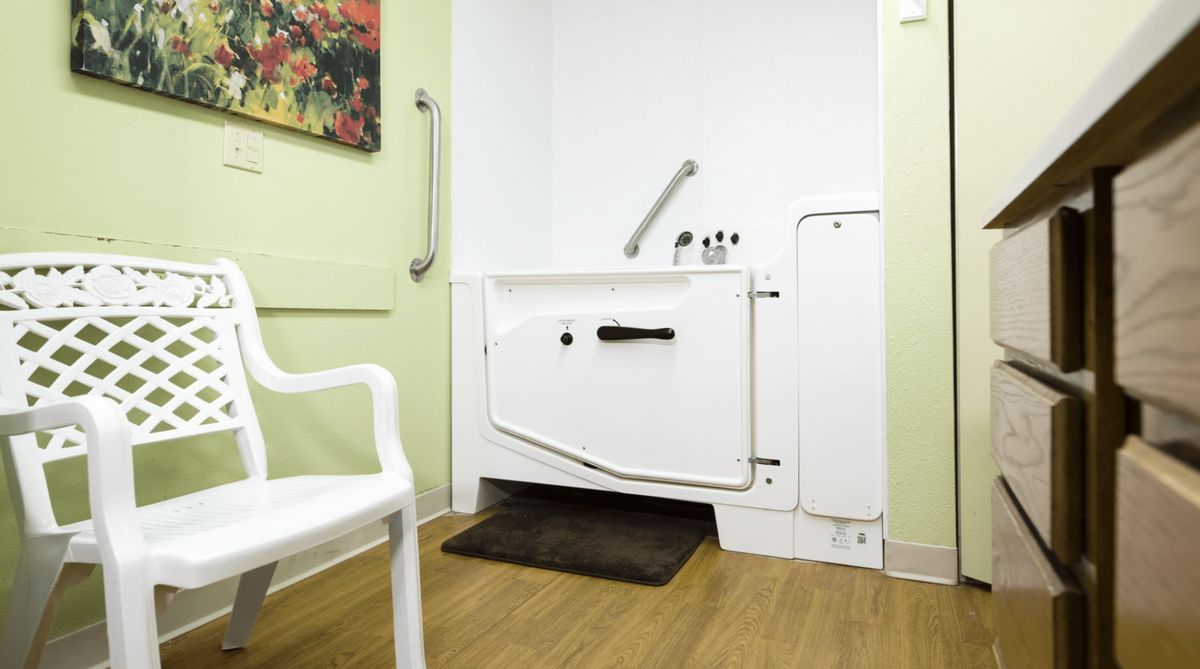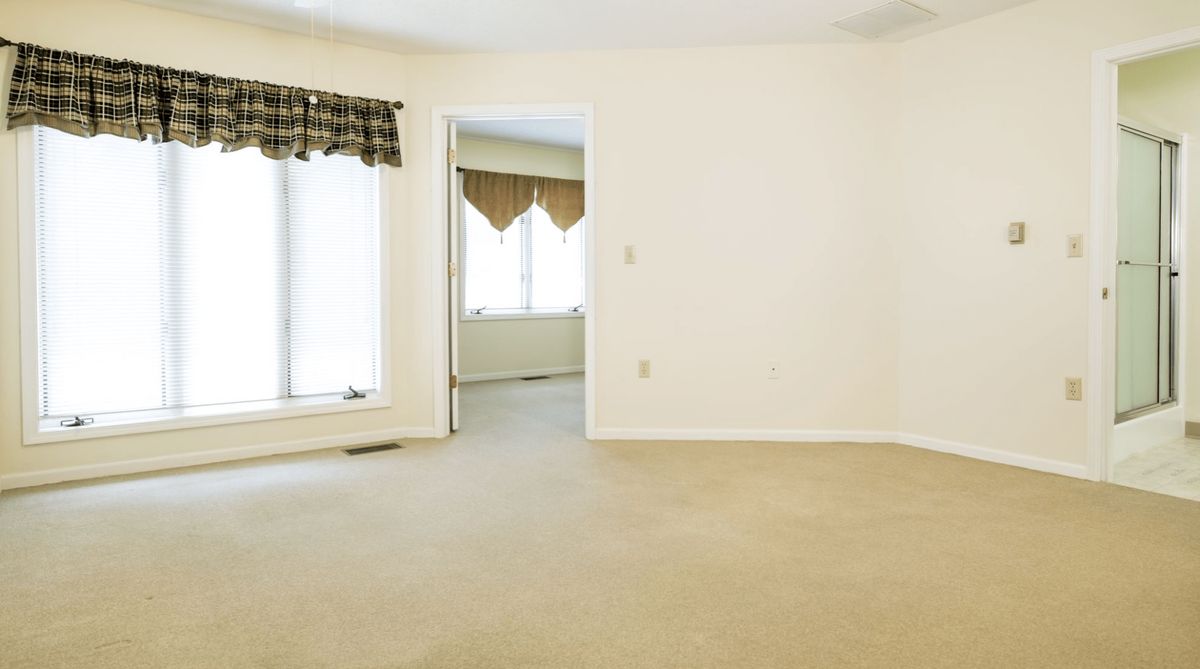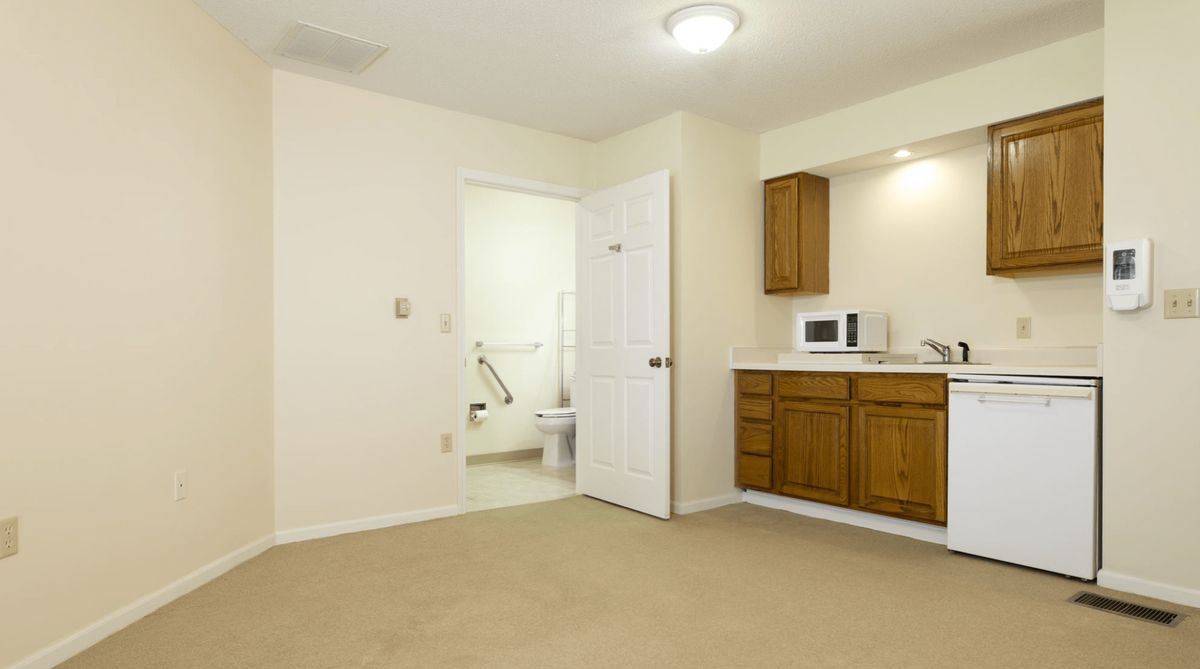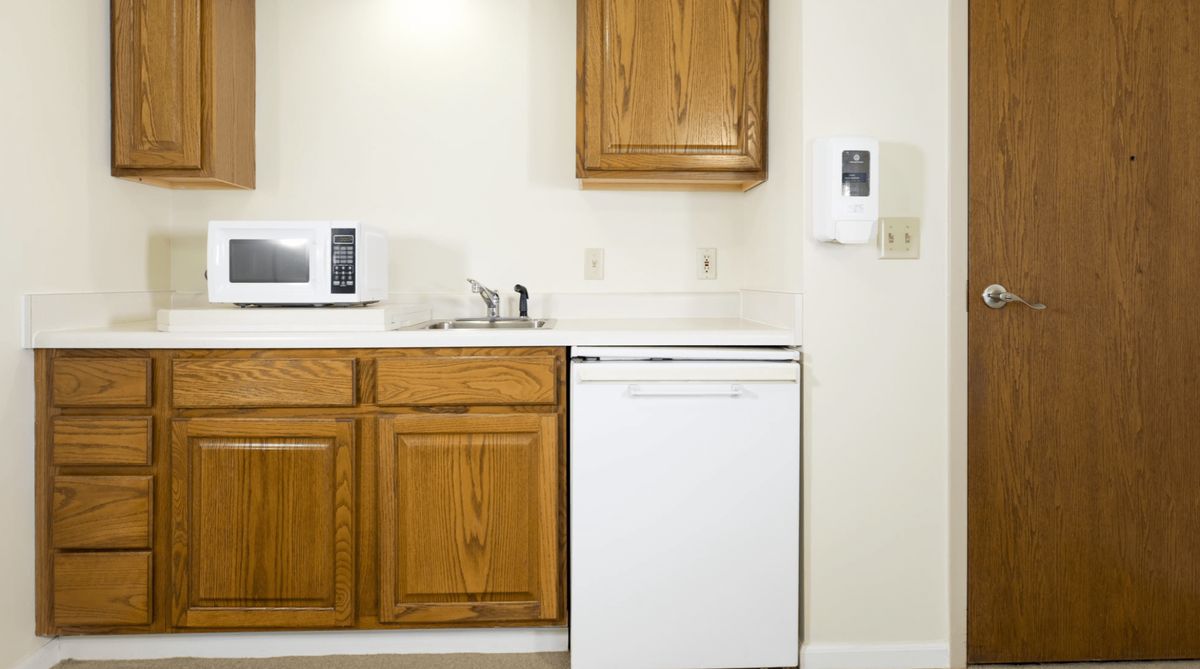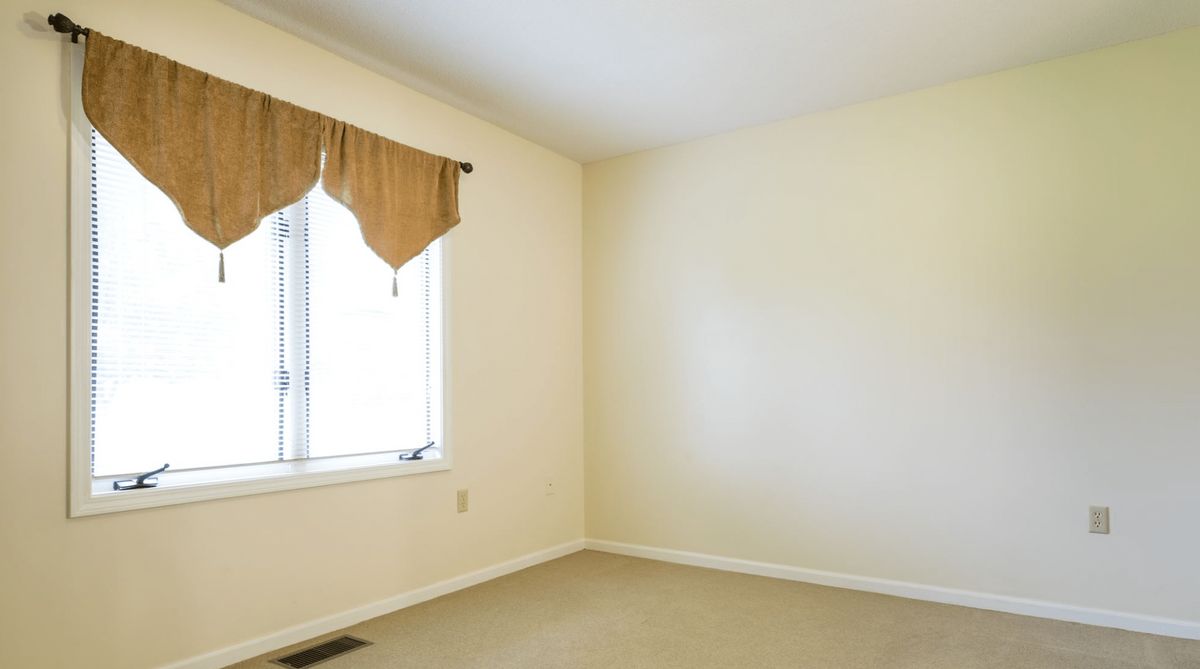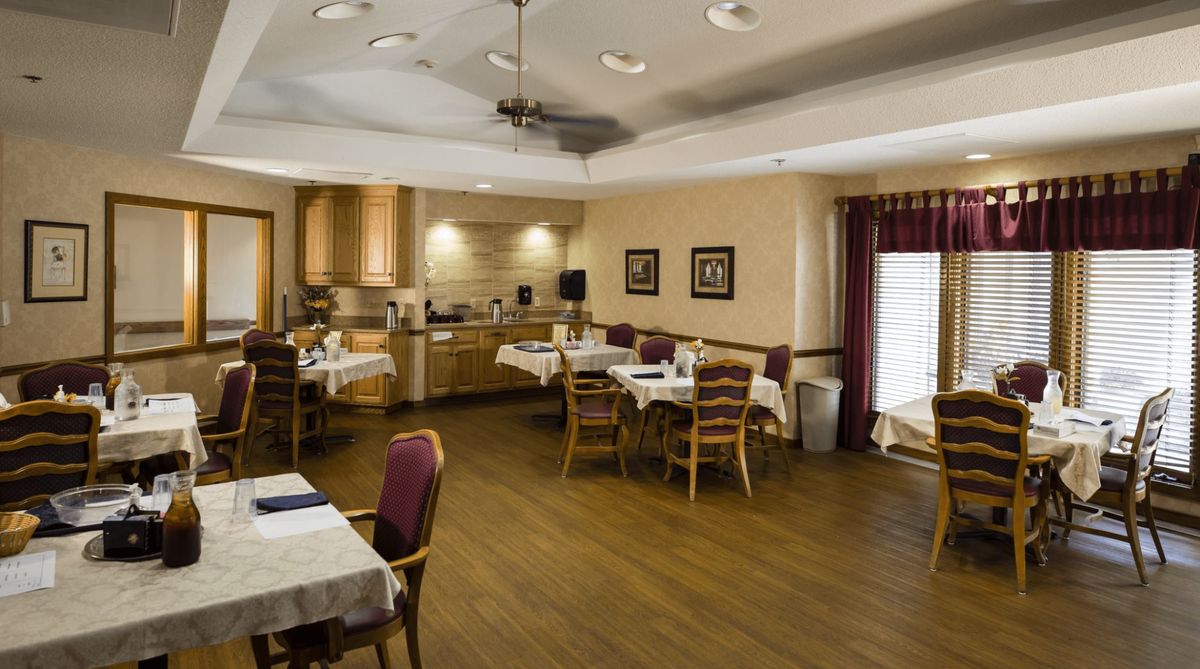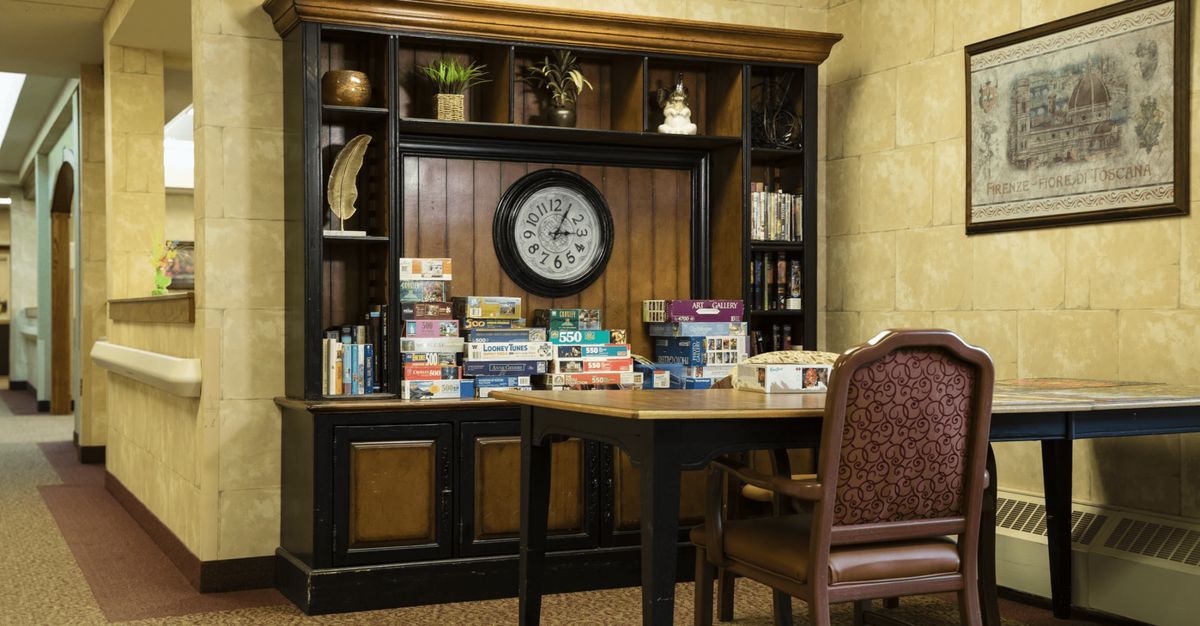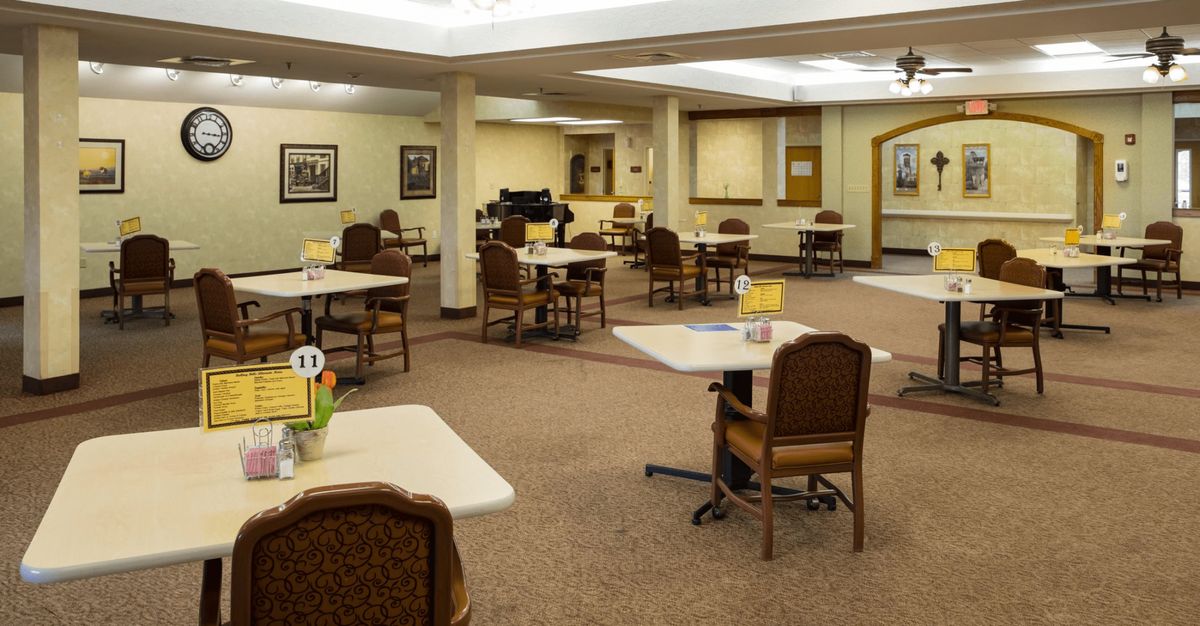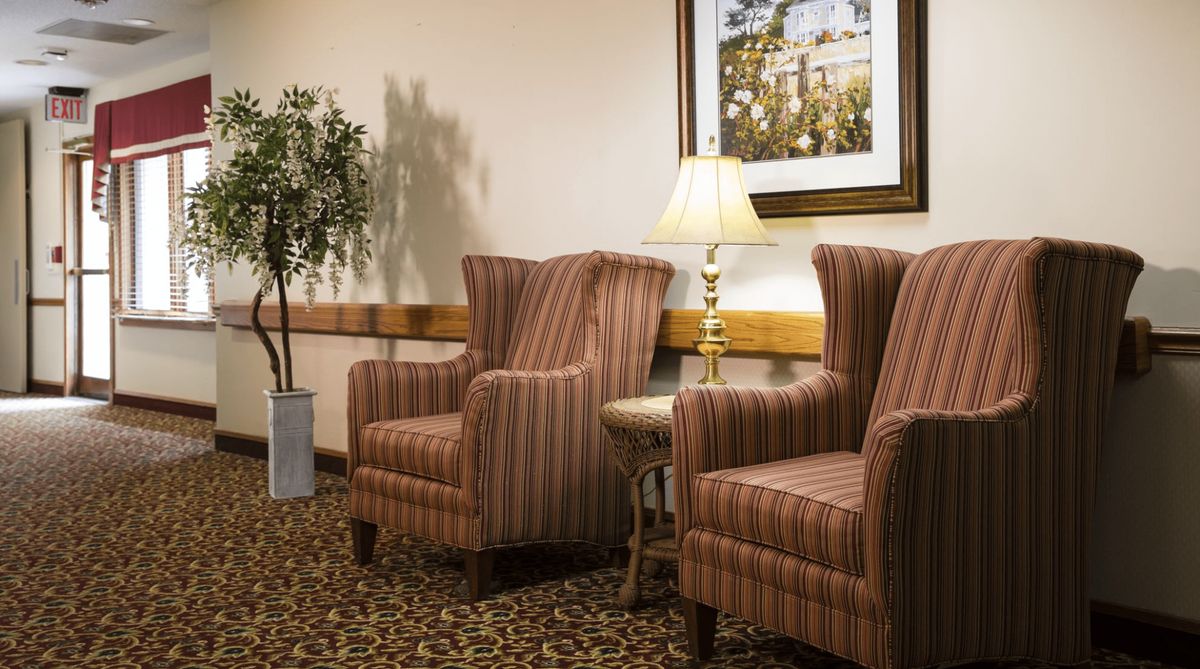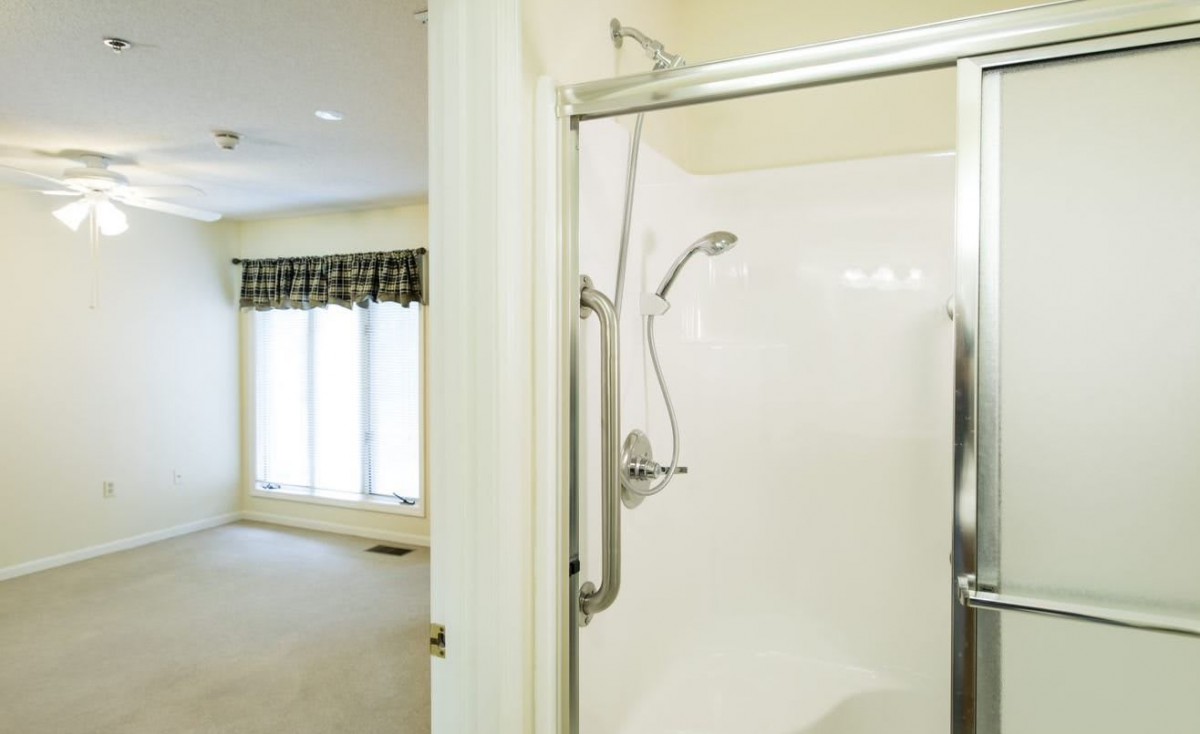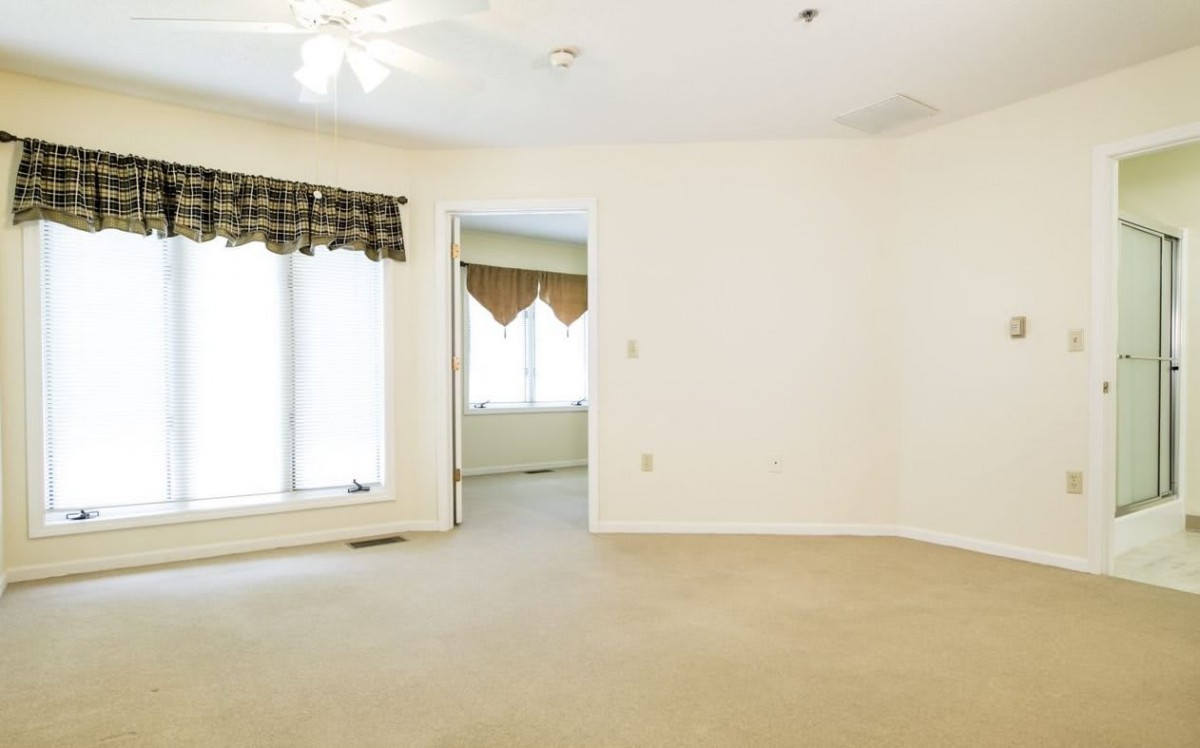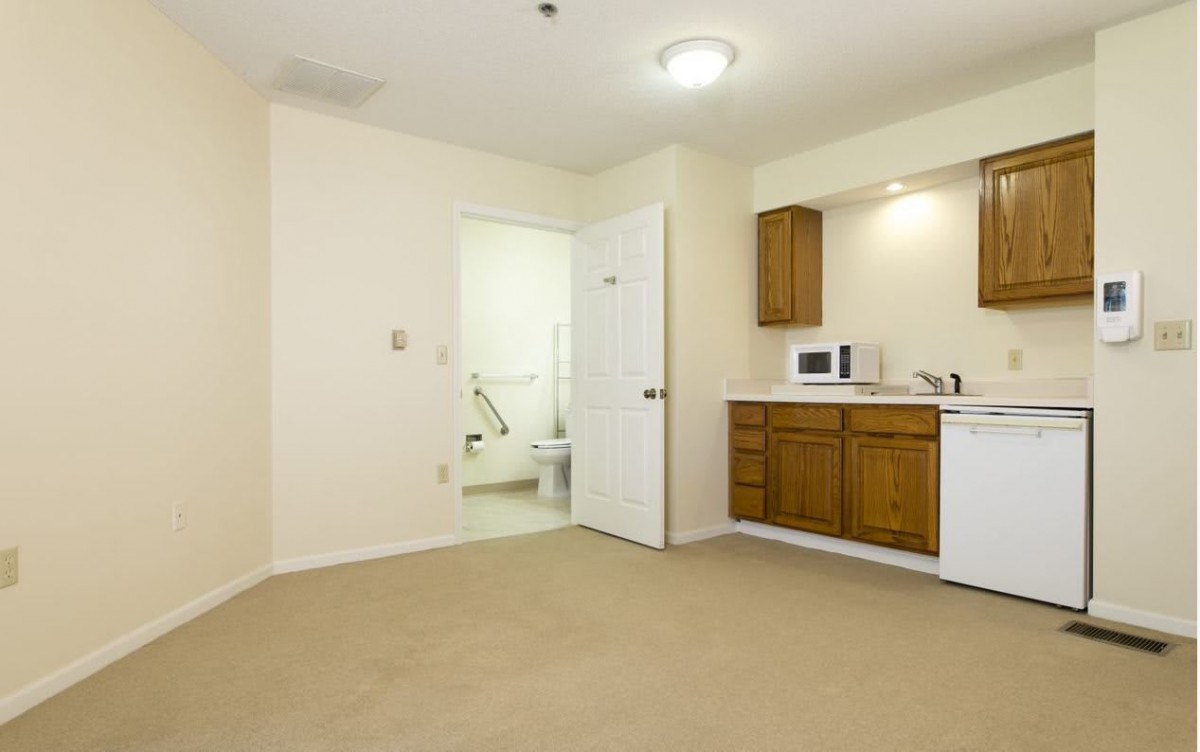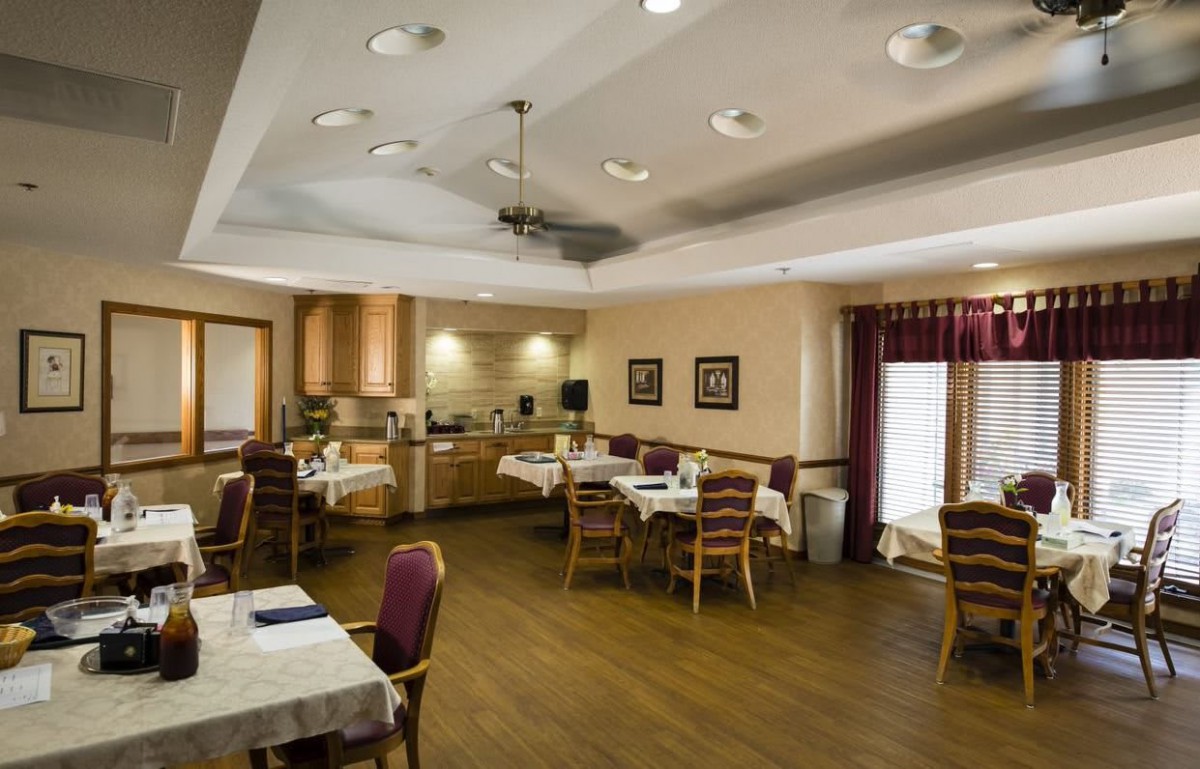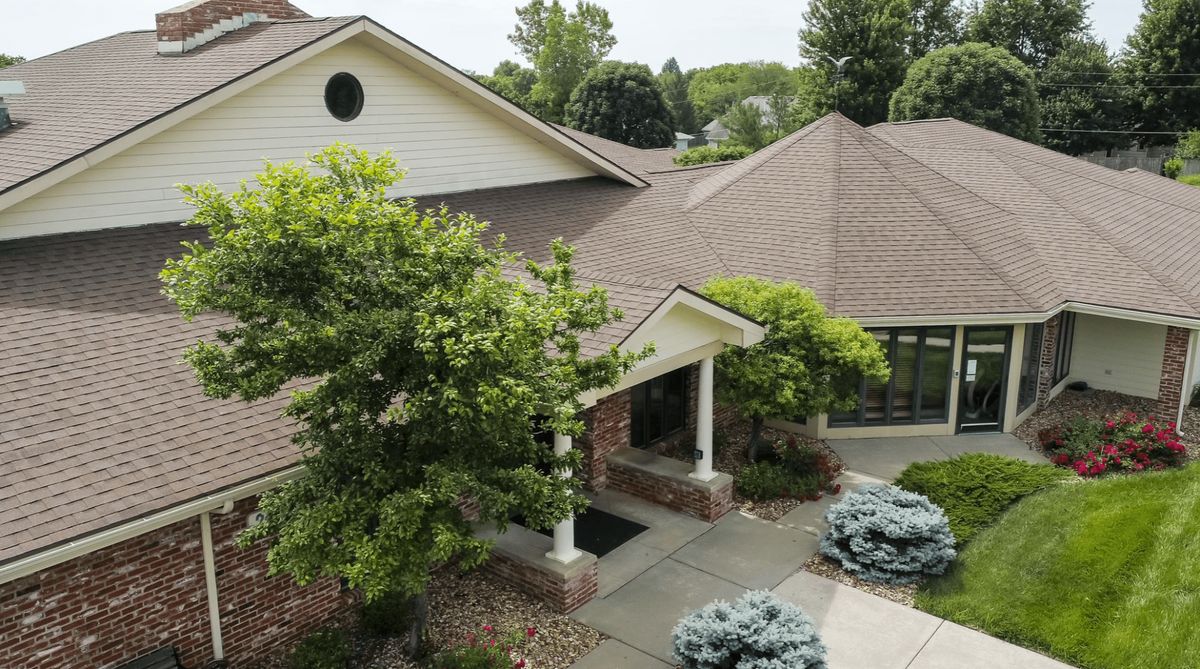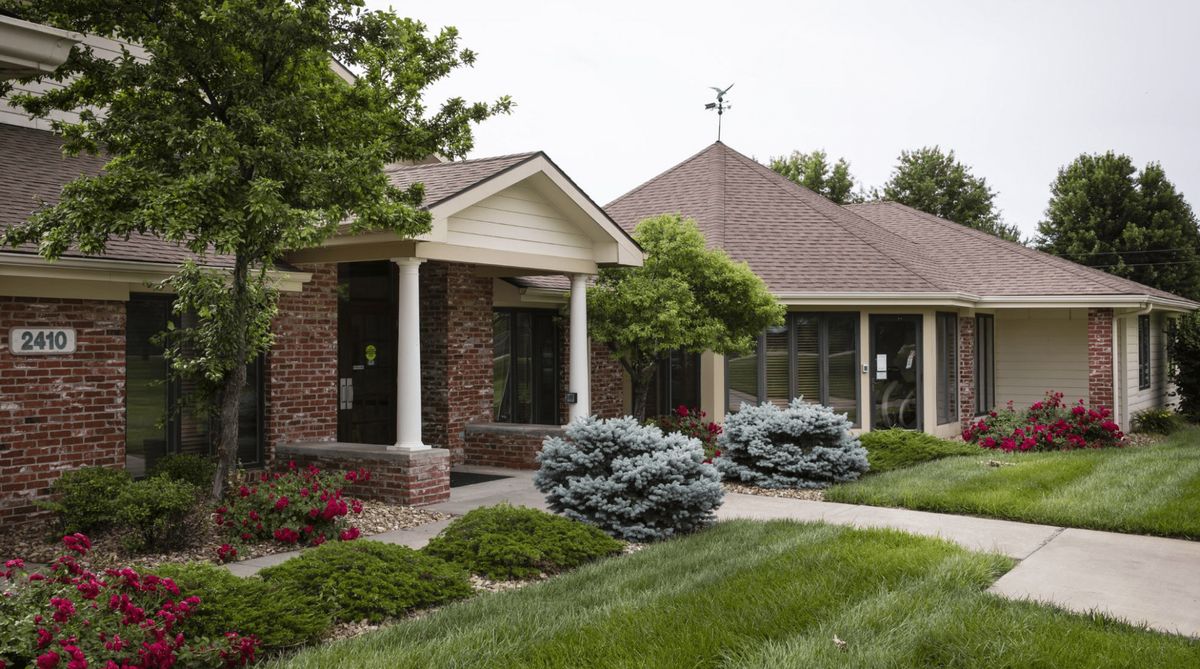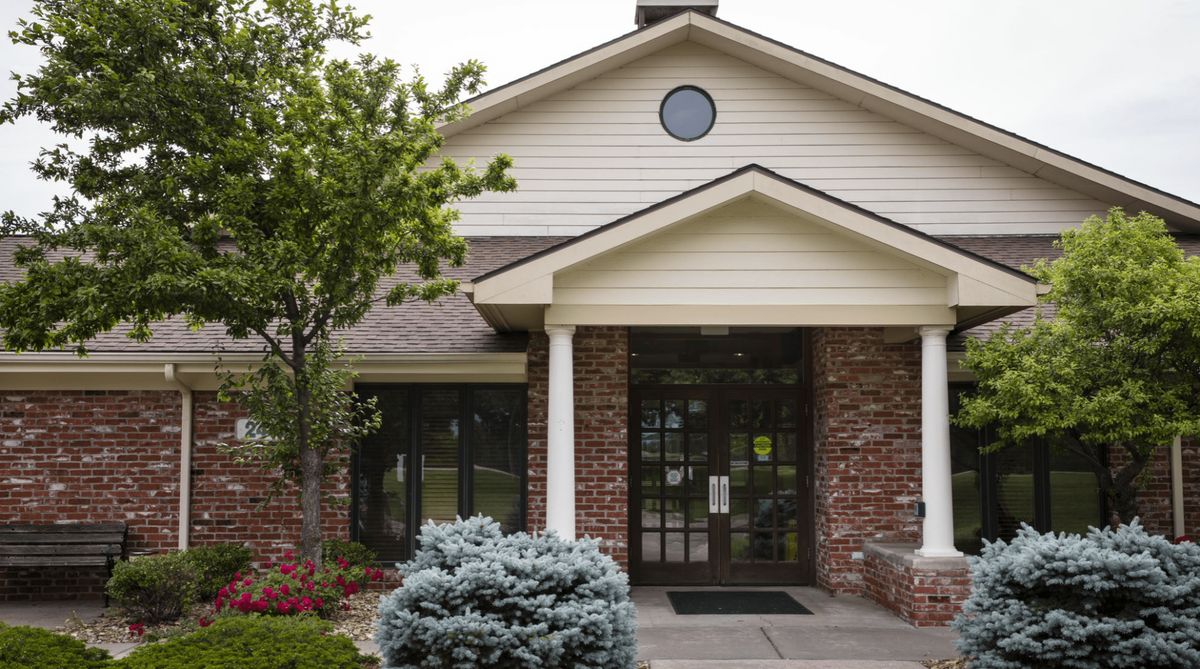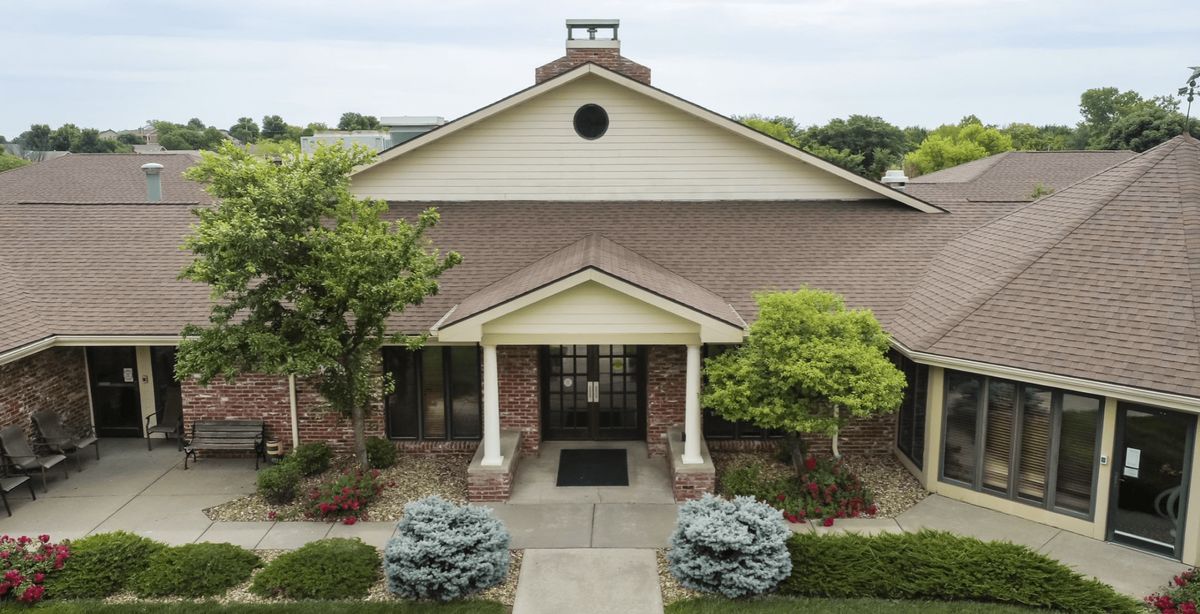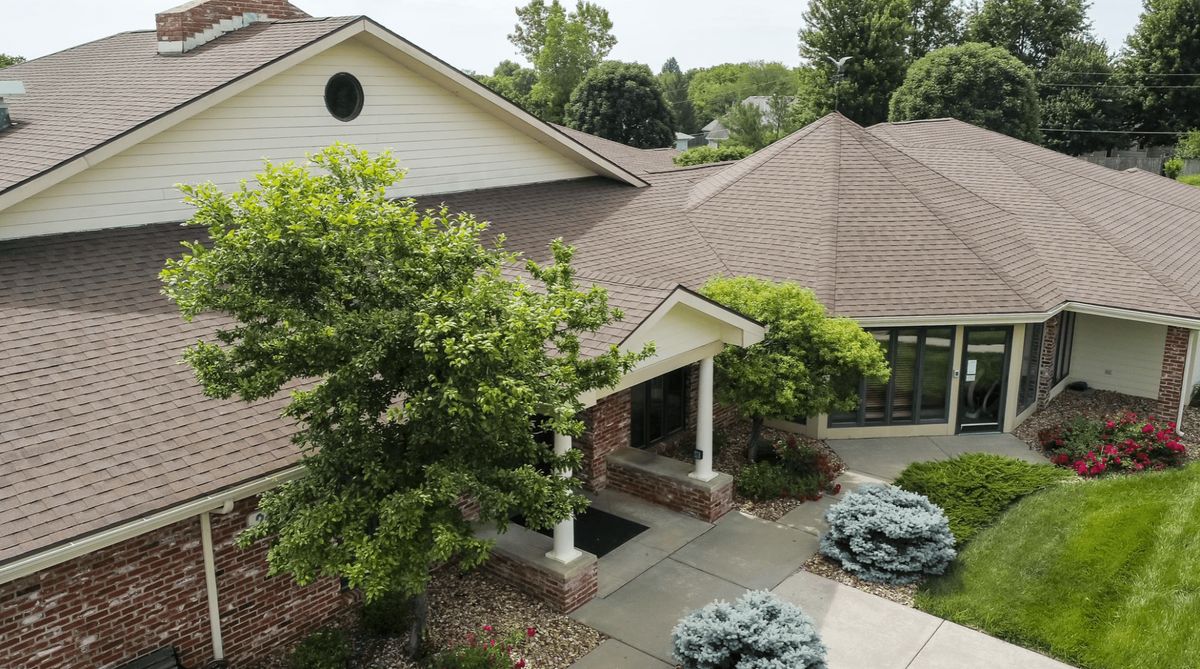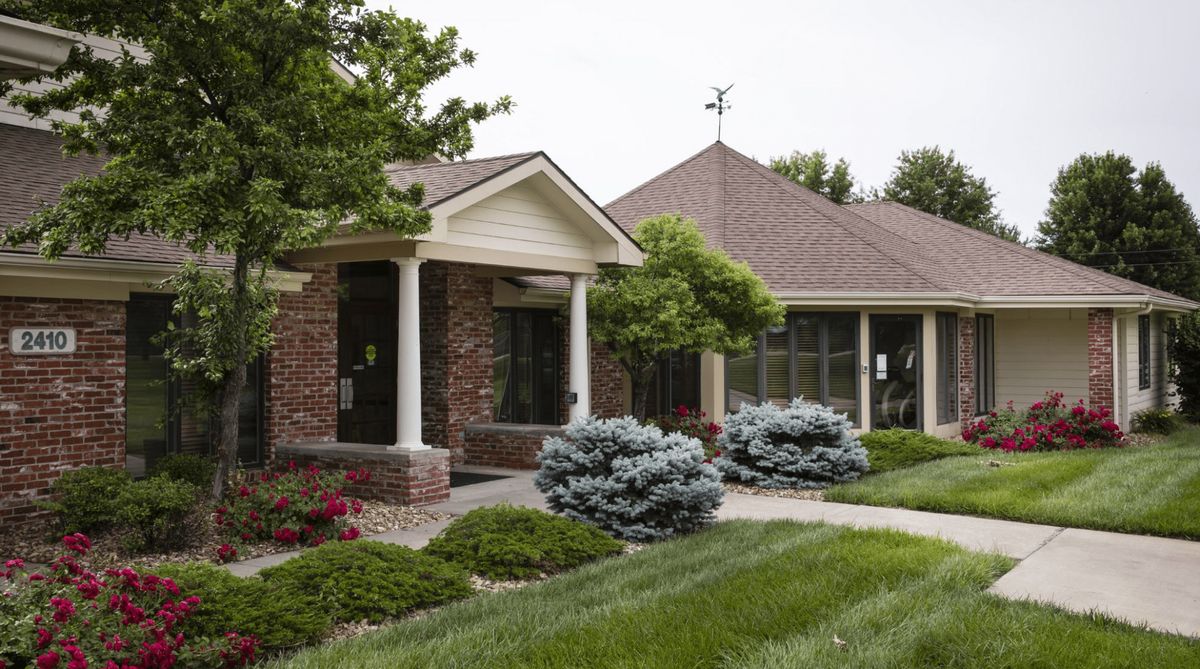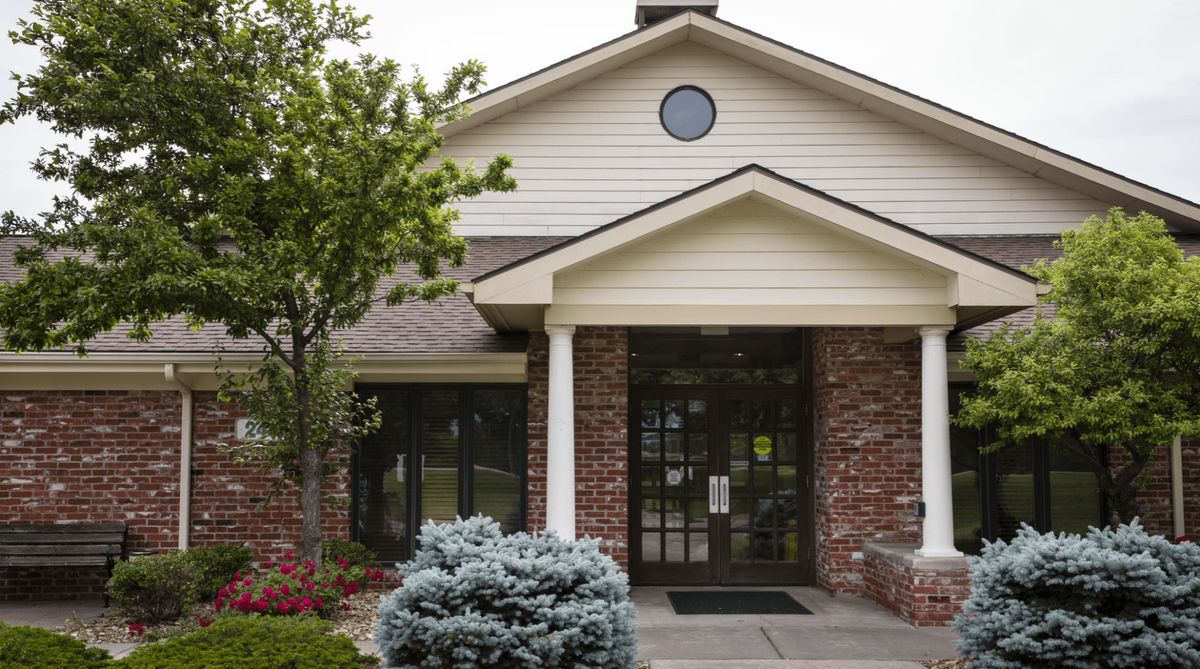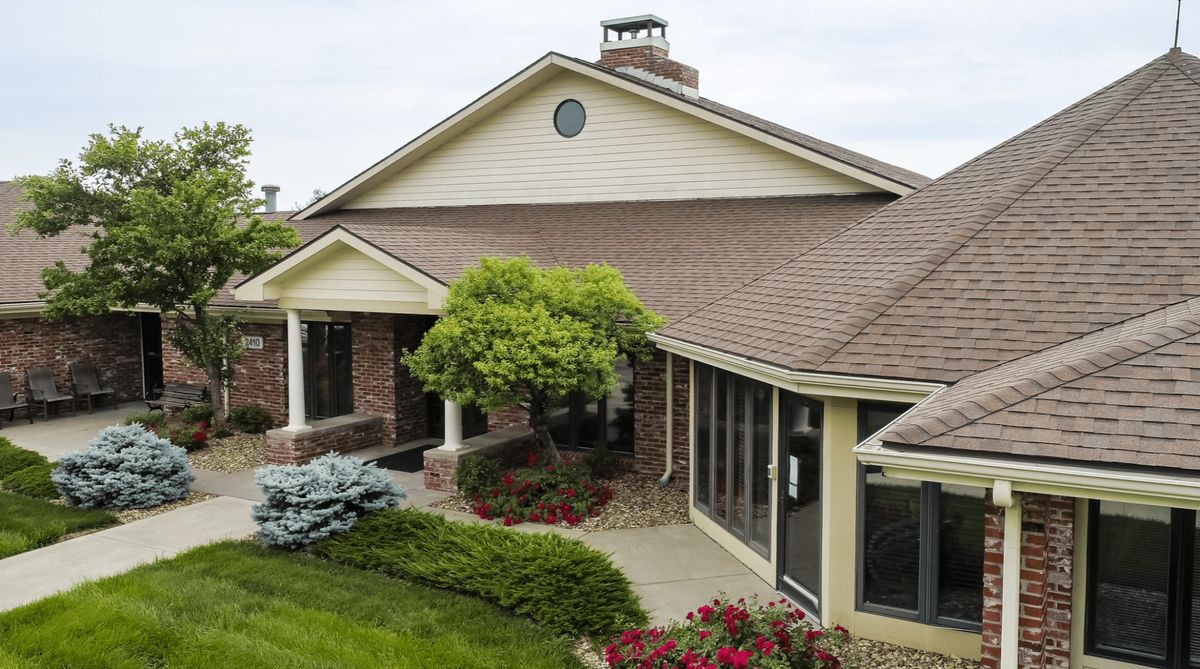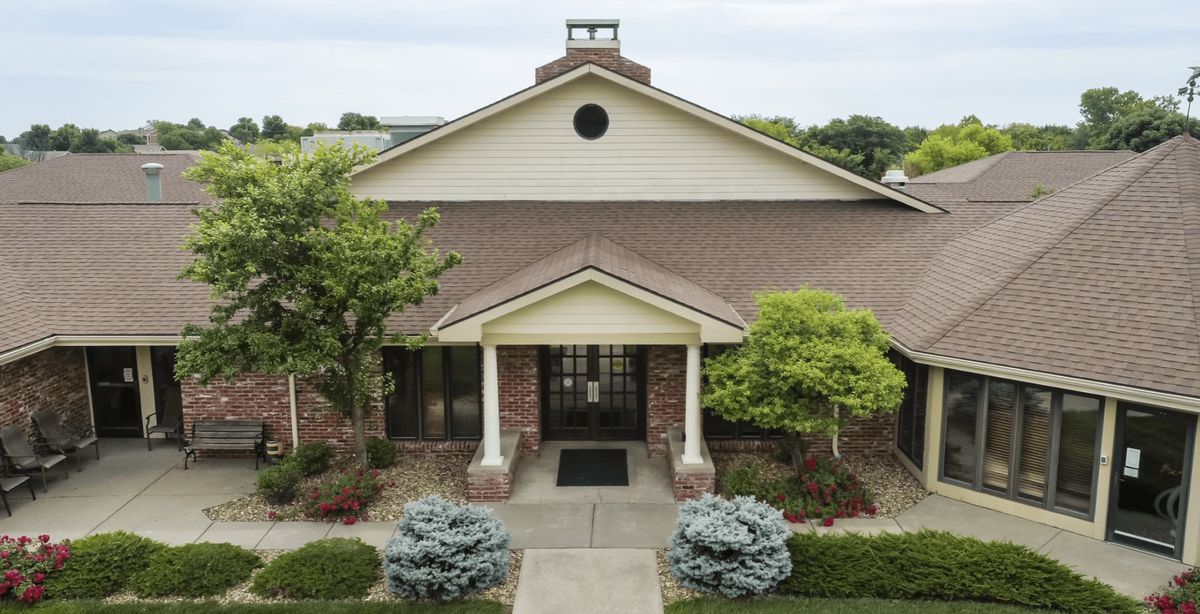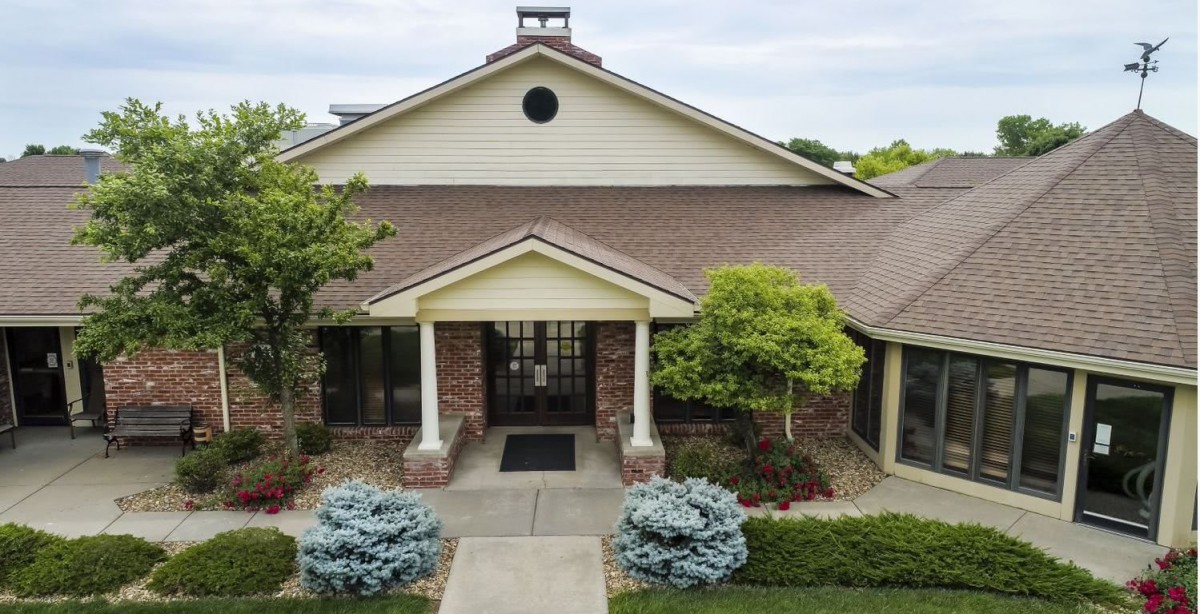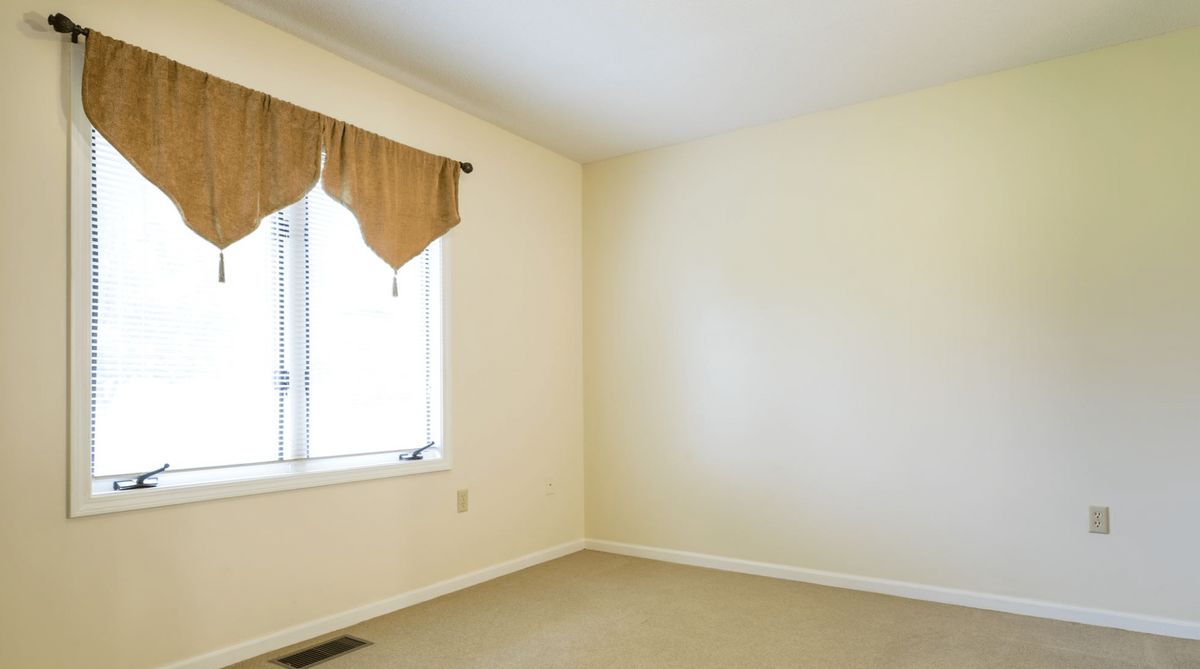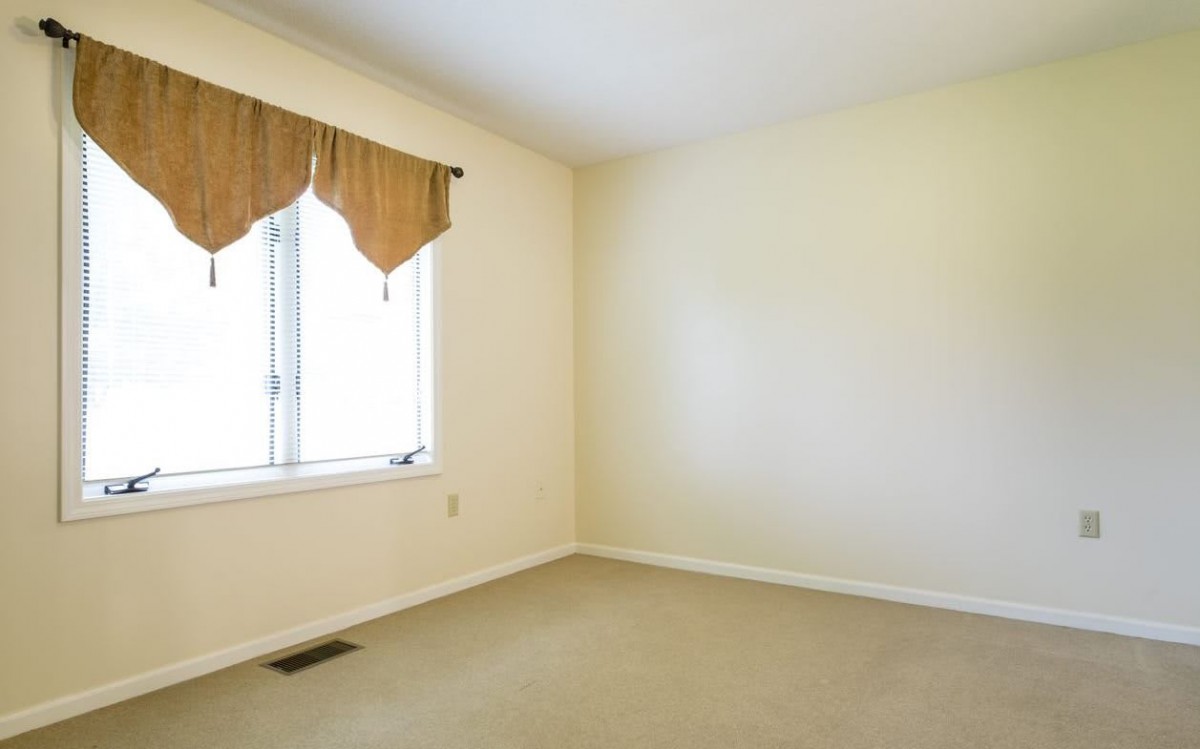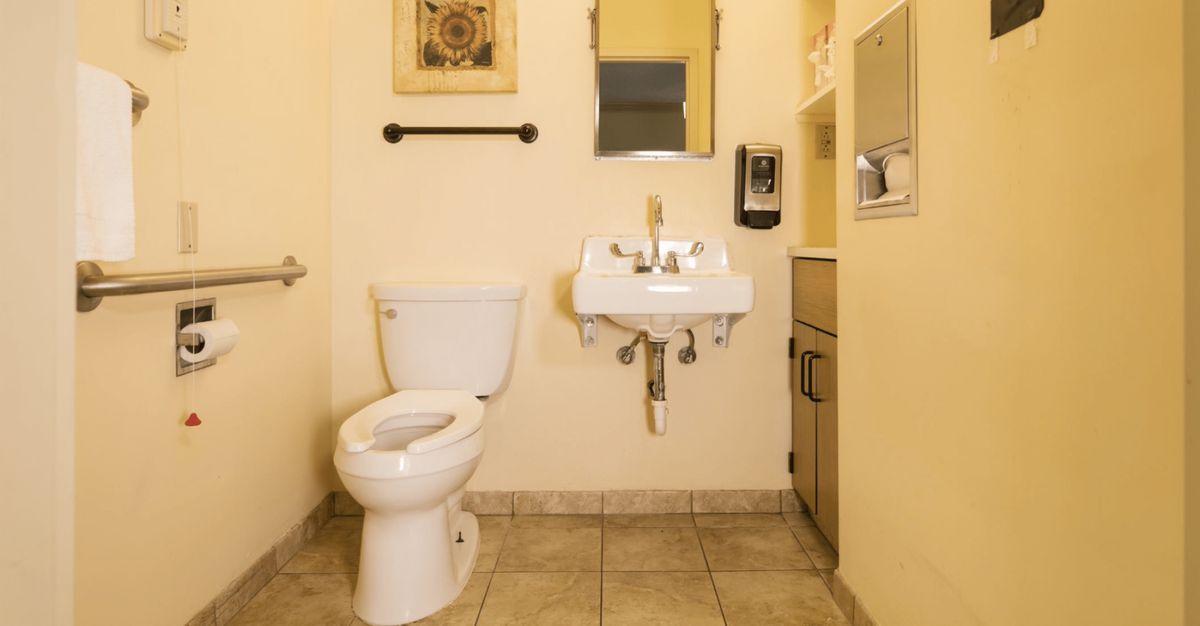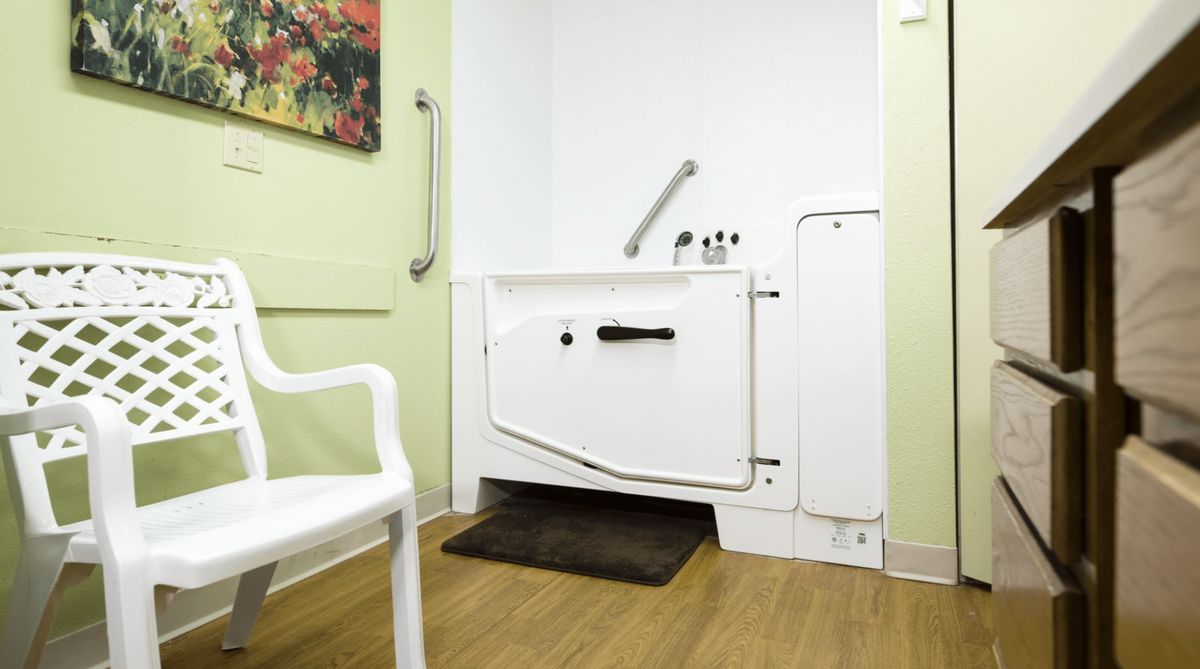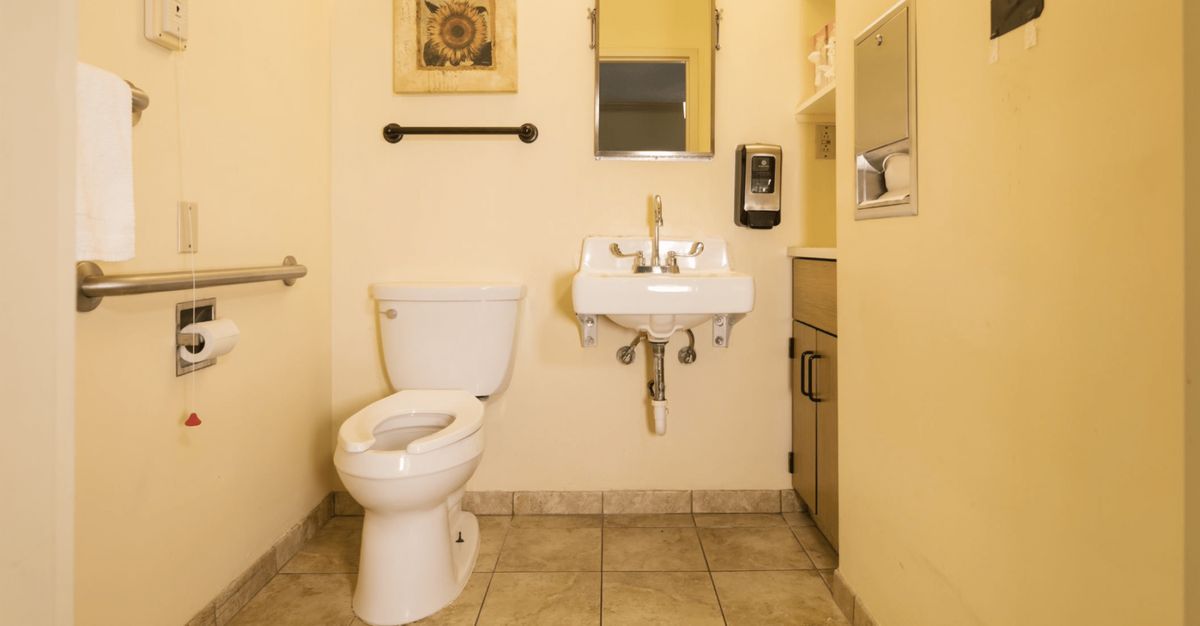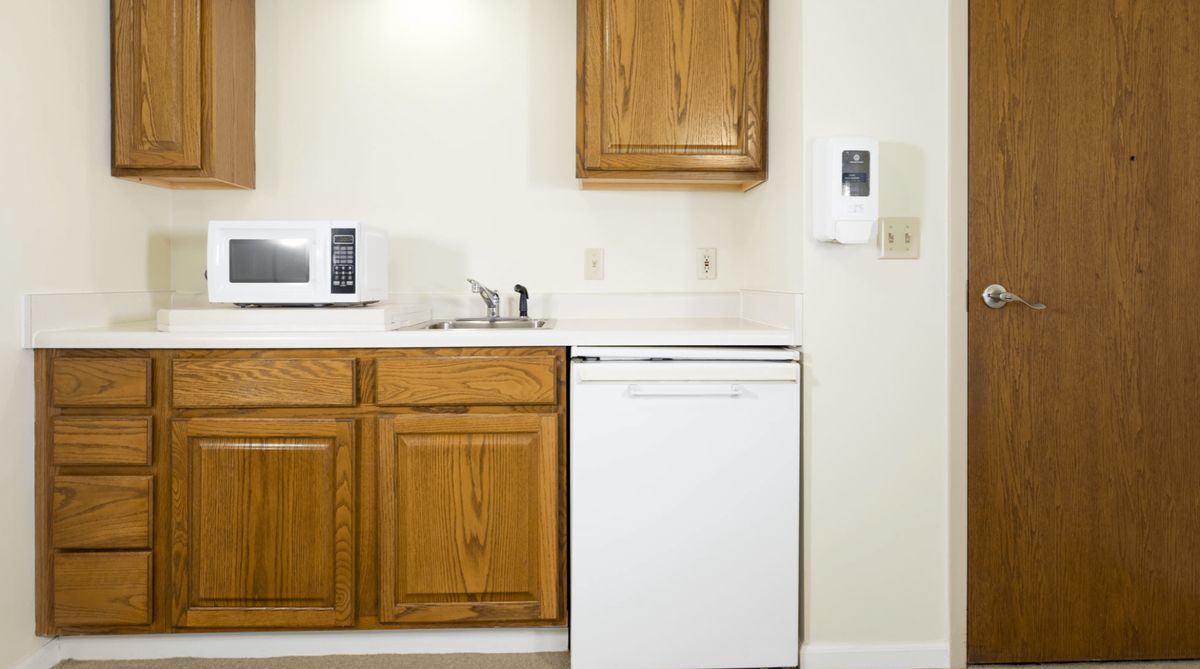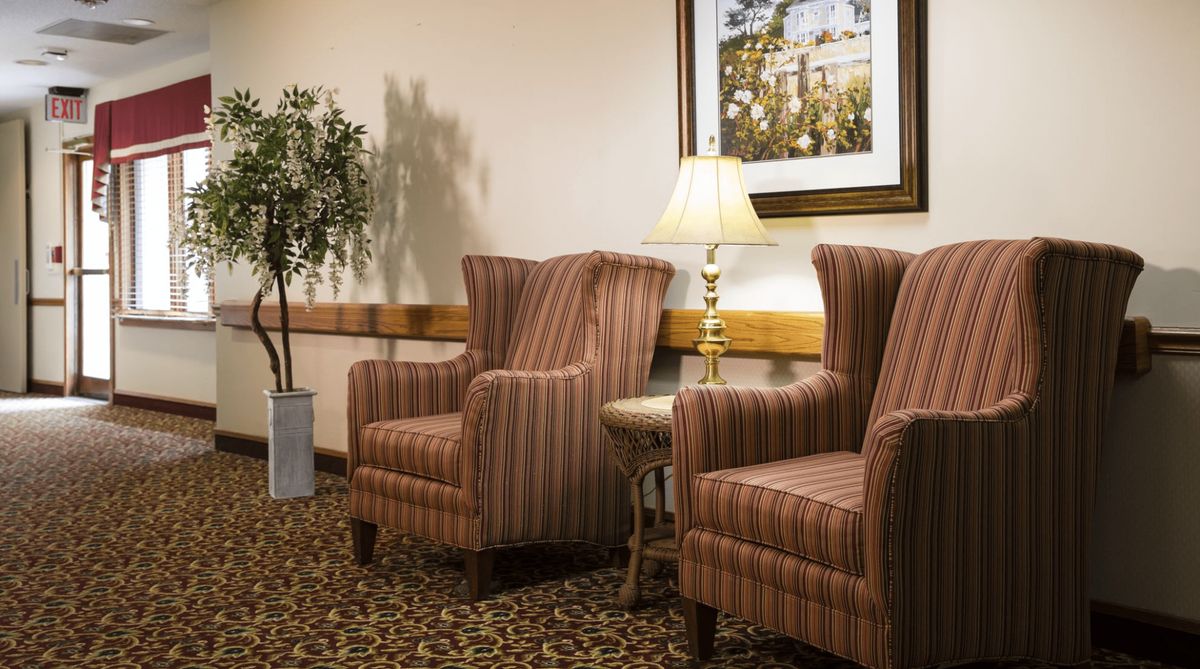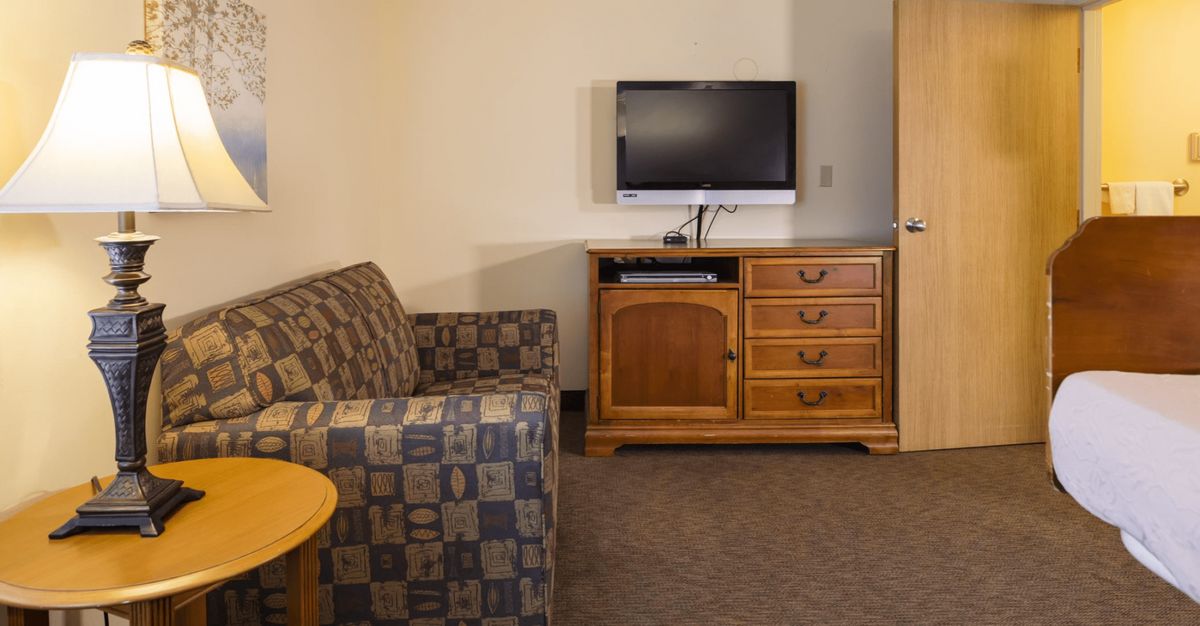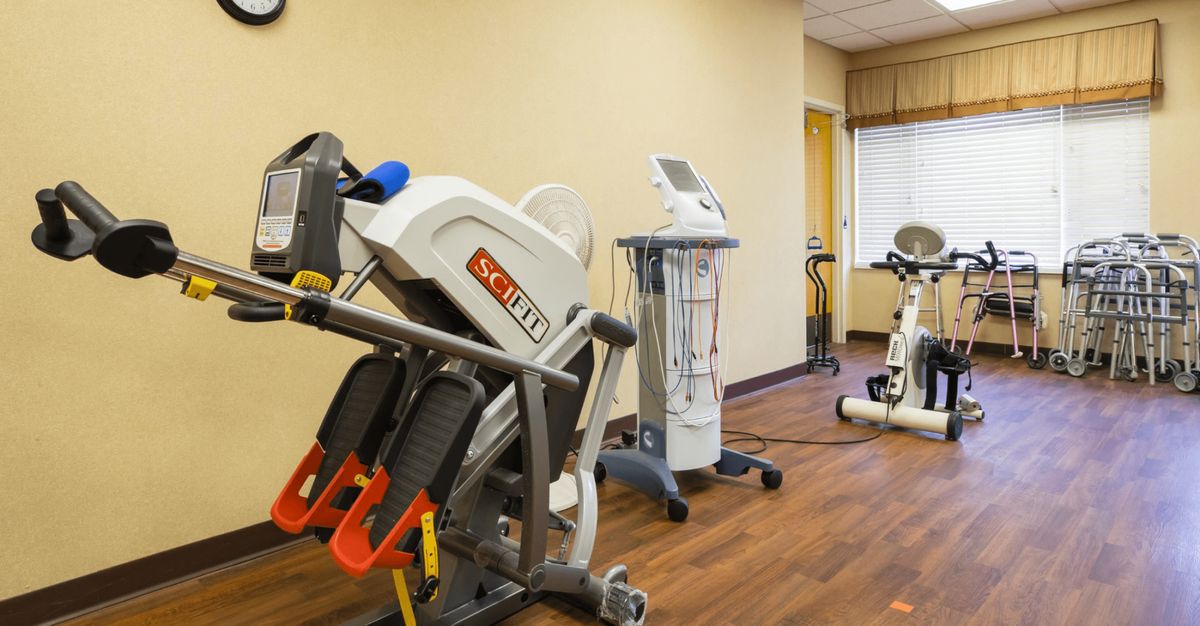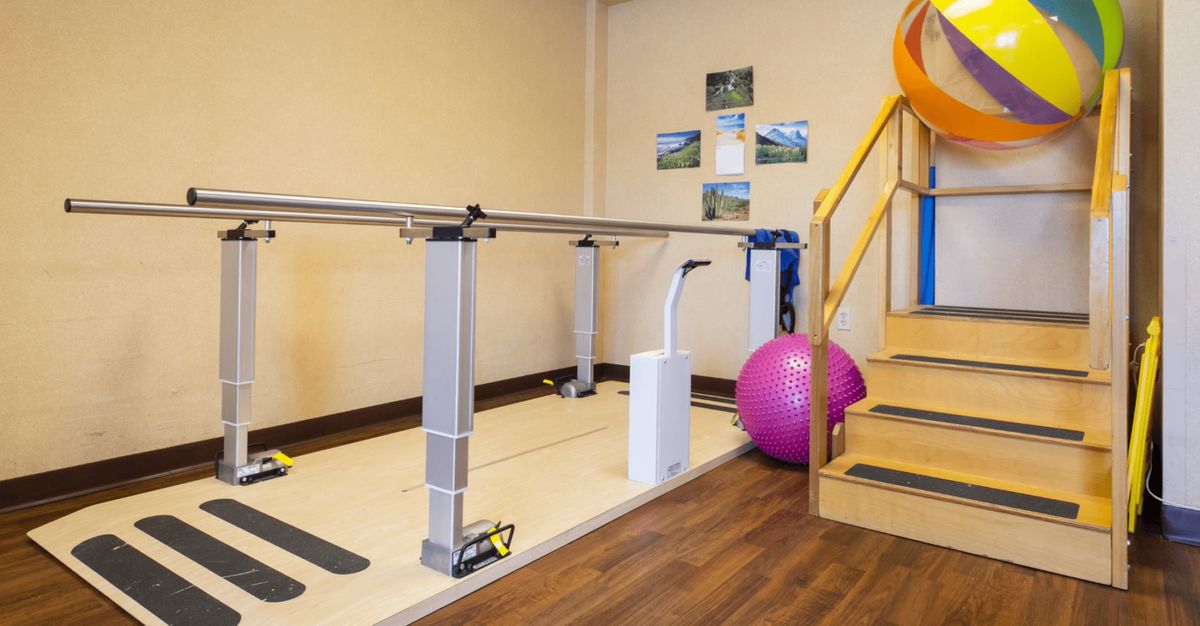
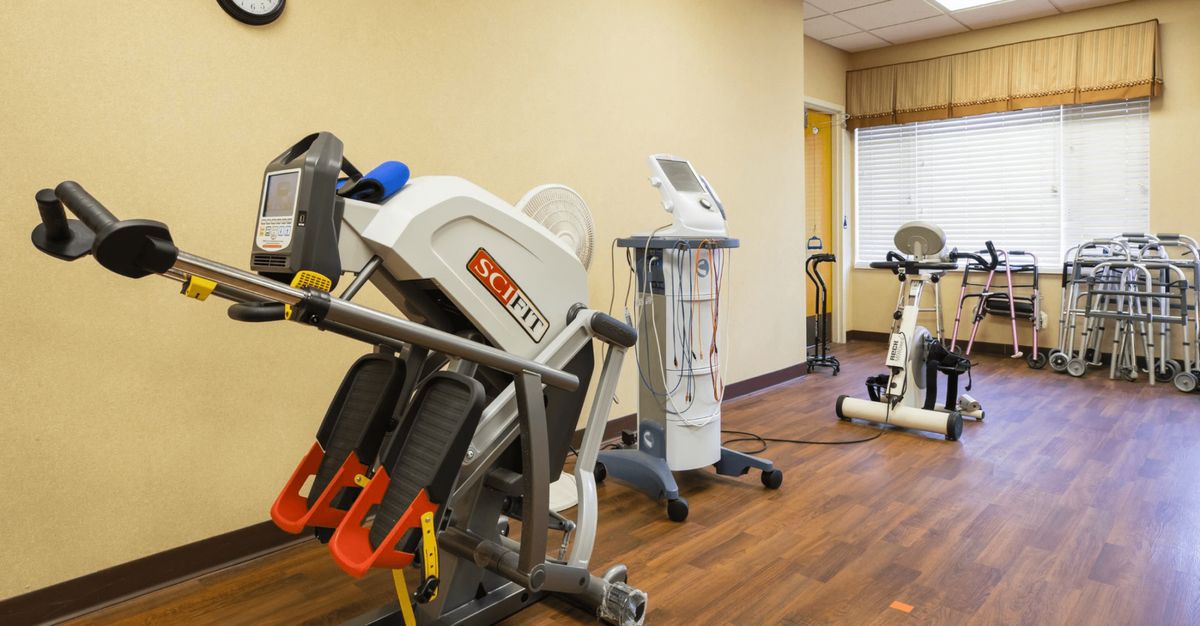
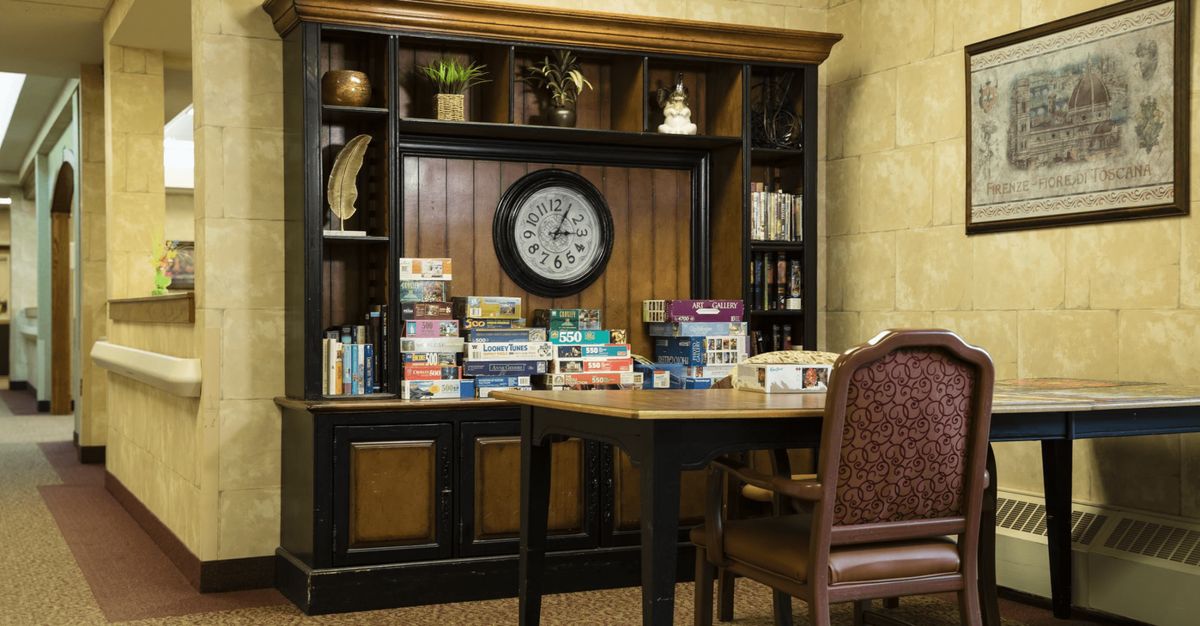






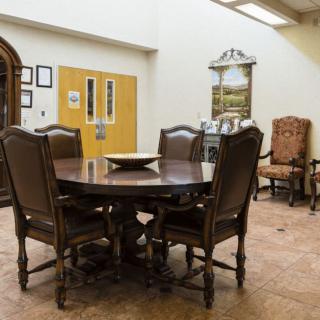

2410 SW Urish Road, Topeka, KS 66614
For more information about senior living options: (866) 208-4318
Rolling Hills Health & Rehab Costs & Pricing
Rolling Hills Health & Rehab offers competitive pricing for its services, with a monthly cost of $4,325 for a studio and $5,250 for a one-bedroom unit. When compared to the broader market, these rates are slightly below the average for Wabaunsee County, where studios run approximately $4,607 and one-bedroom apartments cost around $4,104. Conversely, both room types at Rolling Hills are higher than the state averages in Kansas, which sit at $4,094 for studios and $3,859 for one-bedroom units. This positioning reflects Rolling Hills' commitment to providing quality care while navigating the varying costs associated with local and state benchmarks.
| Floor plans | Rolling Hills Health & Rehab | Wabaunsee County | Kansas |
|---|---|---|---|
| Studio | $4,325 | $4,607 | $4,094 |
| 1 Bedroom | $5,250 | $4,104 | $3,859 |
Assisted Living communities with a similar price nearby
-
from +$275 / mo
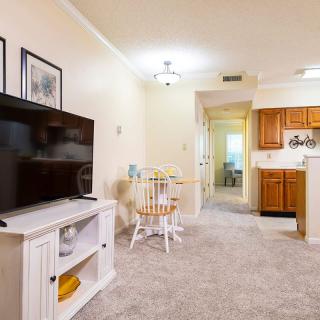
Lexington Park
$4,600 to $5,125 / month3.2 miles away -
from +$170 / mo

Legend at Capital Ridge
$4,495 to $7,530 / month0.7 miles away -
from -$725 / mo

The Healthcare Resort of Topeka
$3,600 to $3,900 / month2.5 miles away -
from +$145 / mo
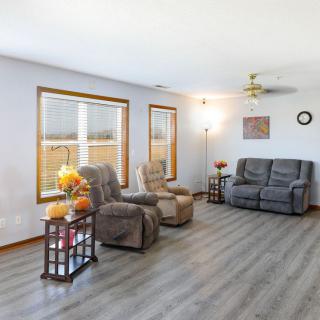
Kelly House Of Meriden
$4,470 to $4,770 / month14.5 miles away -
from -$325 / mo
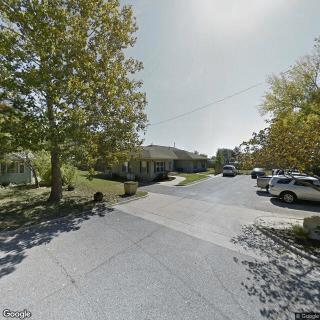
Peggy Kelly House
$4,000 to $5,350 / month2.0 miles away
Overall Review of Rolling Hills Health & Rehab
Pros
 The family remains patient as the Medicaid paperwork for Kansas is processed.
- They are hopeful that the move-in date will be set once the paperwork is completed.
- The mom is handling the Medicaid documentation, demonstrating responsibility.
Cons
 They have no move-in date yet.
- The mom must fill out Medicaid papers for Kansas, causing delays.
- The Medicaid paperwork slows the move-in process.
Review
Rolling Hills Health & Rehab in Topeka, Kansas is best suited for seniors whose finances hinge on Medicaid and who can accommodate a measured admissions timeline. The community appears ready to provide a solid post-acute or long‑term care environment once funding questions are resolved. Families should enter this option prepared for a process where paperwork and verification take center stage, rather than an immediate move in. In other words, this is not a grab-and-go placement; it is a fit for those who can align discharge plans with Medicaid approval, and who value a setting that likely prizes quality and continuity of care once the enrollment hurdles are cleared.
Those seeking quick placement, private-pay flexibility, or minimal administrative friction should consider alternatives. Turnaround speed matters for residents leaving hospital or needing timely supervision, and facilities with streamlined admissions may outperform when timing is critical. Additionally, households without ready Medicaid eligibility or without a plan to navigate the application process may experience avoidable delays or uncertain bed availability. A comparative tour should focus on admission timelines, hold policies, and what provisional arrangements are offered if Medicaid processing stretches out.
Given the rating, the likely strength lies in care quality, staff attentiveness, and a stable environment that tends to produce positive daily experiences. When admission finally occurs, these factors tend to deliver reliable routines, predictable meals, and consistent oversight, benefits that offset the current main hurdle: the Medicaid wait. In practical terms, a resident who can secure timely approvals may experience gratifying continuity in care, with fewer disruptive transitions once settled. The upside is a dependable setting for recovery or long-term living, assuming the financing pathway remains steady.
However, the Medicaid-based admission bottleneck can profoundly shape the overall value equation. Move-in delays disrupt discharge plans, can extend hospital stays, and may require temporary accommodations elsewhere. The risk is that a bed reserved for one family remains unused for weeks or longer, affecting both the resident and the facility’s scheduling. While staff may assist in moving the process along, the dependency on government paperwork introduces uncertainty that is difficult to mitigate at the point of decision.
To decide decisively, families should verify current bed availability, hold policies, and whether private-pay options exist to bridge the gap. Start the Medicaid application early, collect all required documents (proof of income, assets, medical necessity, and guardian authorizations), and request a stamped acknowledgment or interim yes from admissions. Ask for a written timeline on approvals, and inquire about temporary housing options should the delay extend. If possible, arrange a trial visit to observe routine, staffing, and the facility’s responsiveness to questions about care plans and transition support.
Overall, Rolling Hills Health & Rehab offers a potentially strong care environment for Medicaid-eligible seniors who can endure the admissions timeline. The key decision hinges on funding certainty and the ability to tolerate some uncertainty in move-in timing. Families prioritizing speed or private-pay flexibility may prefer alternatives. For those prepared to navigate the Medicaid process and who value a dependable, quality setting once admitted, the payoff can be meaningful: a stable, supportive home with consistent clinicians and a clear path to long-term care or recovery. The prudent course is an early, candid admissions discussion and a concrete contingency plan.
 21 resident community capacity
 Assisted Living
 Activities on-site
 Air-conditioning
 Bath tubs
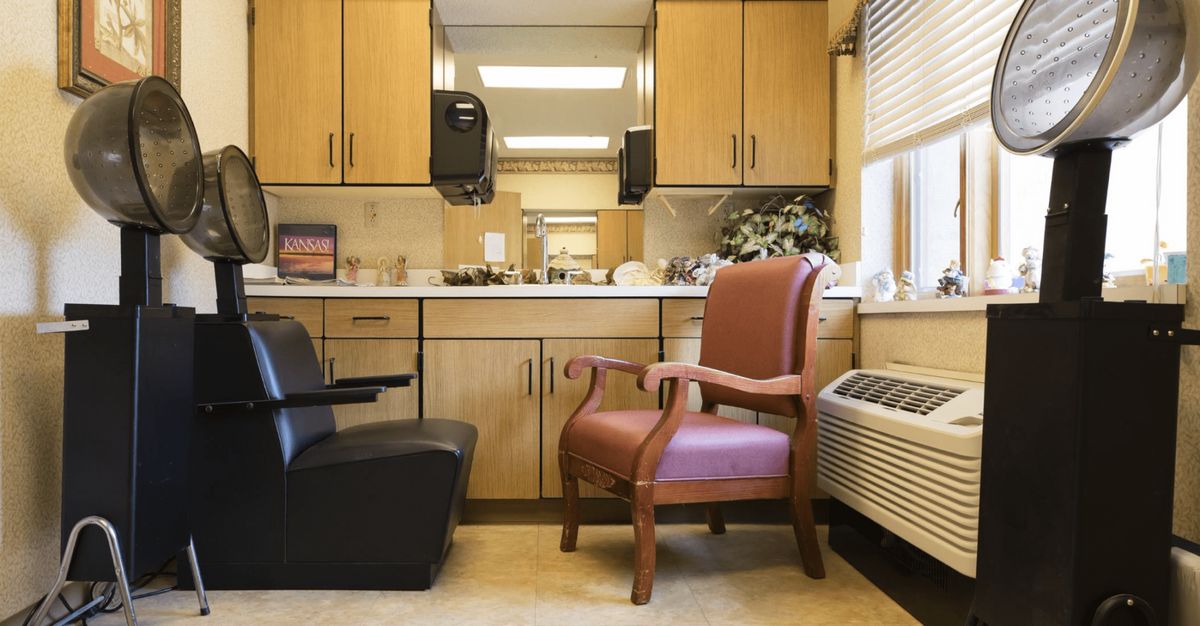
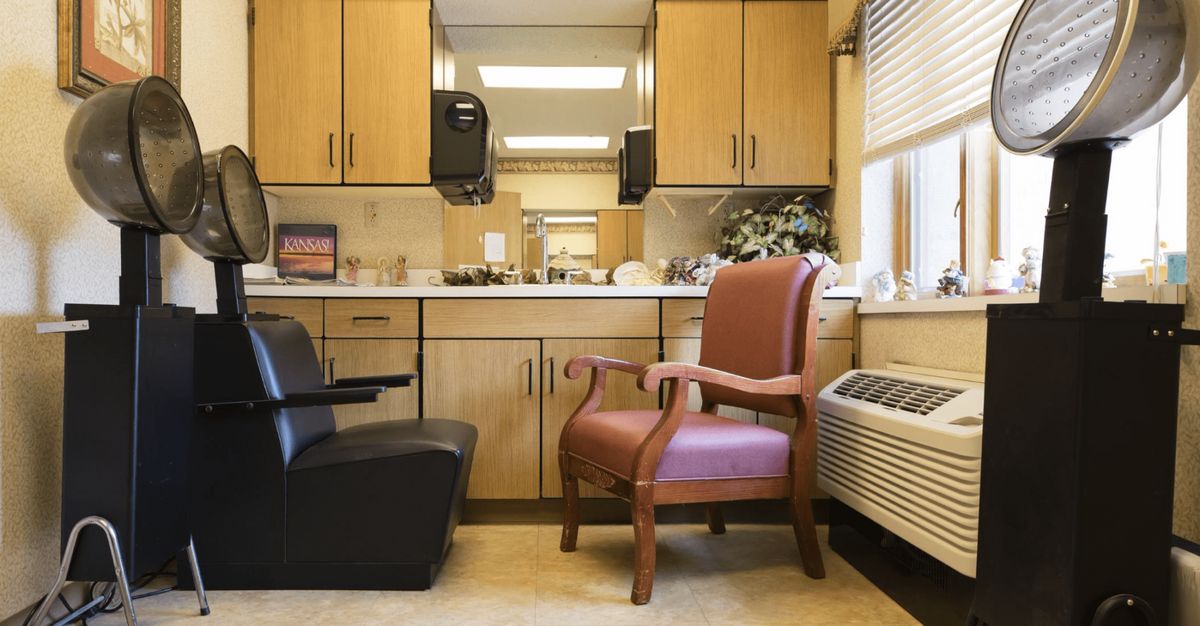
 Beautician on-site
 Cable or satellite TV
 Devotional services off-site
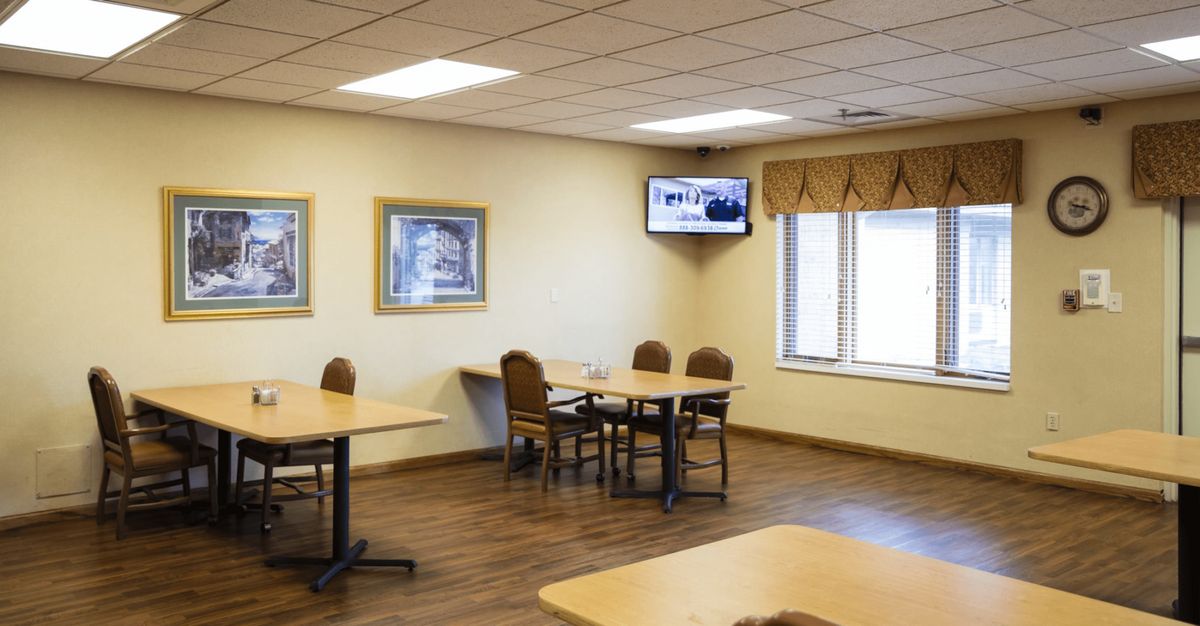
 Dining room
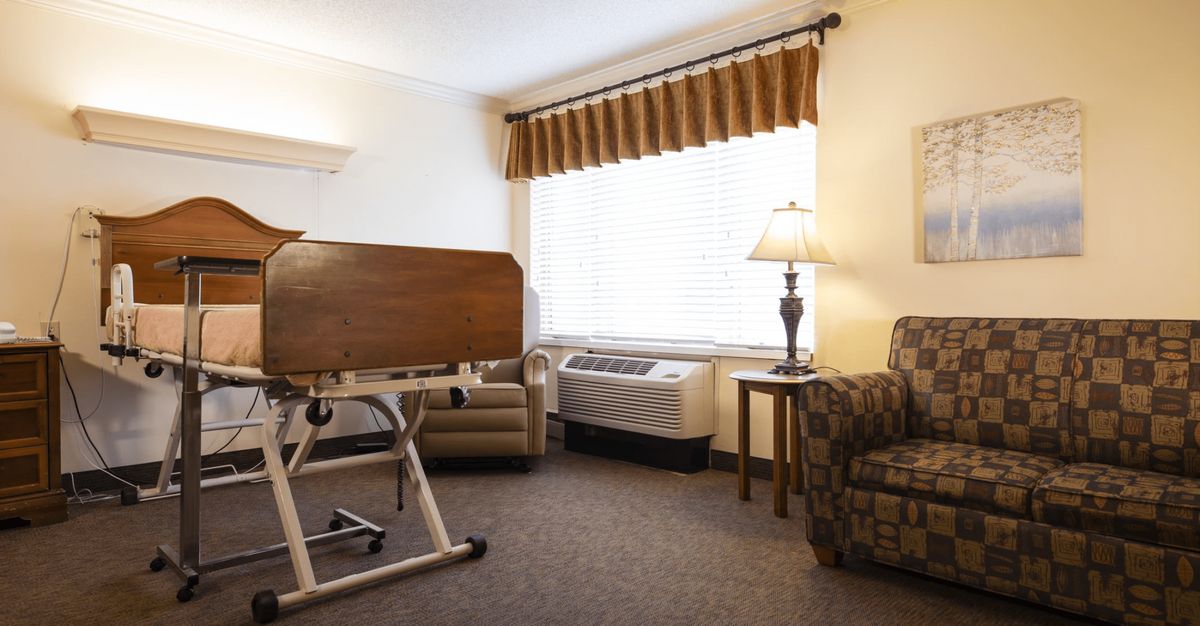
 Fully furnished
 Garden
 Ground floor units
 Handicap accessible
 Housekeeping services
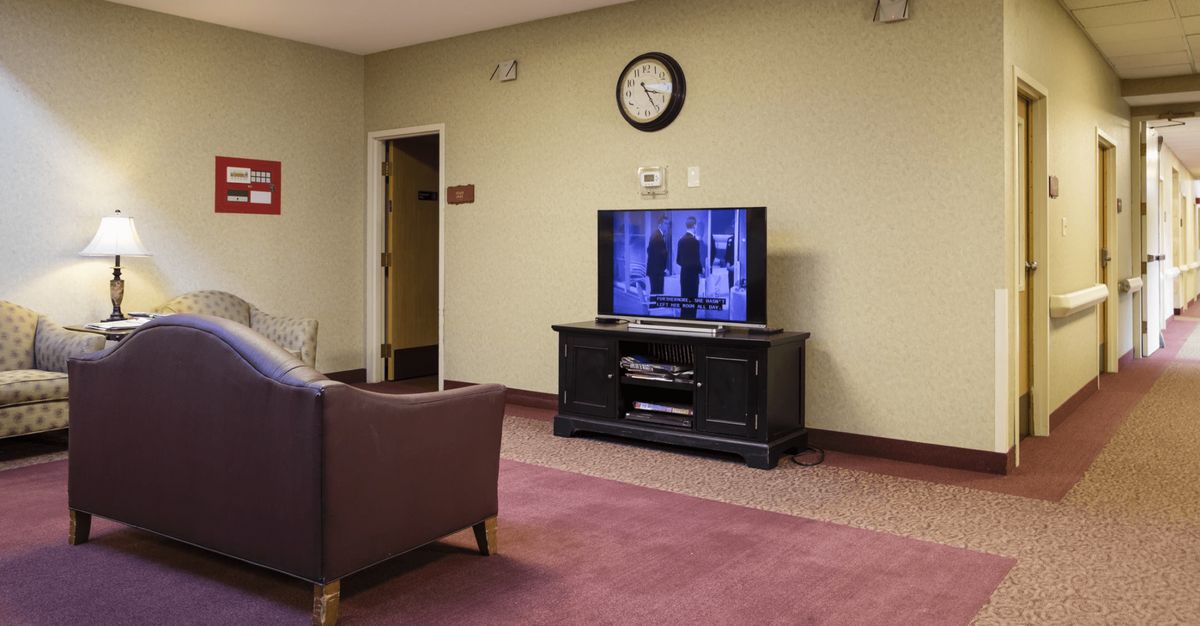
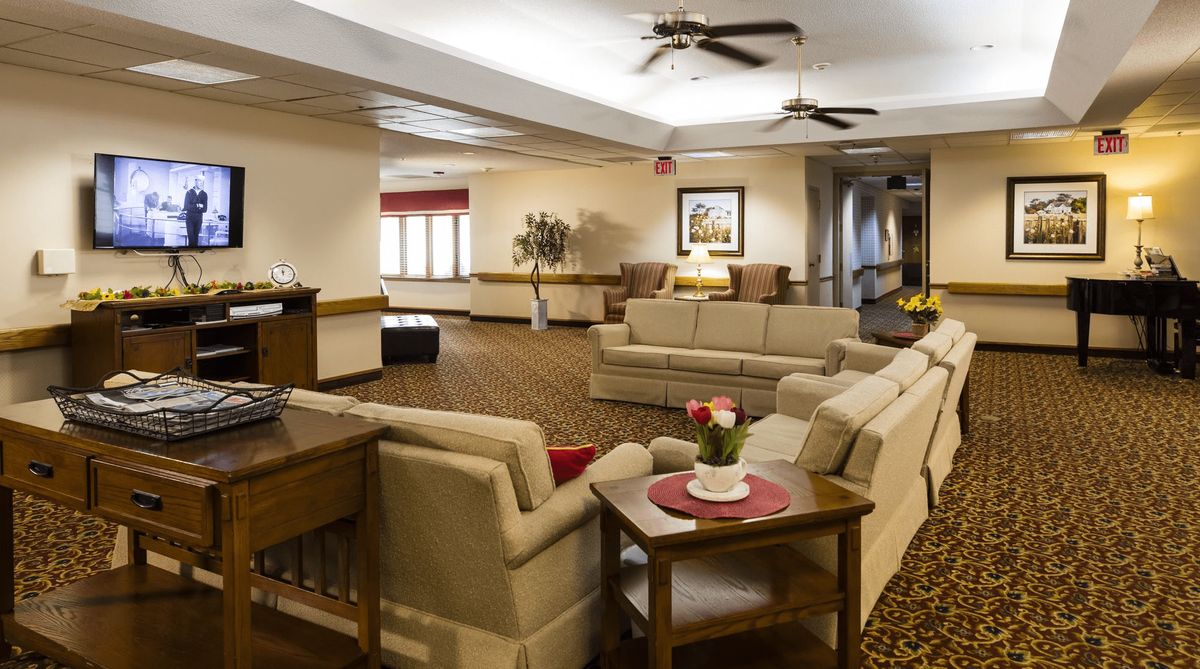
 Indoor common areas
 Kitchenette
 Move-in coordination
 Outdoor space
 Respite or short term stays offered
 Telephone
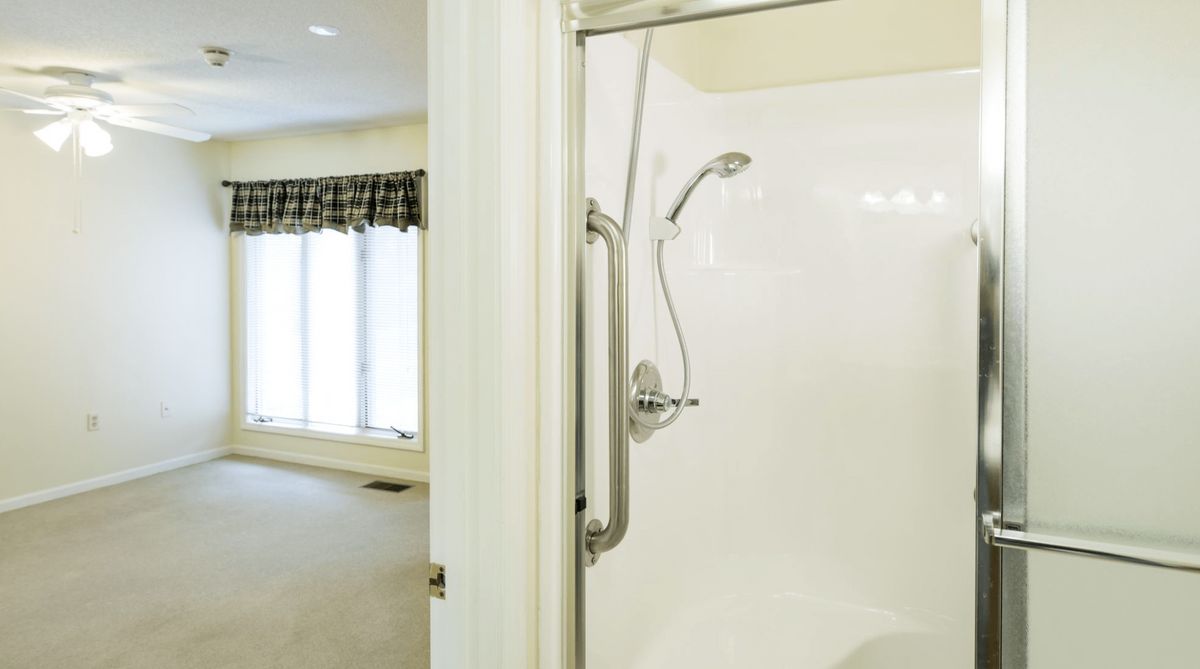
 Wheelchair accessible showers
 Wi-Fi/high-speed internet available
 Forbes (8 miles away)
 24-hour call system
 Ambulatory care
 Assistance with bathing
 Assistance with dressing
 Assistance with transfers
 Diabetes diet
 Diabetic care
 Incontinence care
 Meal preparation and service
 Medication management
 Mental wellness program
 Special dietary restrictions
 Transportation arrangement (medical)
 Transportation to doctors appointments
 BBQs or picnics
 Birthday parties
 Live musical performances
 Stretching classes





 Is Assisted Living Deductible on Your Taxes? Understanding the Complexities of Assisted Living Expenses and Deductions
 Assisted Living Support for Veterans: A Complete and Detailed Overview
 Exploring the Contrasts Between Assisted Living and Skilled Nursing