
440 South East Woodland Avenue, Topeka, KS 66607
For more information about senior living options: (866) 208-4318
Overall Review of Countryside Health Center
Pros
 It is a fantastic place to live for residents, with a nice family vibe and caring staff.
- It is described as the best place someone has ever lived, with great food, great staff, and outstanding activities.
- It appeals to a wide variety of ages, from middle age to elder, creating a family-friendly environment.
- The reviews highlight that the staff and faculty care for the residents.
Cons
 The place is disgustingly dirty.
- The staff are unhappy with their jobs and show zero concern for residents.
- Administrators are accused of lying to families and investigators.
- It is described as a horrible place to leave a loved one.
- Conditions are described as very poor.
- Residents are left dirty or soiled for hours despite complaints.
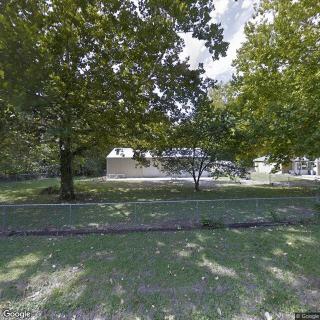
- The website contains no photos of the facility to understand what's inside.
- The reviewer alleges that staff dragged their son to the point where he cannot walk or talk.
Review
Countryside Health Center in Topeka, KS is best suited for families seeking a warm, home-like atmosphere with a friendly, family-vibe environment and engaging social life. It can be a fit for residents across a broad age range who value good meals, active programming, and a sense of community. The strongest appeal rests with those who prioritize companionship and a welcoming culture over clinical precision. This community can deliver a lively, people-centered experience for residents who can tolerate variability in care quality and cleanliness. It is not the choice for families needing consistently high medical oversight, spotless surroundings, or uniform staff performance every day.
Careful consideration is warranted for families who may want alternatives. Several reviews flag serious concerns about cleanliness, staffing reliability, and administrative transparency. For someone with substantial medical or daily living needs, the risk of inconsistent attention to cleanliness and to individualized care plans stands out as a decisive factor. Prospective residents with high expectations for meticulous housekeeping, tightly managed care protocols, and straightforward, verifiable communication from administration may find these gaps too large to overlook. The similarity of strong praise in some quarters to sharp denunciations in others underscores a decisive caution: outcomes seem highly dependent on who is on shift and which wing or floor is involved.
The facility’s strongest positives, quality meals, engaging activities, and a genuine sense of care from some staff, do carry real weight. When reviews highlight tasty food and attentive, friendly caregivers, those elements create meaningful daily value and can offset some of the stress of living away from home. A vibrant social calendar and staff who engage residents in meaningful ways can transform daily life, delivering purpose and connection that residents crave. However, these advantages are unevenly distributed across the resident experience, and they fail to fully counterbalance reports of dirty conditions, inconsistent supervision, and a perception that management does not consistently hold teams accountable.
On balance, the red flags regarding safety and accountability are too prominent to overlook. Complaints about filthy living spaces, residents left unattended for extended periods, and allegations of deception by administration have enough weight to trigger serious caution. The fact that some reviewers describe contacting health authorities and others noting wall-of-complaints visibility suggests a broader pattern of dissatisfaction with transparency and responsiveness. For families, this means a rigorous, defense-in-depth inquiry is essential: do not rely on a single tour or anecdote. Demand current inspection results, a clear care plan, and a palpable system for follow-through on concerns.
For families actively evaluating facilities, practical steps are essential. Request comprehensive tours focused on cleanliness, resident dignity, and daily routines; interview frontline staff and long-tenured supervisors about training, turnover, and supervision. Review state inspection reports and any recent corrective-action plans, and ask to see the facility’s complaint log and how responses are communicated to families. Confirm meal quality over a typical week, access to meaningful activities, and how care plans are individualized and updated. If possible, arrange conversations with current residents and families to gauge consistency across shifts, not just sporadic anecdotes.
In the end, Countryside Health Center is a mixed bag. It can deliver a socially rich, home-like setting that many residents will value, with meals and activities that feel truly rewarding. Yet the vulnerabilities cited, unclean environments, uneven staff performance, and concerns over administrative candor, are legitimate barriers for anyone prioritizing reliability and predictable care. The safest recommendation is to consider Countryside as a potential match for those who can tolerate risk for the sake of a warm, engaging community, but only after thorough due diligence and side-by-side comparisons with facilities that demonstrate consistently strong cleanliness standards, transparent governance, and uniformly attentive care.
 88 resident community capacity
 Skilled Nursing Facility
 Air-conditioning
 Beauty salon
 Cable or satellite TV
 Computer center
 Dining room
 Fitness room
 Fully furnished
 Gaming room
 Garden
 Housekeeping services
 Kitchenette
 Move-in coordination
 Outdoor space
 Private bathrooms
 Restaurant-style dining
 Small library
 Telephone
 Wellness center
 Wi-Fi/high-speed internet available
 Forbes (7 miles away)
 Community operated transportation
 12-16 hour nursing
 24-hour call system
 Activities of daily living assistance
 Assistance with bathing
 Assistance with dressing
 Assistance with transfers
 Diabetes diet
 Medication management
 Mental wellness program
 Special dietary restrictions
 Concierge services
 Planned day trips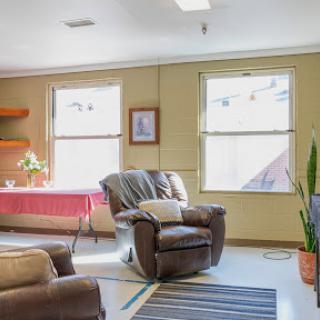





 Comprehensive Guide to Qualifying for Home Health Care Services
 Powerful Realities of Elder Abuse and the Most Effective Ways to Report It
 Ten Vital Duties of a Senior Caregiver: A Comprehensive Guide