
720 North West Walnut Lane, Topeka, KS 66617
For more information about senior living options: (866) 208-4318
Overall Review of Autumn Home Plus 2
Pros
 The care provided is excellent.
- There is cohesive teamwork among the staff not seen in other facilities.
- The environment is clean and well maintained.
- The staff treat residents and their family members like family.
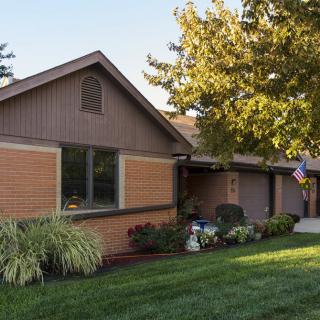
- The Autumn Home Plus homes are nice, clean, and well maintained.
- The staff are professional and pleasant, contributing to a home-like atmosphere.
Cons
 They would rate it 0/10 and would not recommend it.
- The reviewer's mother suffered from horrible bed sores during her passing.
- It is a horrible place to work due to understaffing and workers being overworked.
Review
Autumn Home Plus 2 in Topeka, Kansas is best suited for seniors who prize a warm, home-like atmosphere, clean surroundings, and a staff culture that feels cohesive and family-oriented. The community tends to appeal to residents who respond well to personal attention, courteous caregiving, and a sense of belonging in a smaller, homier setting. Those seeking a highly medicalized program, aggressive wound care, or constant nurse-led oversight should consider alternatives to avoid shortfalls in clinical attention. In practical terms, this location is a solid fit for comfort-driven living where daily warmth and steady interpersonal care take precedence over hospital-style intensity.
Still, care quality cannot be assumed to be uniformly reliable. Several reviews flag understaffing and a sense that caregivers are stretched thin, which can slow responses and undermine proactive problem-solving. A particularly troubling account describes severe pressure injuries in a resident near the end of life, a clear indicator that staffing pressure can translate into tangible harm when needs spike. Taken together, these signals warn that the environment can slip from comfortable to concerning during busy shifts or high-acuity periods. Families should treat staffing consistency as a core criterion in any decision, not a secondary consideration.
On the positive side, when staff are present, resident care is described as excellent, with a cohesive team that operates like a unified unit. The atmosphere is repeatedly characterized as clean, well maintained, and professional, with caregivers who are pleasant and respectful toward both residents and their families. This combination of meticulous upkeep and a genuinely family-like approach can yield meaningful quality-of-life advantages, especially for residents who crave predictable routines and dependable, personable interactions. The synergy described among staff and residents is not common in every senior living setting and can be a decisive factor for those prioritizing emotional well-being and daily dignity.
The flip side is substantial. The facility’s overall rating, 3 out of 15 across 15 reviews, and several low-star experiences cannot be ignored. The most alarming implications revolve around staffing levels and potential lapses in care when demand peaks. The bed-sores incident, if substantiated, would signify a grave gap in standard-of-care and warrants scrutiny of wound-care protocols, staff training, and escalation procedures. In short, the strengths, cleanliness, professionalism, and a family-like culture, do not automatically negate these vulnerabilities. When staffing becomes inconsistent, even the strongest cultural assets struggle to maintain safety and reliability.
Nonetheless, the positives carry tangible weight. A cohesive, well-trained team offers a reservoir of stability that can dramatically improve day-to-day life for residents who tolerate routine and emotional warmth well. Clean, well-kept spaces reduce risks and foster comfort, while a professional, pleasant staff can ease anxiety for families and residents alike. The overall experience hinges on minimizing the inconsistency between shifts and ensuring medical oversight keeps pace with resident needs. If those conditions cannot be consistently met, the underlying advantages may be insufficient to sustain long-term confidence.
For families weighing this community, the most prudent path is a rigorous vetting process focused on concrete metrics rather than impressions. Request current staffing ratios by shift, obtain the most recent wound-care policies, and review staff training records specific to pressure injuries and skin integrity. Seek conversations with the most active nursing personnel and with resident-family representatives who can provide unfiltered perspectives. Examine recent state survey findings and ask administrators to explain any past incidents and corrective actions. Conduct in-person tours that cover day and evening hours to observe response times, engagement levels, and overall safety. Finally, compare cost structures and contract terms against facilities with proven, transparent medical oversight to determine whether Autumn Home Plus 2 delivers sustainable peace of mind or whether an alternative will better align with safety and quality priorities.
 8 resident community capacity
 Assisted Living
 Cable or satellite TV
 Dining room
 Fully furnished
 Garden
 Housekeeping services
 Move-in coordination
 Outdoor space
 Telephone
 Wi-Fi/high-speed internet available
 Forbes (10 miles away)
 24-hour supervision
 Activities of daily living assistance
 Assistance with bathing
 Assistance with dressing
 Assistance with transfers
 Diabetes diet
 Meal preparation and service
 Medication management
 Special dietary restrictions
 Transportation arrangement (medical)
 Transportation to doctors appointments




 Assisted Living Support for Veterans: A Complete and Detailed Overview
 Exploring the Contrasts Between Assisted Living and Skilled Nursing
 8 Key Indicators That Suggest It May Be Time to Transition from Assisted Living to Skilled Nursing Care