

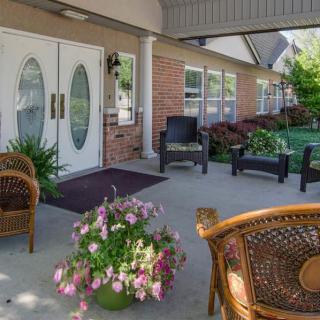
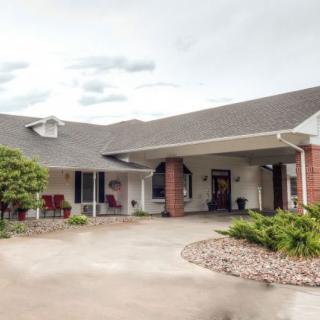
908 North Pearl, Paola, KS 66071
For more information about senior living options: (866) 208-4318
North Point Costs & Pricing
At North Point, the costs for accommodations reflect a competitive pricing strategy within the broader context of Miami County and the state of Kansas. For semi-private rooms, North Point's monthly rate stands at $4,971, which is notably higher than the county average of $4,236 but remains slightly below the state average of $4,562. In contrast, private room rates at North Point are priced at $5,307, placing them just under Miami County's average of $5,654 while being more favorable compared to the state average of $5,137. This positioning suggests that North Point offers a unique value proposition in terms of care quality and amenities despite being pricier for semi-private options.
| Floor plans | North Point | Miami County | Kansas |
|---|---|---|---|
| Semi-Private | $4,971 | $4,236 | $4,562 |
| Private | $5,307 | $5,654 | $5,137 |
Overall Review of North Point
Pros
 Northpoint was a blessing to the resident and her family.
- The staff treated the family as their own and took concerns seriously.
- The resident felt at home and was comfortable there.
- The staff were professional, patient, and caring.
- The physical therapists were good.
- The food looked good and was available with a smile when requested.
Cons
 The facility is a hot mess.
- It reeked of urine.
- The physical therapy room is in chaos.
- The staff would forget to feed mom during physical therapy meals.
- The food was horrible.
- They have no clue about delirium.
- The head nurse has a very bad attitude and never smiles.
- A financial staffer claimed the resident had been there 20 days and owed money, which was inaccurate.
- Rehab did not start until eight days after admission.
- The facility is short-staffed, leaving family members to feed and change residents.
- A resident developed a bed sore with no one actively healing it.
- The administration is rude and fails to return calls.
Review
North Point in Paola, Kansas is best suited for families that can stay actively involved in a loved one’s daily care, especially when rehabilitation is part of the plan. It can work for residents who respond positively to personal, sometimes affectionate interactions with caregivers and who tolerate a fair amount of variability in staffing and day-to-day operations. In short, this option favors hands-on oversight and a willingness to push for timely attention and deliberate care planning rather than hands-off dependence.
Those with nonnegotiable needs should clearly consider alternatives. If reliable, consistent staffing, prompt response to requests, and a hygienic, well-run environment are essential, this community may fall short. Alzheimer’s or delirium-prone residents require specialized attention and stable care teams, and several reviews flag gaps in recognition and management of confusion, agitation, or memory-related challenges. The potential for bedsores, missed meals during therapy, and inconsistent administrative follow-through also signals a need for caution for families seeking predictable operations and transparent communication.
On the upside, the strongest positives show up as genuine caregiver warmth and relationships. Some residents and families praise staff who treat people like family and remember individual preferences, which can make a meaningful difference in day-to-day satisfaction. Physical therapy is highlighted as a strength in certain cases, and there are mentions of remodeling work improving the facility’s atmosphere. When care teams are present and engaged, residents benefit from personal attention, a sense of safety, and some decent therapeutic interaction that supports mobility and mood.
Yet the main cons repeatedly surface as core risks. Chronic understaffing can translate into delayed assistance, missed meals, and family members assuming basic caregiving tasks that should lie with trained staff. Reports of rude or overwhelmed administration, billing confusion, and poor responsiveness further erode trust in the system. Hygiene concerns, such as odors and slow diaper changes, plus occasional lapses in feeding and wound care, create an environment where safety and comfort are not guaranteed. These issues often outpace the favorable anecdotes and create a pattern that is hard to overlook.
In weighing the pros against the cons, the positives become meaningful mainly for families who can maintain vigilant oversight and advocate for individualized care plans. The warmth of certain staff, the potential for solid rehab when it occurs, and the improvements from remodeling can matter, but they do not reliably counterbalance the operational weaknesses and safety risks highlighted across reviews. For residents with higher medical or cognitive needs, the risks of delayed rehab, inconsistent care, and poor communication tend to dominate the overall experience.
Decision guidance follows from this balance. Prospective families should insist on a clear, written care plan that includes daily nurse check-ins, a concrete rehab timetable, and explicit lines of responsibility for meals and hygiene. Visit at multiple times of the day to observe responsiveness, talk with the therapy staff about pacing, and verify that the kitchen and housekeeping routines meet standards. Have a frank conversation about staffing levels, turnover, and how administration handles concerns or complaints. If this level of visibility cannot be guaranteed or if prior experiences with similar facilities lean toward consistent lapses, exploring nearby options with stronger staffing, more reliable meal service, and clearer dementia-care expertise is warranted.
 21 resident community capacity
 Skilled Nursing Facility
 Beauty salon
 Cable or satellite TV
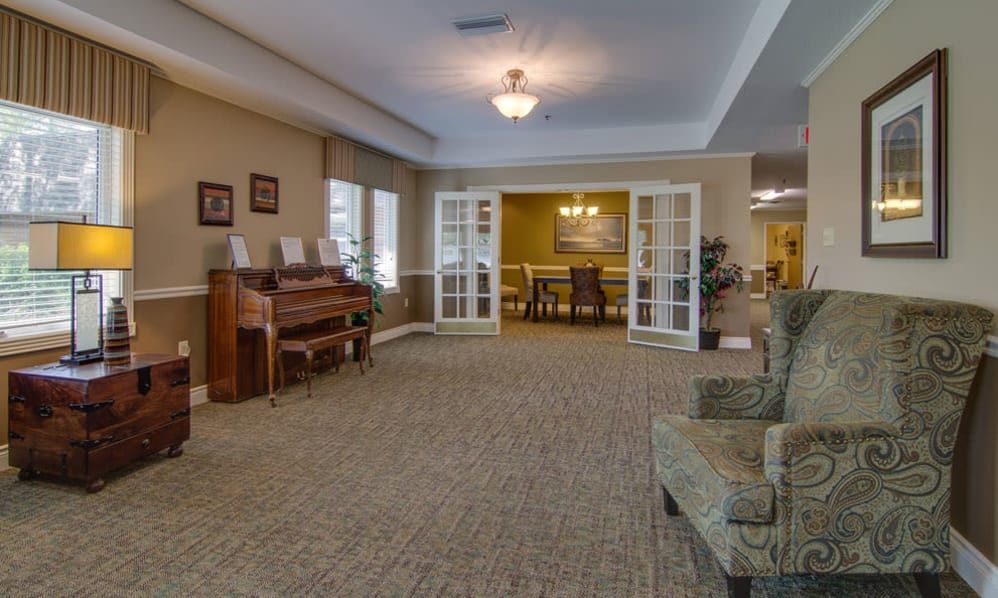
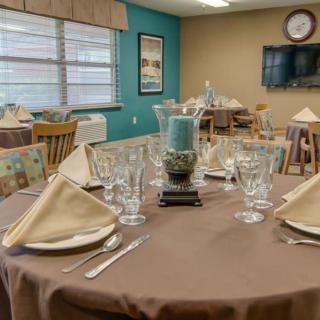
 Dining room
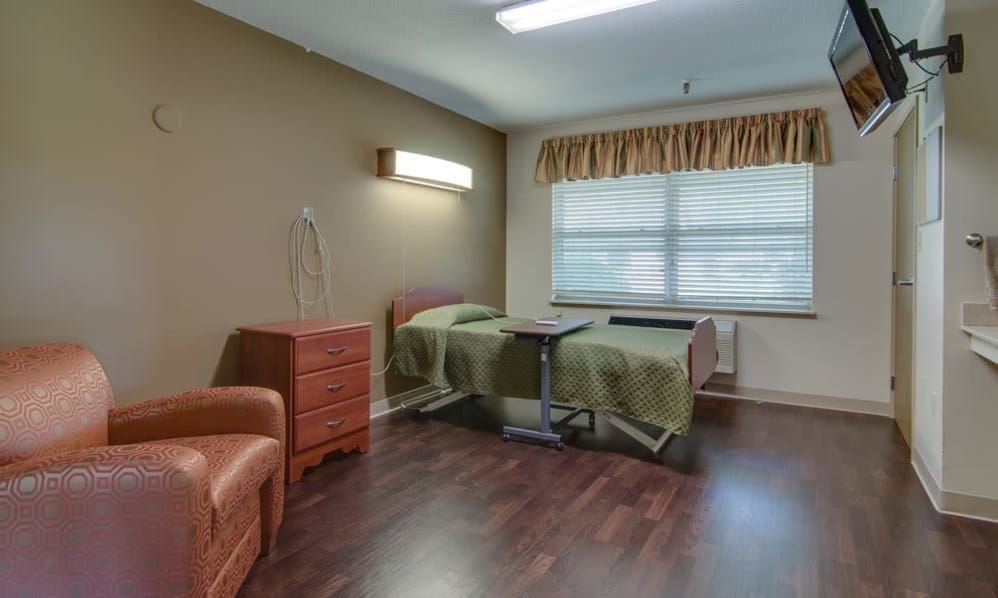
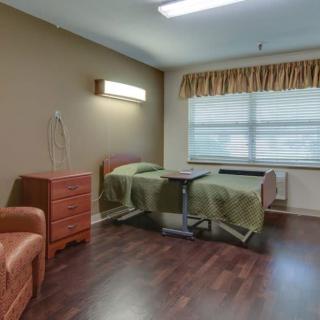
 Fully furnished
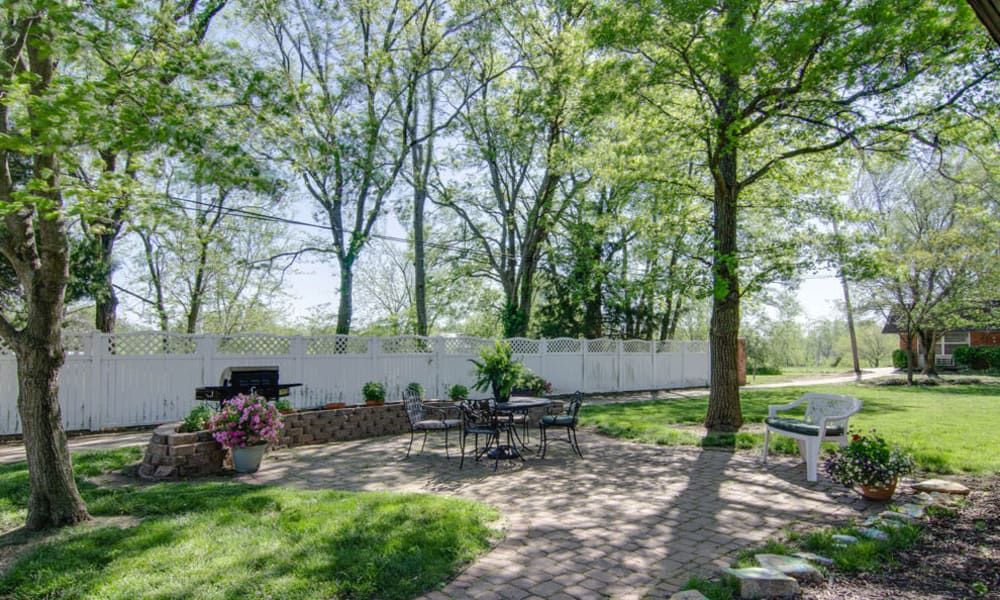
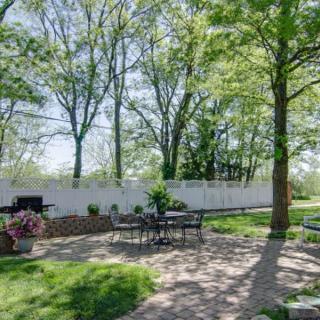
 Garden
 Housekeeping services
 Kitchenette
 Move-in coordination
 Outdoor space
 Private
 Telephone
 Wi-Fi/high-speed internet available
 24-hour call system
 Activities of daily living assistance
 Assistance with bathing
 Assistance with dressing
 Assistance with transfers
 Diabetes diet
 Meal preparation and service
 Medication management
 Mental wellness program
 Special dietary restrictions
 Transportation arrangement (medical)
 Transportation to doctors appointments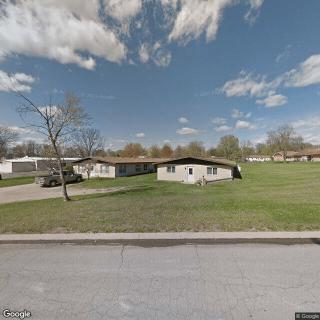

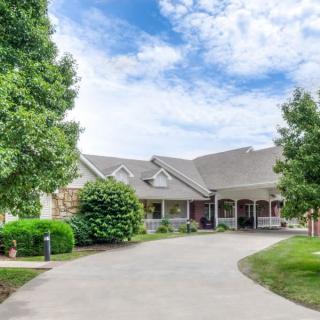

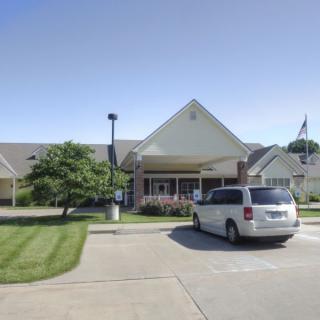



 Understanding the Nuances of Palliative Care and Hospice: A Comprehensive Exploration
 Fecal Incontinence in Older Adults: A Comprehensive Guide
 Nurturing Well-Being Through Gardening: A Detailed Guide for Senior Enthusiasts