
2 Lewis Drive, Paola, KS 66071
For more information about senior living options: (866) 208-4318
Overall Review of Country Club Estates Lp
Pros
 The staff there are great and caring.
- Her mother lived there for eight years and had no complaints.
Cons
 There are no negative third-person statements in the provided reviews.
Review
Country Club Estates in Paola, KS is best suited for families and seniors who prize a small, homey atmosphere where frontline staff are consistently attentive and residents can build lasting relationships with caregivers. The strongest signal from the community is a culture of care that translates into stability for residents: a long-tenured caregiving team and a resident story of eight years without major complaints. For families seeking reassurance that daily living is handled with warmth, patience, and personal touch, this community delivers in a way that many larger campuses struggle to match. In short, it is a practical fit for seniors who value dependable staff rapport and a coherent, predictable routine over flashy programming.
Those weighing options should consider alternatives if the emphasis is on rapid access to high-acuity medical support, comprehensive memory care, or a broad menu of highly structured activities and rehab services. While the reviews highlight caring staff, they offer little detail on advanced clinical capabilities, specialized dementia programming, or the depth of therapeutic offerings. Prospective residents with complex health needs or families seeking aggressive care management may find other communities that delineate specific memory care tracks, therapy schedules, and on-site clinicians more clearly. Similarly, households focused on expansive social calendars or resort-style amenities might prefer a larger campus with more variety in programming and dining concepts.
The most compelling pros, genuine, caring staff and a stable, long-term workforce, act as a strong counterweight to the potential gaps that come with a smaller operation. When caregivers stay with residents over years, as indicated by the long tenure implied by eight-year stays, the cadence of daily life becomes predictable, and residents avoid the stress of acclimating to new caregivers. This consistency reduces the likelihood of miscommunications and fosters a sense of安心 and trust that translates into smoother fall precautions, medication routines, and daily activities. In an environment where staff turnover can disrupt routines, Country Club Estates’ stability stands out as a meaningful benefit.
On the flip side, the limited breadth of publicly available information means there is more to verify during a visit. With only a handful of reviews, potential residents should probe for specifics about meal quality, activity calendars, transportation options, and the actual staffing ratios on evenings and weekends. The absence of explicit drawbacks in the feedback does not guarantee that all needs will be met; it simply reflects a positive bias or limited reporting. Families should request current resident surveys, tour the dining room and activity spaces, and speak with both care staff and administrators about contingencies for emergencies, rehab, and on-site medical oversight.
The way these positives offset the questioned gaps is practical and persuasive: a caring culture reduces daily friction and fosters trust, while staffing continuity supports consistent care plans and safer, more predictable routines. For families who prioritize a quiet, neighborly setting where staff learn preferences and preserve independence, these attributes can be more valuable than the more exhaustive but impersonal programming found elsewhere. In short, the stability and warmth provide real, tangible dividends that can offset the absence of a broad menu of high-end amenities or specialized medical services.
The bottom line is clear: for households prioritizing dependable, compassionate caregiving and a stable living environment, Country Club Estates offers a compelling, practical option. Prospective residents should plan a focused site visit to confirm that care levels align with current health needs and to benchmark pricing against peers in the region. Those with moderate care requirements, a preference for long-term relationships with caregivers, and a desire to avoid frequent transitions will likely feel confident moving forward. If, however, the senior requiring the strongest clinical oversight, dementia-specific programming, or an expansive, activity-rich calendar is the priority, it’s prudent to compare several alternatives and verify that the chosen community can meet those specific expectations.
 22 resident community capacity
 Assisted Living
 Beauty salon
 Cable or satellite TV
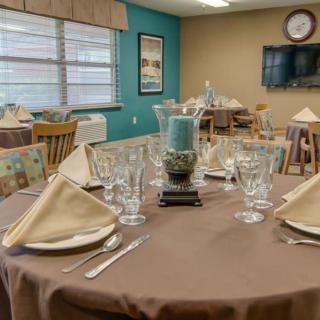
 Dining room
 Fully furnished
 Garden
 Housekeeping services
 Kitchenette
 Move-in coordination
 Outdoor space
 Restaurant-style dining
 Small library
 Telephone
 Wi-Fi/high-speed internet available
 24-hour call system
 Activities of daily living assistance
 Assistance with bathing
 Assistance with dressing
 Assistance with transfers
 Diabetes diet
 Medication management
 Mental wellness program
 Special dietary restrictions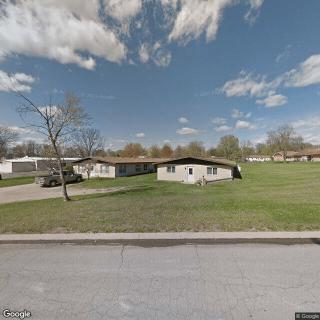



 An Extensive Exploration of the VA Aid and Attendance Benefit
 Senior Transition Services: Understanding Their Role, Cost, and Importance
 Exploring the Path to Senior Living: A Comprehensive Look at Independent Living and Assisted Living