
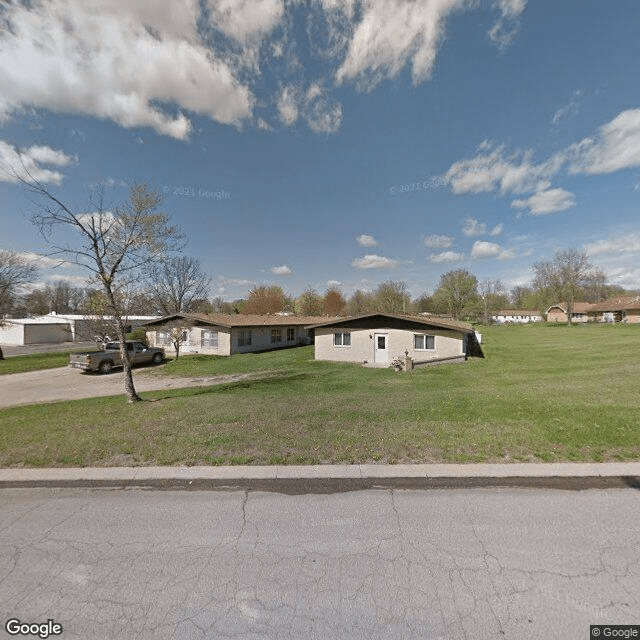
2 Lewis Dr, Paola, KS 66071
To contact a resident: (913) 294-4531
For more information about senior living options: (866) 208-4318
Overall Review of Country Club Estates
Pros
 The staff at Country Club Estates are great and caring.
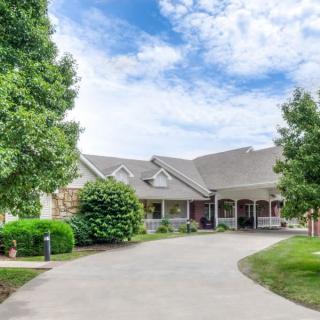
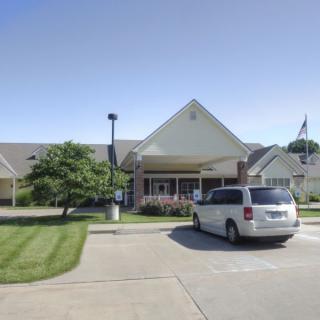
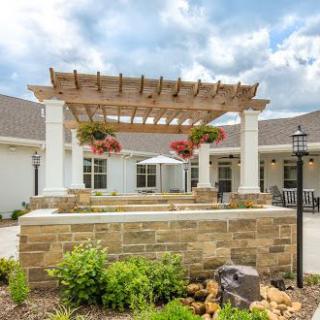
- The facility has a homey atmosphere that feels welcoming.
- The facility offers engaging activities, including outings, books, puzzles, and event nights.
- The staff provide attentive care with assisted showers, medication management, and transportation.
- The food is great and the staff know residents' preferences and needs.
- The facility feels like a big family, with professional nurses who respect residents' rights and feelings.
- The owner, Dave, is involved with residents and genuinely cares about their happiness.
Cons
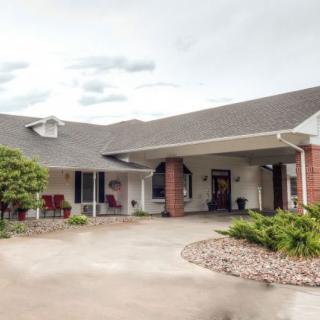
 The facility feels dated.
- One reviewer noted that the food was only okay.
Review
Country Club Estates in Paola, KS is best suited for families seeking a warm, home-like atmosphere where staff truly knows residents and daily life feels personalized rather than institutional. The community shines for those who value continuity, quiet stability, and a culture that feels like a close-knit family. Residents who flourish here tend to appreciate the sense that caregiving is relational as much as routine, where caregivers remember preferences, celebrate small milestones, and foster a familiar rhythm that makes eight-year stays or longer feel natural rather than transitional.
Those who may want to consider alternatives are families prioritizing modernity, size, or specialized medical resources. If a resident requires or prefers a sleek, newer building, a campus with expansive clinical services, or a robust, highly specialized memory care unit, this Paola option may feel dated by comparison. Similarly, families seeking gourmet dining as a central feature or a campus with broad, on-site rehabilitation and highly diverse therapeutic offerings might find other communities more aligned with those expectations.
The strongest positives here, caring staff, a genuinely homey vibe, and robust social programming, more than offset a building that visibly shows its age. Staff is described as deeply involved, with individuals who know residents by name and respond to needs with respect and sensitivity. The activity slate includes group outings, puzzles, event nights, and an array of music and arts programs, plus the freedom to enjoy books or games in a rec room that feels more like a community living room than a hallway of rooms. The combination of transportation, assisted showers, medication management, and utilities such as internet and cable broadens daily convenience in a way that supports aging in place with dignity.
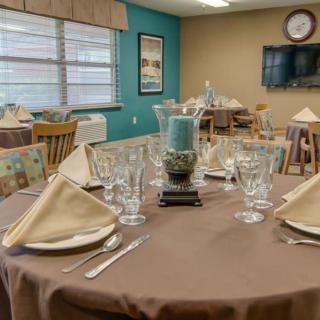
Dining experiences range from “great” to “okay,” but the decisive factor is how the kitchen and caregiving team accommodate individual needs. Several reviews highlight multiple meal options and even customized plans for residents with special nutrient requirements, underscoring a willingness to tailor nutrition rather than offer a generic menu. The inconsistent taste perceptions among residents are real, yet the overall culture of attentiveness to meals and nourishment, paired with staff who monitor preferences, provides a practical counterweight to any perceived culinary variability. In a home-like setting, such responsiveness often matters more than flawless gourmet execution.
A recurring, hard-to-replace advantage is the owner’s personal presence and ongoing engagement. Dave’s involvement with residents, and his demonstrated concern for happiness and well-being, translate into a sense of trust that eases difficult transitions for families. Personal touches, like signed holiday cards years after a loved one’s passing, signal stability and long-term commitment that many families find priceless. This level of relational continuity can dramatically reduce the stress of placing a loved one in care, turning a challenging decision into one anchored by confidence and ongoing communication.
For decision-makers, Country Club Estates represents a compelling fit when the priority is a trusted, family-forward environment where staff know residents well, activities sustain engagement, and care feels personal rather than clinical. It is less suited for families chasing the latest building trends, expansive rehab programs, or highly specialized medical infrastructures. Prospective buyers or movers should validate current dietary flexibility, the exact scope of medical oversight available on-site, and the degree of modern amenities present in common spaces. A thoughtful visit will reveal whether the homey, relationship-centered culture matches the resident’s expectations for daily life, while nearby alternatives can offer the newer styling and broader clinical resources that some families also consider essential.
 Assisted Living
 Activities on-site
 Devotional services off-site
 Indoor common areas
 Ambulatory care
 Diabetic care
 Meals provided



 Medicare Coverage for Assisted Living: An In-Depth Exploration
 Choosing the Right Senior Care: A Detailed Exploration of Assisted Living and Nursing Homes
 Understanding the True Cost of Assisted Living in 2025: A Comprehensive Guide