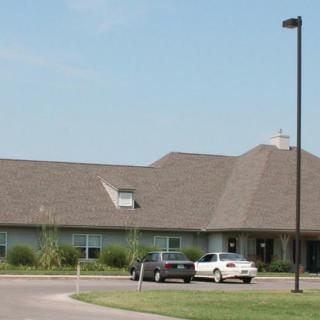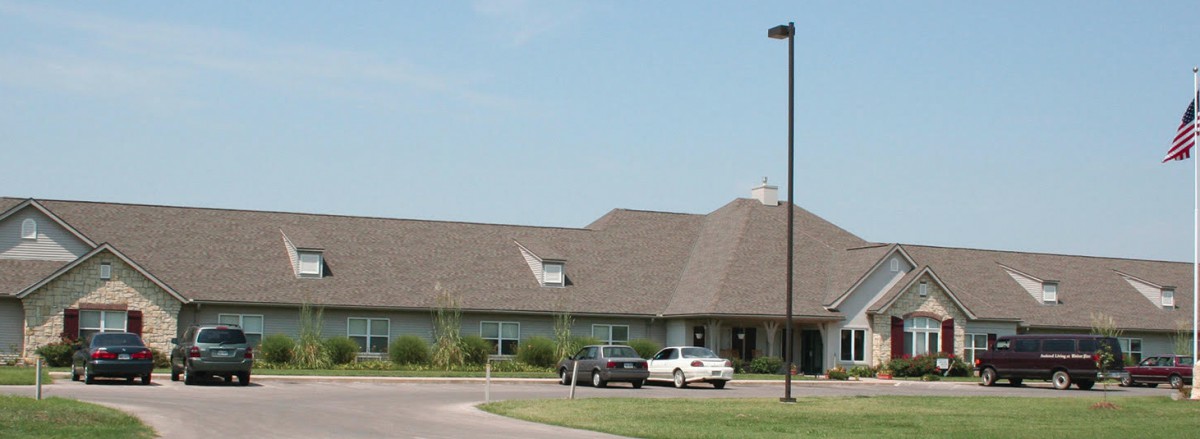
2921 West 1St Street, Coffeyville, KS 67337
For more information about senior living options: (866) 208-4318
Overall Review of Windsor Place - Coffeyville
Pros
 The staff were pleasant and caring.
- They were encouraging and inspirational, and patients looked forward to daily activities.
- The PT rooms were clean and organized, and the public areas were well-kept.
- Meals were good and served hot and on time.
- The staff were compassionate and attentive, going above and beyond to ensure comfort and progress.
- The physical therapy team was excellent—patient, encouraging, and tailored to regain strength and confidence.
- The facility was clean and welcoming, and communication with the family was great.
- Mom made a remarkable recovery thanks to the care and therapy.
Cons
 They warned to find another facility, stating Medicalodges had reached a new low with poor care, cleanliness, and meals, and a shortage of skilled nurse aides in the dementia unit.
- An aide was reportedly verbally abusive to the father, witnessed by the reviewer.
- They alleged that prejudice among staff allowed racial slurs online, making the facility unsafe for defenseless Caucasian elderly residents.
- Bed sores and severe UTIs went unaddressed, with rude staff snapping at residents and leaving them soaked and untreated for hours.
- Management was described as horrible, with problems unaddressed and patients experiencing repeated falls without charting or doctor notification.
- Dementia patients were allegedly chemically restrained and drugged to prevent problems.
- For the price, residents deserved proper care and more staffing, which the facility failed to provide.
- The care facility was not up to code, requiring evacuation of residents to another facility.
Review
Windsor Place in Coffeyville, KS is best suited for seniors needing short-term rehabilitation after a hospital stay or major surgery, who value a hands-on physical therapy program, a clean and welcoming environment, and dependable daily routines. The most repeated strength across reviews is a rehab-focused culture that yields tangible gains: therapists who are patient, encouraging, and adept at tailoring exercises to restore strength and confidence. Families consistently note clean therapy spaces, meals served hot and on time, and staff who communicate progress clearly, creating a reliable bridge back to independence during a critical recovery window.
Those considering alternatives should keep in mind that the strongest caveats appear in reviews about long-term care, safety, and broader staffing concerns. While Windsor Place itself attracts many praise for rehab outcomes, several negative accounts circulate about care quality in related facilities within the same care network. For families whose decision hinges on sustained custodial care, dementia management, or enduring safety and staffing reliability, these reports signal the need for careful comparison, potential red flags that deserve independent verification before placing a loved one in long-term or high-acuity care.
The core pros, effective, personalized rehab, clean facilities, and transparent family communication, offset many concerns for short-term recovery goals. The therapy teams are described as excellent, with treatments that adapt to progress and restore function after orthopedic procedures. Cleanliness and comfort in patient areas contribute to a sense of dignity and security, while responsive staff and timely meals reinforce favorable day-to-day experiences during rehabilitation. Taken together, these positives create a practical, recovery-oriented environment where a resident can make meaningful gains and families can stay informed.
Yet notable cons warrant serious consideration. Several reviews point to management and staffing gaps, including reports of delayed responses to incidents, limited documentation, and concerns about overall oversight. The most alarming anecdotes surround safety lapses, instances of bedsores or unresolved infections, and accusations of neglect or unprofessional handling in care settings that resemble Windsor Place’s broader network. While these narratives may reflect broader systemic issues rather than Windsor Place alone, they establish a credible caution: long-term stability, consistent nursing support, and rigorous wound and infection control are not universally guaranteed and require verification through independent sources and recent regulator findings.
Putting pros against cons, the rehabilitation value at Windsor Place makes it a strong fit for short-term recovery, where the goal centers on regaining mobility and independence after a hospital stay. For families prioritizing a rapid, well-supported return to daily living, the positives can substantially outweigh the risks, provided visits, updates, and progress milestones are actively monitored. For those evaluating long-term residence or dementia-care, however, the balance tilts toward caution. The reviewed concerns about management responsiveness, safety incidents, and potential staffing shortcomings merit exploring alternatives that demonstrate robust, transparent oversight and proven long-term care performance.
Actionable next steps sharpen the decision. Begin with a focused rehab-oriented tour, probing the intensity and scheduling of physical therapy, the therapy-to-patient ratio, and how progress is tracked and communicated. Request recent incident logs, fall data, and staff rotation patterns to gauge ongoing safety and responsiveness. Check state regulatory records and recent inspection results for Windsor Place and comparable facilities to confirm compliance and any corrective actions. If the choice leans toward long-term placement, broaden the search to options with clearer dementia-care protocols, stronger staffing models, and published quality metrics. For rehab-driven needs, Windsor Place presents a practical, experienced option with a clear caveat: verify current staffing levels, safety practices, and family communication commitments before committing.
 147 resident community capacity
 Skilled Nursing Facility
 Air-conditioning
 Beauty salon
 Cable or satellite TV
 Computer center
 Dining room
 Fitness room
 Fully furnished
 Gaming room
 Garden
 Housekeeping services
 Kitchenette
 Move-in coordination
 Outdoor space
 Private bathrooms
 Restaurant-style dining
 Small library
 Telephone
 Wellness center
 Wi-Fi/high-speed internet available
 Community operated transportation
 12-16 hour nursing
 24-hour call system
 Activities of daily living assistance
 Assistance with bathing
 Assistance with dressing
 Assistance with transfers
 Diabetes diet
 Medication management
 Mental wellness program
 Special dietary restrictions
 Concierge services
 Planned day trips



 Understanding the Nuances of Palliative Care and Hospice: A Comprehensive Exploration
 Fecal Incontinence in Older Adults: A Comprehensive Guide
 Nurturing Well-Being Through Gardening: A Detailed Guide for Senior Enthusiasts