Coffeyville Regional Medical Center in Coffeyville, KS
Coffeyville Regional Medical Center is a nursing home community in Coffeyville, KS.
Information last verified:
1400 West 4Th Street, Po Box 850, Coffeyville, KS 67337
For more information about senior living options: (866) 208-4318
3.1 from 101 reviews
5 stars
44
4 stars
11
3 stars
1
2 stars
1
1 stars
44
Overall Review of Coffeyville Regional Medical Center
common24 reviews mention this
Nurses and doctors get mixed notes
Staff responsiveness and bedside manner are discussed repeatedly in both positive and negative ways.
Many reviewers describe nurses and doctors as caring, respectful, and professional, and several mention quick, efficient experiences during ER visits. Others report feeling ignored or mistreated, including complaints about bedside manner and doctors not examining patients in person. Even when people praise specific clinicians, they also flag that the overall experience can vary by provider or situation.
caveat11 reviews mention this
Billing and paperwork draw criticism
Billing and medical-record handling concerns come up often.
Several reviews complain about unexpected or excessive charges, billing errors, and long delays correcting paperwork. A subset of reviewers goes further, alleging problems with coding and collections follow-through. Even in reviews that praise care, billing experiences are sometimes described as a separate, ongoing frustration.
caveat6 reviews mention this
Wait time and time management vary
Some reviews describe delays that made care feel uncoordinated.
A number of reviewers mention long waits for appointments, follow-ups, or results communication. Others describe situations where staff did not return promptly or care felt rushed, with patients waiting without clear updates. Together, the feedback suggests timing and communication can be inconsistent depending on the visit.
common4 reviews mention this
Cleanliness is mentioned in several reviews
Clean facilities are noted by multiple reviewers.
Some reviewers explicitly call out a clean hospital environment and mention feeling comfortable and safe while they were there. A smaller number of comments go the other direction, describing dirty conditions in at least one ER visit. Overall, cleanliness shows up as a point people notice, even though experiences are not uniform.
common5 reviews mention this
Care availability depends on the visit
Emergency care outcomes are described as both effective and inadequate depending on the case.
Some reviewers report being seen quickly, getting imaging and treatment, and leaving with clear next steps. Others describe missed urgency, incomplete evaluation, or being discharged without meaningful assessment. The reviews suggest that how promptly and thoroughly care is delivered can make a big difference to patientsā€™ perceptions.
How we summarize
Counts show how many written reviews mention each theme; a review can touch several themes, and only frequently mentioned themes are displayed.
Features
Housing
20 resident community capacity
Types of Care
Skilled Nursing Facility
Amenities
Beauty salon
Cable or satellite TV
Dining room
Fully furnished
Garden
Housekeeping services
Kitchenette
Move-in coordination
Outdoor space
Restaurant-style dining
Small library
Telephone
Wi-Fi/high-speed internet available
Care Services
24-hour call system
24-hour supervision
Activities of daily living assistance
Assistance with bathing
Assistance with dressing
Assistance with transfers
Diabetes diet
Meal preparation and service
Medication management
Mental wellness program
Special dietary restrictions
Dining
Diabetes diet
Special dietary restrictions
Activities
Community-sponsored activities
Resident-run activities
Scheduled daily activities
Nearby Places of Interest
Hospitals
Coffeyville Hospital (0 miles)
Coffeyville Regional Medical Center (0 miles)
DaVita Independence Dialysis Center (13.4 miles)
Mercy Hospital Independence (13.4 miles)
Places of Worship
Coffeyville First (0.3 miles)
First Assembly of God (0.3 miles)
Central Church of the Nazarene (0.4 miles)
Church Of American Christianity International (0.5 miles)
First Church of God (0.5 miles)
Lewark Church of God (0.5 miles)
Bible Baptist Church (0.7 miles)
Pharmacies
Rauch Med Econ Pharmacy (0.4 miles)
Medicine Shoppe (0.7 miles)
Prescription Shoppe (1 miles)
Qol (12.8 miles)
Walgreens (13.2 miles)
Independence Pharmacy (13.2 miles)
Medicine Shoppe (13.4 miles)
Restaurants
Pizza Hut (0.5 miles)
Wing Street (0.5 miles)
El Pueblito Mexican Restaurant (0.5 miles)
Subway (0.8 miles)
Sonic Drive-In (0.8 miles)
Simple Simon's Pizza (0.9 miles)
Arby's (1.1 miles)
Physicians
Coffeyville Family Practice (0.5 miles)
Balson Anand M.D. (0.7 miles)
Coffeyville Family Practice (1.2 miles)
Community Health Center of Southeast Kansas (1.4 miles)
Midwest Pregnancy Care Center (1.4 miles)
Transportation
Union Pacific Railroad Co. (0.7 miles)
Watco Co. (1.3 miles)
Skol Railroad (1.3 miles)
Coffeyville Municipal Airport (5.2 miles)
Aviation Controls (10.7 miles)
Kansas Aviation of Independence (10.8 miles)
Airport & Casino Taxi (11.1 miles)
Parks
Le Clere Park (0.8 miles)
The Ranch Open Space (0.9 miles)
Rotary Park (0.9 miles)
Walter Johnson Park (1.4 miles)
Pfister Park (1.6 miles)
Elk City State Park (12.3 miles)
Riverside Zoo (14.2 miles)
Cafes
Terebinth Coffee House & Roastery (1.2 miles)
Ane Maes Natural Foods and Coffee House (13.2 miles)
The guide on blood pressure charts for older adults stresses the importance of understanding normal and high blood pressure readings influenced by age, genetics, and lifestyle, while emphasizing regular monitoring and lifestyle modifications to prevent serious health issues. It provides insights into blood pressure categories, dietary recommendations, medication considerations, and the role of caregivers in supporting healthy habits.
The article explores the complexities of using Social Security to finance long-term nursing home care in the U.S., detailing eligibility requirements and misconceptions, while emphasizing that these benefits often do not cover full costs and highlighting the need for strategic financial planning and professional guidance.
Pneumonia significantly affects older adults due to weakened immune systems and atypical symptoms that complicate diagnosis, necessitating early detection and tailored treatment. Risk factors include chronic diseases and cognitive impairments, with preventive measures like vaccinations and healthy lifestyles being crucial for reducing risk.
Get PricingAsk A QuestionSchedule A TourContact Senior Advisor
By clicking submit, you agree to our Partner's Terms of Use. You
also consent to receive calls and texts, which may be autodialed, from our Partner. Your consent is not a condition to
using our Partner's service. Please visit our Partner's Privacy Policy for information about their privacy practices.

 20 resident community capacity
 Skilled Nursing Facility
 Beauty salon
 Cable or satellite TV
 Dining room
 Fully furnished
 Garden
 Housekeeping services
 Kitchenette
 Move-in coordination
 Outdoor space
 Restaurant-style dining
 Small library
 Telephone
 Wi-Fi/high-speed internet available
 24-hour call system
 Activities of daily living assistance
 Assistance with bathing
 Assistance with dressing
 Assistance with transfers
 Diabetes diet
 Medication management
 Mental wellness program
 Special dietary restrictions
 Intimate, well-supported community with 24/7 supervision and meal services.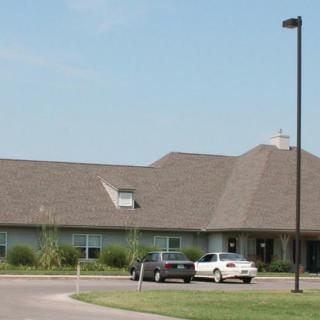

 Comprehensive Guide to Blood Pressure Charts for Older Adults: Understanding Normal and High Readings by Age
 Financing Long-Term Nursing Home Care Through Social Security: A Thorough Exploration
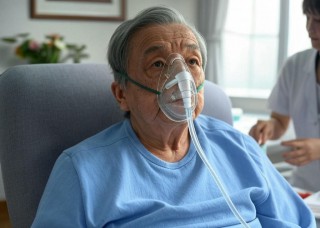 Essential Knowledge on Pneumonia in Older Adults