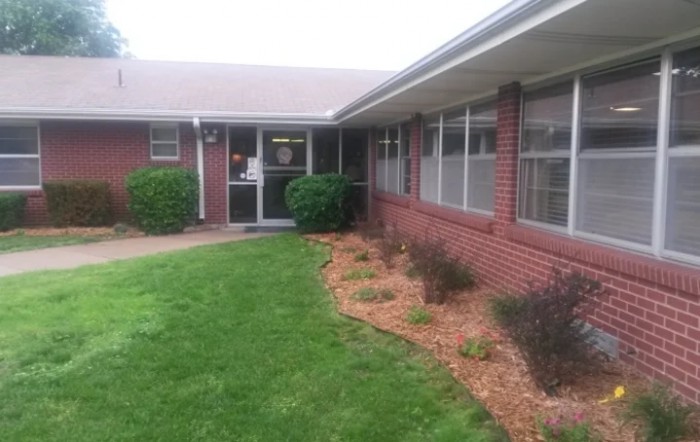

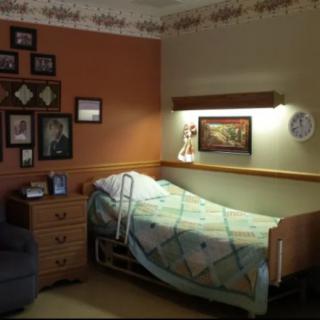


203 East Osage Avenue, Arkansas City, KS 67005
For more information about senior living options: (866) 208-4318
Overall Review of Medicalodges Arkansas City
Pros
 The staff and nurses are excellent and highly trained.
- The facility is recommended for families seeking care for elderly loved ones.
- The staff are great, friendly, and provide excellent food and meal service.
- The staff are very knowledgeable about medical care and rehabilitation.
- The facility offers both short-term and long-term stays.
Cons
 The facility is horrible.
- If you want your loved one to die, you should place them here.
- The staff and nurses are not skilled.
- The executive director has a horrible bedside manner.
- A loved one was poorly treated and, due to negligence, suffered a fatal fall.
- The incident was reported to DCF and allegedly covered up.
- This is one of the worst facilities in the area.
Review
Medicalodges Arkansas City is best suited for seniors who need reliable skilled nursing with ready access to rehabilitation services and for families who can stay actively involved in oversight. The community accommodates both short-term rehab after hospitalization and longer-term care when independence has waned, offering a practical bridge between hospital-level medical support and comfortable daily living. It is a reasonable fit for residents who prioritize clinical capability and structured routines, and for families that value a straightforward care plan with clear therapy options. Those who demand an unassailable safety record and a facility where concerns are quickly and openly addressed will want to scrutinize this option closely. In short, this campus can work well for medically oriented care as long as vigilance remains part of the package.
On the upside, the clinical core of Medicalodges Arkansas City stands out for its strength. Reviews consistently highlight highly trained staff and nurses with real medical and rehab know-how. The facility appears capable of managing both short-term recovery and long-term maintenance of chronic conditions, which reduces the need for transfers and keeps a care plan coherent. Meal service and daily routines are noted as flavorful and well-organized, contributing to a sense of normalcy for residents. Staff are described as friendly and approachable, helping families feel they have partners in care rather than passive observers. For families prioritizing medical reliability and rehabilitation momentum, these are meaningful and tangible advantages.
Another solid point is the versatility of stay options. The ability to handle short-term rehab and long-term care on the same campus simplifies planning for families navigating transitions. The combination of competent medical oversight and a constructive social environment can support quicker recoveries and better ongoing management of chronic issues. When rehab is the immediate goal, the readiness of staff to guide therapy, monitor progress, and adjust plans translates into real-world outcomes: steadier mobility, improved endurance, and more daily independence over time. In practice, this makes the facility attractive for those who want concrete, reachable rehab milestones within a familiar setting.
Yet the record is not without a stark warning. One reviewer framed the facility as dangerous, alleging negligence that led to a residentā€™s death, improper treatment, and a lack of accountability. That perspective cannot be dismissed lightly. It raises questions about safety culture, incident response, and how readily families can advocate for loved ones. Even if this tale represents a severe outlier, the presence of such allegations in the mix of reviews affects trust and demands careful probing during visits: inquire about staff turnover, escalation protocols, resident rights, and how management handles grievances. The impression left is that bedside manner and family collaboration can vary, and that patient safety hinges on vigilant oversight.
Those who should consider alternatives are families who cannot or will not engage actively in oversight, or who require a proven, transparent safety record and a consistently compassionate bedside approach. Seniors with high medical risk or with cognitive or behavioral challenges may prefer environments with demonstrably stronger safety cultures and more predictable channels for family communication. It is prudent to compare with nearby facilities that emphasize open reporting, stable staffing, and a lower tolerance for any sign of neglect. In other words, risk tolerance, advocacy capacity, and safety expectations should drive the decision as much as clinical capability.
The practical path forward is clear. Schedule a candid tour focused on safety culture, request direct contact with the current charge nurse and medical director, and review recent inspection outcomes along with any corrective action plans. Inquire about nurse-to-resident ratios, incident reporting, and how family concerns are tracked and resolved. Speak with several current residents and families about day-to-day experiences, particularly response times and transparency. If the answers align with a culture of proactive safety and collaborative care, Medicalodges Arkansas City can be a sensible choice for rehab-minded families. If not, pivot toward options with a demonstrably stronger safety track record and unambiguous accountability.
 45 resident community capacity
 Skilled Nursing Facility
 Beautician on-site
 Cable or satellite TV
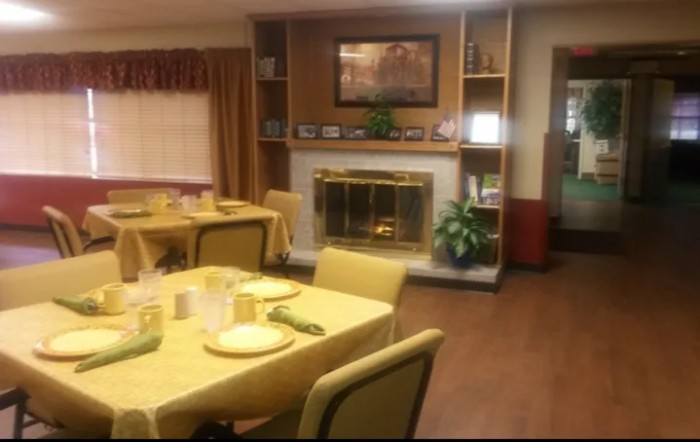
 Dining room
 Financial aid
 Fully furnished
 Garden
 Housekeeping services
 Kitchenette
 Move-in coordination
 Outdoor space
 Party space
 Restaurant-style dining
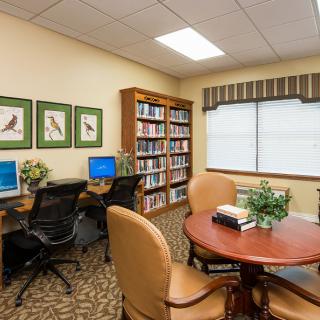
 Small library
 Telephone
 Wi-Fi/high-speed internet available
 Transportation & parking
 24-hour call system
 Activities of daily living assistance
 Assistance with bathing
 Assistance with dressing
 Assistance with transfers
 Diabetes diet
 Hospice care
 Medication management
 Mental wellness program
 Physical therapy
 Special dietary restrictions
 Fitness programs
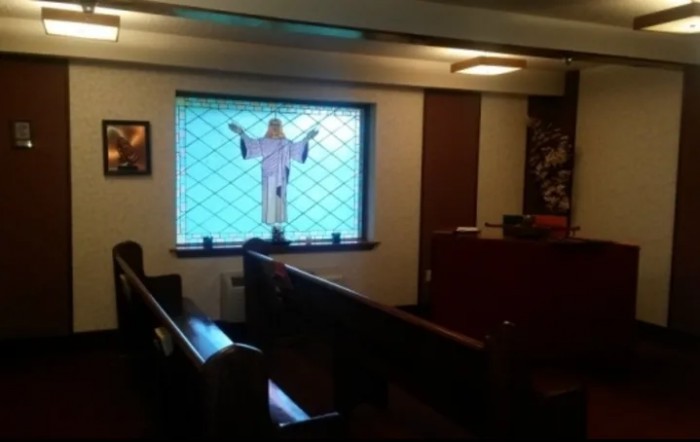
 Religious services
 English



 Powerful Realities of Elder Abuse and the Most Effective Ways to Report It
 Ten Vital Duties of a Senior Caregiver: A Comprehensive Guide
 9 Stimulating Memory Activities for Seniors: Puzzles, Cards, and Much More