Presbyterian Manors IV in Arkansas City, KS

Save
Presbyterian Manors IV Presbyterian Manors IV

Presbyterian Manors IV in Arkansas City, KS

Information last verified:

1711 North 4Th Street, Arkansas City, KS 67005

For more information about senior living options: (844) 490-3973

4.4 from 14 reviews
5 stars
10
4 stars
1
3 stars
2
2 stars
0
1 stars
1

Overall Review of Presbyterian Manors IV

Pros

  • pro The staff take amazing care of their patients.
  • pro Everyone who works there loves what they do.
  • pro The facilities are top notch.
  • pro The place is highly recommended for any elderly in need of care.
  • pro They deliver excellent care with dignity, kindness, and respect.
  • pro The staff's compassion, attentiveness, and genuine concern make a difference.
  • pro Families have peace of mind knowing residents are safe and truly cared for.
  • pro The staff are fantastic, dedicated, and they make holidays special while helping residents feel safe and comfortable.
  • pro All employees are compassionate and respectful toward every resident.
  • pro The staff feel like family to residents and their families.
  • pro The community is beautiful with plenty of activities and ample space.
  • pro The meals are wonderful and the food is amazing.

Cons

  • pro The power outage was bad and rough on everyone involved.
  • pro There was only one day’s notice and not enough staff in the locked-down unit.
  • pro A family member was placed in a locked-down unit after police involvement, raising safety concerns.
  • pro Prospective residents are advised to check thoroughly before enrolling.

Review

Presbyterian Manor Ark City is best suited for seniors who want a warm, neighborly atmosphere with a clear continuum of care and a strong emphasis on dignity, daily engagement, and family partnership. The community supports both independent living in well-appointed apartments and hands-on healthcare when needed, making it a practical home base for aging in place. Reviews consistently highlight a culture of genuine care: staff who appear devoted, a facility that feels welcoming from the moment of admission, and meals and activities that sustain a sense of normalcy and community. For families seeking reassurance that a loved one will be treated with respect, safety, and personal attention, this is a compelling match.

That said, certain circumstances point to considering alternatives. Families facing high-acuity needs or aggressive behavior may want to compare options with more specialized memory-care or secured-unit environments and perhaps higher staff-to-resident ratios. A single review notes a violent incident in a locked-down unit and questions about staffing on that shift, underscoring the importance of reviewing exact policies and crisis-response plans for any memory-care setting. Infrastructure reliability also surfaces as a concern in one account, suggesting that families should verify current emergency preparedness, back-up power, and continuity procedures. Those requiring stringent, tightly controlled clinical environments or lower risk tolerance may prefer other communities with more pronounced security and incident history.

The strongest advantages sit with the caregiving team and the lived experience of residents. Across multiple accounts, care teams are described as compassionate, patient, and genuinely invested in each resident’s well-being. Families report a sense of partnership, with staff who involve relatives and provide timely updates about health events, treatments, and daily routines. The environment itself reinforces this strength: well-maintained facilities, appealing dining, and opportunities for meaningful activity contribute to a lifestyle that feels both dignified and home-like. For residents who value staff attentiveness and a community where care feels relational as much as clinical, the pros clearly leverage daily life in ways that relieve family anxiety and bolster trust.

Still, the cons cannot be ignored, and they influence how decisions should be weighed. The one-star review hints at a crisis in staffing or safety on a locked unit, plus a tone of abruptness in transitions that can leave families unsettled. A separate note about a power outage signals that operational continuity matters, even in well-regarded settings. While these incidents appear to be isolated, they illuminate real risks that can affect a vulnerable population. Pros such as compassionate care and a pleasant environment may not fully offset concerns about incident history, response times, or the resilience of infrastructure in a pinch. Prospective residents should probe into how the community handles emergencies, staffing coverage during peak times, and the particular safeguards in memory-care spaces.

For families taking next steps, practical due diligence yields the clearest advantages. Schedule a firsthand tour focused on the healthcare wing and any memory-support environments, and ask for a detailed overview of current staffing ratios by shift, incident history, and crisis protocols. Request menus, activity calendars, and examples of daily routines to gauge whether the lifestyle aligns with the resident’s preferences. Inquire about memory-care design features, secure environments, and how updates are communicated to families. Confirm the status of critical infrastructure, generator backups, climate control during outages, and contingency plans, so the peace of mind that reviews promise remains intact in real-world scenarios.

Ultimately, Presbyterian Manor Ark City provides a compelling, practical option for families who want a community that treats residents with evident warmth, respect, and a collaborative care approach. It excels in creating a sense of belonging, with staff who appear to genuinely love their work and a facility that supports active, engaged living. However, for those whose priorities include highly predictable safety metrics, a robust, higher-acuity memory-care program, or assured infrastructure resilience, it remains essential to compare alternatives that, while perhaps less homey, offer different guarantees on safety, staffing, and incident management. This community stands out for compassion and compatibility with family-centered care, and that perception should guide the decision when aligned with the resident’s specific needs and risk profile.

Features

Housing

  • 63 resident community capacity 63 resident community capacity

Types of Care

  • Assisted Living Assisted LivingAssisted living facilities provide crucial support and care for seniors who may need help with daily tasks such as medication management, bathing, and meal preparation. These communities offer a safe and comfortable environment where seniors can maintain their independence while receiving the assistance they need to thrive in their golden years.
  • Independent Living Independent LivingIndependent living communities are important for seniors because they offer a safe and supportive environment where older adults can live independently while still having access to amenities and services that enhance their quality of life. These communities provide social opportunities, recreational activities, and assistance with daily tasks, promoting overall well-being and allowing seniors to maintain their independence for as long as possible.
  • Memory Care Memory CareMemory care is crucial for seniors as it provides specialized support and services for individuals with dementia or Alzheimer's disease. These programs offer a safe and secure environment where residents receive personalized care, cognitive stimulation, and help with daily activities. Memory care helps seniors maintain their independence, quality of life, and dignity while also providing peace of mind for their families.

Amenities

  • Air-conditioning Air-conditioningAir conditioning is important for seniors as they are more vulnerable to heat-related illnesses and may have underlying health conditions that make it difficult for them to regulate their body temperature. It helps to keep them comfortable, safe, and healthy in hot weather.
  • Beauty salon Beauty salonBeauty salons are important for seniors because they provide a space for them to feel pampered, socialize, and maintain their personal grooming and hygiene. Regular visits to a beauty salon can help boost seniors' self-esteem and overall well-being.
  • Cable or satellite TV Cable or satellite TVCable or satellite TV is important for seniors because it provides entertainment, news, and companionship, helping to combat loneliness and boredom. It also offers a wide range of programming options tailored to different interests and preferences.
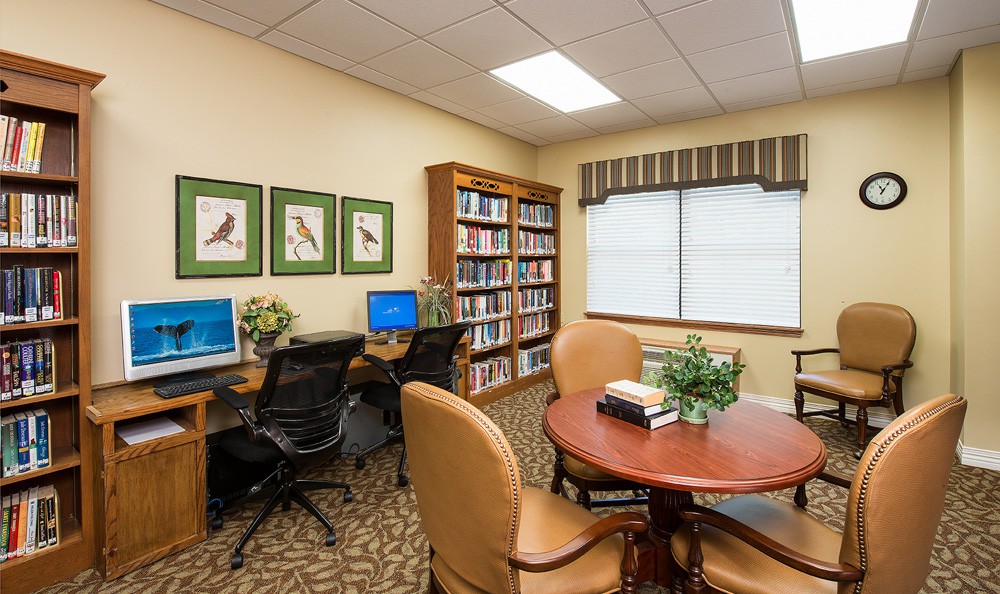
  • Computer center Computer centerA computer center is essential for seniors as it provides access to technology, communication tools, and resources that can enhance their daily lives. It allows them to stay connected with loved ones, engage in online activities, and learn new skills, ultimately promoting socialization and mental stimulation.
  • Dining room Dining roomDining rooms are important for seniors as they provide a space for socialization, connection, and nutritious meals. They offer opportunities for residents to bond over shared meals, foster a sense of community, and promote healthy eating habits. Dining rooms also ensure that seniors have access to well-balanced meals tailored to their dietary needs and preferences.
  • Fitness room Fitness roomHaving a fitness room in a senior living community is essential for seniors to stay active, maintain their physical health, and improve their overall well-being. Regular exercise can help prevent falls, reduce the risk of chronic diseases, and promote mental sharpness. It also provides social opportunities for residents to connect with others and enjoy a sense of community.
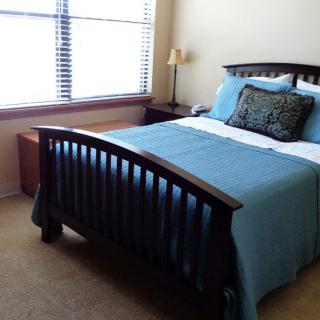
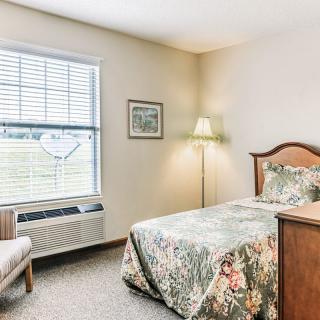
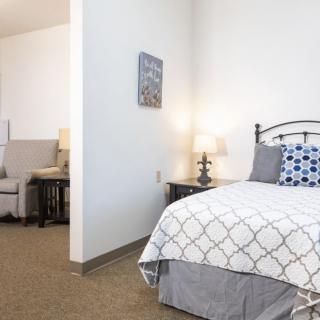
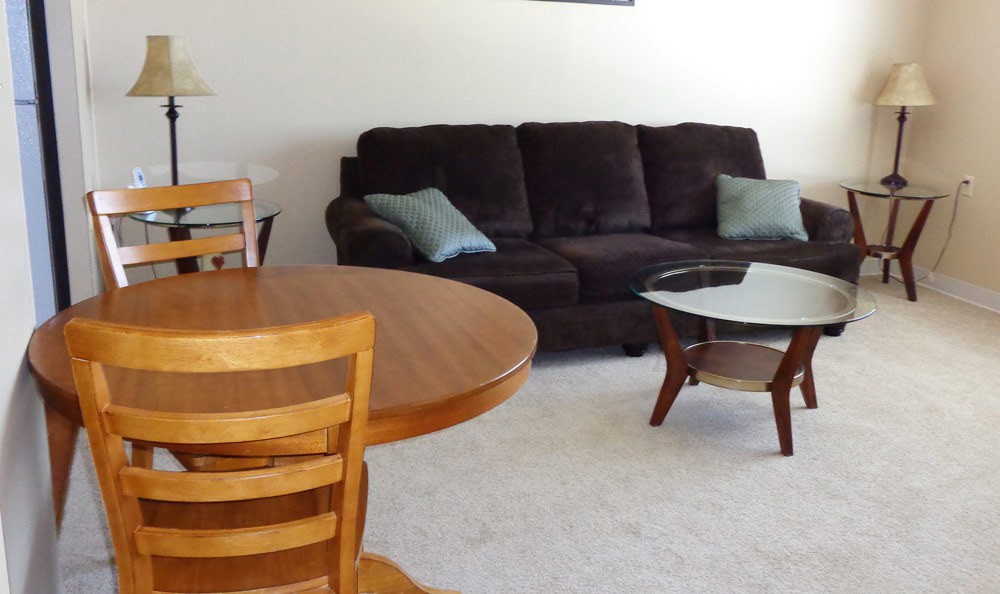
  • Fully furnished Fully furnishedFully furnished senior living communities are important for seniors because they provide convenience, comfort, and a hassle-free moving experience. Seniors can easily settle into their new living space without the stress of having to buy and move furniture. This allows them to focus on enjoying their new home and community.
  • Gaming room Gaming roomGaming rooms are important for seniors as they provide a fun and engaging environment for socializing, cognitive stimulation, and physical activity. Games can improve memory, problem-solving skills, and overall mental well-being while fostering friendships and reducing feelings of isolation.
  • Garden GardenGardens are important for seniors as they provide a peaceful and therapeutic environment for relaxation, physical activity, and socialization. Being in nature has been shown to reduce stress, improve mood, and promote overall well-being. Gardens also offer opportunities for seniors to engage in gardening activities, which can improve mobility, flexibility, and cognitive function. Additionally, gardens create a sense of community and connection with others who share a passion for plants and outdoor spaces.
  • Housekeeping services Housekeeping servicesHousekeeping services are important for seniors because they help maintain a clean and safe living environment, promote independence, and reduce the risk of accidents or illnesses. Additionally, having assistance with household chores can alleviate physical strain and allow seniors to focus on other aspects of their well-being.
  • Kitchenette KitchenetteKitchenettes are important for seniors living in senior living communities because they provide the convenience and independence of being able to prepare simple meals and snacks in the comfort of their own living space. This can help promote a sense of autonomy and well-being for seniors, allowing them to maintain some level of control over their dietary choices and daily routines.
  • Move-in coordination Move-in coordinationMove-in coordination is important for seniors because it helps ease the transition into their new living environment. It ensures that all logistics, such as packing, organizing movers, and setting up utilities are taken care of, allowing seniors to focus on settling in and adjusting to their new home. Having a smooth move-in process can alleviate stress and anxiety, making the transition smoother and more enjoyable for seniors.
  • Outdoor space Outdoor spaceOutdoor spaces are important for seniors as they provide opportunities for physical activity, social interaction, exposure to natural light and fresh air, and a sense of connection to nature. Having access to outdoor spaces can improve overall well-being and quality of life for older adults living in senior communities.
  • Private bathrooms Private bathroomsPrivate bathrooms are important for seniors in senior living communities because they provide independence, dignity, and comfort. Having a private bathroom allows seniors to maintain their personal hygiene routines without the need for assistance, promoting a sense of autonomy and privacy. Additionally, private bathrooms help prevent the spread of infections and provide a safe and clean environment for seniors to navigate safely.
  • Restaurant-style dining Restaurant-style diningRestaurant-style dining is important for seniors because it allows them to enjoy delicious, nutritious meals in a social and upscale setting. This enhances their dining experience, promotes healthy eating habits, and fosters socialization with fellow residents, ultimately contributing to their overall well-being and quality of life.
  • Small library Small librarySmall libraries are important for seniors as they provide access to a variety of reading materials, including books, newspapers, and magazines. This can help stimulate their minds, keep them engaged, and provide a sense of community through book clubs and other social activities. Additionally, reading has been shown to improve cognitive function and overall mental well-being in older adults.
  • Telephone TelephoneTelephones are important for seniors as they provide a lifeline for communication with loved ones, emergency services, and healthcare providers. They offer a sense of security and independence, enabling seniors to stay connected and access assistance when needed.
  • Wellness center Wellness centerWellness centers are important for seniors because they offer a variety of programs and services that promote physical, mental, and emotional well-being. These centers provide opportunities for exercise, socialization, education, and relaxation, helping seniors maintain their overall health and quality of life.
  • Wi-Fi/high-speed internet available Wi-Fi/high-speed internet availableWi-Fi/high-speed internet is important for seniors to stay connected with loved ones, access online resources, and participate in virtual activities to combat feelings of loneliness and isolation. It also allows them to easily manage healthcare needs, access entertainment, and engage in lifelong learning opportunities.

Transportation

  • Community operated transportation Community operated transportationCommunity operated transportation is crucial for seniors as it provides them with the means to access essential services, social activities, and medical appointments. It allows seniors to maintain their independence and quality of life by ensuring they can participate in activities outside of their homes. Additionally, community-operated transportation services offer a safe and reliable way for seniors to travel without having to rely on family or friends for assistance.
  • Transportation arrangement Transportation arrangementTransportation arrangements are crucial for seniors as they may face challenges with driving, mobility, or access to public transportation. Having reliable transportation services ensures that seniors can easily attend appointments, social activities, and maintain their independence and quality of life.

Care Services

  • 24-hour call system 24-hour call system24-hour call systems are important for seniors because they provide peace of mind and immediate assistance in case of emergencies. This technology ensures that help is always available, promoting safety and security for elderly individuals living alone or in assisted living facilities.
  • 24-hour supervision 24-hour supervision24-hour supervision is important for seniors to ensure their safety, well-being, and access to immediate assistance in case of emergencies or health issues. This constant support provides peace of mind for both seniors and their loved ones, allowing them to age in place with dignity and security.
  • Activities of daily living assistance Activities of daily living assistanceActivities of daily living assistance are important for seniors because they provide essential support with tasks such as eating, bathing, dressing, and mobility. This assistance helps seniors maintain their independence, dignity, and overall quality of life as they age.
  • Assistance with bathing Assistance with bathingAssistance with bathing is crucial for seniors as it helps maintain personal hygiene, prevents infections, and ensures their overall well-being and comfort. It also provides a sense of dignity and independence for seniors who may struggle with this task on their own.
  • Assistance with dressing Assistance with dressingAssistance with dressing is important for seniors because it helps maintain their independence, promotes personal hygiene, prevents accidents and injuries, and improves overall quality of life. This service ensures that seniors can continue to dress comfortably and confidently, despite any physical limitations they may have.
  • Assistance with transfers Assistance with transfersAssistance with transfers is crucial for seniors as it helps prevent falls and injuries, maintains their independence, and ensures they can safely navigate their living environment. It also provides peace of mind for both seniors and their loved ones.
  • Diabetes diet Diabetes dietA diabetes diet is crucial for seniors as it helps manage blood sugar levels, reduce risks of complications, and improve overall health and well-being. By following a balanced and nutritious diet tailored to their specific needs, seniors can better control their diabetes and enhance their quality of life.
  • Meal preparation and service Meal preparation and serviceMeal preparation and service are crucial for seniors as they may have limited mobility or energy to cook nutritious meals. Having access to healthy and convenient food options can ensure they are getting the proper nutrition needed to maintain their overall health and well-being.
  • Medication management Medication managementMedication management is crucial for seniors to ensure they are taking the right medications at the correct dosages and times. This helps prevent adverse drug interactions, reduces the risk of medication errors, and promotes overall health and well-being. Proactive management also allows for adjustments as needed based on changing health conditions or new prescriptions.
  • Mental wellness program Mental wellness programMental wellness programs are essential for seniors as they promote cognitive stimulation, emotional support, and social engagement. These programs help prevent isolation, depression, and cognitive decline, ultimately enhancing the overall quality of life for older adults.
  • Mild cognitive impairment Mild cognitive impairment"Mild cognitive impairment" is important for seniors because it is an early stage of cognitive decline that can potentially progress to more severe conditions such as dementia. Recognizing and addressing mild cognitive impairment can help seniors receive appropriate care and support to maintain their quality of life and independence for as long as possible.
  • Special dietary restrictions Special dietary restrictionsSpecial dietary restrictions are important for seniors because age-related changes in metabolism and health conditions can make it difficult for their bodies to process certain foods. By following a diet tailored to their specific needs, seniors can maintain their overall health and well-being, manage chronic conditions, and reduce the risk of complications such as malnutrition or food interactions with medications.
  • Specialized memory care programming Specialized memory care programmingSpecialized memory care programming is crucial for seniors with cognitive impairments such as dementia or Alzheimer's disease. These programs provide a safe and supportive environment tailored to the unique needs of individuals with memory loss, helping them maintain their independence, dignity, and quality of life.

Dining

  • Diabetes diet Diabetes dietA diabetes diet is crucial for seniors as it helps manage blood sugar levels, reduce risks of complications, and improve overall health and well-being. By following a balanced and nutritious diet tailored to their specific needs, seniors can better control their diabetes and enhance their quality of life.
  • Special dietary restrictions Special dietary restrictionsSpecial dietary restrictions are important for seniors because age-related changes in metabolism and health conditions can make it difficult for their bodies to process certain foods. By following a diet tailored to their specific needs, seniors can maintain their overall health and well-being, manage chronic conditions, and reduce the risk of complications such as malnutrition or food interactions with medications.

Activities

  • Community-sponsored activities Community-sponsored activitiesCommunity-sponsored activities are important for seniors as they provide opportunities for social interaction, mental stimulation, and physical activity. These activities can help improve overall well-being, combat loneliness and isolation, and promote a sense of belonging and purpose among older adults.
  • Concierge services Concierge servicesConcierge services are essential for seniors as they provide assistance with daily tasks and errands, enhance their quality of life by offering convenience and personalized care, and promote a sense of safety and security.
  • Fitness programs Fitness programsFitness programs are crucial for seniors as they help improve strength, flexibility, balance, and overall well-being. Staying active can reduce the risk of chronic diseases, improve mental health, and enhance quality of life in older adults.
  • Planned day trips Planned day tripsPlanned day trips are important for seniors because they offer opportunities for socialization, mental stimulation, and physical activity. They provide a change of scenery and help seniors stay engaged and connected to their community, promoting overall well-being and quality of life.
  • Resident-run activities Resident-run activitiesResident-run activities are important for seniors as they encourage social interaction, creativity, and a sense of autonomy. These activities empower seniors to stay engaged and active in their community while fostering meaningful connections with their peers.
  • Scheduled daily activities Scheduled daily activitiesScheduled daily activities are important for seniors because they provide structure, socialization, mental stimulation, and physical activity. Engaging in regular activities can improve overall well-being and quality of life for seniors living in a community setting.

Description

Presbyterian Manors IV in Arkansas City, KS is a senior living community that offers various levels of care, including independent living and memory care. Residents can enjoy a range of amenities to enhance their daily lives, such as a beauty salon, cable or satellite TV, community operated transportation, a computer center, and a fitness room. The living spaces are fully furnished and include private bathrooms and kitchenettes for convenience.

The community takes pride in providing excellent care services with 24-hour supervision and assistance with activities of daily living. The staff is trained to provide help with tasks like bathing, dressing, and transfers. Specialized programming for mild cognitive impairment and memory care is available to support residents with Alzheimer's or other forms of dementia.

Presbyterian Manors IV ensures that residents' dietary needs are met with special dietary restrictions taken into account during meal preparation and service. Medication management services are also provided to ensure the proper administration of medications.

For recreation and social engagement, the community offers a wide range of activities such as fitness programs, planned day trips, resident-run activities, and scheduled daily activities. Concierge services are available to assist residents in planning their activities or accessing needed resources.

Additionally, Presbyterian Manors IV benefits from its location near several parks for outdoor enjoyment. There are also pharmacies, physicians' offices, restaurants, places of worship, hospitals nearby for convenient access to healthcare services.

Overall, Presbyterian Manors IV provides an inclusive assisted living community where seniors can receive the care they need while enjoying various amenities and engaging in a vibrant social life.

Nearby Places of Interest

This area of Arkansas City, Kansas offers a variety of amenities and services that may be of interest to seniors looking for a comfortable and convenient place to live. With several physicians' offices located within close proximity, access to medical care is readily available. There are also a number of restaurants nearby, providing dining options for every taste. Places of worship can be found within walking distance, catering to various spiritual needs. In terms of healthcare, there are hospitals and pharmacies within a short drive, ensuring easy access to medication and emergency care. For those who enjoy outdoor activities, parks are scattered throughout the area for leisurely walks or picnics. Additionally, transportation options such as U-Haul and Rj Corman are available for any travel needs. Overall, this part of Arkansas City offers a well-rounded community with essential services and recreational opportunities for seniors to consider for their living arrangements.

Physicians

  • Ark City Clinic P.A. (0.2 miles)
  • Heartland Research Associates (0.2 miles)
  • Summit Clinic (1.1 miles)
  • South Central Kansas Area Agency On Aging (1.6 miles)
  • Winfield Medical Arts (9.3 miles)
  • Family Care Center PA (10.7 miles)
  • McClure Medical Practice (11.2 miles)

Restaurants

  • Taco Bell (0.3 miles)
  • Ninja Sushi Steak House (0.3 miles)
  • Subway (0.3 miles)
  • Wendy's (0.3 miles)
  • Long John Silver's (0.3 miles)
  • La Fiesta Mexican Restaurant (0.3 miles)
  • Billy Sims Barbecue (0.3 miles)

Places of Worship

  • First Church Of The Nazarene (0.4 miles)
  • Arkansas City Nazarene Church (0.4 miles)
  • The Gateway Prayer House (0.4 miles)
  • Random Road Community Church (0.4 miles)
  • Southern Baptist Convention (0.5 miles)
  • Blessing Heights Church of God (0.7 miles)
  • Arkansas City Hispanic Seventh-Day Adventist Church (0.7 miles)

Hospitals

  • Cowley County Health Department (0.4 miles)
  • South Central Kansas Medical Center (3.5 miles)
  • Young, Linda-Cowley County Mental Health (6 miles)
  • Kansas Veterans Home (11.2 miles)
  • Healthways Division (11.7 miles)
  • William Newton Hospital (11.7 miles)

Parks

  • Pershing Park (0.6 miles)
  • Lovie Watson Park (0.9 miles)
  • Arkansas City Park Department (0.9 miles)
  • Wilson Park (1.5 miles)
  • Arkansas City Recreation Commission (1.6 miles)
  • Island Park (11.8 miles)
  • Cowley State Fishing Lake (13.3 miles)

Pharmacies

  • Taylor Drug (1.6 miles)
  • Hi Tech Ivs (1.6 miles)
  • K An Health Mart Pharmacy Health (1.6 miles)
  • Graves Drug (1.6 miles)
  • Walmart Pharmacy (10.3 miles)
  • Graves Drug Store (11.2 miles)
  • Winfield Pharmacy (11.6 miles)

Transportation

  • U-Haul (1.9 miles)
  • U-Haul Neighborhood Dealer (21.7 miles)
  • Rj Corman (21.9 miles)

Theaters

  • Cowley Cinema 8 (5.1 miles)

Frequently Asked Questions

Where is Presbyterian Manors IV?
Does Presbyterian Manors IV provide care for residents with dementia or Alzheimer's disease?

Nearby Communities

  • Arkansas City Presbyterian Manor

    Arkansas City Presbyterian Manor

    Arkansas City, KS

    4.5 from 17 reviews
     

    pro Strong sense of community with an active calendar and convenient amenities (library, chapel, garden patio).

  • Medicalodges Arkansas City

    Medicalodges Arkansas City

    Arkansas City, KS

    3.3 from 7 reviews
     

    pro Comprehensive on-site amenities and care: beauty salon, restaurant-style dining, furnished apartments, transportation, 24-hour supervision, medication management, physical therapy, and mental wellness programs.

  • Alderbrook Village Assisted Living

    Alderbrook Village Assisted Living

    Arkansas City, KS

    4.6 from 18 reviews
     

    pro Clean environment, attentive staff, engaging activities

  • Generations Home Plus

    Generations Home Plus

    Arkansas City, KS

    4.5 from 101 reviews
     

    pro Fully furnished with comprehensive care and transportation in a small, personalized setting.

  • Kansas Veterans Home

    Kansas Veterans Home

    Winfield, KS

    4.5 from 48 reviews
     

    pro Renovated campus with a dementia unit and extensive on-site amenities.

  • Winfield Rest Haven II

    Winfield Rest Haven II

    Winfield, KS

    4.5 from 37 reviews
     

    pro Fully furnished rooms with meals, 24/7 care, medication management, and wellness programs.

  • Hillcrest Manor

    Hillcrest Manor

    Blackwell, OK

    4.2 from 13 reviews
     

    pro Caring staff in a spacious, well-maintained facility.

  • Shawn Manor Nursing Home

    Shawn Manor Nursing Home

    Ponca City, OK

    3.3 from 10 reviews
     

    pro Clean, welcoming facility with attentive staff and a strong sense of community.

  • Homestead of Derby

    Homestead of Derby

    Derby, KS

    4.7 from 18 reviews
    $4,525 to $5,225 / month

    pro Warm, welcoming community with friendly, compassionate staff.

Assisted Living in Nearby Cities

Related Resources

  • when to move from assisted living to nursing home8 Key Indicators That Suggest It May Be Time to Transition from Assisted Living to Skilled Nursing Care

    The transition from assisted living to skilled nursing care is often prompted by complex medical needs that assisted living cannot meet, with key indicators including frequent health declines, increased falls, severe memory issues, and caregiver burnout. Families should recognize these signs early to discuss options with healthcare providers and prepare for the emotional and logistical aspects of moving to a facility that offers comprehensive medical support.

  • best foods for dementia patients to eatNourishing the Mind: Essential Dietary Approaches for Dementia

    Dementia is characterized by cognitive decline, with nutrition playing a vital role in brain health; while no specific diet can prevent or reverse it, a nutrient-dense diet rich in antioxidants and healthy fats may support cognitive function. The MIND diet, which emphasizes beneficial foods and limits processed items, along with proper hydration and individualized meal strategies, can enhance the well-being of dementia patients.

  • dementia behaviorsUnderstanding Dementia Behaviors: Practical Insights and Strategies for Caregivers
    Dementia affects memory and cognitive function in older adults, presenting challenges for caregivers due to behavioral changes such as confusion and mood swings. Compassionate, person-centered care that considers individual history and preferences, along with effective communication and environmental modifications, is essential for supporting both patients and their caregivers.