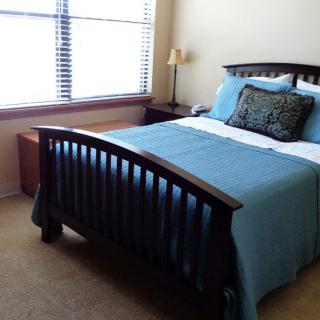
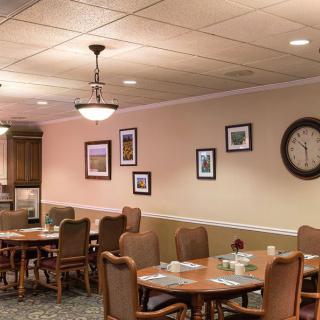
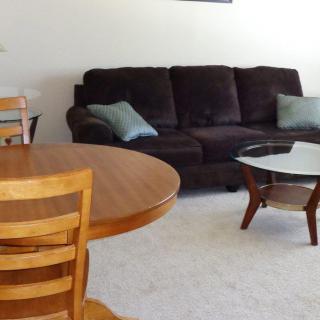
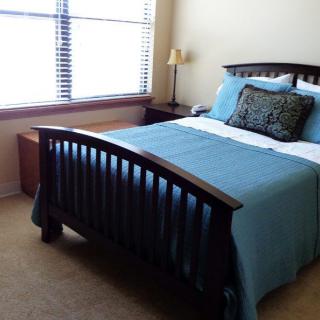
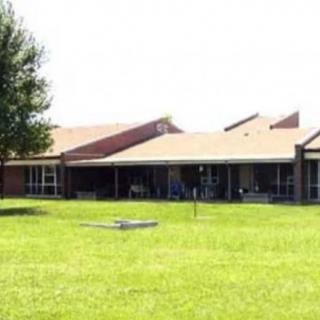
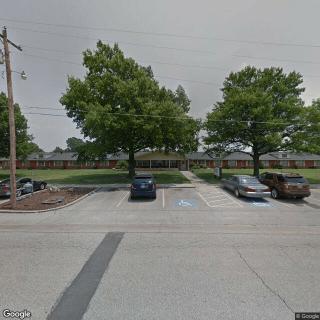
1711 North 4th Street, Arkansas City, KS 67005
For more information about senior living options: (866) 208-4318
Overall Review of Arkansas City Presbyterian Manor
Pros
 They consider Arkansas City Presbyterian Manor the best decision they could have made.
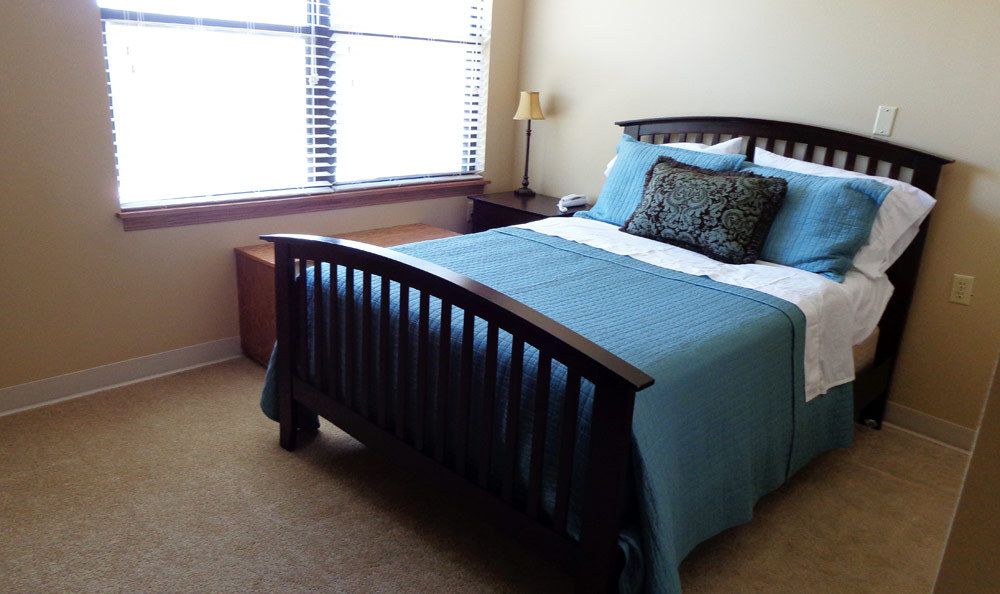
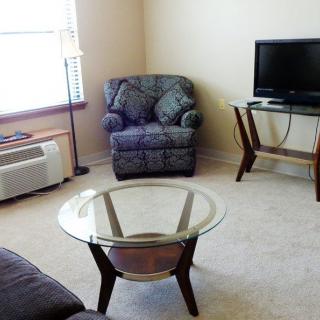
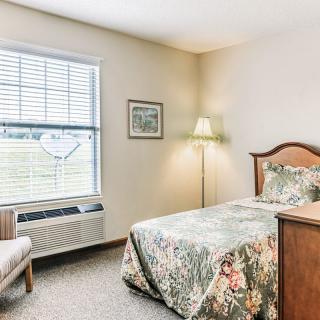
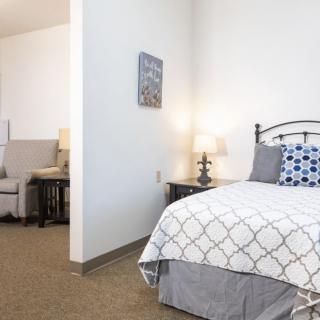
- Residents enjoy independence in a one-bedroom apartment, welcomed by staff and fellow residents with genuine kindness and respect.
- They have made wonderful friends among residents and staff and enjoy all the activities offered.
- The transition to total care maintains an exceptional level of care.
- The management team is top-notch, the facility is extremely clean, and the nursing, aides, maintenance, and housekeeping teams are consistently caring and compassionate.
- The experience has been nothing short of amazing, and they highly recommend visiting Presbyterian Manor.
- The community feels like home, with long-tenured team members and high-quality care.
- Staff take amazing care of residents, and everyone who works there seems to love what they do.
- The staff's compassion, attentiveness, and genuine concern provide peace of mind to families.
- The staff are fantastic and dedicated, and they make holidays special and keep residents safe and comfortable.
- The care provided is beyond superb, with residents treated with respect and kindness.
Cons
 A reviewer described a recent power outage as bad and rough on all concerned.
- A reviewer claimed a family member was placed in a locked-down unit after police involvement, with only one day’s notice and allegedly insufficient staff.
- A reviewer warned prospective enrollees to check the facility thoroughly before enrolling, implying concerns about safety and staffing.
Review
Arkansas City Presbyterian Manor is best suited for seniors who want a warm, tightly knit community where independence in a comfortable apartment is respected, yet dependable support is immediately available without uprooting a familiar social circle. The campus approach lets residents keep their autonomy in a one-bedroom residence while staying connected to friends and staff who know their routines. Families consistently report a welcoming atmosphere, genuine kindness from both staff and neighbors, and a social calendar that makes day-to-day life feel engaging rather than institutional. When the time comes for more comprehensive care, the transition to a total-care area preserves the same standards of compassion and attentiveness, with management that consistently emphasizes cleanliness, reliability, and dignity. For those who value continuity, straightforward access to care, and a home-like setting, this community checks many of the crucial boxes.
That reliability, however, comes with practical considerations. The welcome-and-care-on-call model suits residents who want long-term stability on a single campus, but it may not fit everyone, especially those requiring highly specialized or rapid-response medical services beyond what the on-site team can provide. A few reviews flag concerns that demand careful vetting: a lockdown-style unit, questions about staffing during emergencies, and a recent one-star note that hints at situational safety gaps. For families weighing alternatives, settings with more rigid security protocols, distinct memory-care structures, or different staffing philosophies may be preferable. The prudent path is to verify current policies, ask for exact staffing ratios across independent living and healthcare wings, and confirm the speed and process for escalating care if a resident’s needs change.
The community’s strengths are substantial and repeatedly highlighted. Residents preserve independence in a comfortable apartment while enjoying access to a robust on-site team that treats each person with individuality and respect. Management is repeatedly described as competent and accessible, with longtime staff that instills continuity of care, an important factor in minimizing miscommunications and ensuring a steady, compassionate approach over time. The healthcare team is frequently praised as exceptionally attentive, keeping families updated and ensuring that care plans remain aligned with each loved one’s evolving needs. The physical environment reinforces these positives: spaces are clean, calm, and well maintained, which supports daily comfort and confidence in safety.
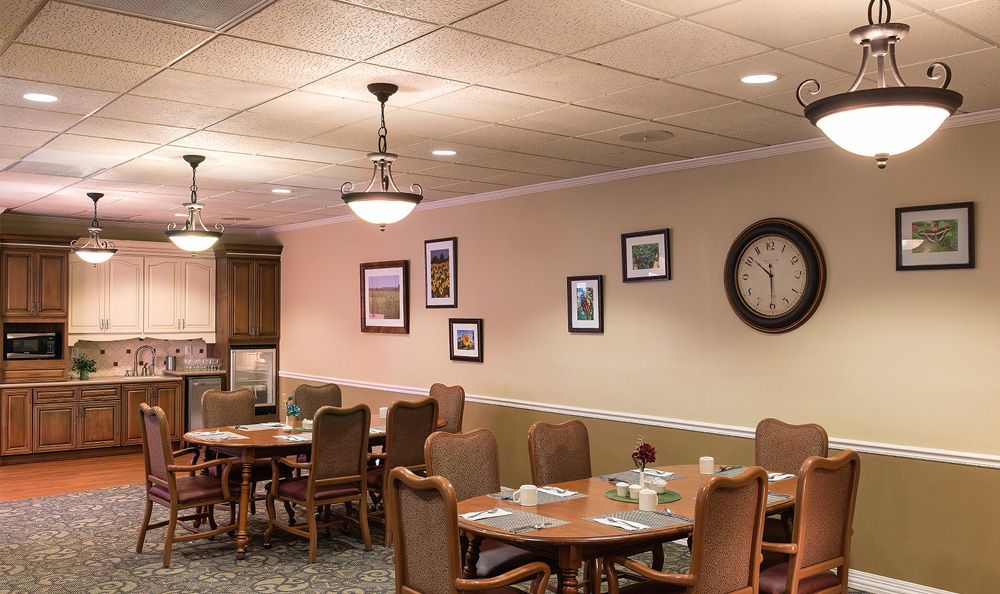
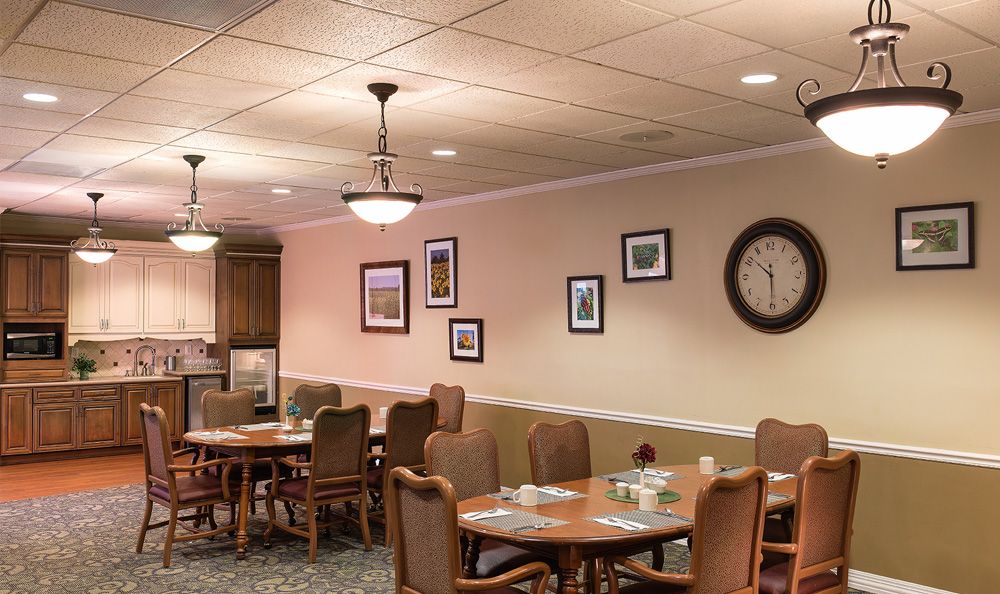
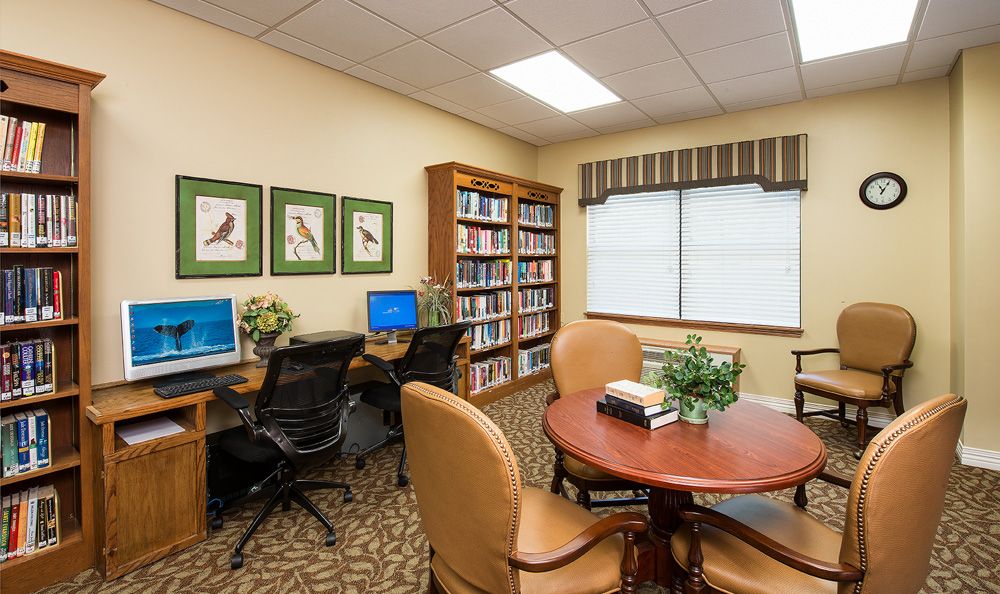
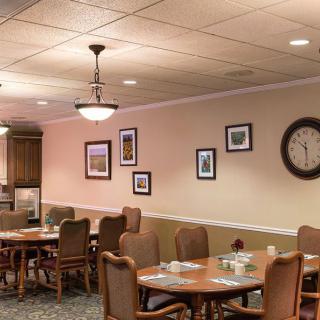
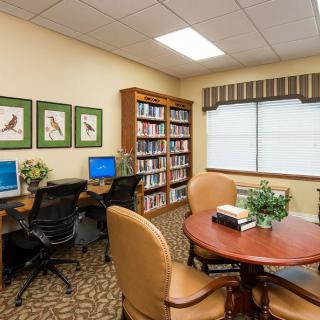
The social and cultural fabric of the manor further buttresses the caregiving quality. A full events calendar keeps residents active and engaged, blending exercise, entertainment, and outings with meaningful opportunities for companionship. On-site amenities, a library, chapel, and a garden patio, offer regular avenues for interaction, reflection, and routine. Dining contributes to the sense of home, with varied menus and a willingness to tailor meals to dietary requirements, an often-overlooked but essential element for longer-term wellness. Families repeatedly note that staff members take holidays and daily interactions seriously, turning ordinary days into occasions that reinforce a sense of belonging and being cared for within a supportive community that acts like an extended family.
Any recommendation must balance these strengths with practical caveats. The most salient caution is to probe how the campus handles emergencies, outages, and behavior management in the locked-down unit scenario that surfaced in a past report. Even with strong overall performance, the fear of gaps during crises can erode confidence if backup power, staffing coverage, and crisis protocols aren’t crystal-clear. Prospective memory-care or behavior-management residents should demand specifics on triggers for transfers to higher levels of care, response times to alarms, and the availability of specialized staff who can address complex cognitive or behavioral needs. In short, due diligence in understanding safety measures, contingency planning, and the current state of staffing will be decisive in determining whether the warmth and continuity of Presbyterian Manor can be sustained when the level of care intensifies.
Bottom line: Arkansas City Presbyterian Manor stands out as a practical, capable choice for seniors who prize continuity, a genuine sense of home, and a compassionate caregiving culture. It serves well those who want to preserve independence while knowing robust medical oversight is readily accessible, without the upheaval of relocating to a different campus later. For families mindful of budget constraints or strict security expectations, it is wise to explore alternatives and compare pricing, included services, and memory-care capabilities before committing. The most reliable path forward combines a candid tour with conversations with current residents and front-line staff, plus a review of the latest safety practices and performance indicators. When the match is right, Presbyterian Manor delivers dependable care, personal attention, and a living environment that families can trust for the long haul.
 60 resident community capacity
 Assisted Living
 Independent Living
 Memory Care
 Skilled Nursing Facility
 Activities on-site
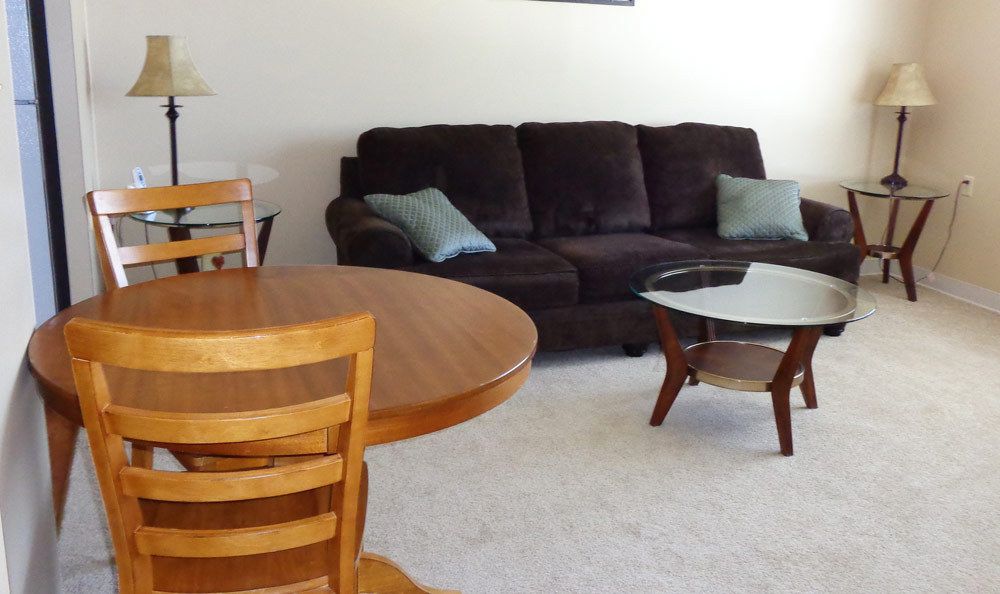
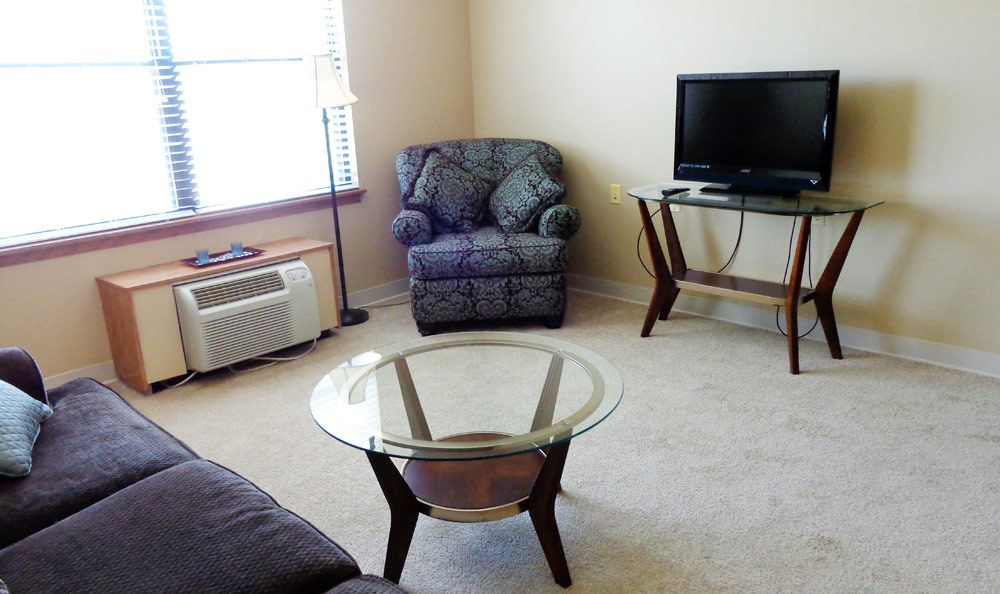
 Air-conditioning
 Beauty salon
 Cable or satellite TV
 Computer center
 Devotional services off-site
 Fitness room
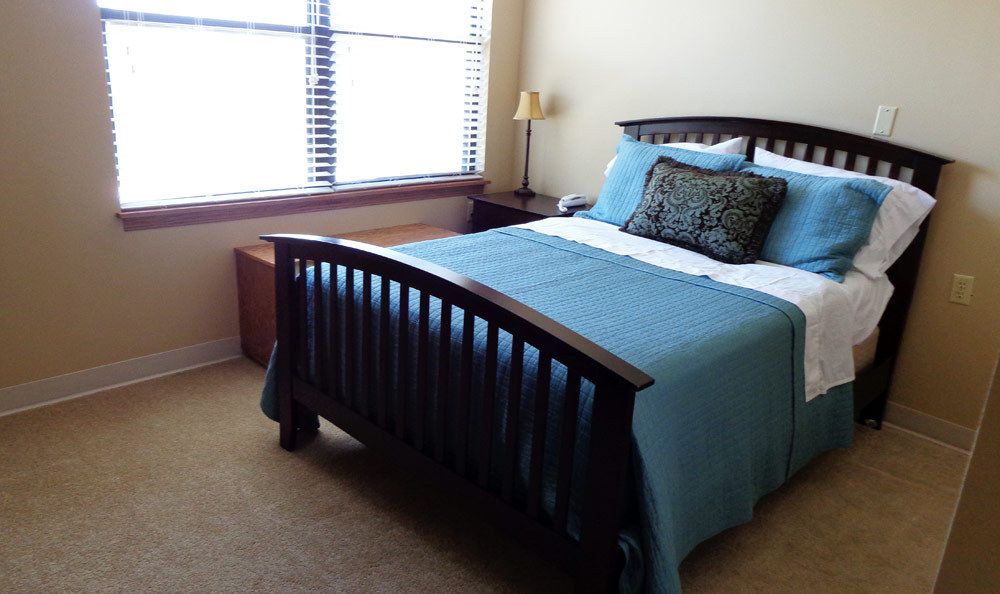
 Fully furnished
 Gaming room
 Garden
 Housekeeping services
 Indoor common areas
 Kitchenette
 Move-in coordination
 Outdoor space
 Private bathrooms
 Restaurant-style dining
 Small library
 Telephone
 Wellness center
 Wi-Fi/high-speed internet available
 Community operated transportation
 24-hour call system
 Ambulatory care
 Assistance with bathing
 Assistance with dressing
 Assistance with transfers
 Diabetes diet
 Diabetic care
 Medication management
 Mental wellness program
 Special dietary restrictions
 Concierge services
 Planned day trips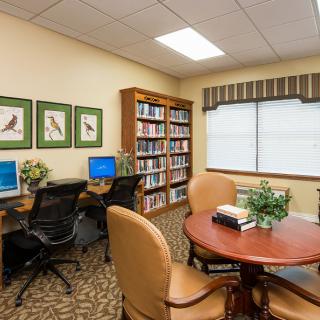




 Engaging Memory Care Activities That Enhance Quality of Life
 When to Transition from Assisted Living to Memory Care: Key Indicators, Steps, and Finding the Right Community
 Understanding the Distinctions: Assisted Living and Memory Care Explained