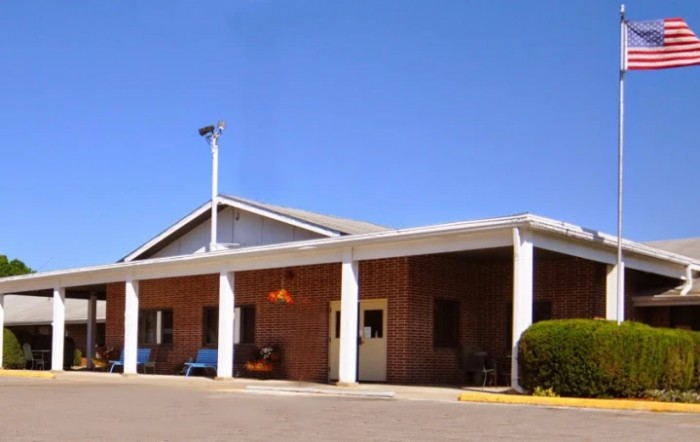
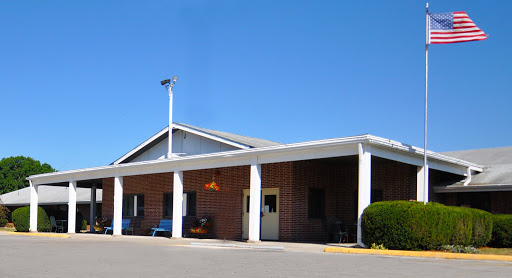
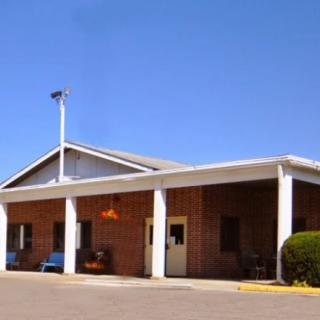
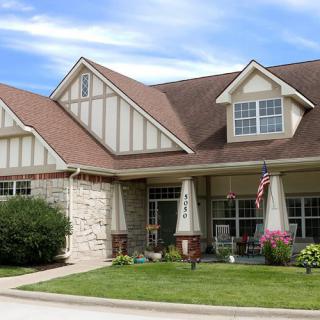
1015 West Summit, Winterset, IA 50273
For more information about senior living options: (866) 208-4318
Overall Review of West Bridge Care & Rehabilitation
Pros
 The staff at Azria Health are caring and concerned for patients and helpful to visitors.
- The facility is a great place for residents.
- The staff are kind, nice, and helpful, creating a positive environment.
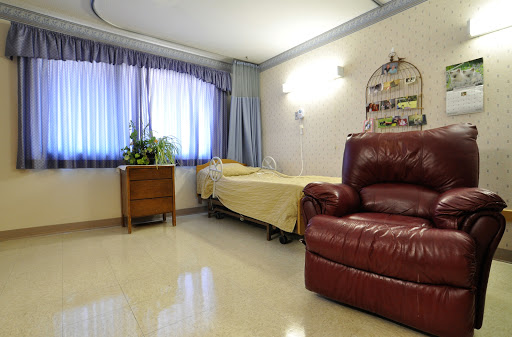
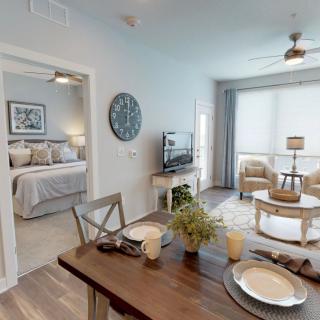
- Azria Health Winterset offers very nice, clean apartments with convenient amenities.
- The staff are extraordinarily polite and provide attentive, caring service.
- The facility is very clean, with friendly, helpful staff who truly care about residents.
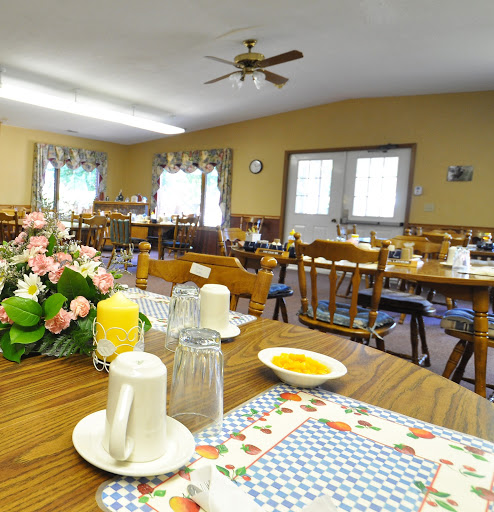
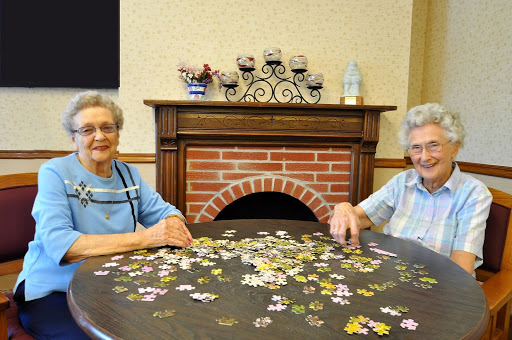
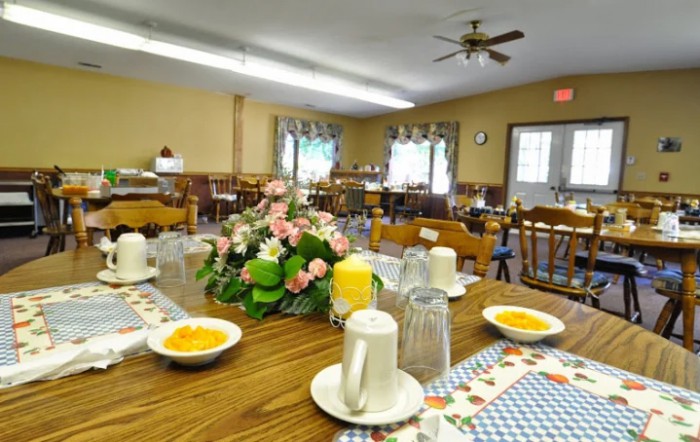
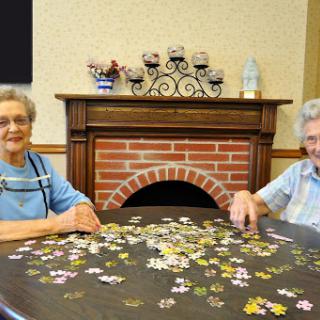
- Residents can enjoy meals and social activities, including community events and games.
- The staff have been wonderful, and families appreciate their dedication.
- The Thanksgiving luncheon was wonderful, with delicious food and a good turnout.
- The overall experience is highly recommended.
Cons
 The reviewer expresses disappointment that outside programs, which used to be available, have stopped due to COVID.
Review
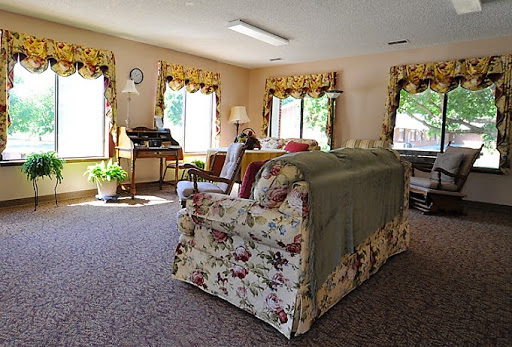
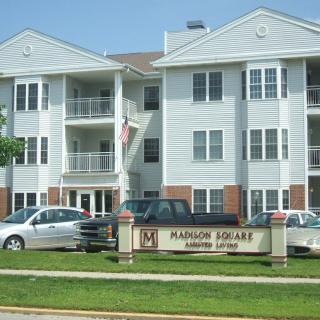
West Bridge Care & Rehabilitation in Winterset is best suited for seniors who want a warm, people-first care environment where staff know residents well and families feel genuinely welcome. The Winterset reviews describe a community that steadies itself on a home-like atmosphere, clean and comfortable spaces, and ready access to care when needed. Residents typically move into apartment-style living with practical features that support independence, private rooms with kitchen nooks, ample bedroom space, and accessible showers, while still having the safety net of attentive staff. For families who value easy in-person involvement, frequent check-ins, and the ability to share meals or coordinate care without red tape, this setting delivers on the core, practical expectations of daily life and peace of mind.
But there are clear reasons to consider alternatives depending on the resident’s priorities. If the goal is a broader menu of activities, frequent outside programs, or a more structured calendar of outings, other Winterset options may serve better. Some families note a desire for more external programming and social opportunities beyond in-house events, which can feel limiting for residents who crave variety or who want a busier activity schedule. For seniors needing advanced memory-care support, highly specialized clinical programming, or a setting with a wider range of on-site amenities and services, other facilities may present a more comprehensive fit.
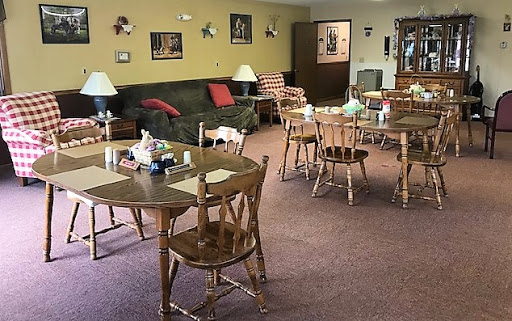
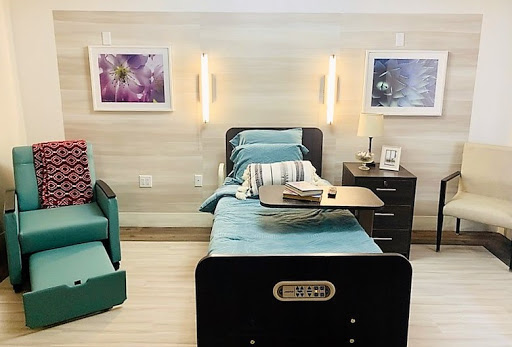
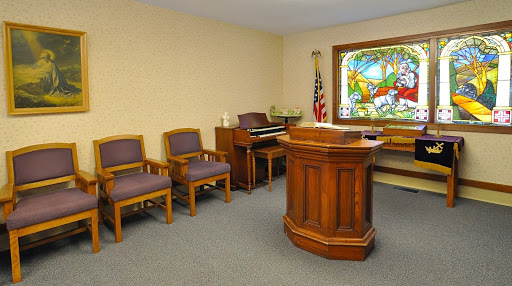
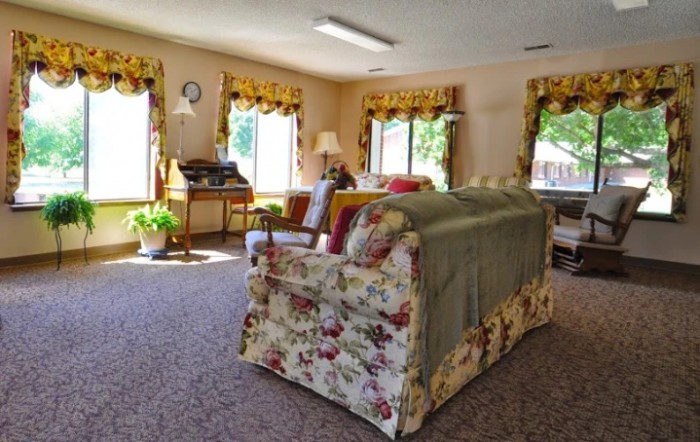
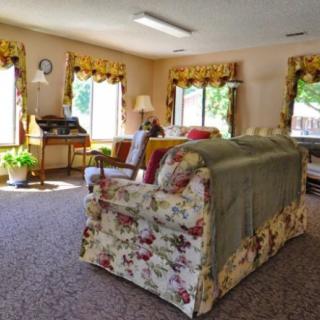
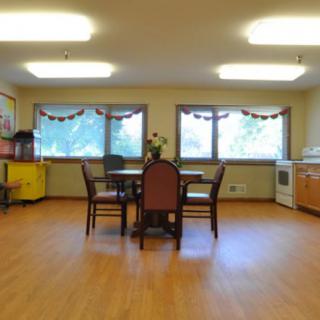
The strongest positives center on staff care, safety, and the comfort of the living environment. Reviews repeatedly highlight kind, approachable staff who are responsive to questions and genuinely invested in residents’ well-being. The facility itself is described as very clean, with thoughtful details inside each apartment, such as a sizable bedroom, a walk-in shower, a small kitchen, and living/dining areas that make daily life feel ordinary and comfortable. Practical safety features are evident too, including call buttons in bedrooms and bathrooms, which translate into quicker assistance when needed. Socially, the community scene is reassuring: regular gatherings, cake and ice cream celebrations, and a piano or jukebox in common spaces cultivate a sense of normalcy and belonging.
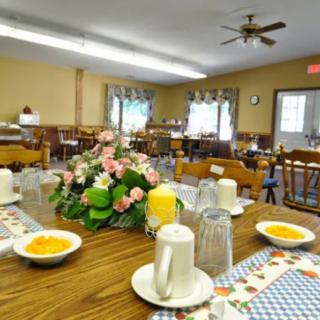
On the social front, another standout is the built-in flexibility around meals and family involvement. Two meals daily provide structure without the rigidity some residents dislike, and the option to dine with a loved one for a modest add-on can make the transition feel less isolating for families and residents alike. The ability to manage laundry and mail in the hallway, coupled with the option to stay closely connected with caregiving staff, reduces everyday friction and helps maintain a sense of autonomy. For short-term rehab or recovery stays, the existence of an attentive staff and nearby support systems can accelerate progress and facilitate a smoother path back home, a practical advantage for families navigating transitions.
Where the model may fall short for some needs is in its activity breadth and meal variety. The recurring note about meals being heavily pasta- and macaroni-centric signals a potential monotony in dining options for residents who prize culinary variety. The call for more robust outside programming, outings, guest speakers, or community connections, points to a desire for a livelier, more expansive activity calendar. For families seeking a facility that doubles as a full-service hub with extensive enrichment options, or for residents who rely on comprehensive, around-the-clock clinical programming, this may feel like a gap. These are real considerations that can tilt the decision toward alternative communities with deeper programming pipelines.
Ultimately, the decision hinges on what matters most in daily life and care goals. West Bridge is a practical, dependable choice for families that prize warmth, personal attention, and an approachable, apartment-style environment where staff are consistently praised for their kindness and responsiveness. The care team’s reliability, the safety-centric layout, and the ability to maintain resident autonomy within a supportive frame create a strong offset to the modest downsides in dining variety and activity breadth. For families prioritizing compassionate, hands-on care and easy family involvement, this is a compelling option worth touring thoroughly. If, instead, the top criterion is a richer activity program, diverse dining, or highly specialized memory-care services, it makes sense to compare other Winterset facilities side by side before deciding.
 70 resident community capacity
 1-bedroom apartments
 Skilled Nursing Facility
 Air-conditioning
 Beautician on-site
 Cable or satellite TV
 Computer center
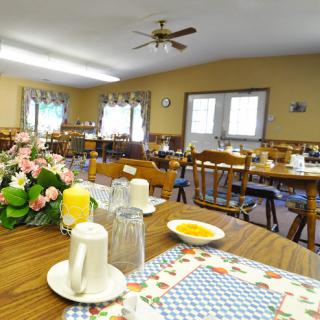
 Dining room
 Fitness room
 Fully furnished
 Gaming room
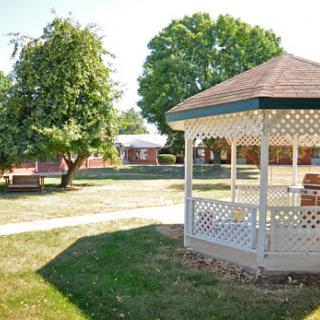
 Garden
 Guest parking
 Housekeeping services
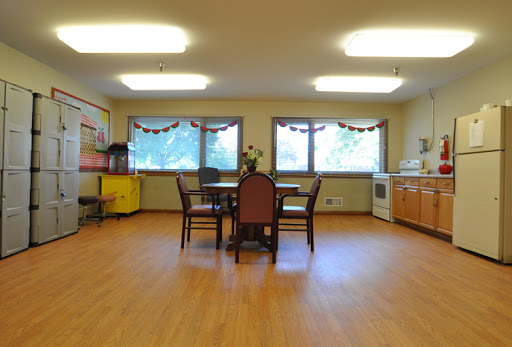
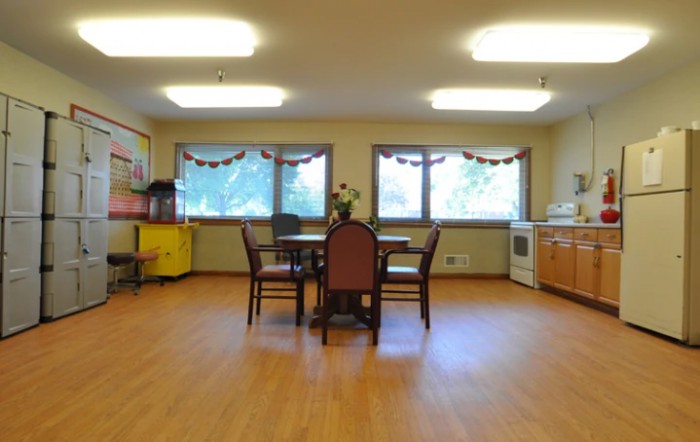
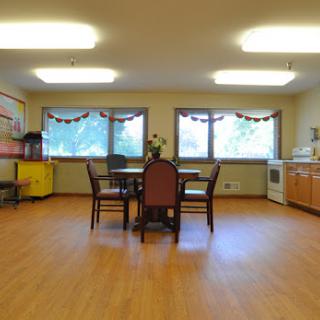
 Kitchenette
 Laundry
 Move-in coordination
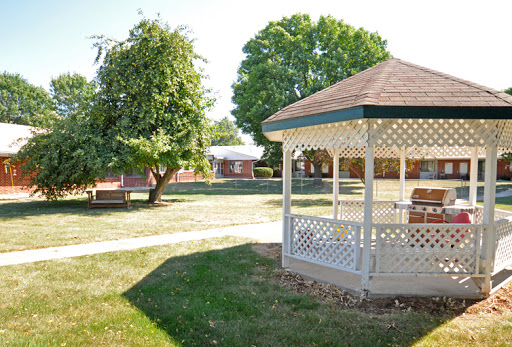
 Outdoor space
 Overnight guests
 Party space
 Private bathrooms
 Restaurant-style dining
 Small library
 Telephone
 Wellness center
 Wi-Fi/high-speed internet available
 Des Moines International (24 miles away)
 Community operated transportation
 12-16 hour nursing
 24-hour call system
 Activities of daily living assistance
 Assistance with bathing
 Assistance with dressing
 Assistance with transfers
 Diabetes diet
 Medication management
 Mental wellness program
 Special dietary restrictions
 Arts and crafts
 Concierge services
 Educational speakers / life long learning
 Games
Games Live musical performances
 Planned day trips


 Encouraging Participation in Adult Day Care: A Guide to Supporting a Hesitant Parent
 Comprehensive Exploration of Living Wills and Other Advance Directives
 A Detailed Exploration of Living Wills and Advance Directives