

325 Southwest Seventh Street, Stuart, IA 50250
For more information about senior living options: (866) 208-4318
Overall Review of Community Care Center - Stuart
Pros
 The staff are kind to residents and clearly care about their well-being.
- Families feel reassured by thorough care and strong communication.
- The staff genuinely care about residents, stopping by during visits and helping with medications.
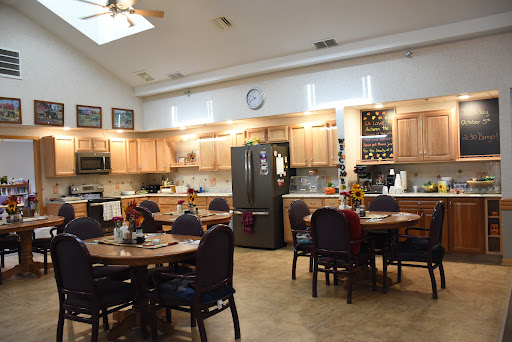
- They accommodate residents' dietary needs and preferences, even preparing favorites like crispy bacon.
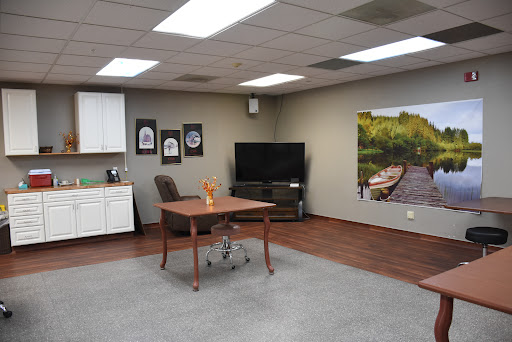
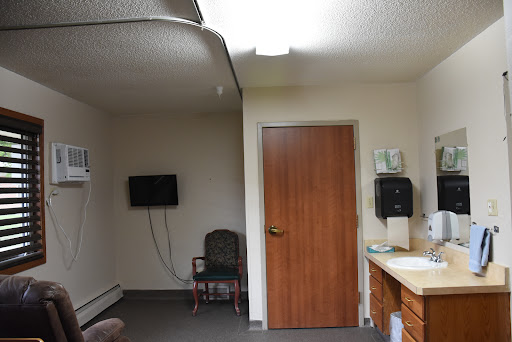
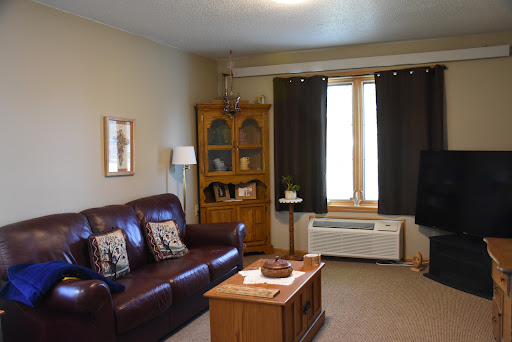
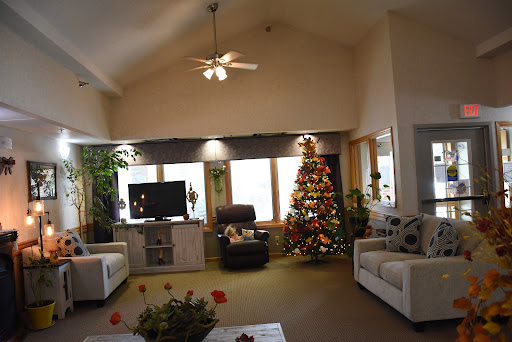
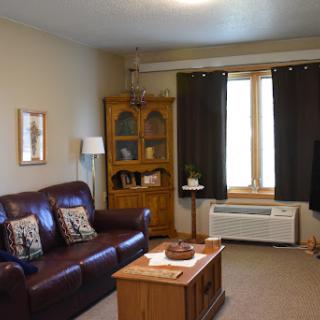
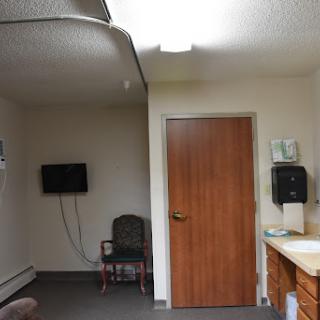
- The living areas are clean and well maintained, with a range of room options.
- Residents make friends, feel happy, and have access to daily exercise and engaging activities.
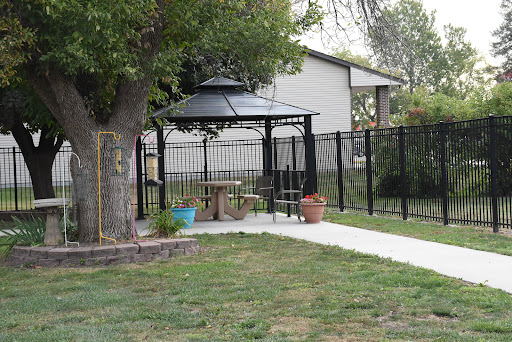
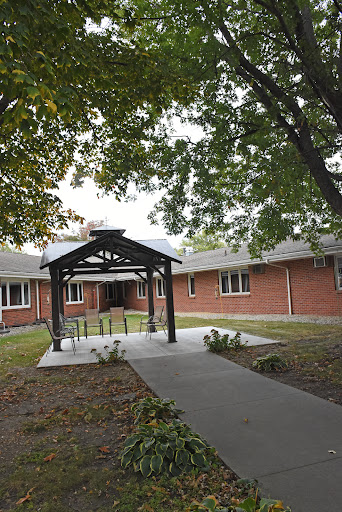
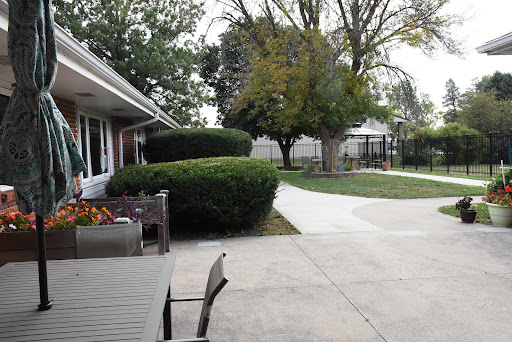
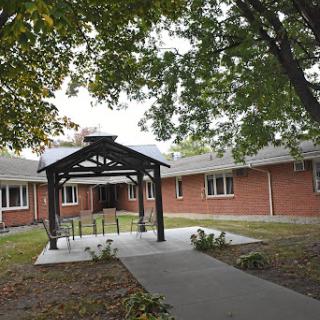
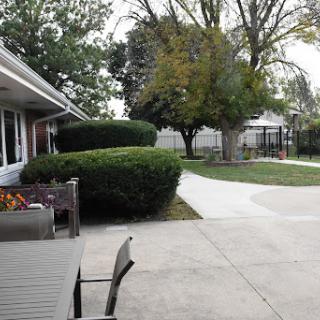
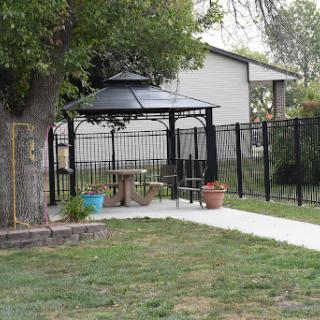
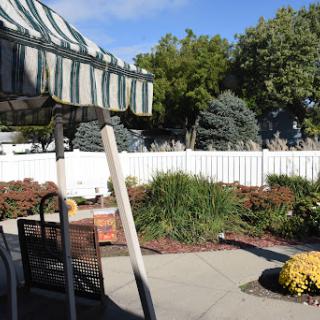
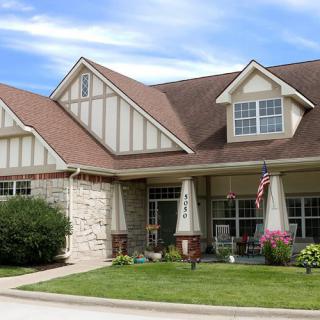
- The facility feels welcoming from the moment of arrival, with a pleasant garden and rehab opportunities.
Cons
 Horrible place; stay far away.
- This place is awful.
- Care quality depends on who is caring for residents.
- The reviewer advised against sending a loved one there.
- Staff reportedly told the reviewer’s grandfather-in-law he could go in his Depends and they would change him later.
Review
This community is best suited for families seeking a warm, personally attentive environment where staff are visible and engaged, and where ongoing family communication is a clear priority. Review patterns show that when care routines are consistent, residents benefit from genuine kindness, meals that are adjusted to individual needs, and a regimen that emphasizes daily activity and rehabilitation. For residents who thrive on regular social interaction, purposeful programming, and a sense of belonging, Community Care Center in Stuart can feel like a reassuring, home-like option. The strongest case is made by anecdotes of staff who go the extra mile, clear attention to medications and meals, and a setting that residents come to view as a trusted place.
However, potential residents should consider alternatives if reliability and uniformity of care are non-negotiable. Several reviews flag variability in how care is delivered, noting that “care depends on who you are” and warning families to watch closely over the listening, responsiveness, and overall attentiveness of staff. A strongly negative post underscores that not all experiences align with the positive stories, painting a picture of possible neglect or dismissiveness in certain shifts or interactions. For anyone who requires consistently predictable assistance, round-the-clock responsiveness, or strict standards of care across all staff, other centers with steadier reputations may be a wiser match.
On the upside, the most persuasive pros center on genuine caregiver engagement and robust family communication. Families report nurses and aides who explain medications clearly, assist with daily needs, and advocate for resident preferences, such as meals tailored to taste and appetite. The facility also earns points for active rehabilitation and exercise opportunities, and for a campus atmosphere that includes clean, well-maintained rooms and thoughtfully designed spaces like a garden, benches, and accessible activities. When these strengths are present, the facility feels supportive and affectionate, contributing to an emotional peace of mind for families during challenging transitions.
The main drawbacks orbit around consistency and staffing reliability. The strongest caution comes from accounts where care quality appeared to hinge on which staff member was on duty, suggesting uneven experiences. In practice, this means some residents may encounter delays, limited attention during care tasks, or a mismatch between expectations and actual help. Add to that the range in room sizes and some units carrying extra charges for larger accommodations, and families with tight budgets or strict space/comfort requirements may find themselves negotiating trade-offs. These factors can erode the peace of mind that otherwise comes from positive day-to-day interactions with caregivers.
Yet the positives can be decisive for the right resident, and the best way to tilt the balance is through due diligence that investigates consistency. The scale tips toward a favorable assessment for families who can confirm steady, high-quality engagement across shifts, and who place trust in a team that communicates openly about care plans, medications, and daily routines. Prospective residents should request multiple visits at different times, ask to meet several members of the caregiving team, and seek recent families’ experiences regarding turnover and responsiveness. A trial period or clearly defined expectations can help determine whether the care culture aligns with the resident’s needs.
In the end, this community represents a pragmatic choice for those prioritizing warmth, meaningful activity, and strong family ties, provided there is a commitment to monitoring consistency of care. For residents who require uniform, unwavering attentiveness or have high-stakes needs that demand immediate, predictable response, alternatives with steadier staffing patterns may be preferable. The decision should hinge on a thorough, real-time assessment of how staff interact across shifts, how quickly concerns are addressed, and whether the environment delivers the stable routines that sustain comfort and safety over the long term.
 77 resident community capacity
 Skilled Nursing Facility
 Air-conditioning
 Beauty salon
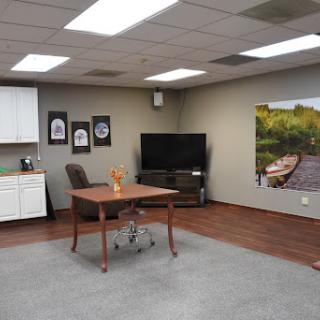
 Cable or satellite TV
 Computer center
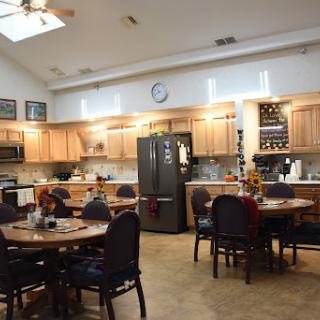
 Dining room
 Fitness room
 Fully furnished
 Gaming room
 Garden
 Housekeeping services
 Kitchenette
 Move-in coordination
 Outdoor space
 Private bathrooms
 Restaurant-style dining
 Small library
 Telephone
 Wellness center
 Wi-Fi/high-speed internet available
 Community operated transportation
 12-16 hour nursing
 24-hour call system
 Activities of daily living assistance
 Assistance with bathing
 Assistance with dressing
 Assistance with transfers
 Diabetes diet
 Medication management
 Mental wellness program
 Special dietary restrictions
 Concierge services
 Planned day trips





 Understanding the Nuances of Palliative Care and Hospice: A Comprehensive Exploration
 Is In-Home Healthcare Tax Deductible? Your Comprehensive Guide
 Nurturing Well-Being Through Gardening: A Detailed Guide for Senior Enthusiasts