
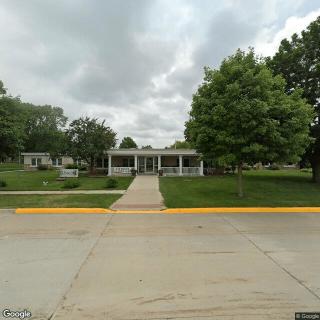
701 East Fourth Street, Saint Ansgar, IA 50472
For more information about senior living options: (866) 208-4318
Overall Review of Good Samaritan Society - Saint Ansgar
Pros
 They are taking wonderful care of residents.
- The staff are very caring.
- The care center shows genuine care for the people in the home.
- Families sleep better knowing their loved ones are safe.
Review
Good Samaritan Society – Saint Ansgar is best suited for families seeking a small, deeply attentive assisted living experience where safety and personal connections drive daily life. The community shines when a loved one requires hands-on, compassionate care delivered consistently by staff who know residents by name and routine. In practice, this setting works best for seniors who value a homey, people-centered atmosphere over a sprawling campus with lots of passing options. When trust and comfort in the caregiving team are the top priorities, Saint Ansgar delivers in spades.
Those who may want to consider alternatives are families facing needs beyond the scope of a warmly intimate environment. If a resident requires intensive medical oversight, complex wound or wound-care management, or 24/7 skilled nursing, a larger facility with more specialized medical resources could be a better fit. Similarly, if a robust schedule of diverse activities, broad rehab services, or highly varied dining and enrichment options matters, independence in daily options may feel constrained here. For memory care with specialized programming or expansive transportation networks for off-site outings, look at options with broader capabilities.
The strongest pro, the evident, caring staff, directly offsets the most common concerns that come with smaller, community-focused settings. The reviews speak to caregivers who genuinely “care about the people in this home” and to residents and families who sleep better knowing loved ones are safe. That level of attentiveness translates into reliable daily routines, responsive problem-solving, and consistent communication with families. In a setting where staff can form ongoing relationships with residents, small but meaningful daily adjustments become possible, which often yields far greater peace of mind than in a larger, more impersonal facility.
Coupled with staff dedication, the intimate scale of Saint Ansgar fosters a sense of security and predictability that many families value highly. The benefit here is not flashy amenities but dependable presence: caregivers who notice subtle changes, promptly address concerns, and maintain a steady cadence of meals, medications, and activities. For seniors who prefer a quieter, less chaotic environment with a familiar staff team, this arrangement reduces stress and confusion, making transitions smoother. The potential drawback, fewer on-site bells and whistles, rarely weighs against the payoff of trust, but it is real for those who equate choice and variety with quality.
To make a well-informed decision, families should structure their visit as a diagnostic rather than a courtesy tour. Ask about caregiver-to-resident ratios, staff stability, and how care plans are developed and updated. Observe meal times, watch how staff interact with residents, and evaluate how security and safety features are integrated into daily life. Inquire about transportation options for appointments or outings, the availability of rehabilitation services, and the cadence of social or spiritual programming. A candid discussion with leadership about what happens when a resident’s needs intensify can reveal how well this community scales care within its intimate framework.
Ultimately, this Saint Ansgar campus stands out for families prioritizing compassionate, hands-on care and proven safety in a smaller setting. It is a compelling choice for seniors who thrive on knowing their caregivers, who they are, what they’re doing, and why, every day. Alternatives become compelling when medical complexity, specialized programming, or the breadth of amenities takes precedence. For those considering Saint Ansgar, the next steps are straightforward: arrange a visit with concrete questions, request a sample care plan, talk to frontline staff about daily routines, and, if possible, shadow a typical day to gauge how well the environment aligns with the loved one’s specific needs and personality.
 42 resident community capacity
 Skilled Nursing Facility
 Beauty salon
 Cable or satellite TV
 Dining room
 Fully furnished
 Garden
 Housekeeping services
 Kitchenette
 Move-in coordination
 Outdoor space
 Restaurant-style dining
 Small library
 Telephone
 Wi-Fi/high-speed internet available
 24-hour call system
 Activities of daily living assistance
 Assistance with bathing
 Assistance with dressing
 Assistance with transfers
 Diabetes diet
 Medication management
 Mental wellness program
 Special dietary restrictions




 Understanding the Nuances of Palliative Care and Hospice: A Comprehensive Exploration
 Fecal Incontinence in Older Adults: A Comprehensive Guide
 Nurturing Well-Being Through Gardening: A Detailed Guide for Senior Enthusiasts