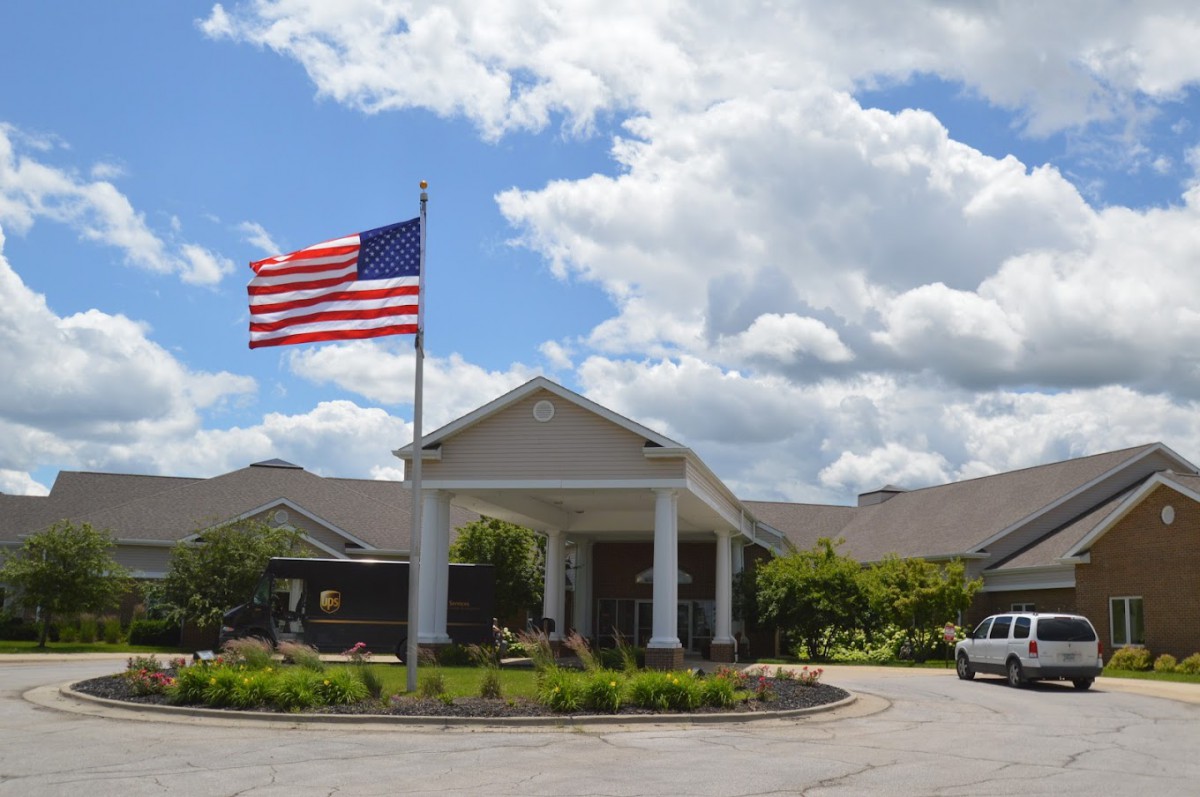
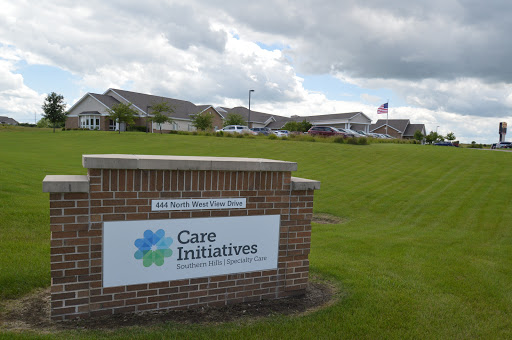
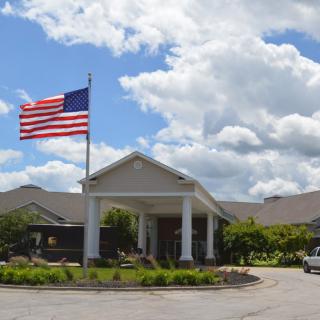
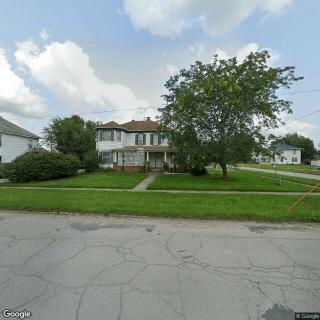
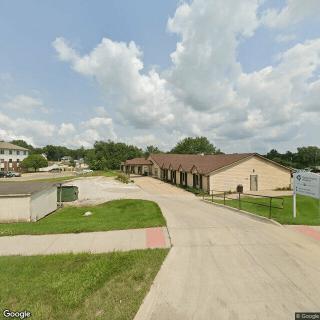
444 North West View Drive, Osceola, IA 50213
For more information about senior living options: (866) 208-4318
Overall Review of Southern Hills Specialty Care
Pros
 The staff at Southern Hills are great, super caring, and hardworking.
- Southern Hills Specialty Care is described as a down-home, close-knit, loving “family” of staff.
- The staff are always on top of things, showing compassion and delivering great care.
- The staff remembered residents and their families, even after long gaps.
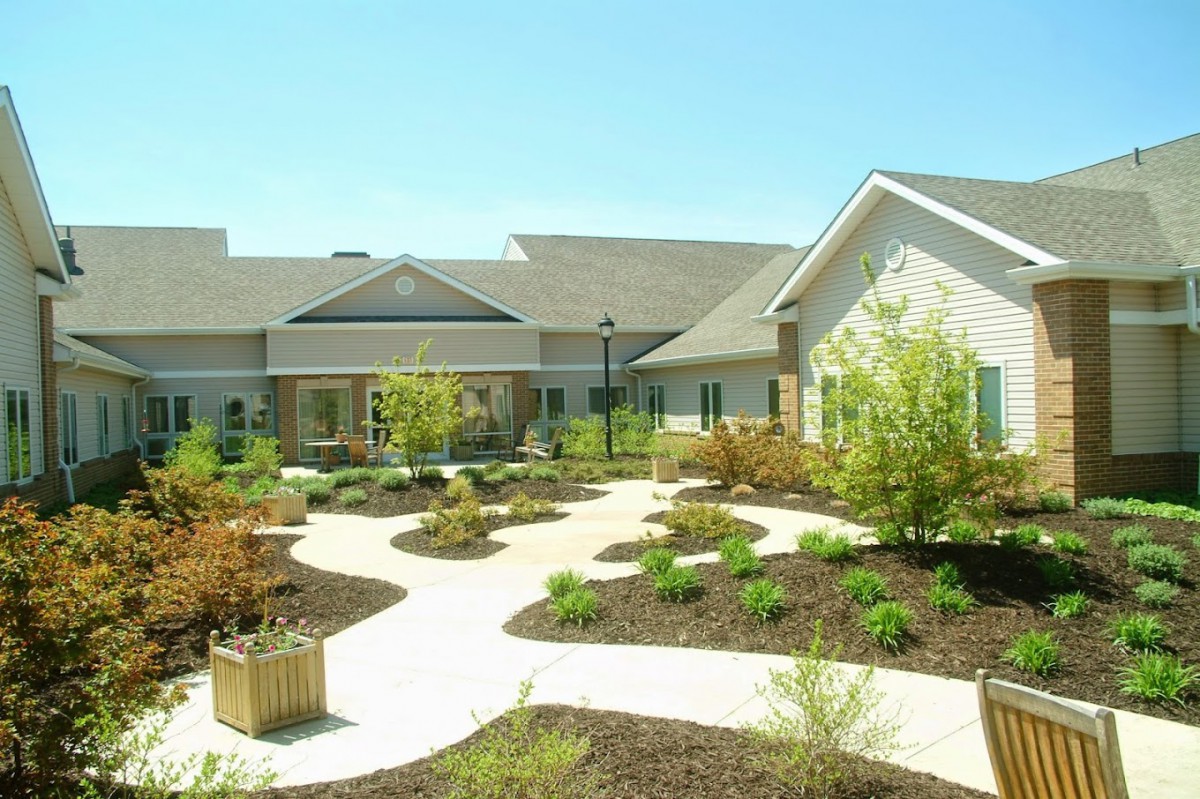
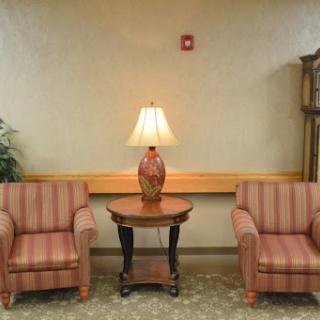
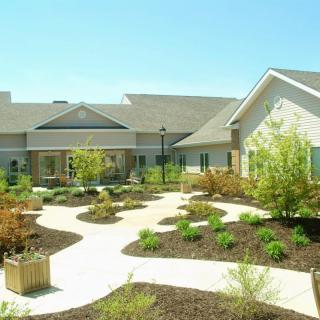
- The building is always clean and doesn’t have the typical nursing home smell.
- The staff cried with families and showed love and compassion when loved ones passed.
- The staff are all amazing and provide excellent care.
- Families would highly recommend Southern Hills to others for quality care.
- The caregivers communicate clearly and regularly with families.
Cons
 The staff were very neglectful and would not recommend placing a loved one there.
- The staff did not interact much with residents, even though they were kind.
- The staff lied about contacting the family and failed to have a provider check on her when she coughed up blood.
- The facility could not keep residents safe, with wandering/exit-seeking and premature discharges.
- Hygiene care was horrible and residents slept in their clothes.
- The facility turned into a stressful situation, and the family felt they had given up on their relative within two months.
- The room-door alarms were off during visits, indicating safety monitoring failures.
- The facility did not provide explanations for care decisions, leaving families with unanswered questions.
- Overall, the experience was terrible and the facility would not be recommended.
Review
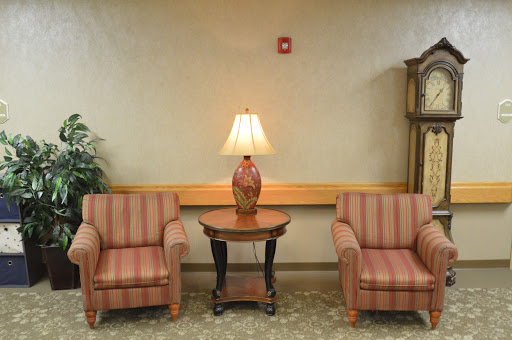
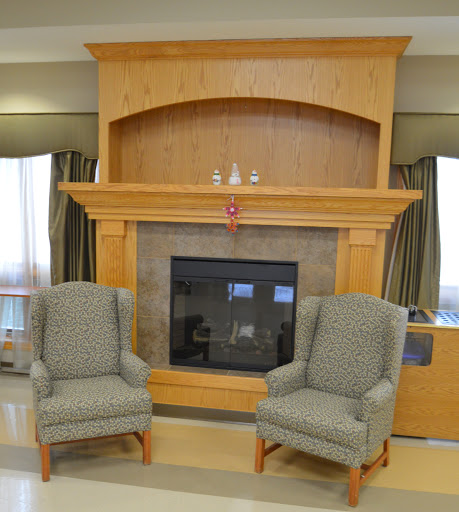
Southern Hills Specialty Care in Osceola is best suited for families seeking a warm, home-like environment where staff relationships feel personal and residents receive attentive, compassionate daily care. It works especially for seniors who are generally stable but benefit from consistent human contact, a neat, well-presented setting, and a culture that treats residents with dignity. Those needing robust, tightly structured memory-care programming, strict wandering restrictions, or relentless medical oversight should look at alternatives with more defined memory-care units and tighter safety protocols. In short, this community earns its place for families prioritizing kindness, daily engagement, and a comfortable atmosphere over advanced, high-security dementia care.
On the plus side, the strongest draw is the staff ethic. Reviewers repeatedly credit frontline caregivers and managers for genuine warmth, reliability, and a sense of family. Residents are described as well-dressed, clean, and cared for with attention to personal dignity. Families note improvement in appetite and weight, regular cleanings, and a visible absence of the “nursing home smell” that can plague other facilities. The emotional support shines through in stories of staff members sharing memories with patients’ families and coordinating care in ways that feel deeply personal. When things go well, the environment feels nurturing, and the staff’s willingness to step up is a recurring, credible strength.
Yet substantial red flags warrant serious consideration. A core concern across multiple accounts is safety and risk management, especially for residents who wander or have memory challenges. Several families report that a loved one could not be confidently kept safe, with alarms either not working consistently or not effectively preventing elopement, leading to relocations within a short period. Hygiene lapses appear in some narratives, residents sleeping in clothes, inconsistent one-on-one care promises, and questions about the thoroughness of daily routines. A pattern emerges of mixed communication: some families feel well informed, while others contend that updates were delayed, incomplete, or not delivered with transparency. These are not marginal notes but persistent themes that influence trust.
Troubling experiences extend to more severe outcomes for a few residents. One account describes a rapid decline that culminated in pneumonia after a perceived delay in care, followed by accusations that important information was not communicated to the family. Others recount difficult final chapters where families felt the facility could not provide the level of comfort and safety expected, or where care transitions were mishandled. The presence of strongly negative stories, paired with the overwhelmingly positive anecdotes, creates a bifurcated picture: the quality of daily care can be excellent, but systemic gaps in safety, accountability, and timely communication can dramatically worsen outcomes when a loved one faces a crisis.
Balancing these dynamics hinges on how a family uses the strengths while mitigating the weaknesses. When staffing is consistent and families are proactive, the positives can offset the risk areas. The practical approach is to secure rigorous, ongoing communication channels, demand clear daily care logs, and insist on visible, accountable leadership involvement. Ask for a formal care plan with explicit safety measures for wandering, frequent monitoring, and quick escalation protocols. If memory-care needs exist, request a thorough evaluation to confirm the appropriate level of care and the availability of a dedicated memory-care pathway. In addition, verify hygiene practices, room hygiene standards, and the reliability of door alarms and other safety features.
In the end, Southern Hills Specialty Care delivers a compelling combination: a close-knit, compassionate staff and a clean, personable environment that can make a meaningful difference in a loved one’s daily life. It is a legitimate option for families who value human connection, consistent staff engagement, and a comfortable setting, provided there is active family involvement and careful oversight. For those whose priority is rigorous safety for wander-prone seniors, transparent, frequent medical updates, and a robust memory-care program, alternatives with stronger safety nets may be the wiser choice. This community can offer genuine peace of mind when paired with clear expectations, structured oversight, and vigilant communication.
 90 resident community capacity
 Skilled Nursing Facility
 Air-conditioning
 Beauty salon
 Cable or satellite TV
 Computer center
 Dining room
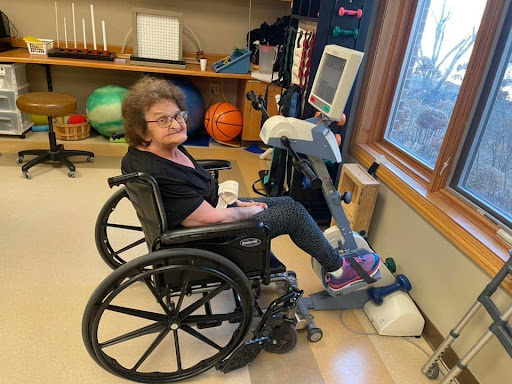
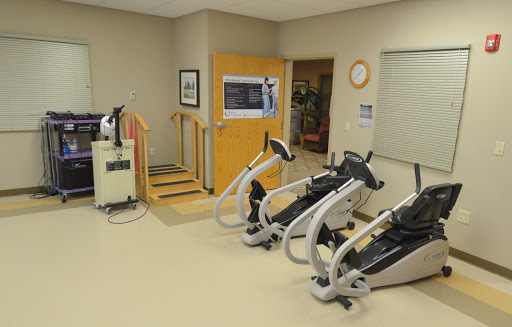
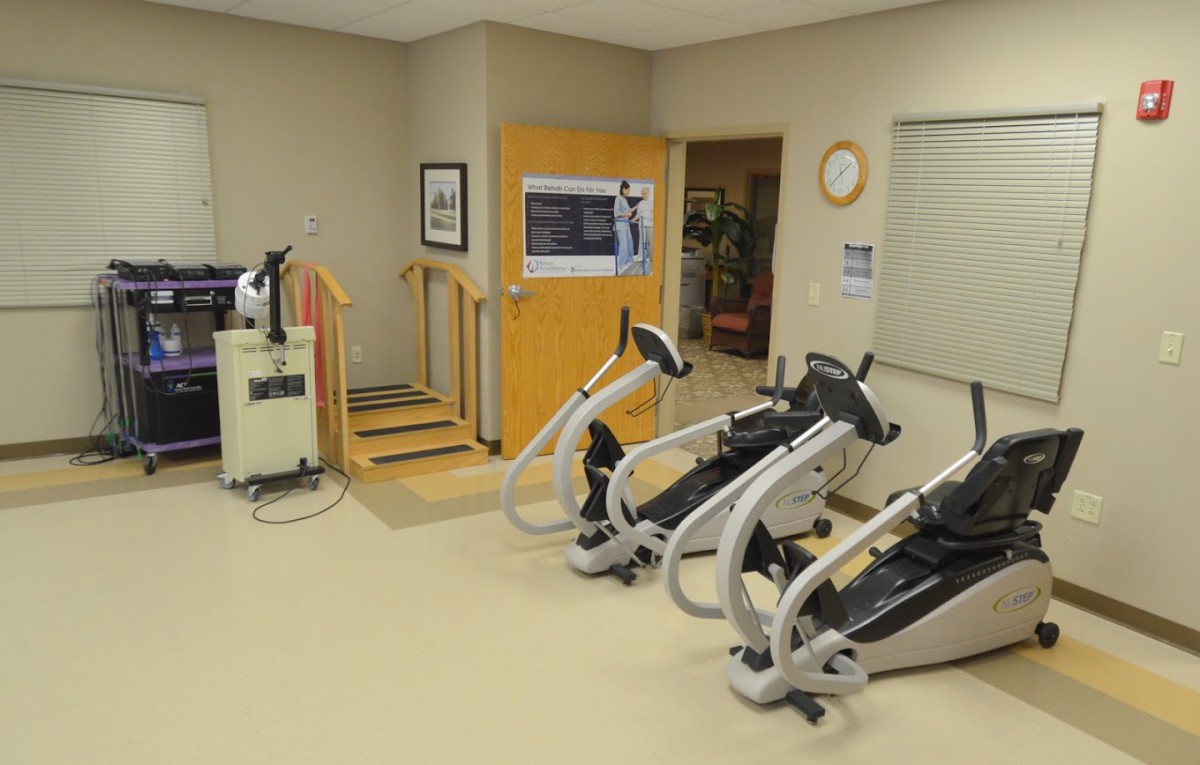
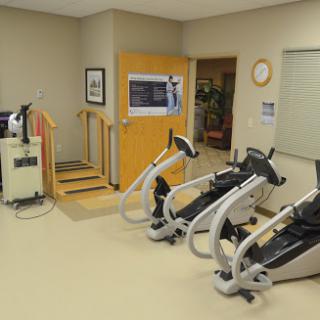
 Fitness room
 Fully furnished
 Gaming room
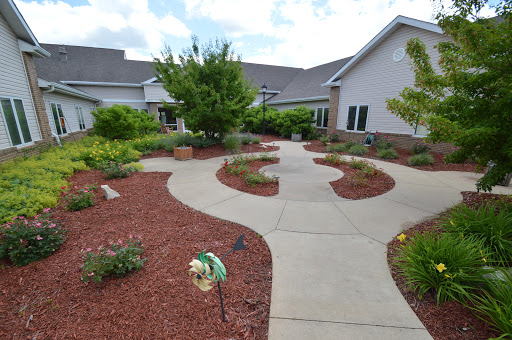
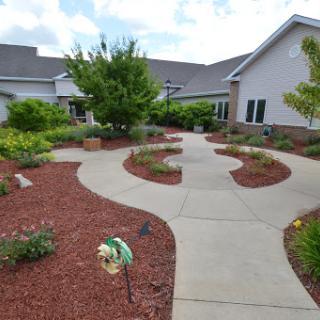
 Garden
 Housekeeping services
 Kitchenette
 Move-in coordination
 Outdoor space
 Private bathrooms
 Restaurant-style dining
 Small library
 Telephone
 Wellness center
 Wi-Fi/high-speed internet available
 Community operated transportation
 12-16 hour nursing
 24-hour call system
 Activities of daily living assistance
 Assistance with bathing
 Assistance with dressing
 Assistance with transfers
 Diabetes diet
 Medication management
 Mental wellness program
 Special dietary restrictions
 Concierge services
 Planned day trips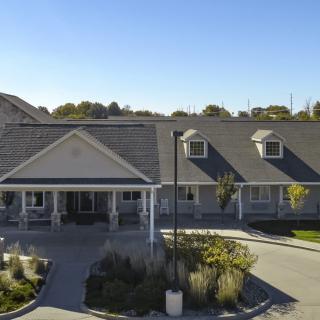



 Financing Long-Term Nursing Home Care Through Social Security: A Thorough Exploration
 Essential Knowledge on Pneumonia in Older Adults
 Exploring Palliative Care in the Home: A Comprehensive Overview