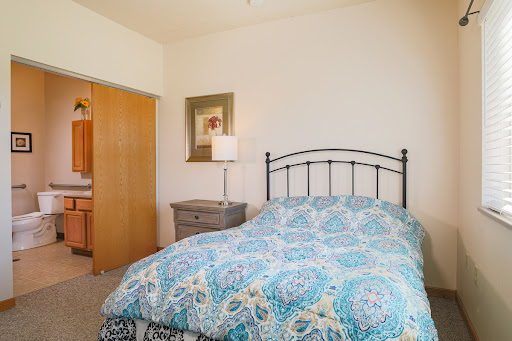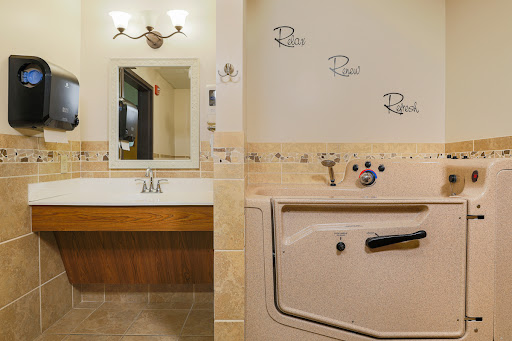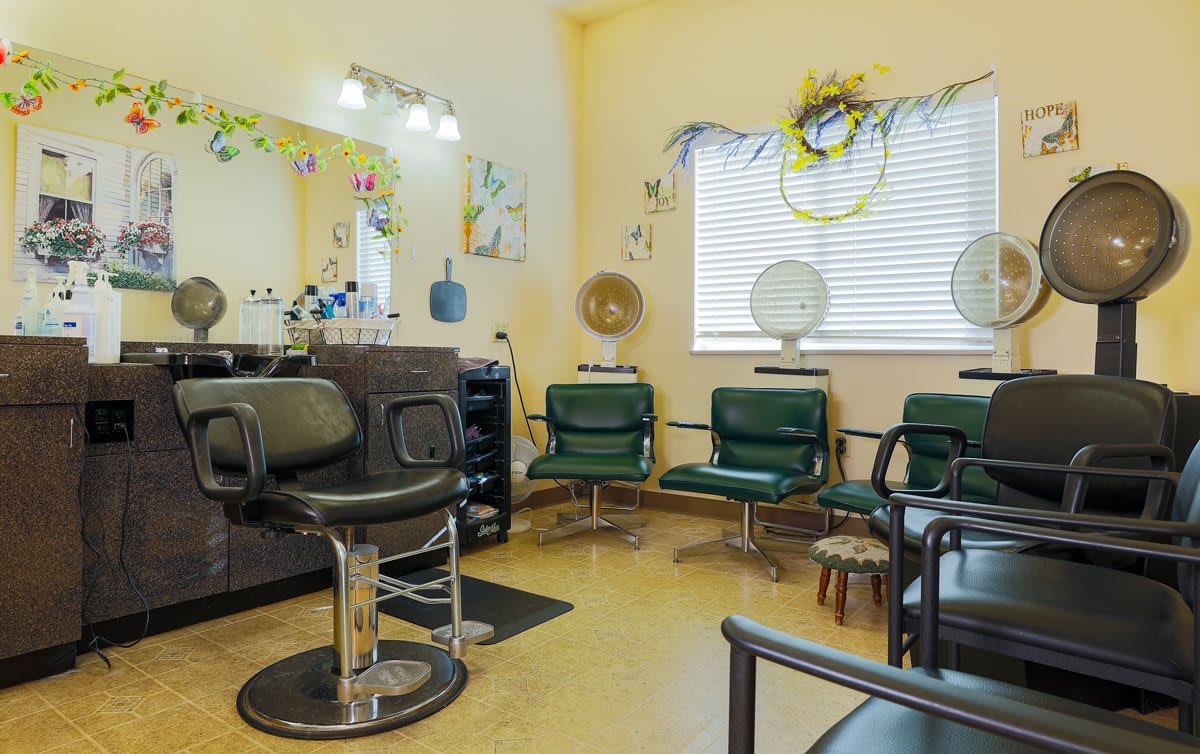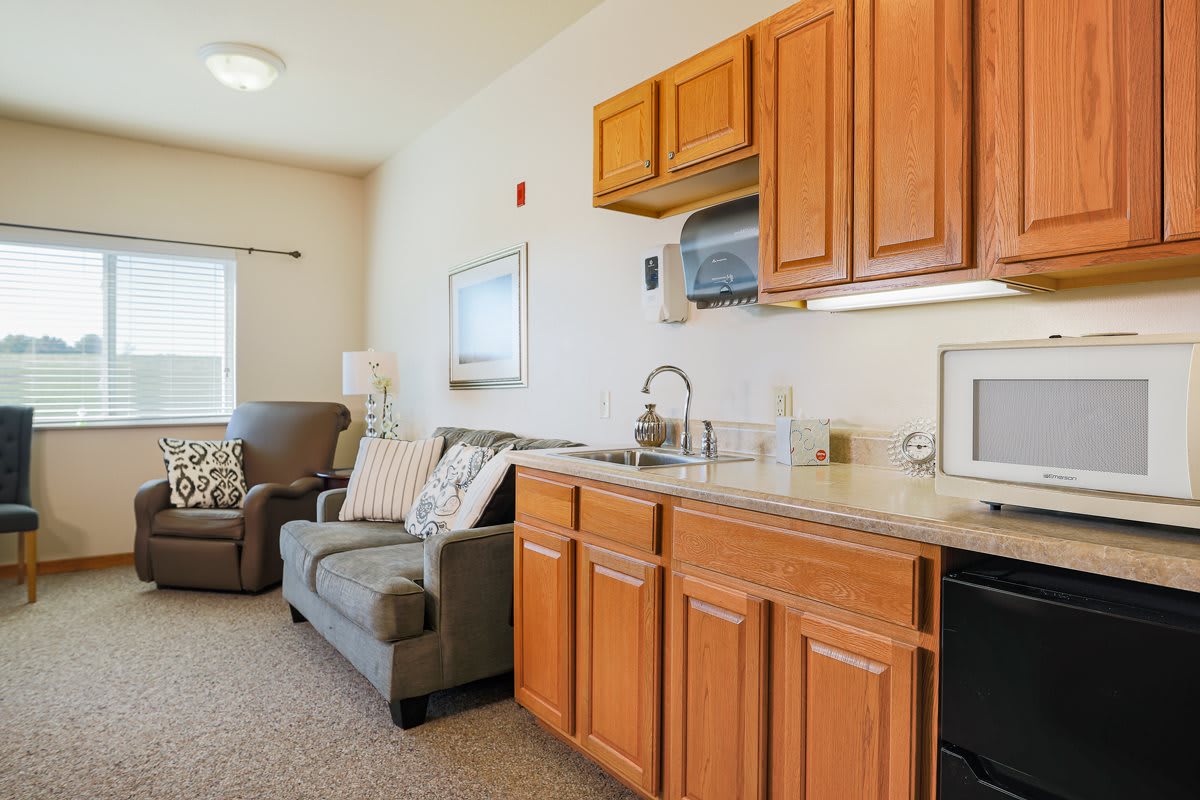
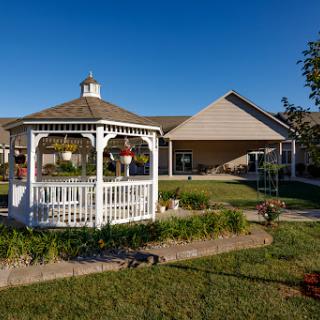
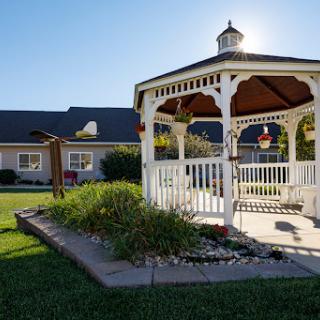
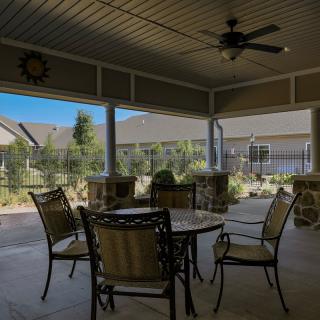
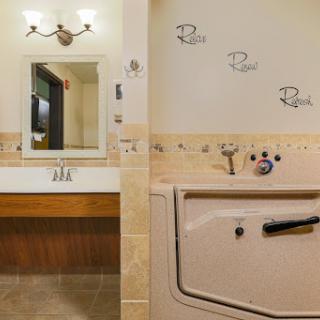
334 N Westview Dr, Osceola, IA 50213
To contact a resident: (641) 450-1972
For more information about senior living options: (866) 208-4318

Homestead of Osceola Costs & Pricing
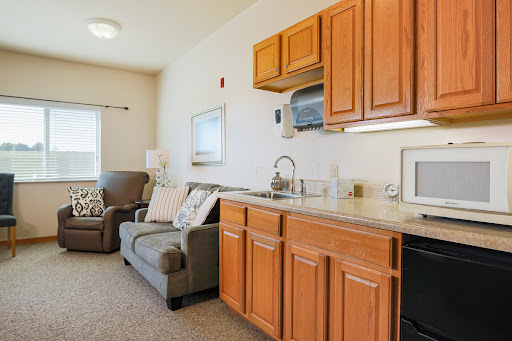
The Homestead of Osceola offers competitive pricing for its residents, reflecting a notable alignment with the costs seen in Clarke County, where both studio and one-bedroom accommodations are priced identically at $5,130 and $5,740, respectively. However, when compared to the broader state averages in Iowa, which show significantly lower rates of $3,613 for studios and $2,862 for one-bedrooms, it's clear that while Homestead of Osceola provides quality amenities and services that may justify the higher costs, prospective residents should weigh these figures against their budgets and expectations. This analysis underscores the importance of considering both local market conditions and individual needs when selecting an assisted living environment.
| Floor plans | Homestead of Osceola | Clarke County | Iowa |
|---|---|---|---|
| Studio | $5,130 | $5,130 | $3,609 |
| 1 Bedroom | $5,740 | $5,740 | $2,863 |
Overall Review of Homestead of Osceola
Pros
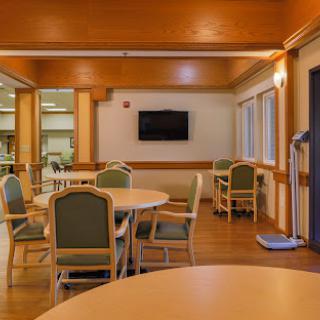
 The facility provided a TV for a resident to use while awaiting a replacement, which was wonderful for him.
- The staff are described as amazing and caring toward residents.
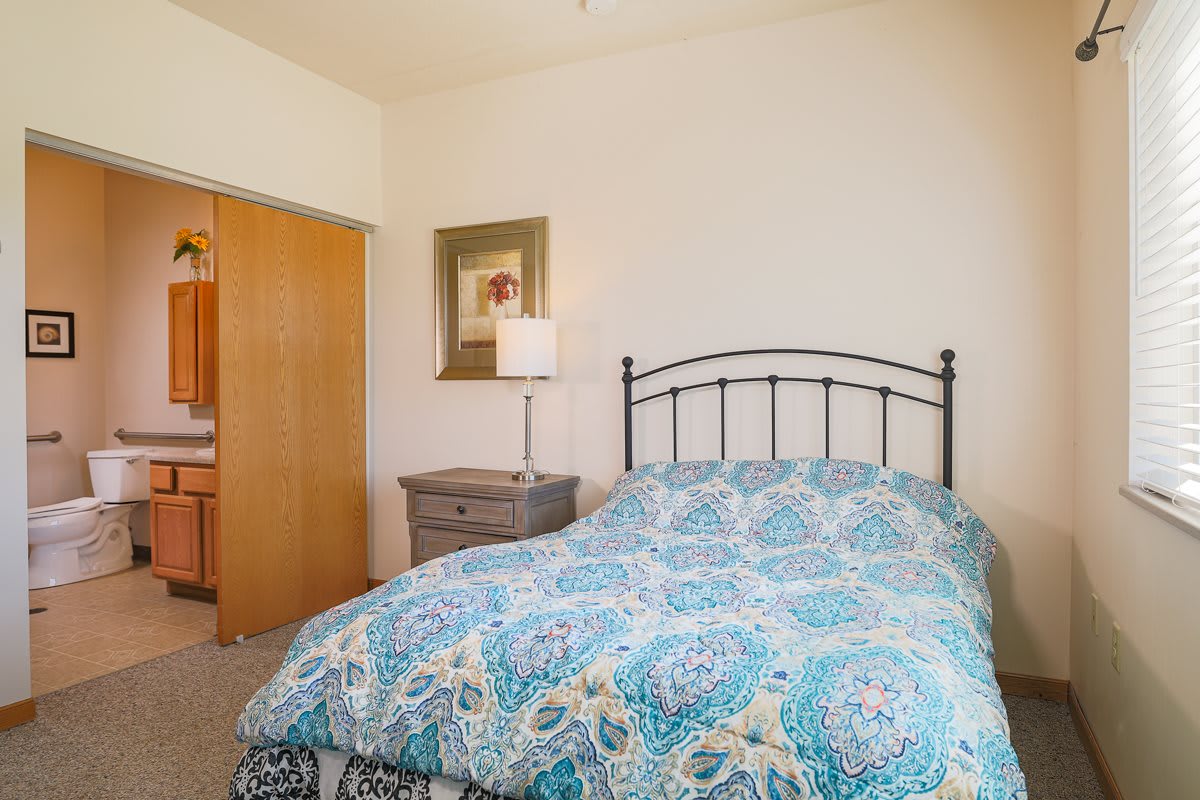
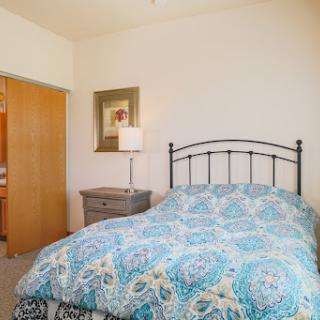
- Michelle, the director, made changes to a resident’s room so she would be comfortable and feel more at home.
- The activities keep residents engaged, and they love going to them.
- The team goes above and beyond for residents.
- Families feel welcomed and treated like family.
- Family members would want their loved ones to live there because they would be well taken care of.
Cons
 The review notes a family member’s clothes were lost while staying there.
- In an emergency, none of the staff except the administrator and a medical person can perform CPR.
- There are residents described as mentally deficient who are loud and intrude into others’ rooms.
- Staff reportedly enter residents’ rooms daily even when the doors are locked.
- The reviewer would not recommend Homestead of Osceola.
- The facility is described as deplorable with cobwebs, missing trim, chipped paint, and dead bugs in light fixtures.
- The staff are described as rude and abusive, with a reference to an in-house nurse Ratchet.
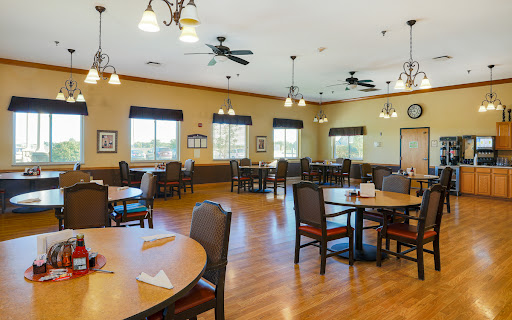
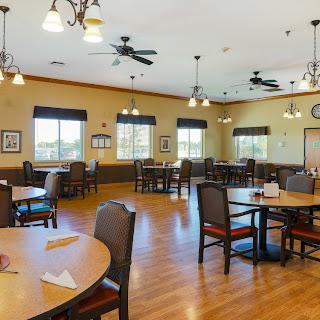
- The food is described as burnt beyond recognition and not served warm promptly.
- Residents are left in the same clothes for days, with bathing and laundry schedules poorly managed.
- The memory care side is more expensive and separated by a locked door.
Review
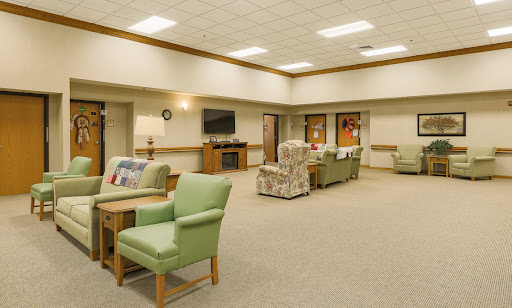
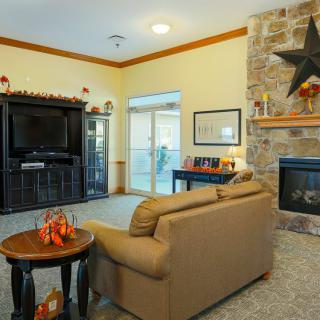
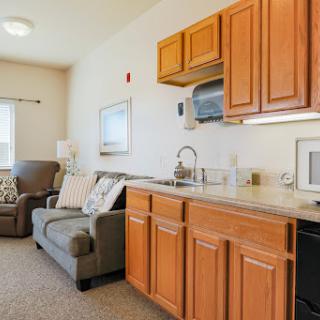
Homestead of Osceola is best suited for families seeking a warm, home-like environment where staff form genuine, long-standing relationships with residents and daily life is shaped by active programming and visible caregiver involvement. It is most valuable for seniors who do not require constant clinical intervention and for whom a familiar, family-oriented team can deliver consistent, personalized attention. In this setting, residents often benefit from a sense of continuity, the same nurses, aides, and activity staff who know their routines, preferences, and little quirks, and families report feeling welcomed and involved. For those who prize social engagement and a communal atmosphere where “the little things”, a familiar TV, a thoughtful meal, a friendly check-in, matter, this community can feel like a good fit.
At the same time, potential residents should consider alternatives if safety oversight, meticulous cleanliness, and predictable daily operations are non-negotiables. Reviews raise concerns about housekeeping lapses, cobwebs, chipped paint, and meals that arrive burnt or not adequately warmed. Reports of rude behaviors, privacy intrusions, and staff entering rooms when doors are locked point to inconsistencies in professionalism and could signal real safety risks for vulnerable residents. The memory care unit is priced higher and separated by a locked door, which invites a fairness question: does the extra cost bring proportional benefits in care and security? For families prioritizing spotless facilities, stringent daily routines, and rapid, highly trained medical response, it may be prudent to compare options with stronger track records in hygiene, safety protocols, and clinical consistency.
The strongest asset here is staff dedication and continuity. Long-tenured nurses, aides, and administrators cultivate a sense of reliability and genuine care that families repeatedly praise. Residents benefit from structured activities, social events, and opportunities to participate in outings or in-cinema experiences, which can deliver meaningful emotional and cognitive benefits. This kind of relational care, where staff know residents’ histories, celebrate anniversaries, and tailor meals or activities to individual preferences, can offset some frustrations and sustain a sense of belonging and dignity. When a team operates as a close-knit, mission-driven family, it creates a breathable, supportive framework that many families value highly.
Yet the cons carry real weight and warrant careful weighing. Cleanliness and maintenance gaps, dust, cobwebs, and worn paint, send a troubling message about standards and safety to families and residents alike. Food quality concerns compound the picture, making daily nourishment feel inconsistent. A troubling pattern for some is limited privacy paired with doors not always respected or properly monitored, which can undermine the sense of security in a place that houses vulnerable adults. The memory care unit, while offering a more secure environment, carries a higher price and a perception that the two levels of care may not always deliver uniformly high service, suggesting a need for vigilant oversight and clear expectations.
Prospective families should approach with a concrete plan. Request a thorough tour that emphasizes cleanliness, dining, and the cadence of daily life; speak with current residents about day-to-day satisfaction; review any incident or safety logs; verify CPR certification and emergency response readiness across shifts; and demand transparent explanations of memory care staffing, visibility, and escalation thresholds. Prepare detailed questions about laundry routines, clothing mishaps, and what happens when personal items go missing. If possible, negotiate a trial period or short-term placement to observe care dynamics in real time and determine whether staff responsiveness and resident happiness endure beyond initial impressions.
In the end, Homestead of Osceola presents a nuanced choice. It can be an excellent match for families seeking a nurturing, community-centered environment where caregivers feel like an extended family and where residents can thrive through robust programming and personal attention. The genuine warmth from many staff members and the sense of belonging described by families are real, tangible benefits that can translate into meaningful daily life for a loved one. However, serious caveats exist: cleanliness and maintenance concerns, variable safety practices, and questions about the balance of cost versus benefit in the memory care tier. For families where pristine environments, ironclad safety protocols, and consistently high clinical oversight are decisive, exploring other options is prudent. When choosing, insist on candid conversations, concrete demonstrations of care quality, and a clear alignment between promised services and everyday lived experience.
 Assisted Living
 Memory Care
 Cats allowed
 Dogs allowed
 Activities on-site
 Devotional services off-site
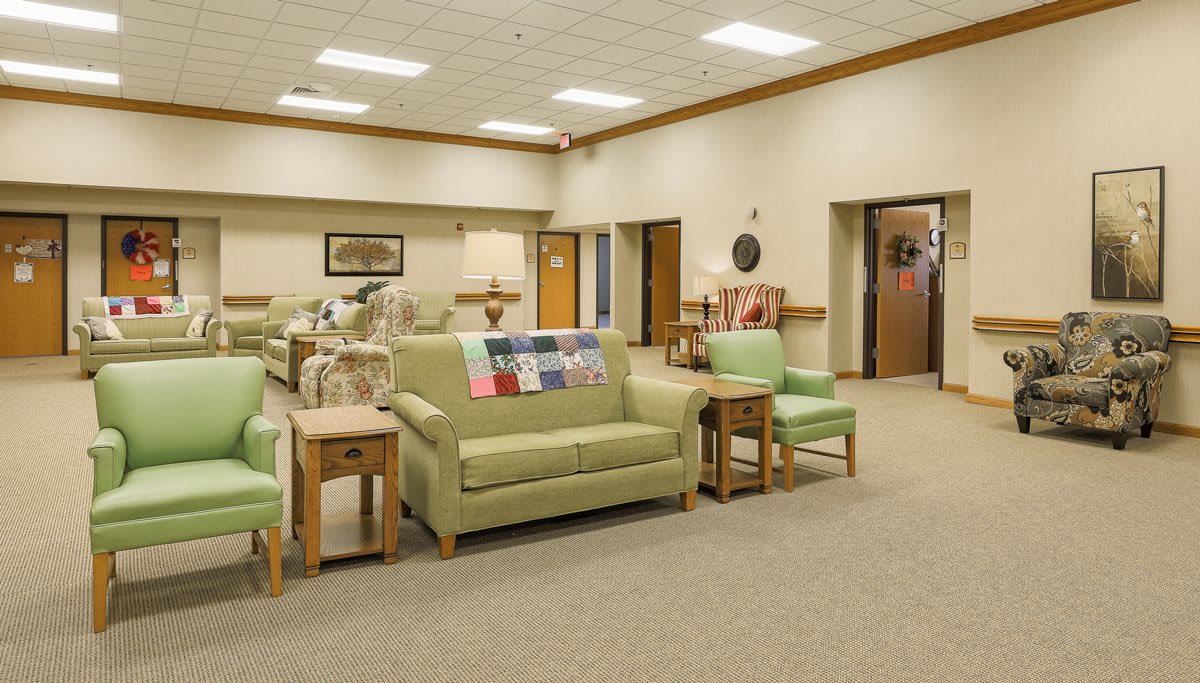
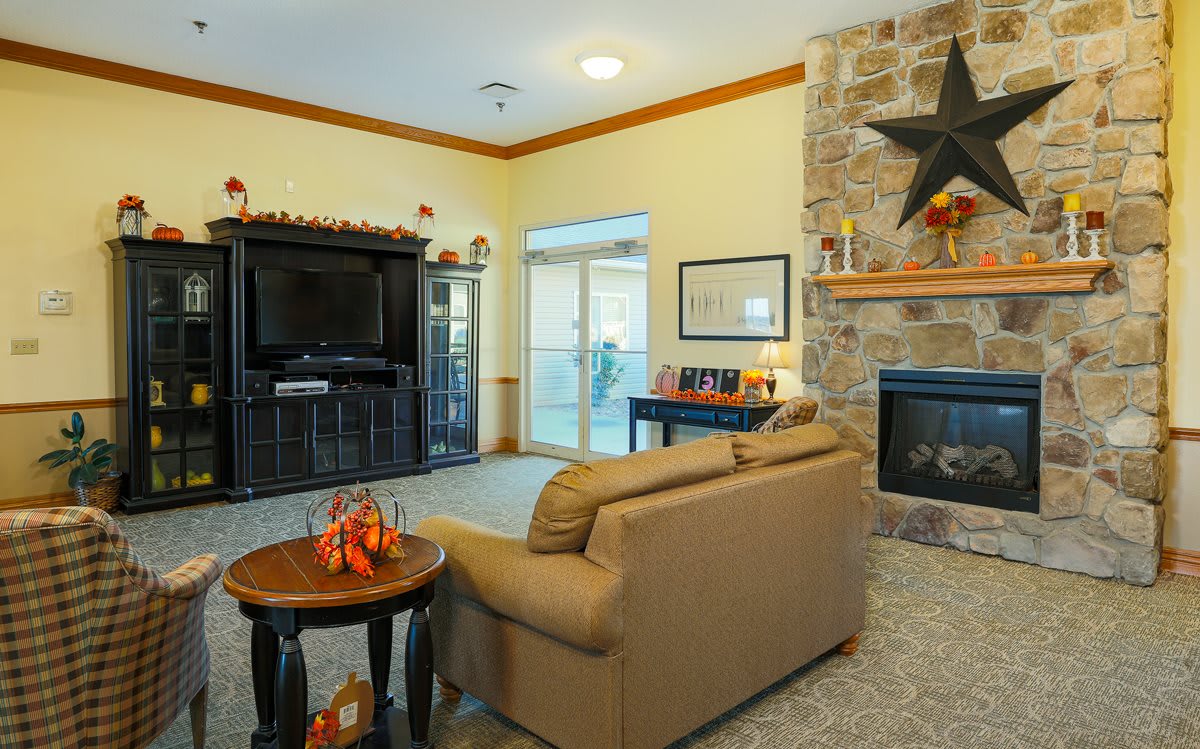
 Indoor common areas
 Ambulatory care
 Diabetic care
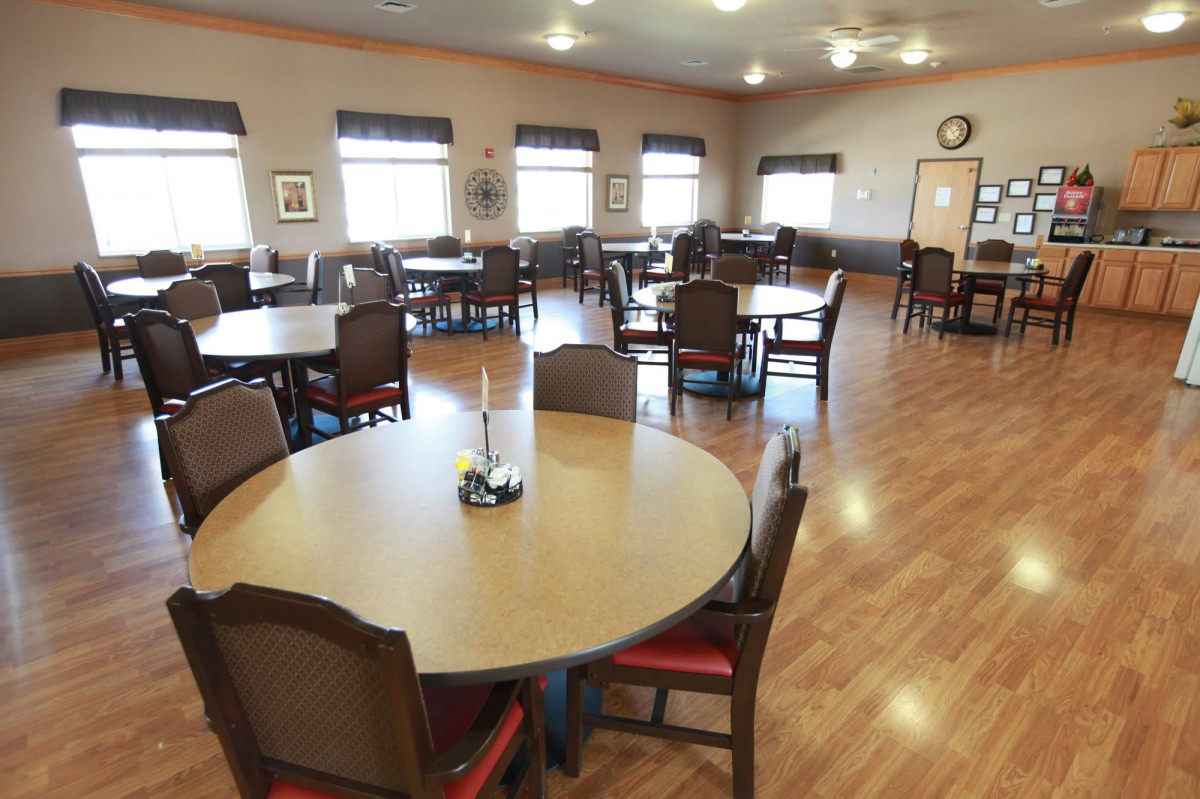
 Meals provided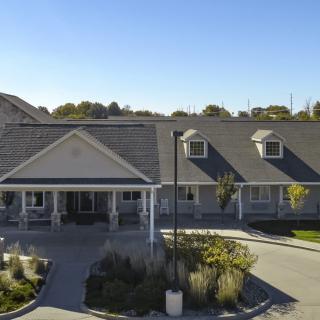



 Delirium and Dementia: Unraveling the Key Differences
 Are Dementia and Alzheimer's Disease Lethal? A Comprehensive Exploration
 Exploring the Power of Reminiscence Therapy for Individuals With Dementia