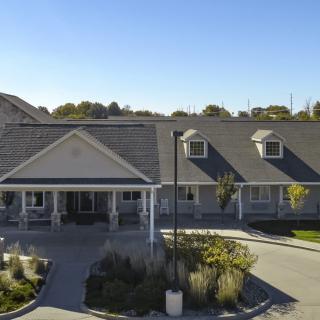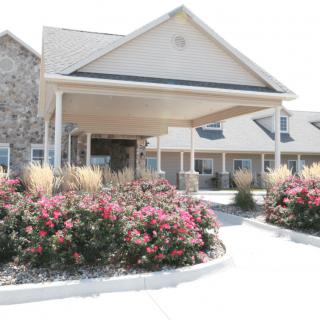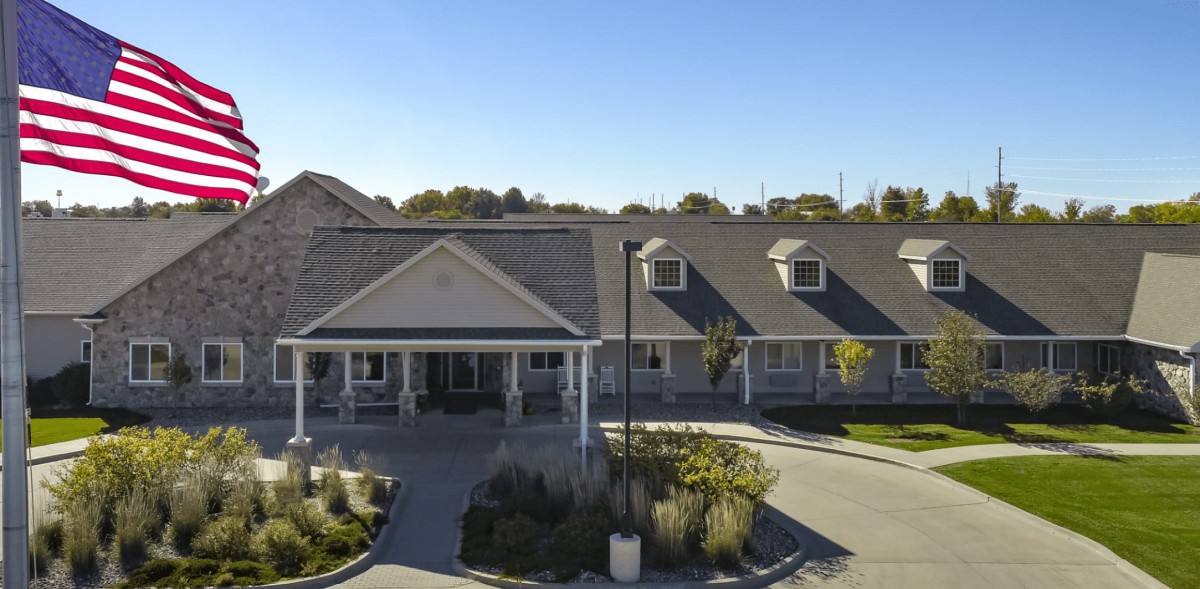
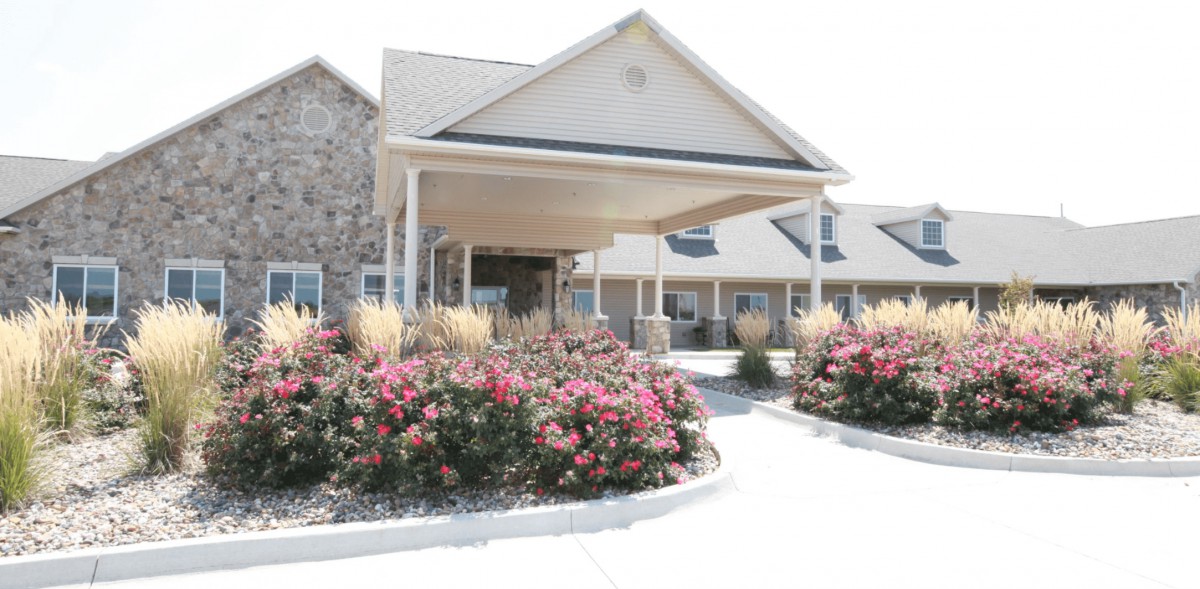
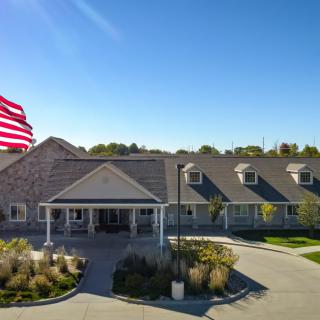
334 North West View Drive, Osceola, IA 50213
For more information about senior living options: (866) 208-4318
Overall Review of Homestead Of Osceola
Pros
 Homestead provided a TV for the dad to use until a replacement could be found, which was wonderful for him.
- The staff are described as amazing.
- Kerri is regarded as one of the greatest nurses there is.
- Michelle, the director, made changes to the mom's room so she would be comfortable and feel more at home.
- The activities keep the resident engaged and she loves attending them.
- Stephanie prepared her favorite meal for her the night they returned.
- The family feels lucky to have Homestead and the staff to help care for their loved one.
Cons
 The facility lost clothes belonging to a family member who stayed there.
- The place was described as deplorable.
- The memory assessment test was criticized as questionable, likened to a politician seeking reelection.
- There were cobwebs, missing trim, chipped paint, and dead bugs in the light fixtures.
- The staff were described as rude and borderline abusive, with an in-house nurse Ratchet.
- The food was usually burnt and only lukewarm by the time it reached the memory care side.
- Residents were left in the same clothes for days, with bathing, bathroom cleaning, and laundry schedules overlapping.
- In the first two months, the resident required two ER visits due to blood clots and dehydration, despite claims of 24-hour care.
Review
Homestead Of Osceola serves best for families seeking a warm, relationship-driven assisted living environment with an active memory-care culture. This community is most suited to residents who value real-time staff engagement, dependable social programming, and a setting where family involvement is welcomed and encouraged. It works well for people who want visible, daily interactions with caregivers who treat residents like members of a close-knit group. Those who need frequent, hands-on supervision and a high degree of familiarity with the staff will find genuine reassurance here. It is less ideal for families prioritizing a pristine, uniformly polished facility or a consistently surgical, protocol-driven care model.
Alternatives to consider include communities that foreground immaculate maintenance, spotless common areas, and a relentlessly uniform standard of dining and clinical oversight. If priority lies in razor-sharp cleanliness, flawless maintenance, or a strictly professional, non-personalized ambience, other options may deliver more predictable experiences. Likewise, families requiring high-frequency clinical interventions or a more formalized approach to memory care may prefer facilities with a longer track record of standardized protocols and smaller, tightly controlled care teams. In short, the appeal here hinges on relational care and programming rather than showroom polish.
On the positive side, there is clear evidence of staff who go above and beyond on behalf of residents. When care teams are engaged, they display warmth, attentiveness, and a willingness to tailor daily life to individual preferences, evident in the way one patient’s family felt welcomed and supported, and in staff members who helped adjust rooms to feel more like home. The memory care program earns credit for meaningful activities, outings, and social opportunities that keep residents connected and motivated. Families repeatedly highlight the personal touches, flowers when hospitalization occurred, meals prepared to residents’ tastes, and the sense that caregivers are genuinely invested in each person’s well-being. These strengths can create dramatic boosts to quality of life.
However, real and perceived gaps shadow these strengths. Several reviewers describe maintenance and cleanliness lapses, cobwebs, chipped paint, dead bugs, and a sense that basic upkeep is not consistently prioritized. Dining quality is repeatedly flagged as variable, with meals sometimes arriving cold or not meeting expectations for taste and presentation. There are also troubling characterizations of staff attitudes, including references to rude behavior and a perception that frontline care hinges on who is writing the check rather than on equitable care for all residents. Add in concerns about medical oversight and safety, such as reported emergency-room visits tied to dehydration and changes in activity level, and the overall risk profile becomes nontrivial. These issues can erode trust and safety if not actively corrected.
Yet the favorable experiences in long-running residents’ stories cannot be dismissed. For families who prioritize continuity of care, the ability to build enduring relationships with a consistent team matters greatly. When leadership responds, adjusting rooms, honoring resident preferences, and maintaining open lines of communication, the environment can feel stabilizing and home-like. The sense of community cultivated through activities, family-inclusive events, and accessible staff creates a counterweight to the negatives. In other words, the experience is highly contingent on daily leadership, staff morale, and the degree to which personal connections are nurtured and sustained.
Decision-makers should anchor their assessment in two questions: Is the priority a supportive, personally engaged care culture with active resident participation, or is the priority an impeccably clean, uniformly managed environment with predictable metrics? If the former, Homestead Of Osceola can deliver a deeply satisfying, family-like experience, particularly for memory-care and assisted-living residents who benefit from strong social programming and staff affinity. If the latter, it may be prudent to explore alternatives that demonstrate more consistent attention to cleanliness, dining standards, and clinical oversight. In either case, a careful, in-person evaluation is essential, preferably with opportunities to meet the nursing team, observe mealtime service, and request a tour of the memory-care and assisted-living areas.
In sum, Homestead Of Osceola offers a meaningful option for families who prize warmth, relational care, and active engagement, with memory-care and social programming as standout assets. The decision hinges on tolerance for maintenance variability and the importance placed on staff demeanor and consistency. Prospects should demand transparency on housekeeping routines, meal preparation standards, and staff accountability, while also probing for concrete examples of how care plans adapt to individual needs. If those elements align, this community can be a welcoming home. If they do not, exploring alternatives with stronger cleanliness standards and more uniform clinical practices may yield better long-term peace of mind.
 86 resident community capacity
 Assisted Living
 Memory Care
 Air-conditioning
 Beauty salon
 Cable or satellite TV
 Computer center
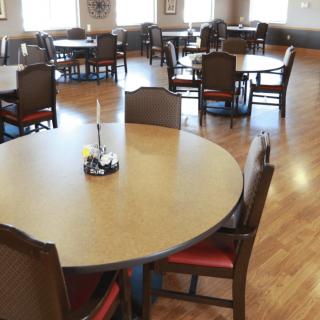
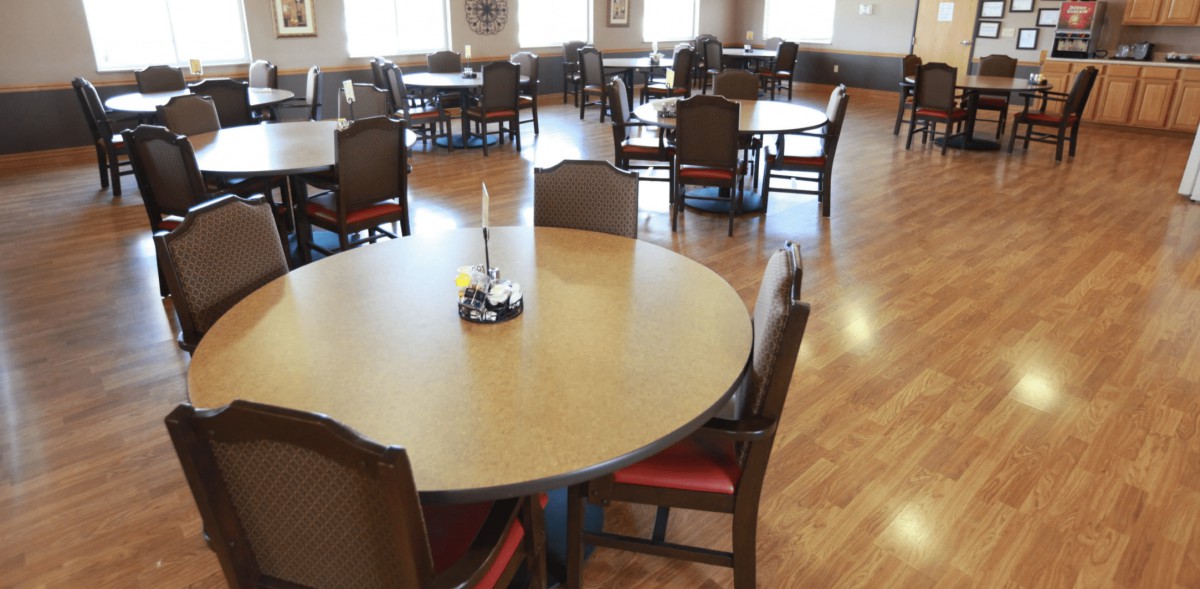
 Dining room
 Fitness room
 Fully furnished
 Gaming room
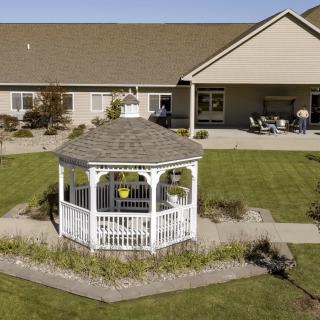
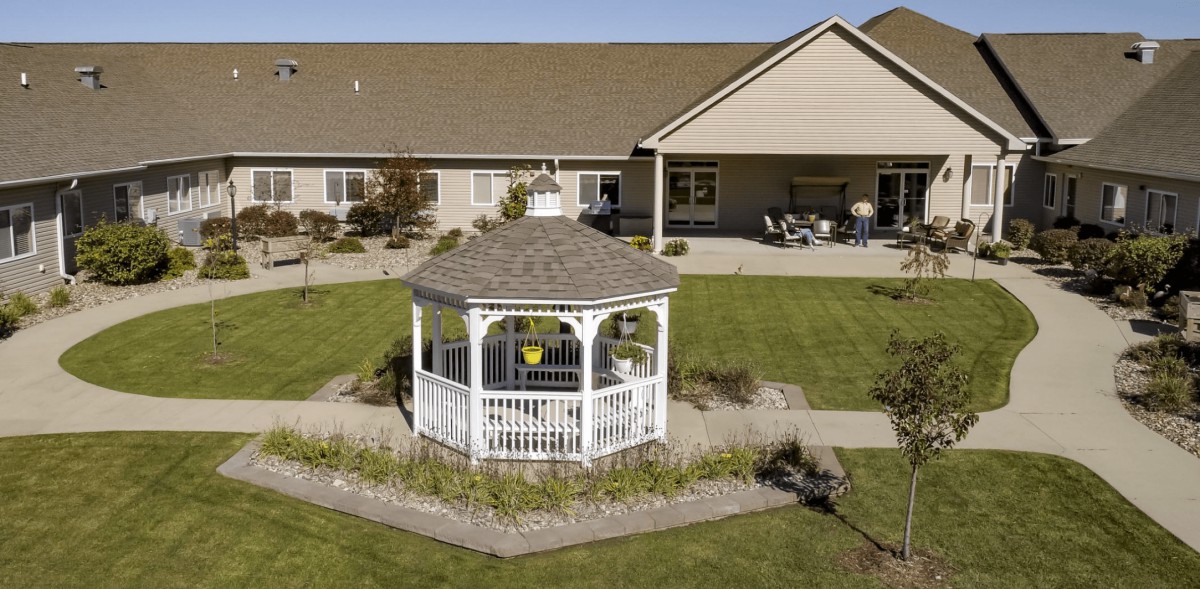
 Garden
 Housekeeping services
 Kitchenette
 Move-in coordination
 Outdoor space
 Private bathrooms
 Restaurant-style dining
 Small library
 Telephone
 Wellness center
 Wi-Fi/high-speed internet available
 Community operated transportation
 12-16 hour nursing
 24-hour call system
 Activities of daily living assistance
 Assistance with bathing
 Assistance with dressing
 Assistance with transfers
 Diabetes diet
 Hospice waiver
 Medication management
 Mental wellness program
 Special dietary restrictions
 Transportation arrangement (medical)
 Concierge services
 Planned day trips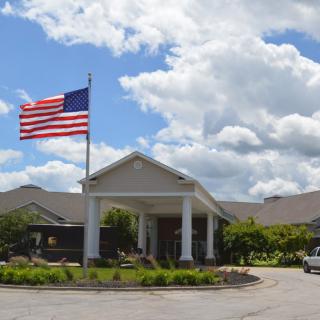



 A Thorough Discussion of Medications Potentially Linked to Dementia Risk
 Why Do Dementia Patients Sleep So Much? Understanding Oversleeping, Stages, and Care Approaches
 8 Key Indicators That Suggest It May Be Time to Transition from Assisted Living to Skilled Nursing Care