
1500 First Avenue East, Newton, IA 50208
For more information about senior living options: (866) 208-4318
Overall Review of Nelson Manor
Cons
 The care was harsh and lacked the attention needed to maintain a semi-happy environment.
- The mother was shaky and had trouble with hand coordination; the hearing aids rarely worked and often snapped, making communication difficult.
- The facility was accused of drugging patients with anti-anxiety and hypnotic medications to keep them subdued.
- The office was in turmoil, and it was hard to reach anyone who seemed to know who was in charge.
- Nelson Manor was described as an inept business that failed to manage finances or settle accounts.
- The mother died in their care under suspicious circumstances, with an investigation anticipated.
Review
Nelson Manor in Newton, IA is best suited for seniors who want a straightforward, supervised living option at a modest cost and whose families are prepared to stay actively involved in daily care. It works best for residents who do not require intensive medical monitoring and who can thrive with a steady routine, regular oversight, and clear lines of communication with family and caregivers outside the building. For families willing to maintain hands-on involvement and coordinate external supports, Nelson Manor can be a practical, budget-conscious choice. The key condition is reliable oversight: without it, the apparent gaps in care and administration can overwhelm any perceived affordability or simplicity of the living environment.
On the downside, one family’s experience casts a long shadow over the community’s suitability for anyone with heightened safety or dignity concerns. The report describes care that felt harsh and inattentive within the first month, leaving the resident to struggle with mobility and coordination. Hearing aids were not reliably maintained, and attempts to obtain basic upkeep, like battery changes, were met with resistance. Communication with staff deteriorated as turnover rose and access to on-site leadership became inconsistent, contributing to a sense of isolation. Add to that multiple mentions of administrative disarray and perceived overmedication used to manage residents, and the overall impression is of a setting where safety and autonomy may be compromised. The most troubling element remains the acknowledged death in care, followed by an investigation, which intensifies the urgency of independent verification before any family commitment.
There are potential strengths to acknowledge when Nelson Manor functions with stable staffing and consistent leadership. In favorable conditions, a facility like this can provide dependable daily assistance, predictable routines, and a familiar small-community atmosphere that many seniors find comforting. For families who can arrange robust outside caregiving or who can verify immediate responsiveness from the administration, the site may deliver essential, low-cost support without the frills of higher-end communities. The practical appeal lies in structure and accessibility, qualities that matter if medical needs are moderate and a clear system for problem resolution exists. These advantages are meaningful only if care quality stays steady and complaints are promptly addressed.
The strongest red flags, however, remain systemic. Harsh or inconsistent care directly threatens physical safety and emotional well-being, especially for residents with sensory or mobility challenges. Equipment neglect, such as prolonged periods without functioning hearing aids, has a cascade effect, isolating residents and worsening communication with loved ones and caregivers. Administrative fragmentation, difficulties reaching the person in charge, coupled with internal chaos, erodes trust and delays responses in urgent situations. The combination of possible overmedication and the pending investigation regarding a resident death signals a level of risk that requires scrutiny from any family considering placement. In practical terms, these are not abstract concerns; they translate into real day-to-day risks that must be weighed against any perceived cost savings or routine benefits.
Given these dynamics, the calculus largely tilts toward caution. The pros can be meaningful only when paired with demonstrable, ongoing improvements in care quality, transparent governance, and verifiable safety records. If a move is contemplated, it should hinge on current, verifiable staffing levels, direct conversations with a high-level administrator, and access to up-to-date inspection or incident reports. For families unsure about the facility’s trajectory, exploring alternatives with stronger accountability, better frontline communication, and proven safety metrics is prudent. Those prioritizing safety, dignity, and consistent care will likely find more peace of mind elsewhere, while only those prepared to enforce rigorous oversight and rapid remediation find Nelson Manor justifiable for long-term placement.
 36 resident community capacity
 Skilled Nursing Facility
 Beauty salon
 Cable or satellite TV
 Dining room
 Fully furnished
 Garden
 Housekeeping services
 Kitchenette
 Move-in coordination
 Outdoor space
 Restaurant-style dining
 Small library
 Telephone
 Wi-Fi/high-speed internet available
 24-hour call system
 Activities of daily living assistance
 Assistance with bathing
 Assistance with dressing
 Assistance with transfers
 Diabetes diet
 Medication management
 Mental wellness program
 Special dietary restrictions
 Convenient location with extensive nearby amenities and healthcare options.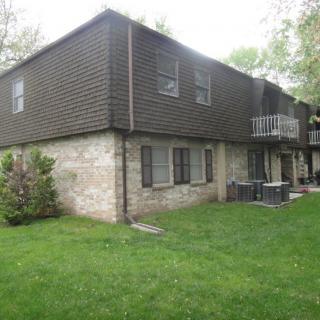


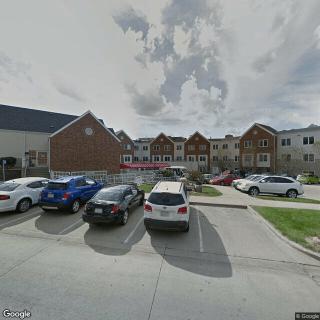
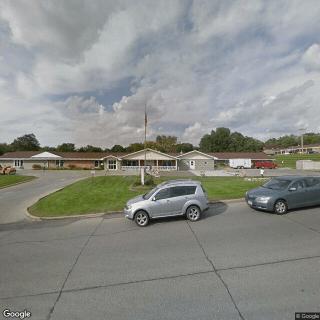



 Nurturing Our Loved Ones: A Daughter's Journey in Caring for Her Mother
 Nurturing Our Elders: Linda's Journey of Supporting Her Mother
 A Comprehensive Exploration of Common Misunderstandings about Powers of Attorney