1743 South Eighth Avenue East, Newton, IA 50208
For more information about senior living options: (866) 208-4318
Overall Review of Accura Healthcare Of Newton East
Pros
 She had such excellent care physically and was treated with kindness, love, and dignity.
- She was truly valued as a person.
- The facility was exceptionally clean and everything was well kept.
- Great staff and wonderful care for the residents.
Cons
 They felt misled when the hospice room wasn’t ready as promised, and the hallway smelled badly.
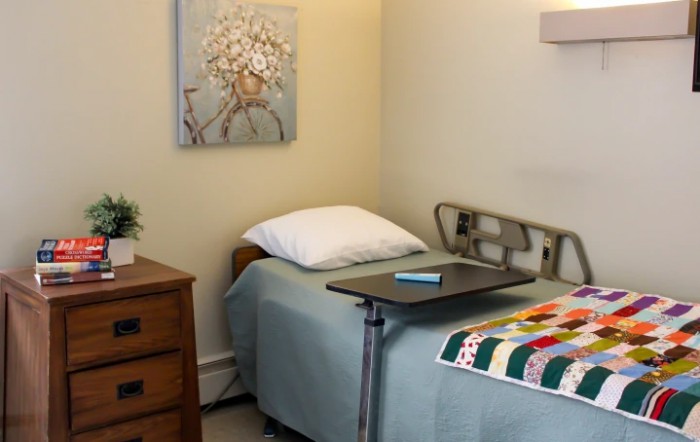
- They described the room as only able to fit one visitor, leaving the resident with limited space to visit.
- The facility was reportedly overrun with roaches and bed bugs.
- Staff were allegedly allowing CNAs to work there who did not have CNA licenses.
- Residents were suffering injuries due to these conditions.
Review
This community is best suited for families seeking memory-care oriented support where residents receive compassionate, individualized attention and where family concerns are welcomed and addressed. Positive review threads emphasize dementia care characterized by kindness, dignity, and a sense that the person with memory impairment is valued. When staff are attentive and the environment is clean, families report meaningful reassurance that their loved one is treated with respect and that concerns are listened to promptly and acted upon.
At the same time, potential residents and their families should explicitly consider alternatives if safety, licensure, and operational consistency are non-negotiable requirements. Several accounts raise questions about essential safeguards: pest problems, questions about staffing credentials, and room configurations that feel insufficient for meaningful hospice or visiting needs. For those who cannot accept ambiguity around staff qualifications, room adequacy, and transparent communication, exploring other options with stronger safety histories is prudent.
The main pros, genuine, caring staff, and at times noticeably clean facilities, offer meaningful value when present. These strengths can soften the emotional strain of caregiving and provide a foundation for trusting daily routines. Yet they do not fully offset the more serious cons raised in other accounts: roach and bed-bug concerns, alleged lapses in CNA licensure, resident injuries, and discomfort with hospice logistics or room readiness. When the positive experiences are tempered by operational red flags, the overall risk calculus tilts toward caution.
Families evaluating this community should verify several concrete factors during due diligence. Confirm current licensure status and staffing qualifications, including CNA certifications and any recent staffing changes. Request recent pest-control records and evidence of ongoing extermination protocols. Observe a tour of the memory-care environment to assess safety features, secure access, and the quality of daily activities. Ask to review a typical care plan and daily schedule to gauge consistency of care, especially for residents with dementia. Inquire about hospice or respite room availability, privacy, and comfort, and seek candid stories from current or former residents’ families about response times and care coordination. These checks turn impressionistic perceptions into measurable risk indicators.
The review pattern shows a clear tension: anecdotes of great, values-aligned care sit side by side with accounts of odor, space constraints, and serious operational concerns. That dichotomy matters because it points to a facility that may perform strongly in routine daily care but struggle with critical safety, licensure, or maintenance issues. For a family balancing dignity and safety, this means prioritizing transparency and verifiable compliance over anecdotes of kindness alone. A confident decision rests on confirming that the positives are backed by solid, ongoing systems rather than episodic demonstrations of goodwill.
In the end, this community can be a solid match for dementia-focused care where the care team demonstrates consistent warmth, dependable communication, and clean, well-maintained surroundings. If those conditions are reliably documented and transparently communicated, the alignment with a family’s needs can be strong. If, however, ongoing concerns about pests, licensure, room readiness, or Injury risk persist without clear remediation, the prudent move is to pursue alternatives with proven safety records, explicit staffing credentials, and established protocols for memory-care operations. Schedule focused tours, demand current inspection and licensure documentation, and seek corroborating references before making a final commitment.
 54 resident community capacity
 Skilled Nursing Facility
 Air-conditioning
 Beauty salon
 Cable or satellite TV
 Computer center
 Dining room
 Fitness room
 Fully furnished
 Gaming room
 Garden
 Housekeeping services
 Kitchenette
 Move-in coordination
 Outdoor space
 Private bathrooms
 Restaurant-style dining
 Small library
 Telephone
 Wellness center
 Wi-Fi/high-speed internet available
 Community operated transportation
 12-16 hour nursing
 24-hour call system
 Activities of daily living assistance
 Assistance with bathing
 Assistance with dressing
 Assistance with transfers
 Diabetes diet
 Medication management
 Mental wellness program
 Special dietary restrictions
 Concierge services
 Planned day trips



 Understanding the Nuances of Palliative Care and Hospice: A Comprehensive Exploration
 Fecal Incontinence in Older Adults: A Comprehensive Guide
 Nurturing Well-Being Through Gardening: A Detailed Guide for Senior Enthusiasts