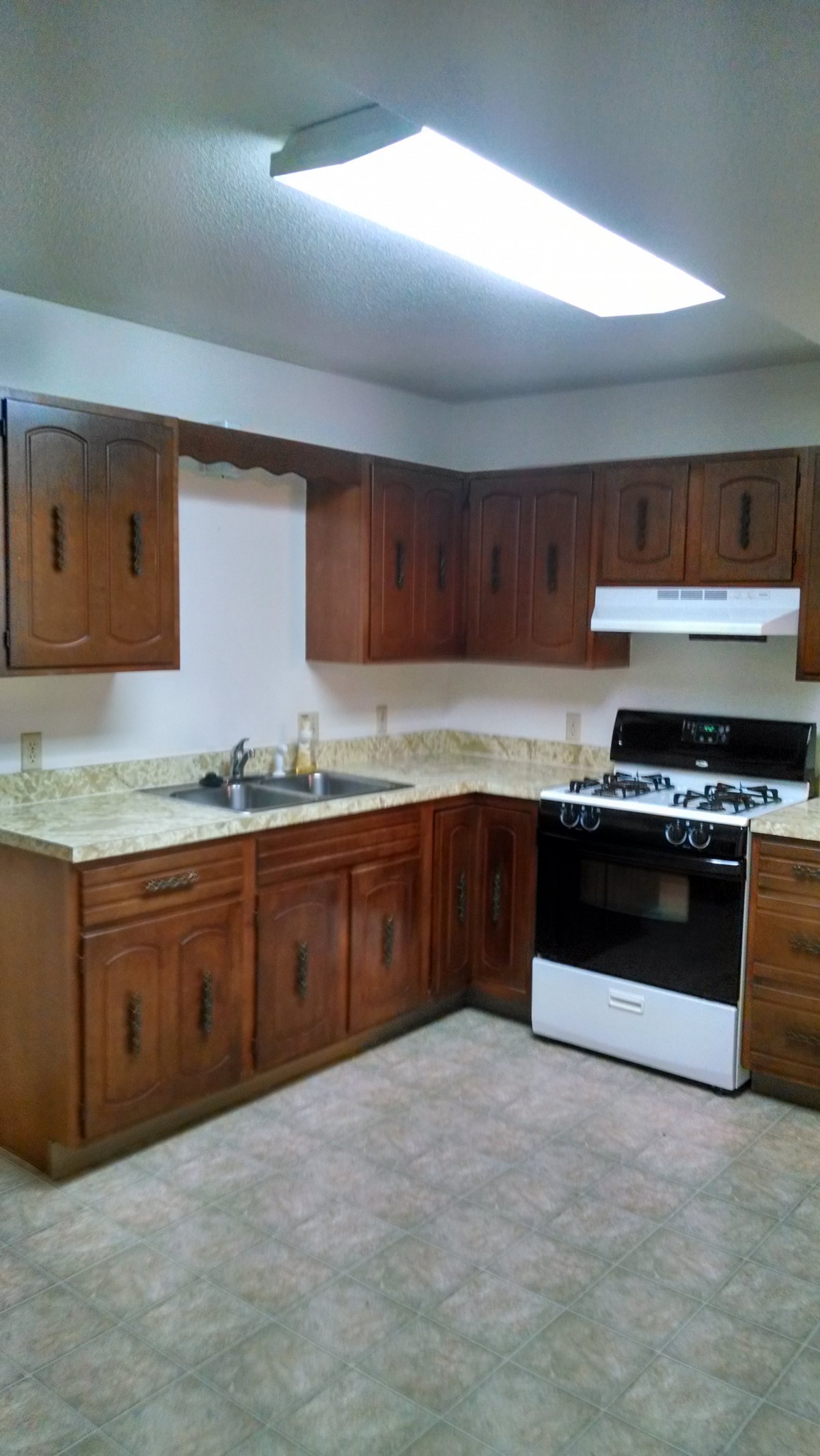
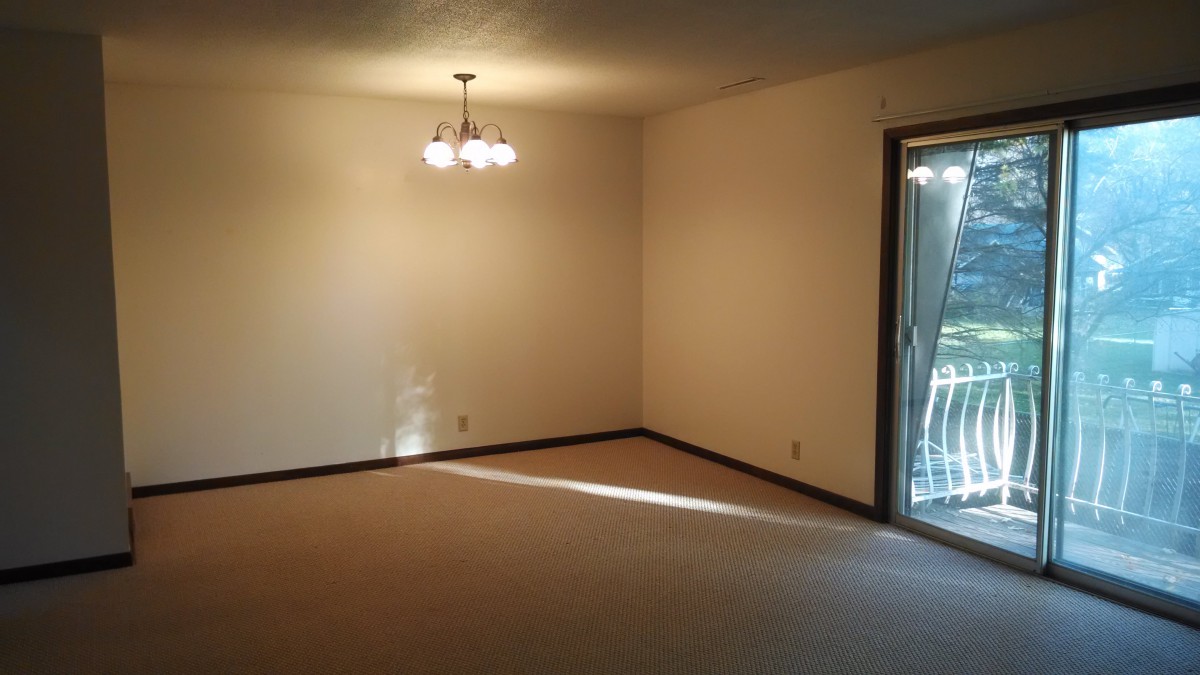
400 East 8th Street South, Newton, IA 50208
To contact a resident: (515) 373-8331
For more information about senior living options: (866) 208-4318
East Town Apartments Costs & Pricing
East Town Apartments offers competitive pricing for rental units in comparison to both Jasper County and the broader state of Iowa. For a one-bedroom apartment, East Town's monthly rent is $695, significantly more affordable than the county average of $820 and the state's average of $2,862. Similarly, in the two-bedroom category, East Town Apartments charges $725 per month, which again undercuts Jasper County's average of $1,176 and Iowa's higher state average of $3,329. This pricing strategy positions East Town Apartments as a cost-effective option for residents seeking comfortable living spaces without straining their budgets.
| Floor plans | East Town Apartments | Jasper County | Iowa |
|---|---|---|---|
| 1 Bedroom | $695 | $820 | $2,863 |
| 2 Bedrooms | $725 | $1,176 | $3,329 |
Senior living communities with a similar price nearby
-
from +$25 / mo
Village Cooperative of Marshalltown
$720 / month22.7 miles away
Overall Review of East Town Apartments
Pros
 The community is very quiet, and residents enjoy living there.
- The management has become responsive to resident needs, with regular visits to the buildings.
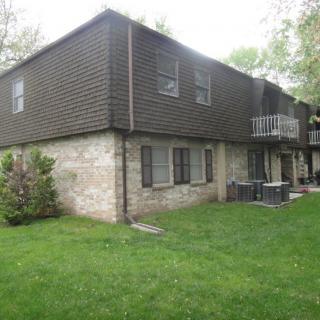
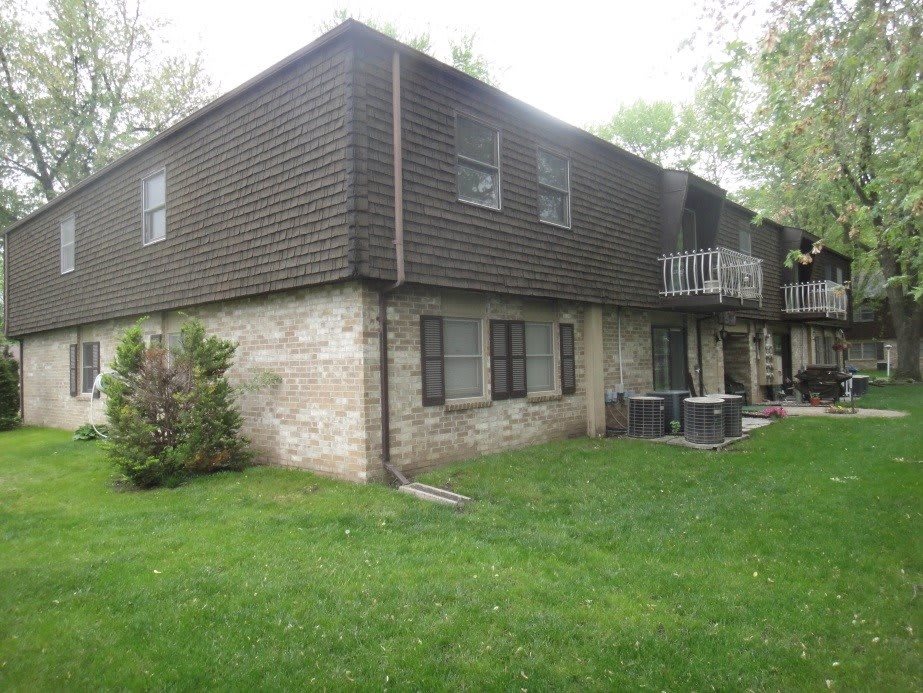
- A new roof has been installed on both buildings, and detectors have been updated.
- Several units have been remodeled and repairs completed, improving the overall condition.
- The property offers a garage, storage unit, and a balcony or patio for every unit at a reasonable monthly price.
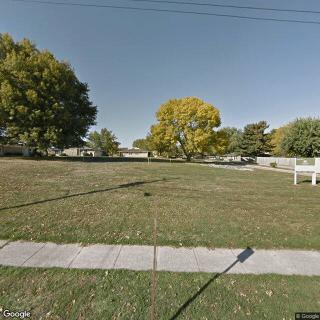
- There are beautiful trees and wildlife, and residents especially love the squirrels.
Cons
 The property is old and has no updates.
- Fire detectors frequently beep and require battery changes.
- Allowing adult children to live with 55+ residents is viewed as not right.
- The stairs to the second floor are unsafe and too narrow to carry groceries.
- Entry doors are unkept and door knobs are dented.
- Maintenance requests take forever and are not completed most of the time.
Review
East Town Apartments in Newton, IA is best suited for budget-conscious seniors who want a quiet, low-maintenance living environment with a practical path to ongoing improvements. It appeals to residents who value a predictable lease experience, on-site management that can respond to day-to-day needs, and the assurance of tangible amenities like a garage, storage options, and a balcony or patio for each unit. The setting favors those who don’t require extensive assisted-living services and who are comfortable living in an older building while watching steady updates unfold over time. In short, this is a solid, no-frills choice for long-term tenants who prioritize affordability, privacy, and a calm, residential feel.
Pros that matter most center on responsive management and real, visible improvements. Recent leadership changes have produced regular building visits, quicker attention to issues, and a track record of concrete upgrades, new roofs, updated fire and CO detectors, and unit remodels. Repairs that had lagged before appear to be completed, and the sense that management is now more engaged translates into a more dependable living experience. For residents who want to see their rent buy real value, the presence of a garage, dedicated storage, and a private outdoor space on every unit magnifies the appeal, especially when paired with pleasant grounds and mature trees. These positives can somewhat offset the realities of older construction by delivering a stable, low-drama home life with continuing, visible improvements.
That said, not every concern dissolves with better management. The building’s age means some features lag behind modern standards, and that matters for prospective long-term residents who expect a consistently updated environment. Reported beeping fire detectors, if not promptly addressed, create daily irritations and raise questions about ongoing safety maintenance. The stairs to the second floor present practical accessibility challenges, limiting ease of grocery trips and daily transitions for residents with mobility concerns. Entry doors and hardware described as unkempt or dented signal that cosmetic upkeep hasn’t kept pace with upkeep in other areas. Maintenance requests, while improved in the latest cycle, can still feel slow to some tenants, which undermines the otherwise attractive price-to-value equation.
Another important factor to weigh is the community’s age and household dynamics. One review notes a 55+ designation with adult children living with residents, which may not align with every family’s expectations or needs. Potential renters should verify current policies on occupancy and age restrictions during tours to avoid surprises. For households seeking a highly controlled environment or a high-touch, care-focused setting, alternatives that offer stronger accessibility and more comprehensive on-site services may provide greater peace of mind. East Town’s strengths align with a self-directed, independent senior lifestyle, but that niche may not fit every situation.
For families evaluating options, a practical approach is essential. Tour the property with an eye on the most recent upgrades: confirm that the roof, detectors, and any remodels are complete and performing, and inspect an actual unit for finish quality and storage layout. Test the stairs and railings, check lighting, and note the condition of entry doors and common areas. Ask current residents about responsiveness, especially for maintenance requests and urgent issues. Clarify the current policies around guests, pet or family arrangements, and any age-related restrictions so expectations align with reality. East Town Apartments can be a reliable home for those who value steady, affordable living and visible improvement tempo, but families needing modernized interiors, top-tier safety systems, and seamless accessibility may want to compare with newer or more fully upgraded options.
Ultimately, East Town Apartments offers a grounded, practical living solution for seniors prioritizing quiet, predictable days and a landlord that has begun delivering on promised improvements. The strongest case is made for residents who are comfortable in an older building and who welcome a manageable price point alongside tangible progress. Those who require pristine, move-in-ready interiors, flawless accessibility, or highly proactive maintenance may find alternatives that better fit that criteria. A careful, on-site evaluation, focusing on unit condition, safety systems, and the responsiveness track record, will reveal whether this community aligns with the family’s expectations and the resident’s independence.
 Active Adult Communities (55+)
 Air-conditioning
 Bath tubs
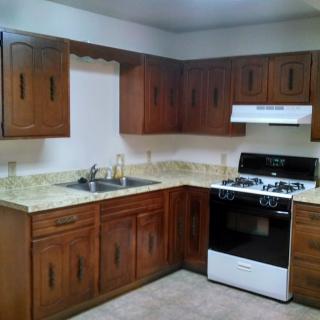
 Full kitchen
 Ground floor units




 Navigating Medicare Coverage for In-Home Care Services
 In-Home Care Costs in 2025: A Detailed State-by-State Exploration
 Understanding Home Health Care: A Comprehensive Guide