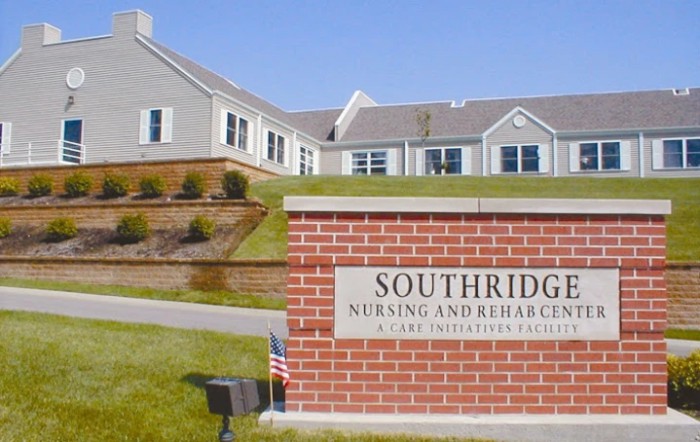




309 West Merle Hibbs Boulevard, Marshalltown, IA 50158
For more information about senior living options: (866) 208-4318
Overall Review of Southridge Specialty Care
Pros
 Grandma had an overall pleasant care experience here.
- She was overwhelmed by the kindness.
- The showers are the cleanest she’s ever felt.
- A special shout out to the wonderful physical therapy team.
- The postop stay was great, with excellent physical therapy care and a caring staff; highly recommended for postop care.
- Southridge Specialty Care has the most caring, dedicated staff.
- The interdisciplinary team provides attentive and exemplary care to each resident, including PT/OT, social work, and dietary services.
Cons
 The staff are so untrained they don’t follow residents’ DNR orders.
- The administrator is uncaring and unprofessional.
- The Director of Nursing is missing in action.
- There are hours-long waits to use the bathroom.
- The food is horrible.
- There are only a few caring staff, and they are overworked.
- A very high percentage of the nurses are untrained and uncaring.
- There are long delays in answering call lights as aides perform other tasks.
- The facility is accused of being money-grubbing and charging excessive fees.
- Management is rarely present and unresponsive to concerns.
Review
Southridge Specialty Care in Marshalltown is best suited for older adults who need a moderate level of daily assistance and can benefit from targeted restorative therapy, especially after surgery. The community appears most effective for residents who can participate in rehab-focused care and whose families are willing to stay engaged to coordinate care plans. It is not a guaranteed fit for high-acuity, long-term supervision or for those seeking a consistently calm, uniform day-to-day routine. When the priority is meaningful rehabilitation and active family involvement, Southridge can deliver; when the priority is rock-solid administrative oversight and predictable daily operations, other options may serve better.
Carefully consider alternatives for residents who require around-the-clock nursing supervision, reliable communication, or robust dietary and social-work supports. Several reviews flag management gaps, including reports that the administrator can be uncaring or unresponsive and that the Director of Nursing is elusive, signaling potential oversight weaknesses. Additional concerns, bathroom access delays, slow call-light responses, and meals that fall short, underline a pattern where the day-to-day experience can be inconsistent. For families needing steady leadership, transparent updates, and dependable staffing, exploring other facilities with tighter administrative control is prudent, particularly for residents with significant medical or behavioral needs.
On the positive side, the strongest points center on therapy and genuine caregiver effort. Multiple accounts highlight a dedicated physical therapy team and consistently compassionate nursing staff, with a collaborative interdisciplinary approach that includes PT/OT, social work, dietary, and activities. Clean showers and attentive, if not universally present, care contribute to a sense of dignity and progress for residents. These strengths can translate into tangible recovery gains and a better overall experience when therapy momentum is maintained and expectations are clearly managed. For residents who respond well to rehab-focused plans and courteously engaged staff, Southridge can be a meaningful partner in recovery.
Yet the other side of the ledger is substantial and cannot be ignored. A sizable portion of feedback centers on administrative instability, staffing strain, and inconsistent communication. Reports of long waits for call lights, distracted or unavailable aides, and concerns about training levels among nurses create real questions about reliability. Some families interpret these patterns as a mismatch between a facility that calls itself a specialized care environment and the reality of day-to-day operations. The perception that the place functions more like a nursing home than an assisted living setting, especially for residents who do not require intensive medical oversight, further complicates the decision. The commonly cited rehab price tag adds financial pressure to those already weighing care quality.
To decide, families should verify concrete details before enrolling: request current nurse-to-resident ratios across shifts, meet the director of nursing and administrator, and seek a clear, trial-period understanding of transparency and updates. Inspect meals and dietary accommodations, test call-light responsiveness at different hours, and confirm care plans around post-acute goals and DNR preferences. Involve the family social worker or discharge planner to map continuity of care after rehab ends, and insist on timely follow-ups to ensure care plans stay aligned with resident wishes. A well-documented plan and proactive oversight can make the difference between a recoverable setback and a sustainable, supportive stay.
Bottom line: Southridge Specialty Care can be a solid option for post-op rehab and for families prepared to actively supervise and advocate for a resident’s care. It delivers meaningful interdisciplinary therapy and moments of compassionate nursing care that can drive real improvement. However, potential residents must weigh the risk of administrative instability, variable staffing, and service drawbacks against the therapy strengths. If consistency, steady leadership, and dependable daily functioning are non-negotiables, expanding the search to alternatives with proven records in these areas is wise. When therapy-driven care paired with engaged families is the goal, Southridge warrants serious consideration, provided there is a clear plan for ongoing oversight and care coordination.
 82 resident community capacity
 Skilled Nursing Facility
 Air-conditioning
 Beauty salon
 Cable or satellite TV
 Computer center
 Dining room
 Fitness room
 Fully furnished
 Gaming room
 Garden
 Housekeeping services
 Kitchenette
 Move-in coordination
 Outdoor space
 Private bathrooms
 Restaurant-style dining
 Small library
 Telephone
 Wellness center
 Wi-Fi/high-speed internet available
 Community operated transportation
 12-16 hour nursing
 24-hour call system
 Activities of daily living assistance
 Assistance with bathing
 Assistance with dressing
 Assistance with transfers
 Diabetes diet
 Medication management
 Mental wellness program
 Special dietary restrictions
 Concierge services
 Planned day trips





 Highly Beneficial Low-Impact Exercises for Senior Living Residents
 Is In-Home Healthcare Tax Deductible? Your Comprehensive Guide
 Nurturing Well-Being Through Gardening: A Detailed Guide for Senior Enthusiasts