
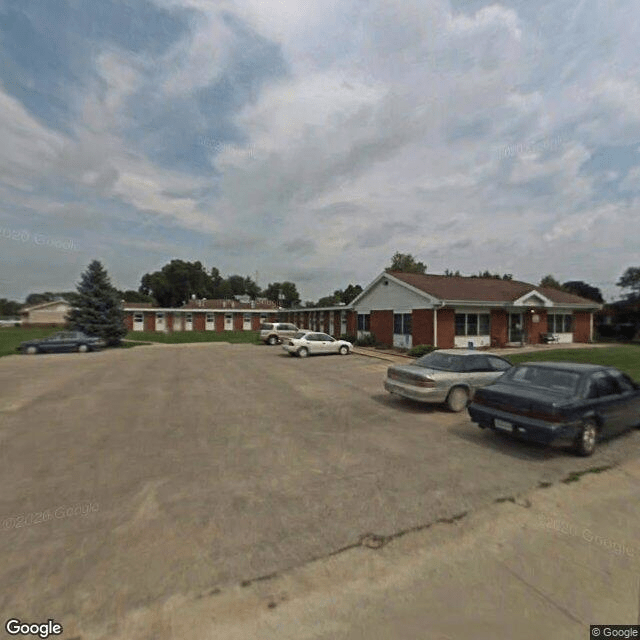
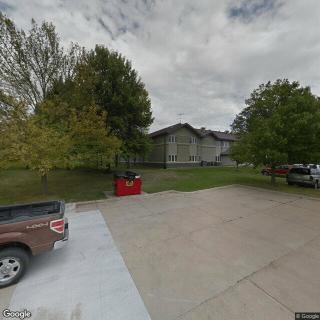
1500 Franklyn Ave, Marengo, IA 52301
To contact a resident: (319) 642-5533
For more information about senior living options: (866) 208-4318
Overall Review of Rose Haven Nursing Home of Mar
Pros
 Great seniors.
- Rose Haven is a delightful, hometown nursing care facility.
- The staff live locally and clearly care about their patients.
- The nursing staff were lovely.
- Nice place that has given good care to a dear friend.
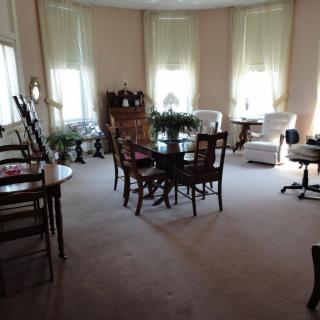
- It looks clean with no weird smells.
- There are lots of activities like games, social events, and self-care days.
Cons
 The instructors are poor.
- They don’t train students well.
- The training and leadership skills are really bad.
- CNAs are mean to residents.
- CNAs won’t take residents to the restroom when requested.
- Some residents have been hurt by the workers.
- Residents are afraid to report the issues because they don’t know where they will go.
- Employees lose their jobs if they speak up about what is going on there.
- The facility needs to be shut down.
Review
Rose Haven Nursing Home of Mar in Marengo, IA, is best suited for families seeking a locally rooted, community-style facility where residents can enjoy a homey atmosphere, steady nursing attention, and regular social programming. The emphasis on staff who live nearby and know the neighborhood translates into continuity and approachable communication with families. For residents who value familiar faces, personal connections, and a robust calendar of activities, everything from social gatherings to hair days and nail days, this community can feel like a comfortable, predictable place to age in place. It is especially fitting for seniors who thrive on relational care and enjoy being part of a small-town vibe where staff members feel like neighbors.
At the same time, potential residents should consider alternatives if impeccable staff training and aggressive oversight are non-negotiables. Several reviews flag concerns about how CNAs are trained and supervised, and one account describes a culture where staff behavior can be rough or unresponsive, with residents hesitant to speak up for fear of repercussions. For families needing a tightly managed environment with consistently high performance from every aide, or for those seeking a facility with zero tolerance for any caregiver missteps, exploring other options with stronger incident reporting, formal leadership oversight, and higher CNA accountability is prudent.
The strongest selling points center on genuine care and a lived-in, caring culture. Multiple accounts praise the nursing staff as compassionate and approachable, with families feeling that their loved ones are well cared for and that communication remains steady even during challenging health journeys. The environment is described as clean and welcoming, with no odd odors, which supports a sense of dignity in daily life. The activity offerings, ranging from games to social events, help residents stay engaged and connected, contributing to mood elevation and social interaction that can be critical for dementia care and general well-being. Taken together, these elements create a foundation of trust when the care staff and family communication align.
Those positives, however, do not erase the cautions. The most serious concerns point to possible inconsistencies in daily caregiving, particularly around how quickly and attentively CNAs respond to basic needs, including assistance with toileting and mobility. The presence of alleged mistreatment or intimidation, even if not universal, signals a risk that should be monitored closely. This is not a facility that offers ironclad guarantees; instead, it presents a meaningful reward for families who actively verify staffing levels, observe caregiver-resident interactions, and demand transparent, visible leadership. Prospective residents must weigh the warmth of the environment and the strength of family communications against the potential for uneven caregiving quality.
Decision-making should center on practical verification steps. Schedule a tour with a focus on staffing patterns across shifts, including how often aides are replaced and how supervisors intervene in daily care. Request recent incident logs and a detailed description of CNA training programs, supervision structures, and the facility’s approach to resident safety and dignity. Engage with the administration about turnover rates, response times to resident requests, and the availability of a dedicated memory-care approach if dementia is a primary need. Observe the activity calendar in action, note whether the resident’s interests are reflected, and assess the meal service and assistance with eating as part of overall quality of life. These checks help determine whether Rose Haven’s strengths can reliably outweigh its drawbacks.
In conclusion, Rose Haven serves a specific niche well: a neighborly, relationship-focused nursing home where staff dedication and social programming can deliver meaningful daily life for many residents. It stands out where continuity of care and a comfortable, familiar setting are paramount, and where families are prepared to engage actively with staff and leadership to ensure consistency. For families prioritizing formalized oversight, uniform staffing performance, and stringent protections against caregiver missteps, alternatives, larger facilities or memory-care–centric communities with proven governance structures, should be considered. The right choice hinges on balancing the value of a homelike atmosphere and accessible communication against the imperative for consistently high, safely supervised caregiving.
 Skilled Nursing Facility
 Eastern Iowa (19 miles away)


 8 Essential Assistive Devices for Older Adults
 Navigating the Financial Road to Nursing Home Care: In-Depth Guidance and Resources
 Supportive Employee Benefits That Help Caregivers Attain Better Work-Life Harmony