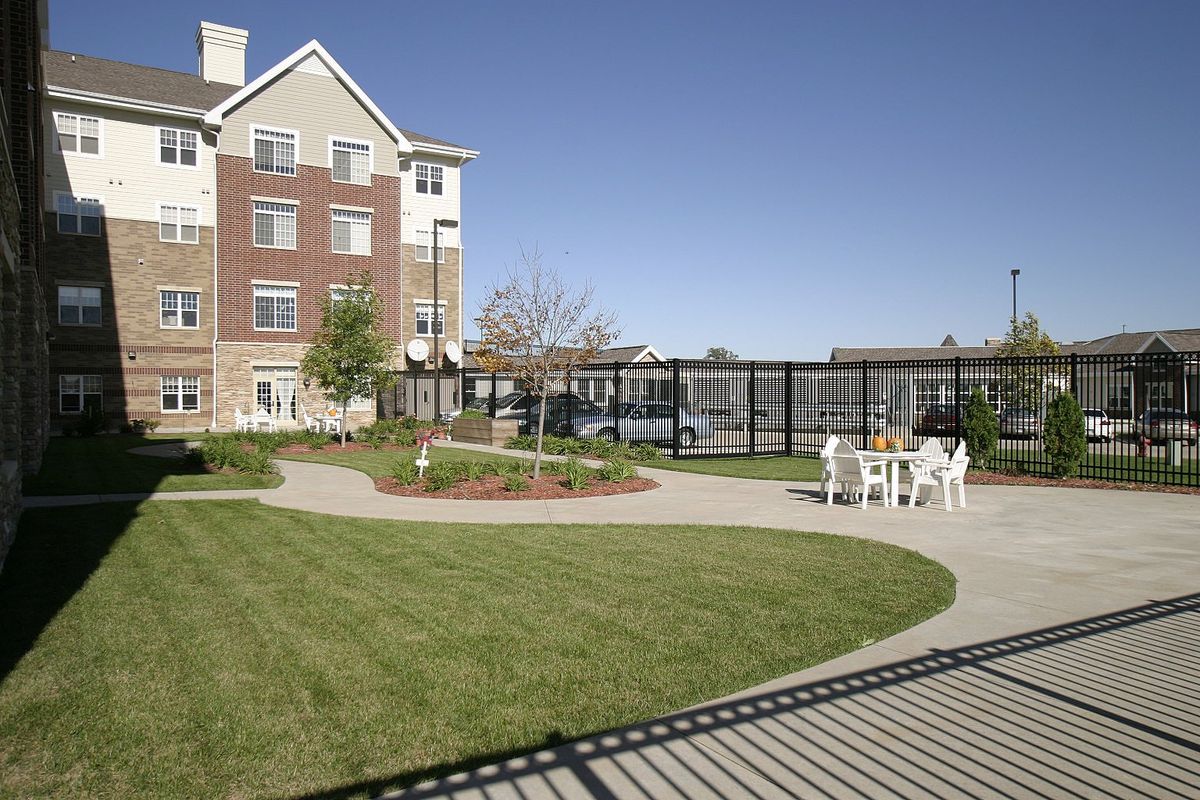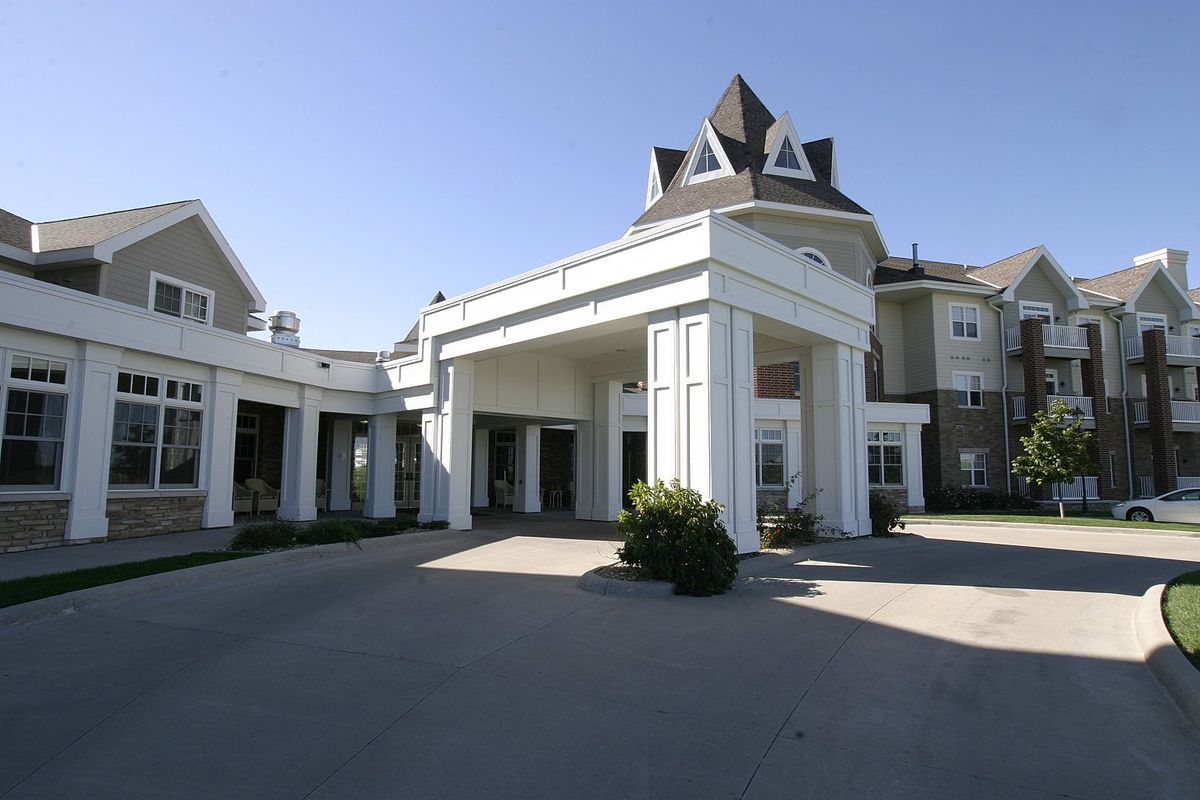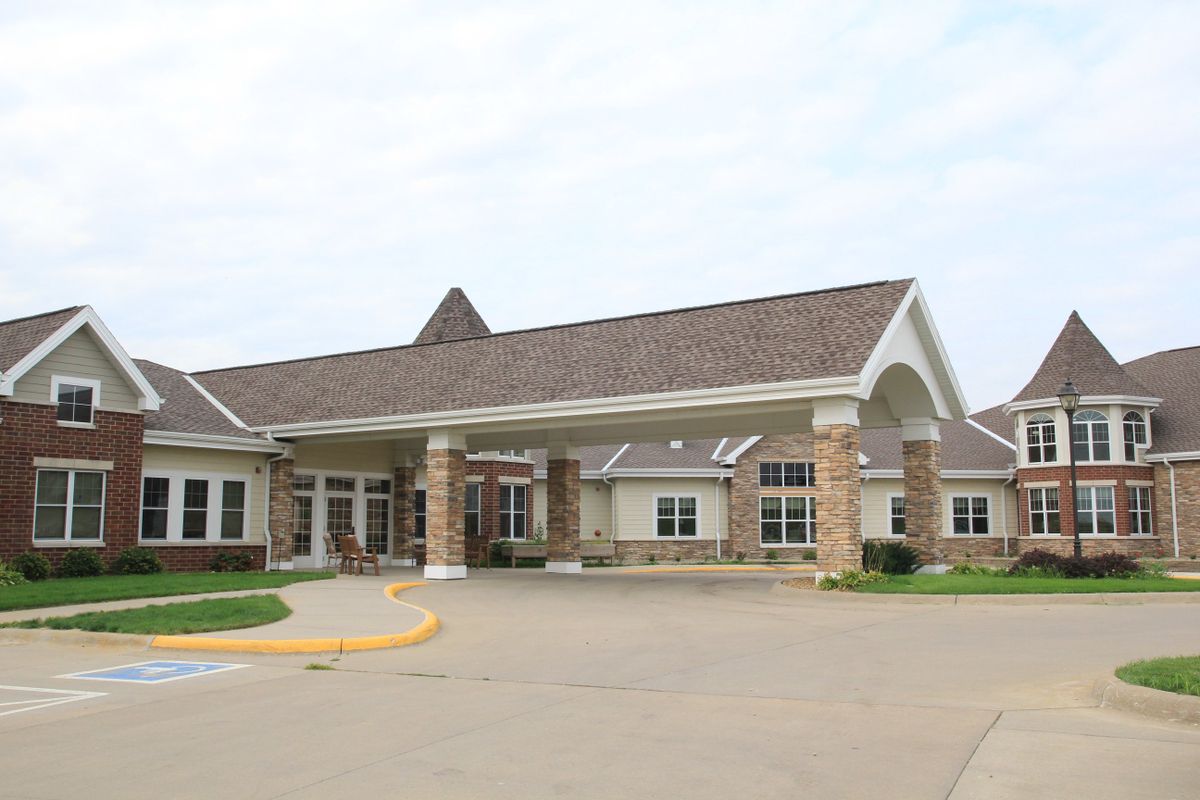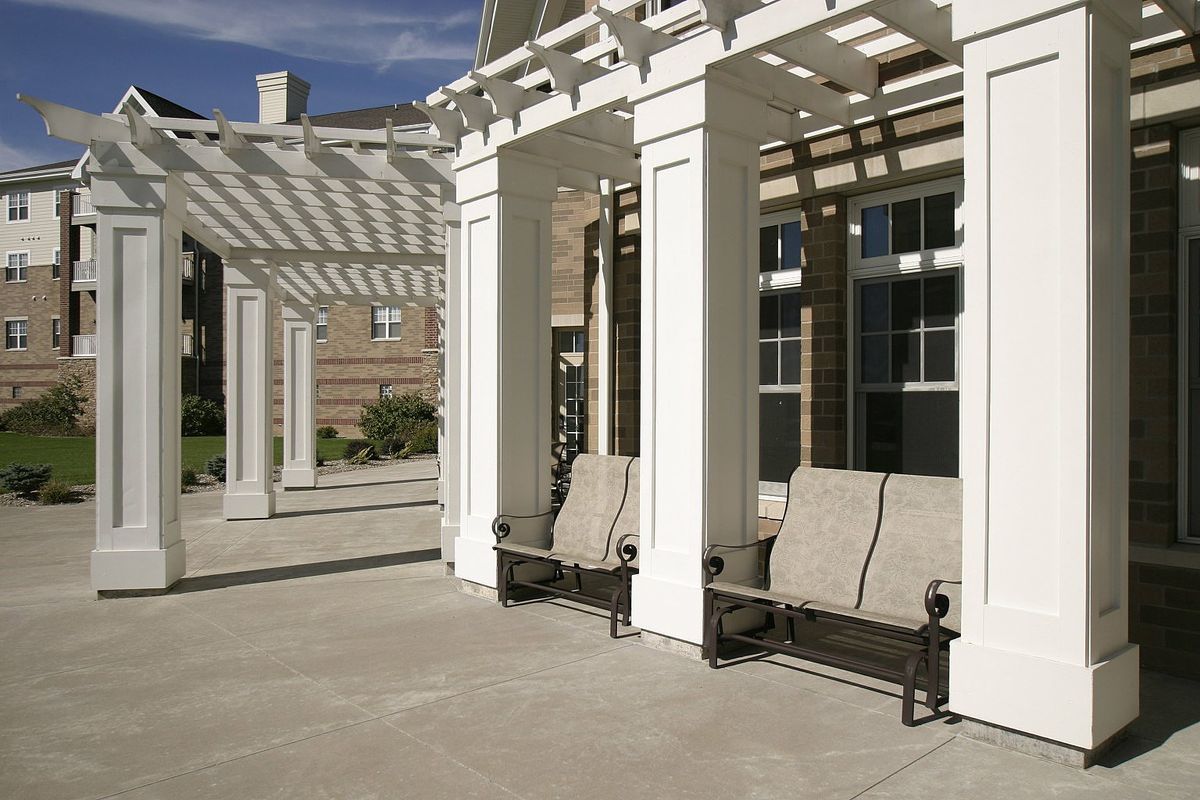

100 Village View Circle, Williamsburg, IA 52361
For more information about senior living options: (866) 208-4318
Highland Ridge Costs & Pricing
Highland Ridge offers competitive pricing for its accommodations, with costs closely aligning with those in Iowa County but significantly lower than the broader state averages. For a one-bedroom unit, residents can expect to pay $770 per month, which matches the county rate while being substantially more affordable than Iowa's average of $2,862. Similarly, the two-bedroom apartments are priced at $1,345, consistent with the county's cost and again representing a stark contrast to the state's average of $3,329. Even for studio apartments, Highland Ridge remains competitive at $3,295 - this is in line with local pricing and still more economical compared to Iowa's statewide average of $3,613. Overall, Highland Ridge provides an appealing option for residents seeking quality living arrangements that don't break the bank.
| Floor plans | Highland Ridge | Iowa County | Iowa |
|---|---|---|---|
| 1 Bedroom | $770 | $770 | $2,863 |
| 2 Bedrooms | $1,345 | $1,345 | $3,329 |
| Studio | $3,295 | $3,295 | $3,609 |
Overall Review of Highland Ridge
Pros
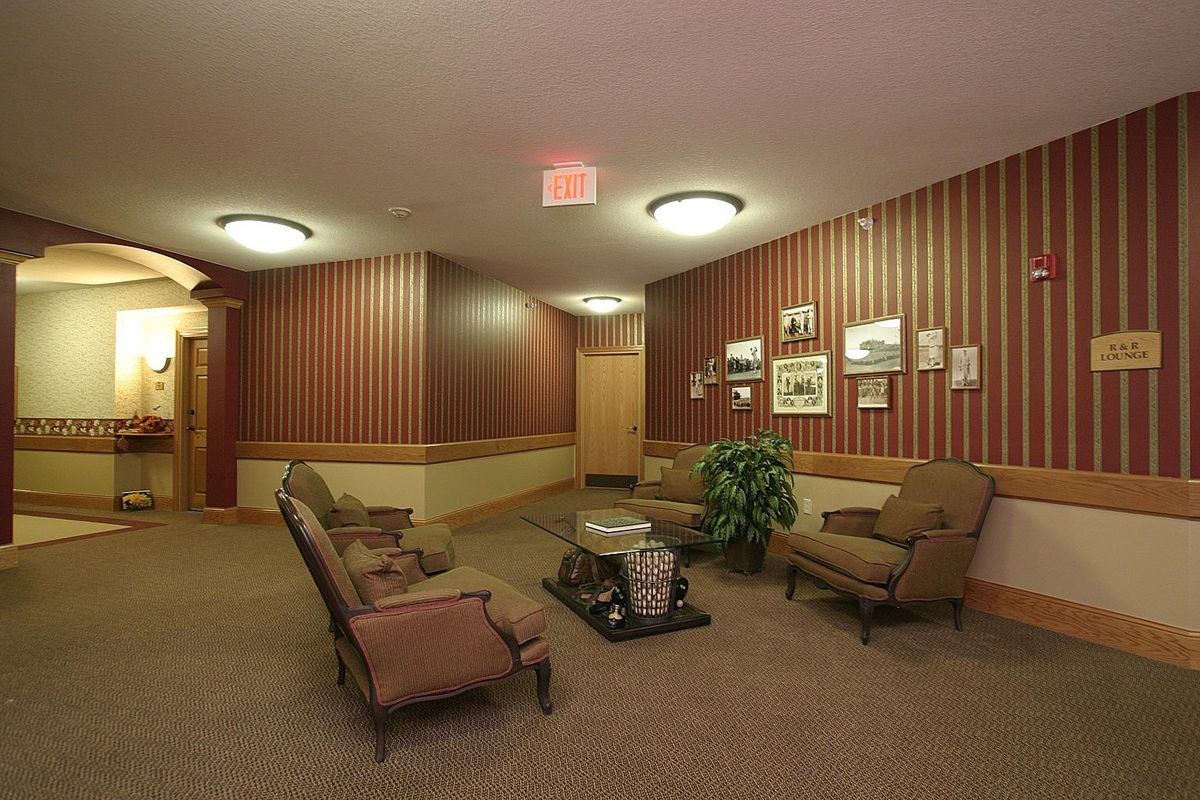
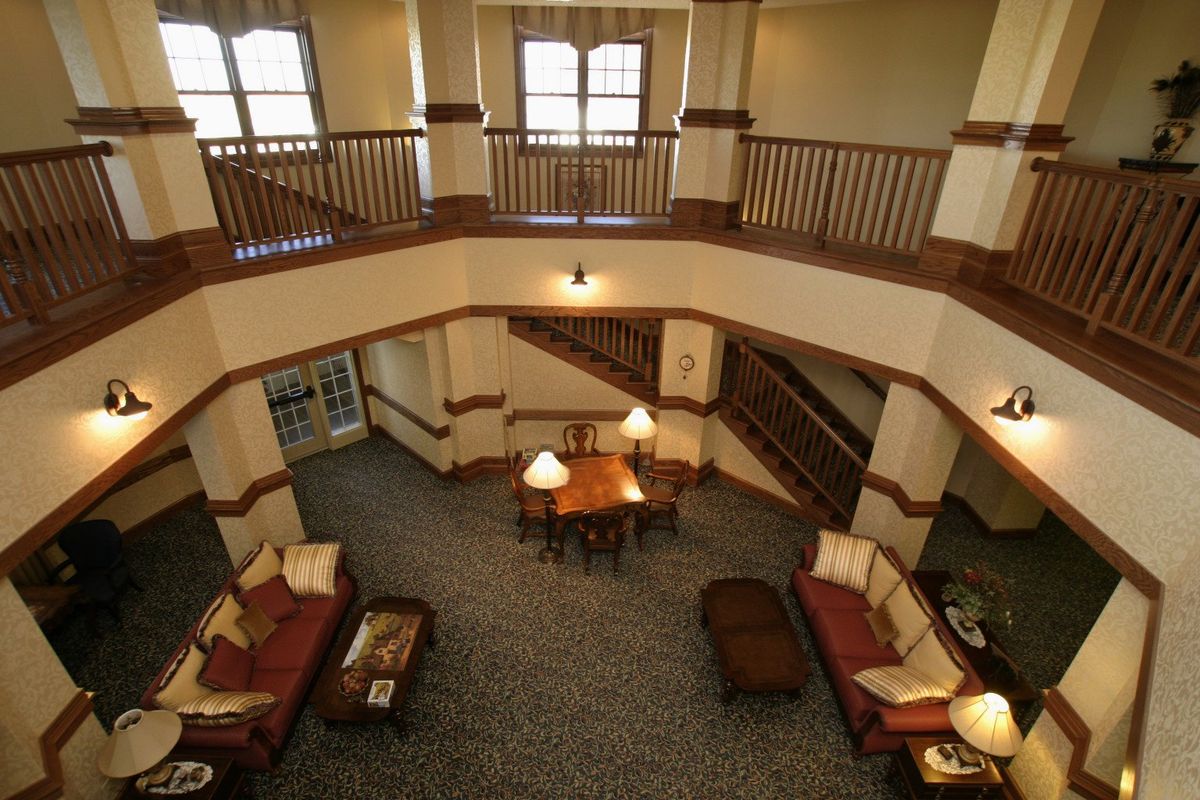
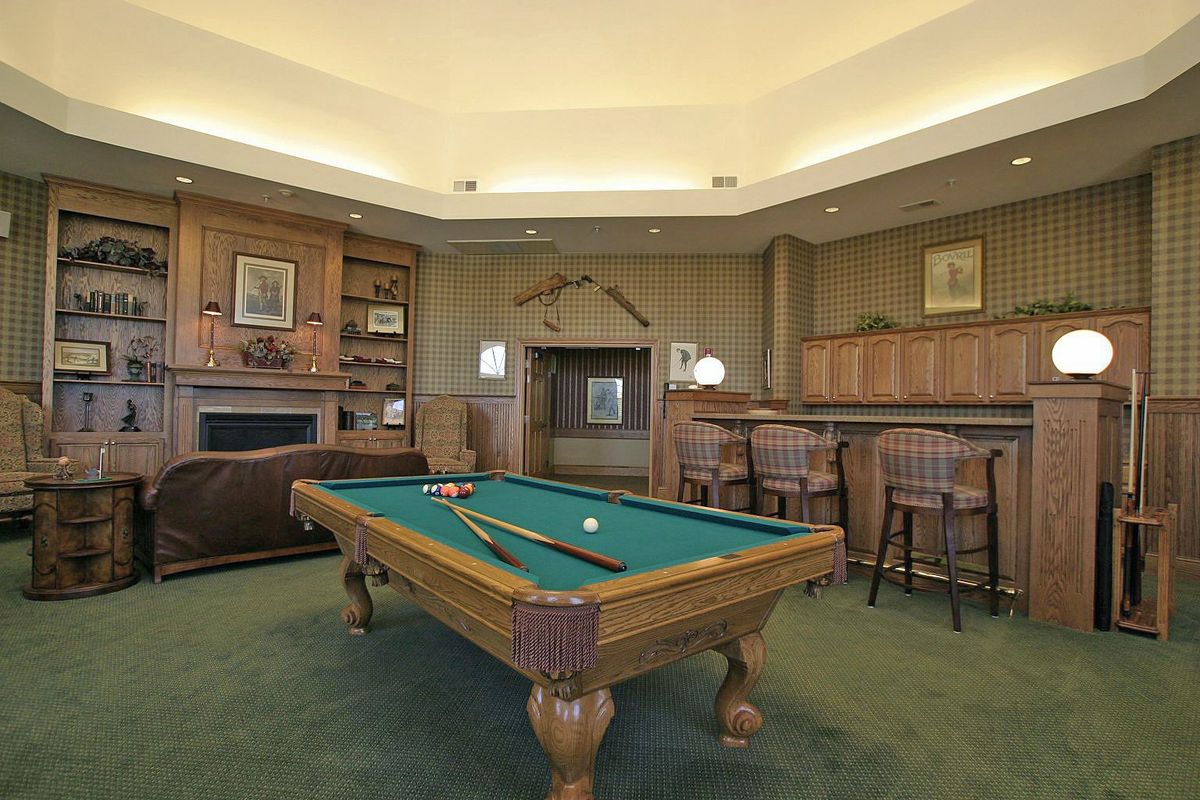
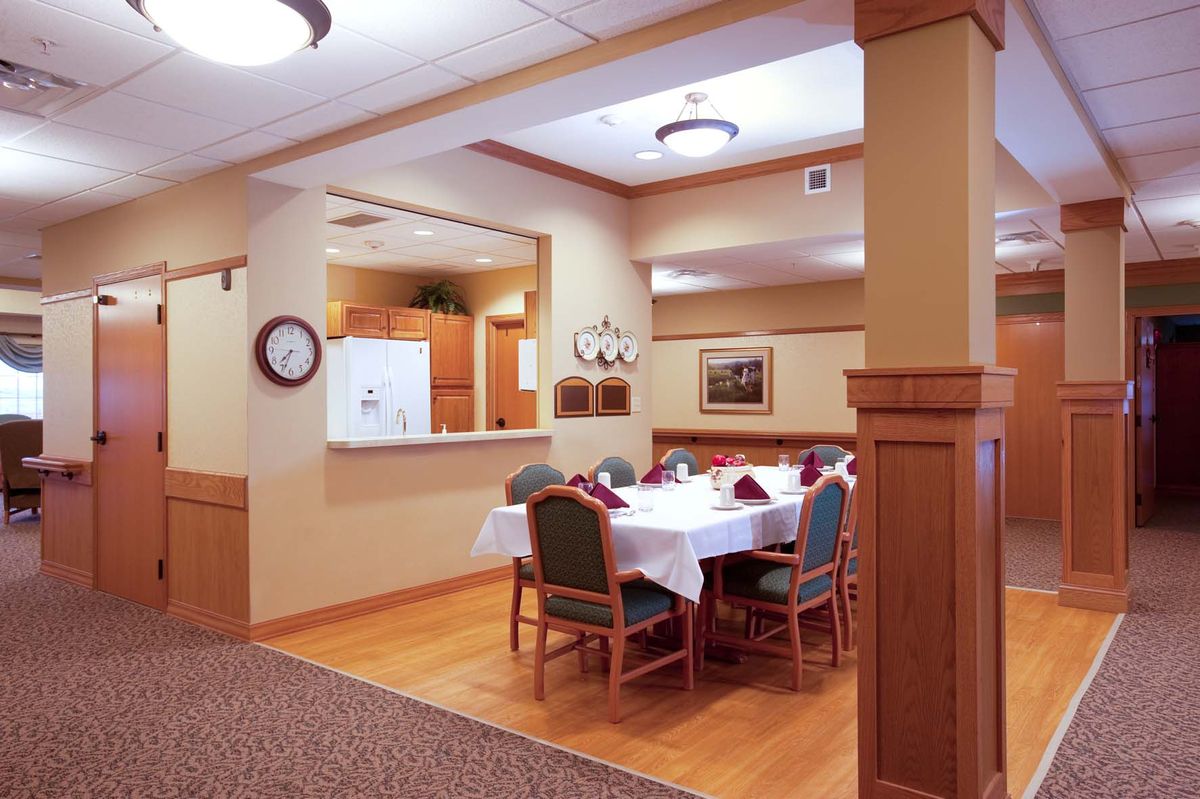
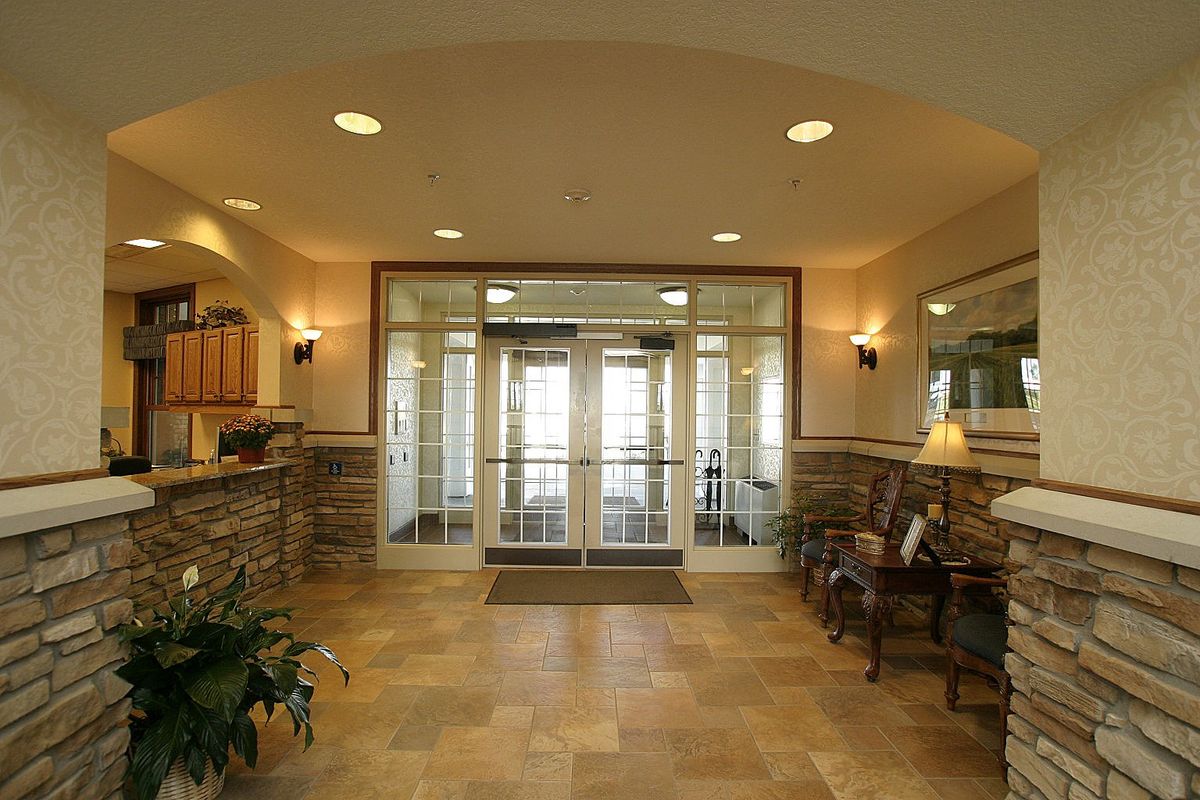
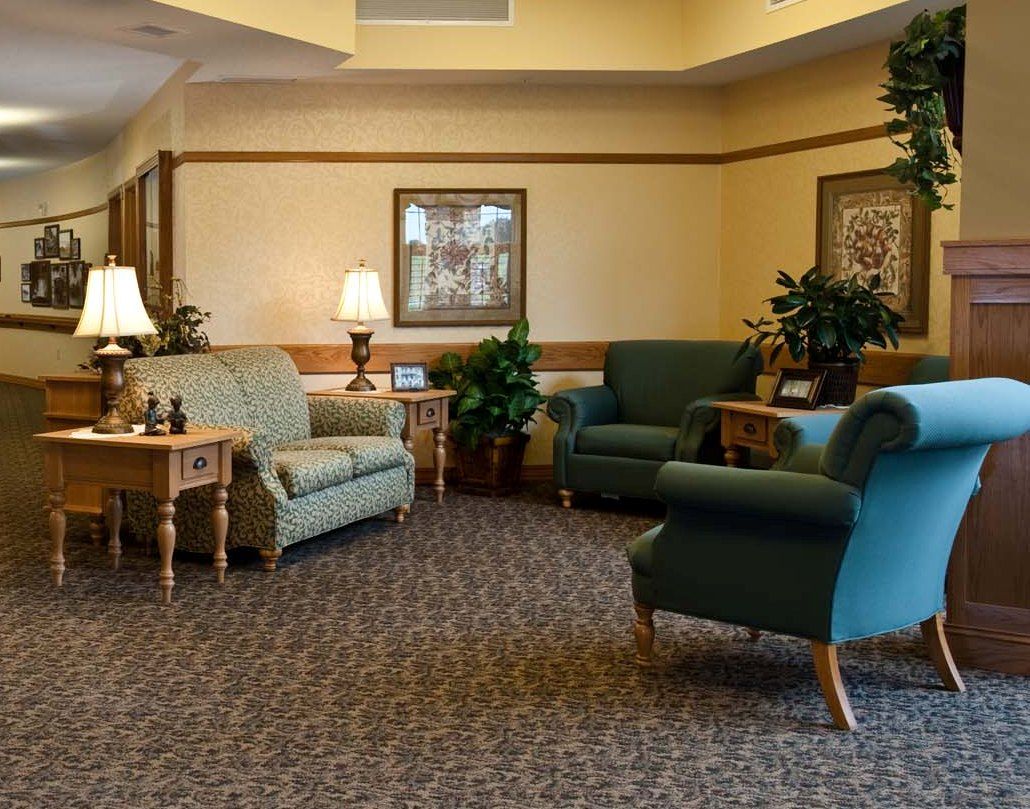
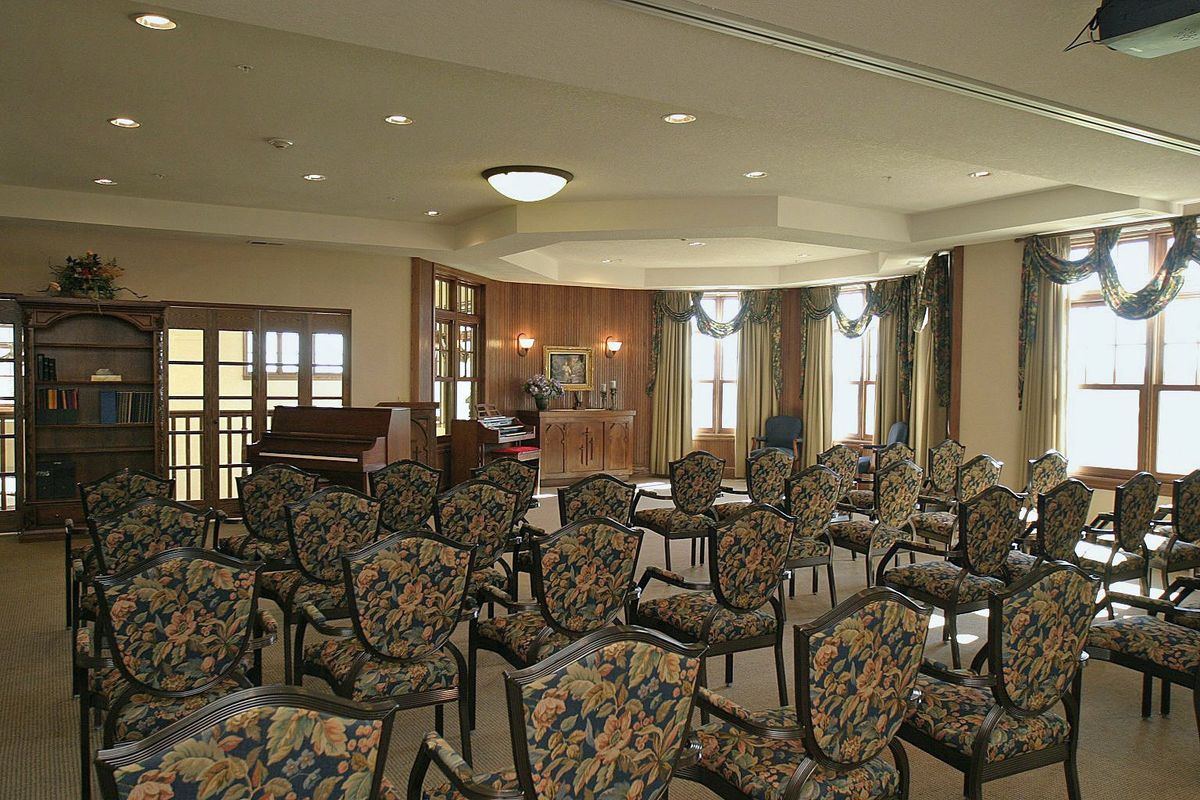
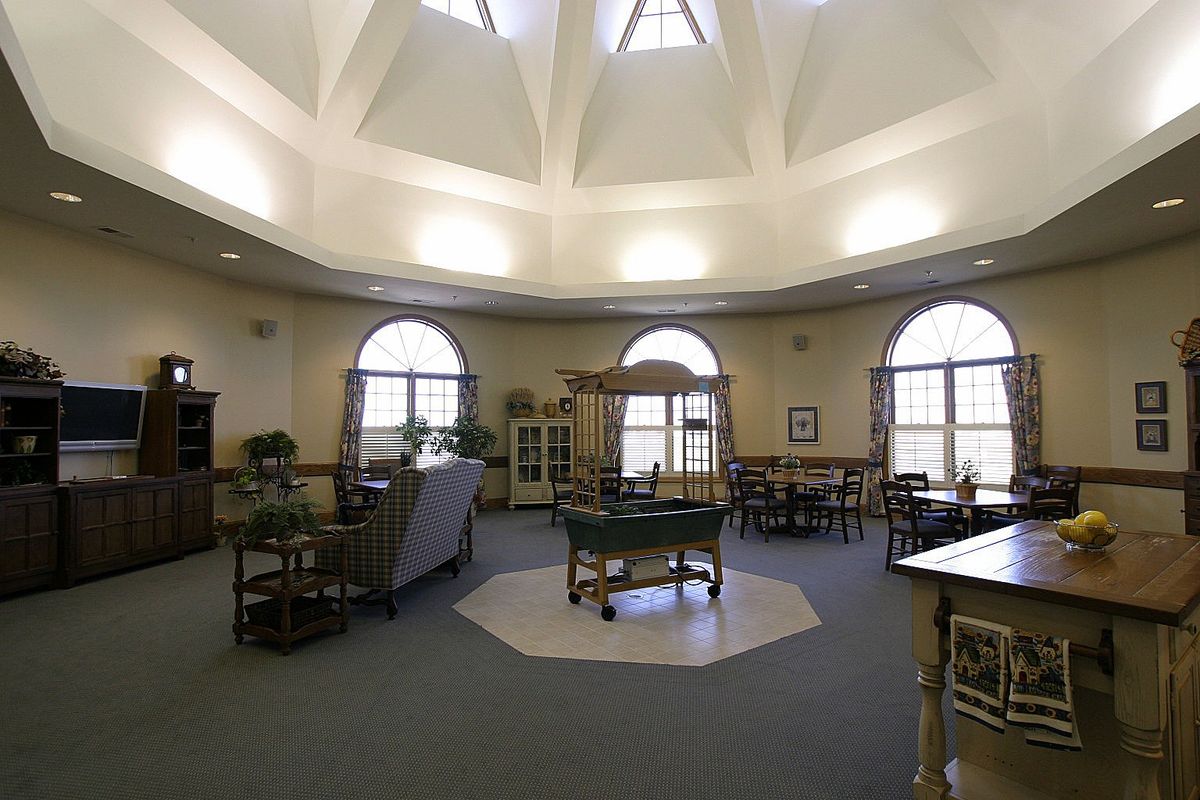
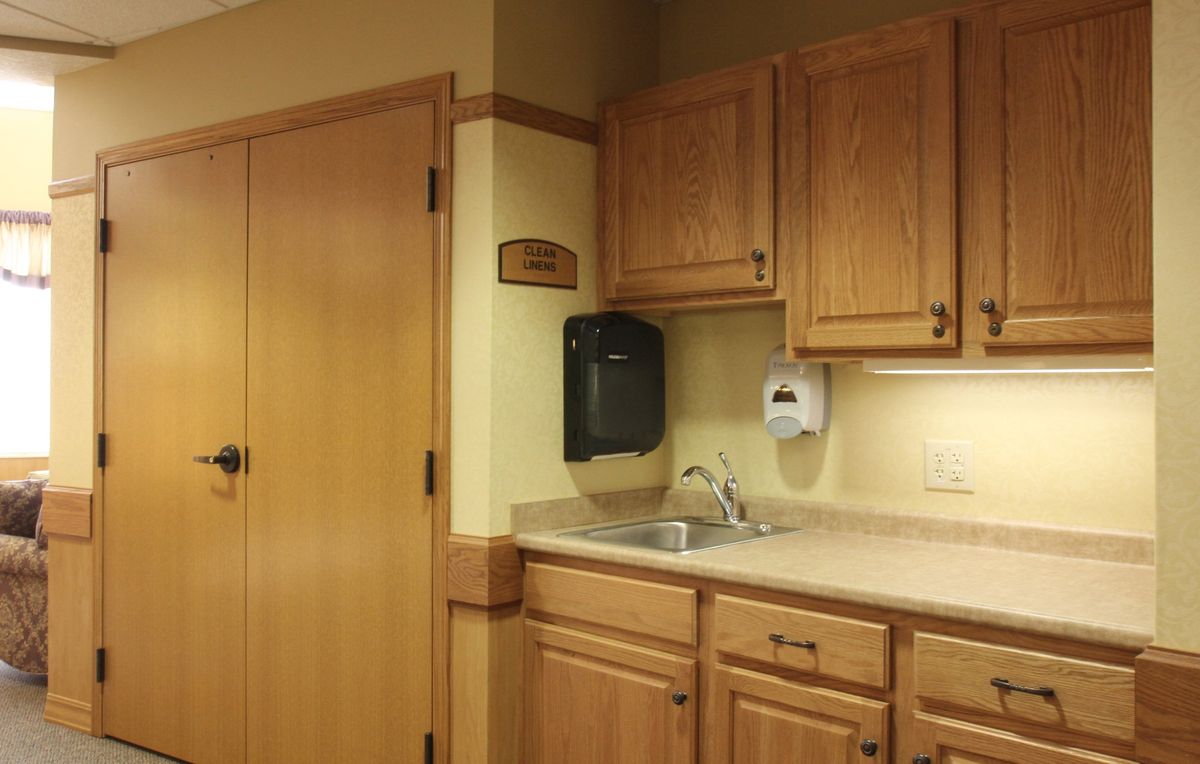
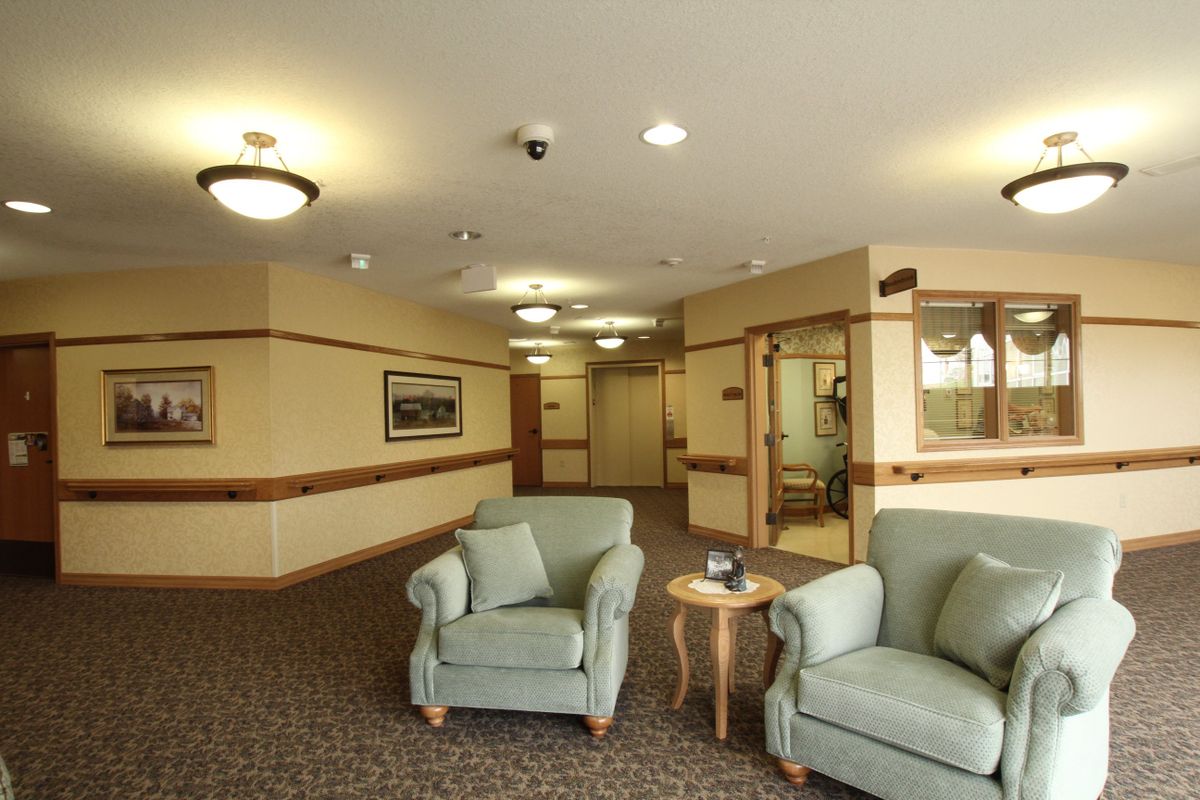
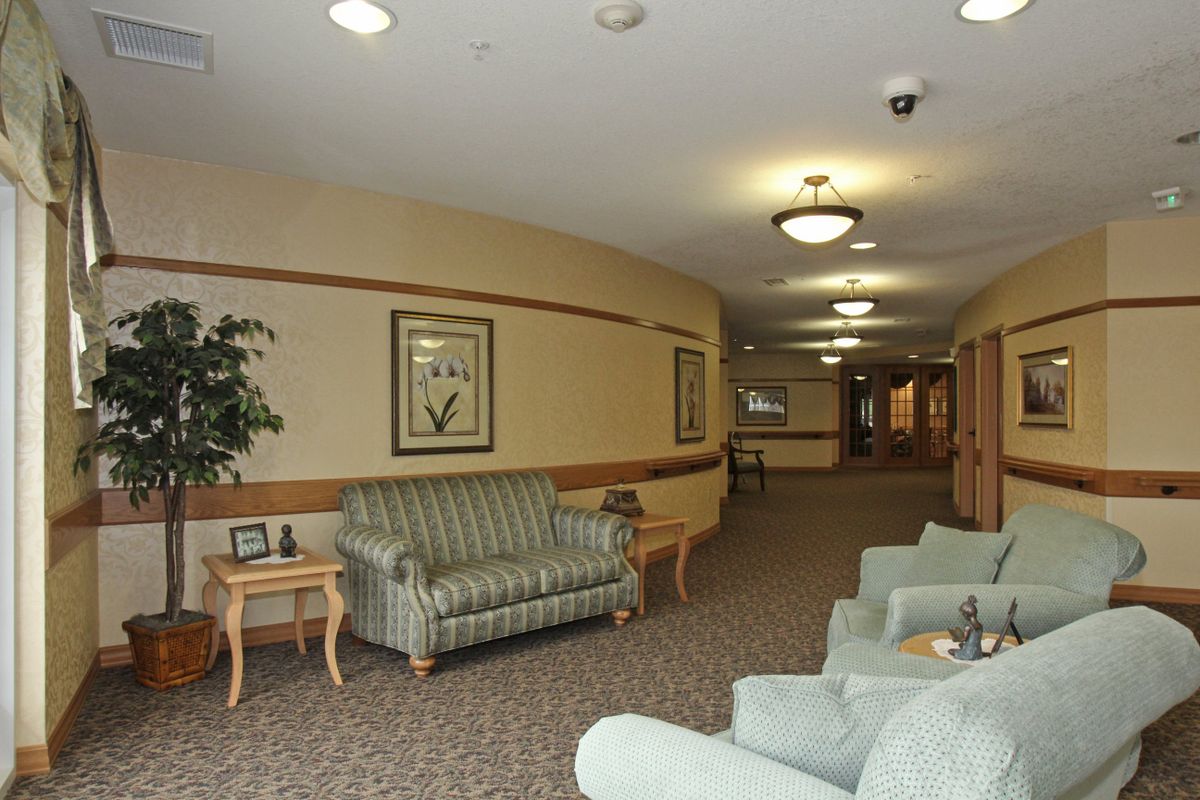
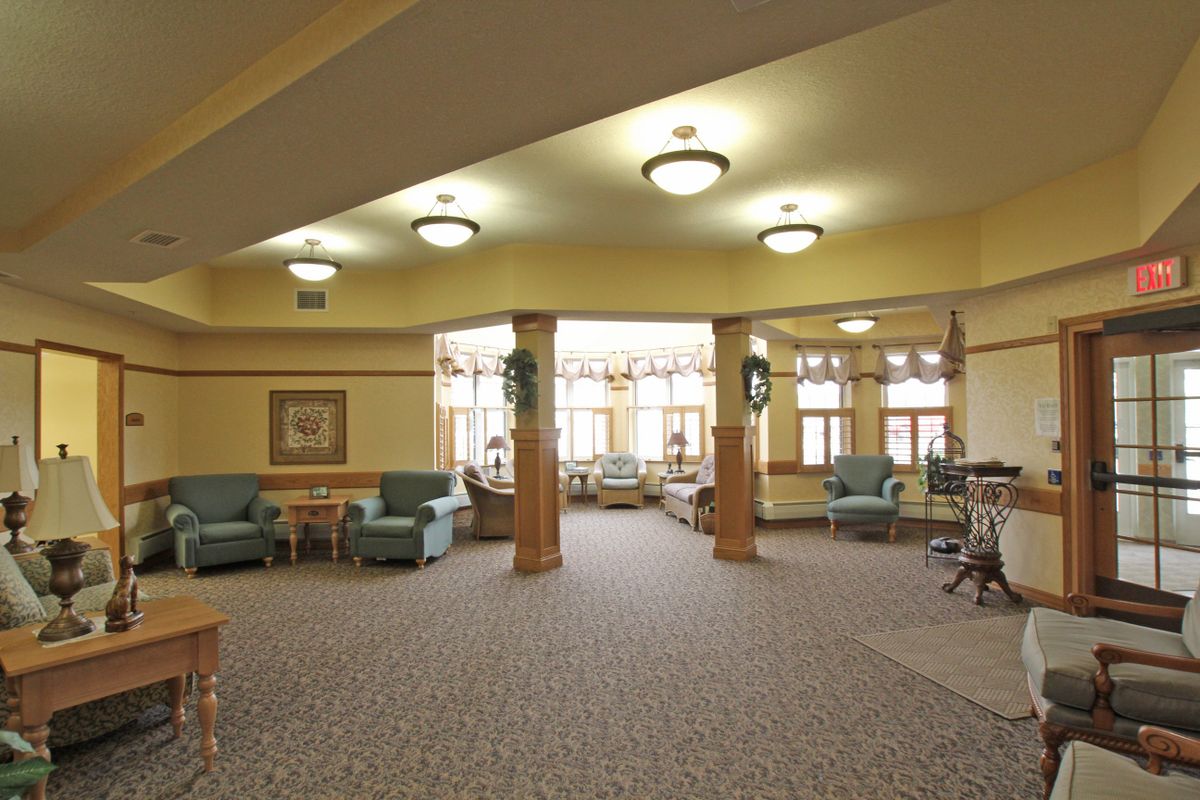
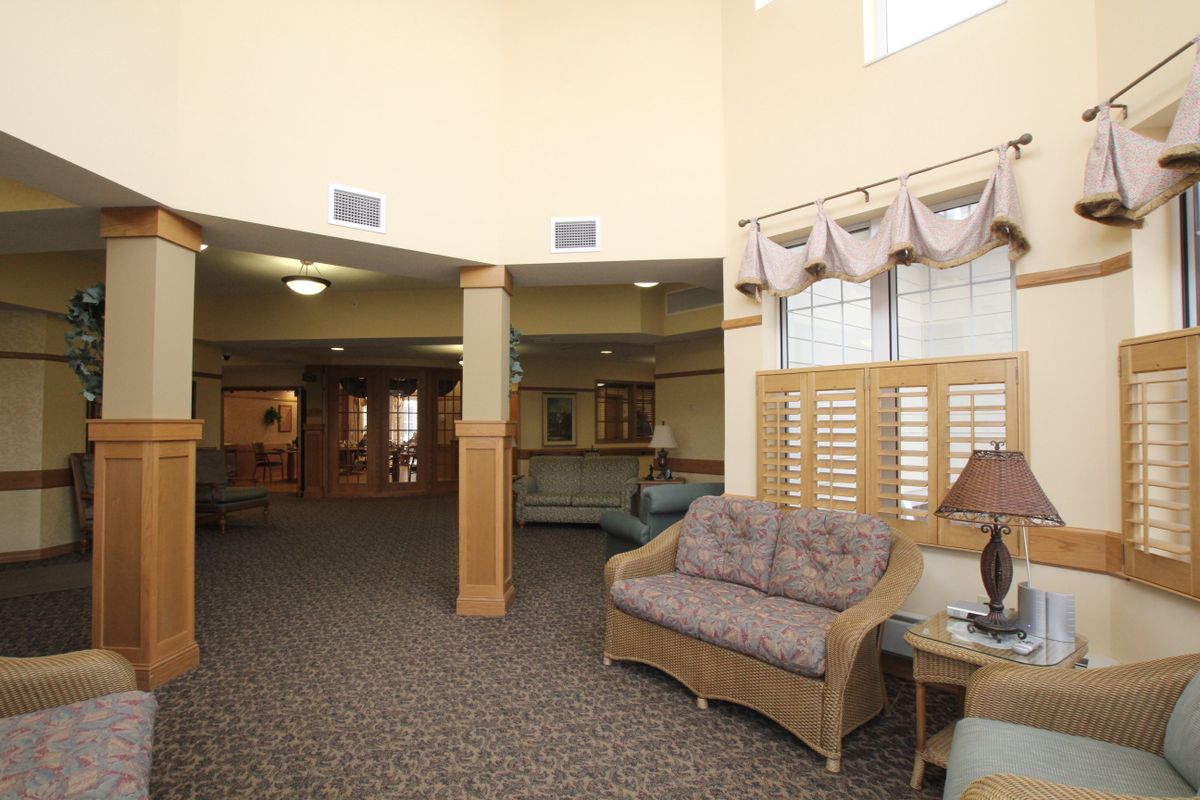
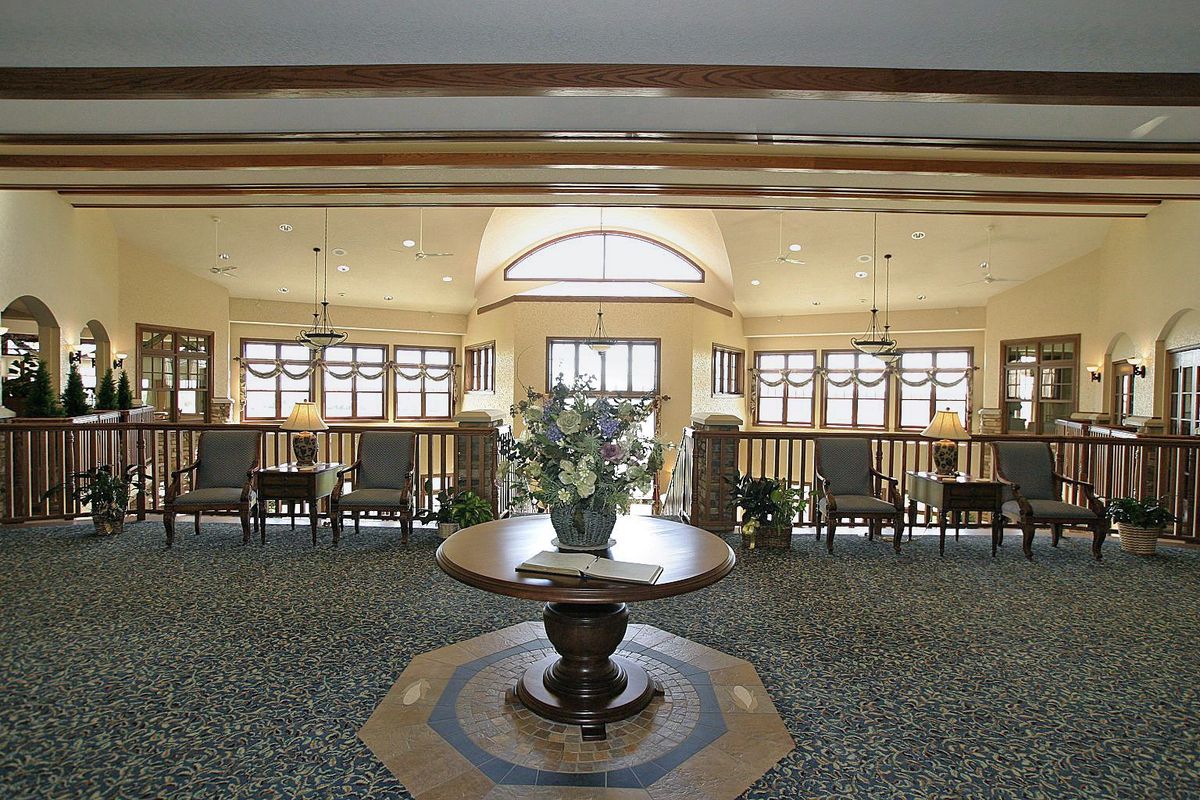
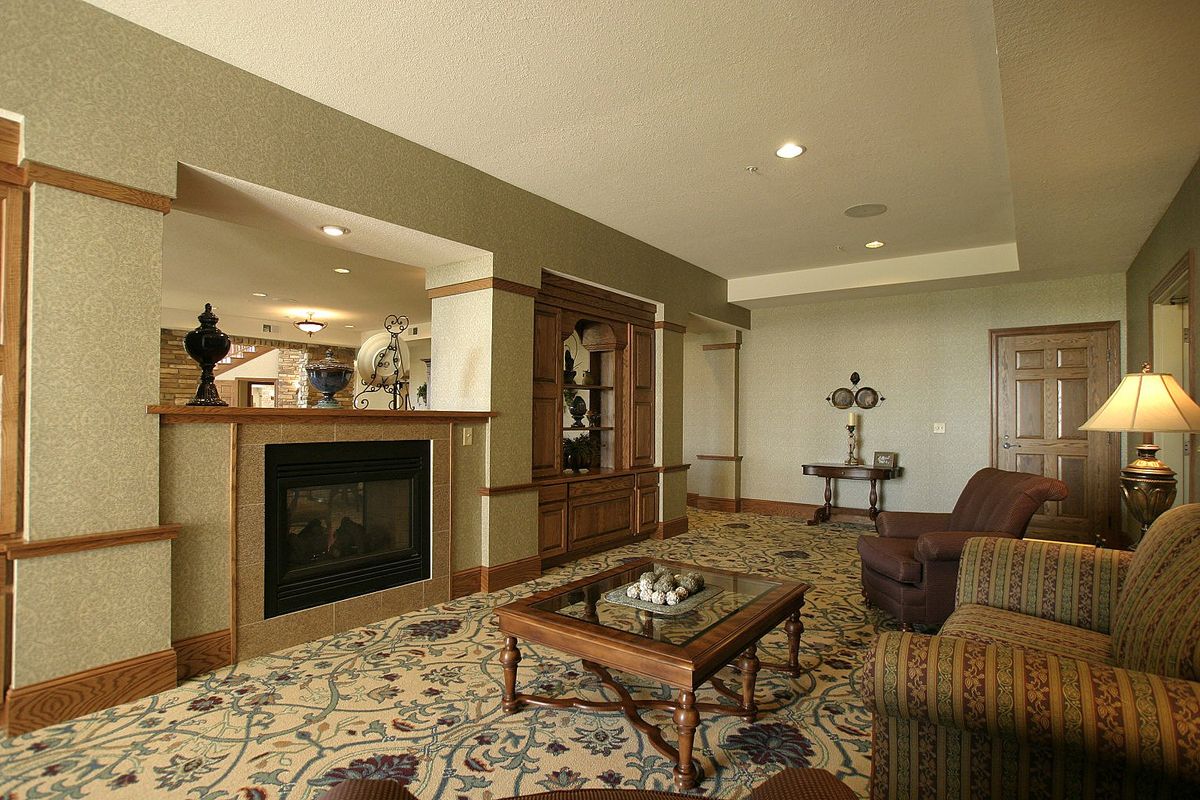
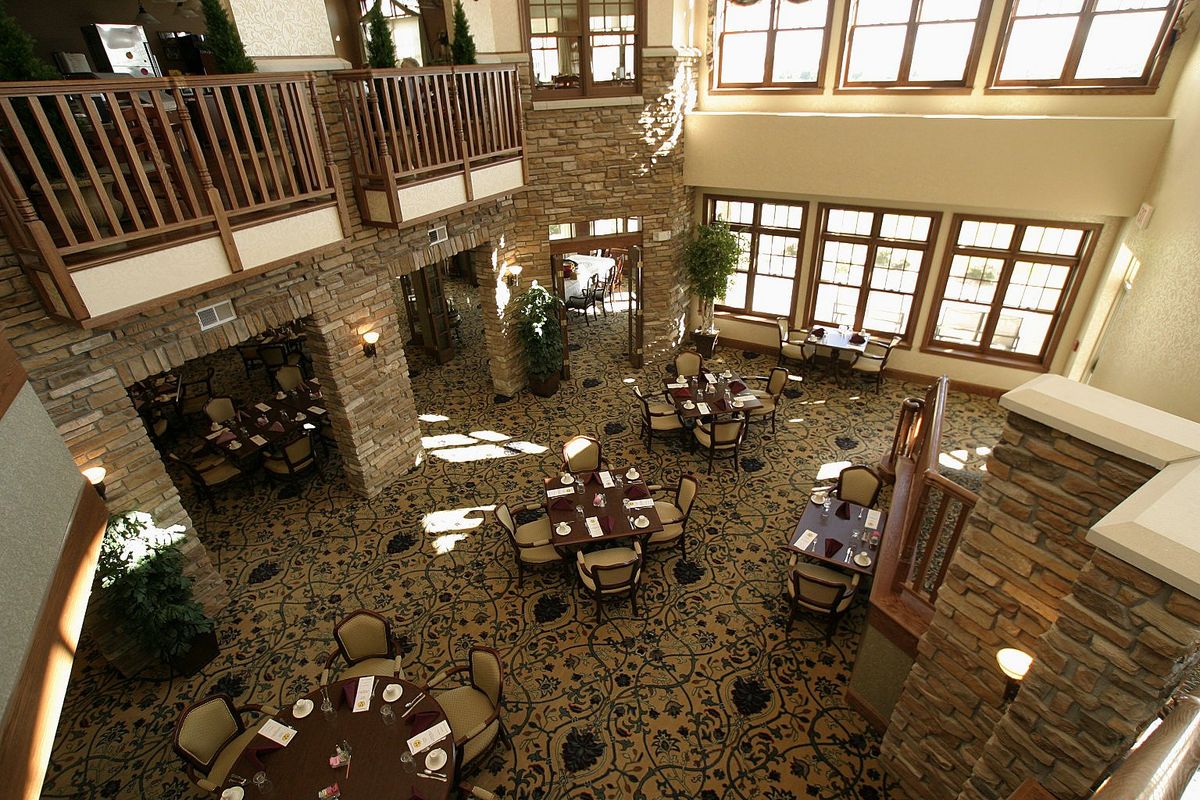
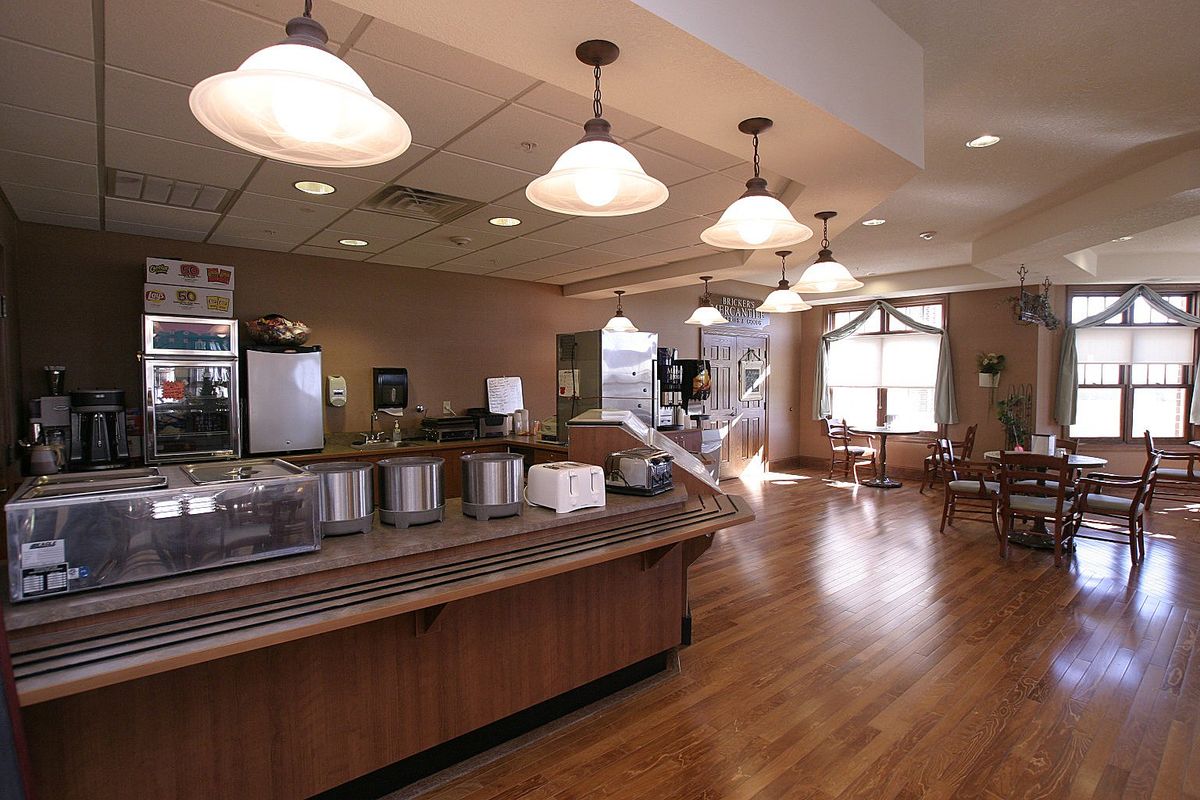
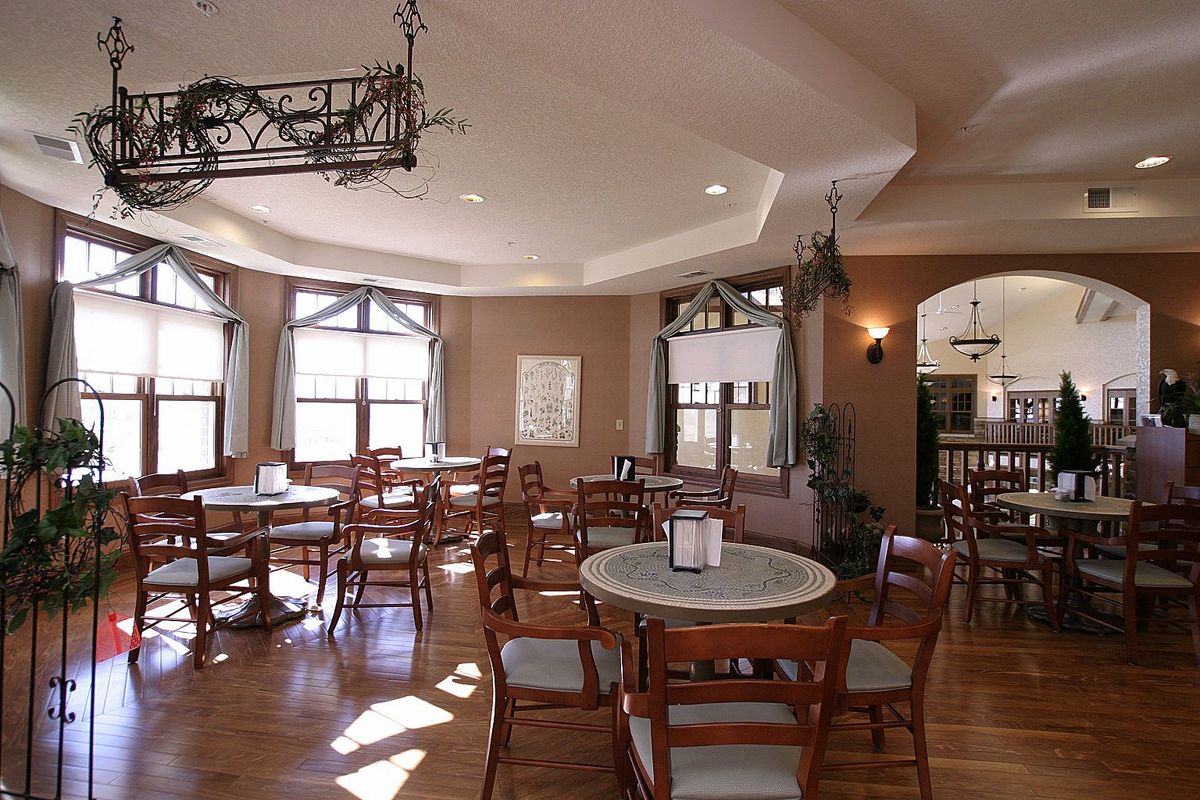
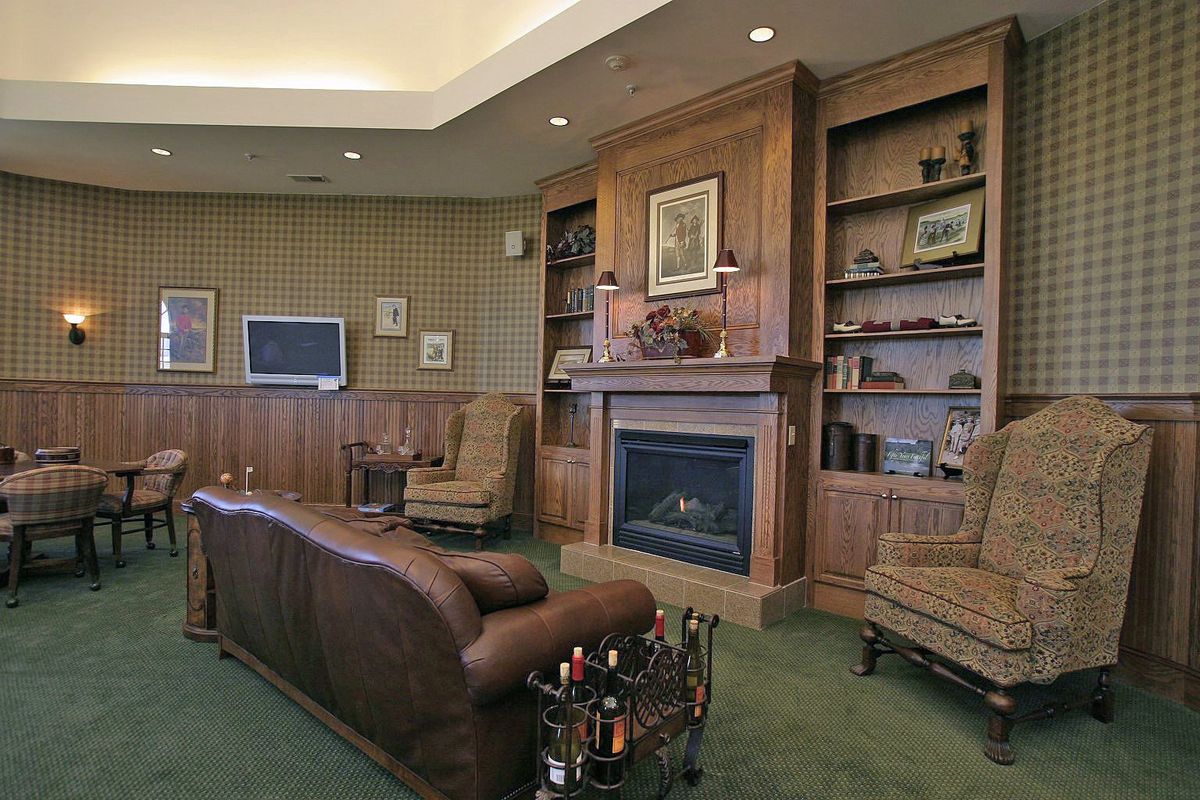
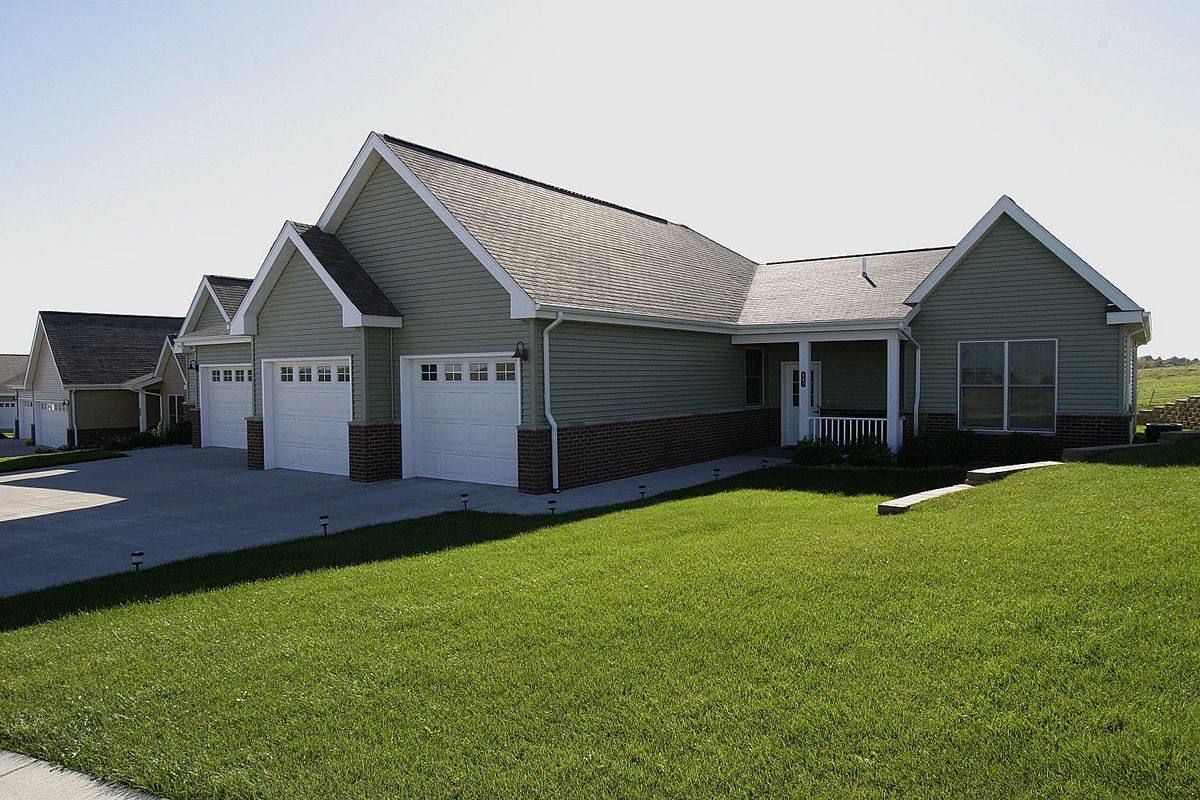
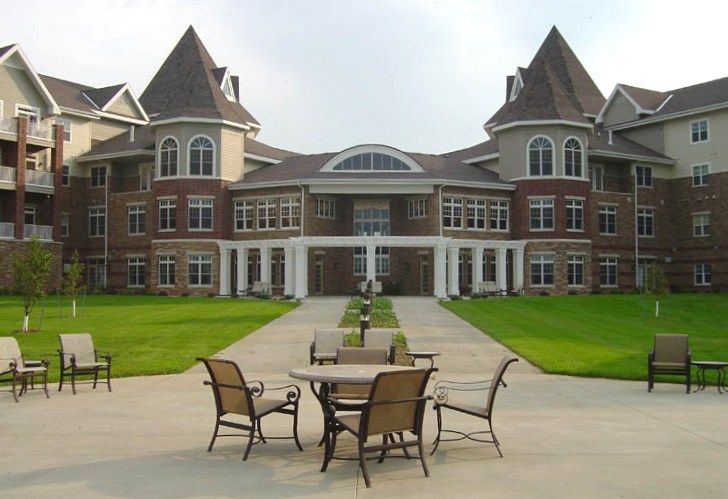
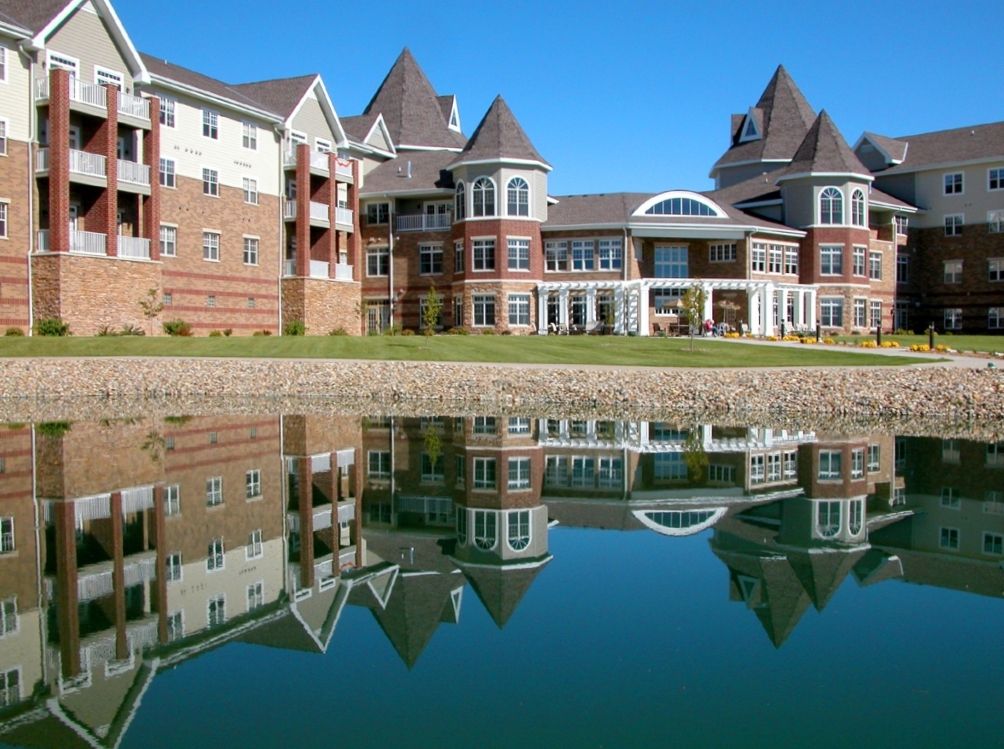
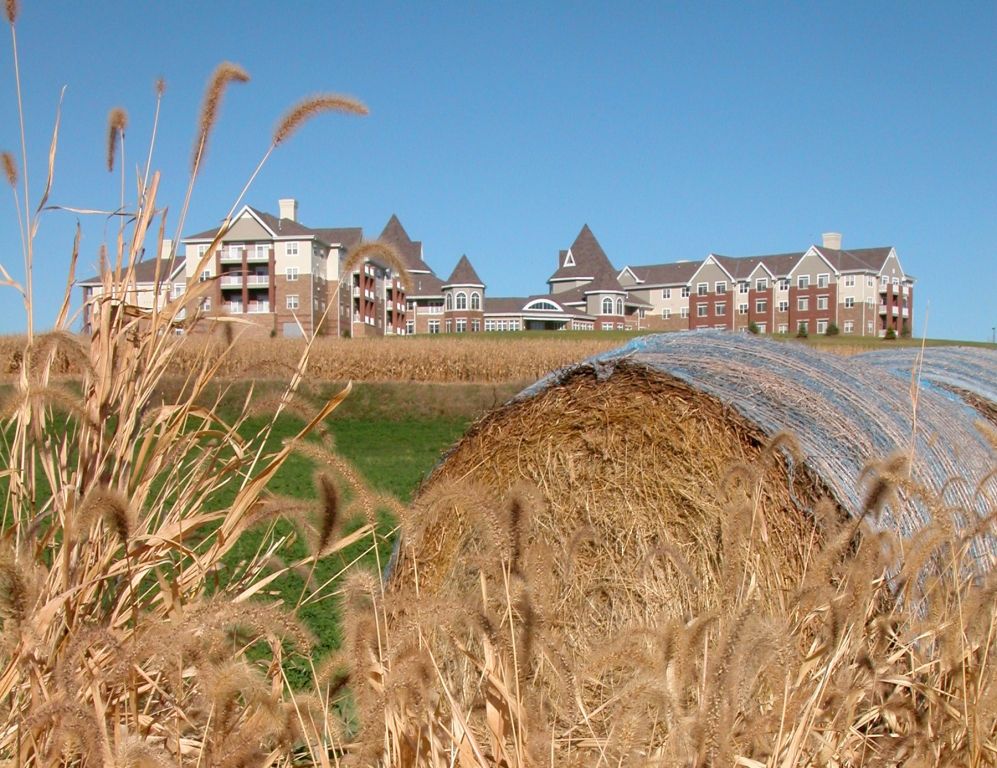
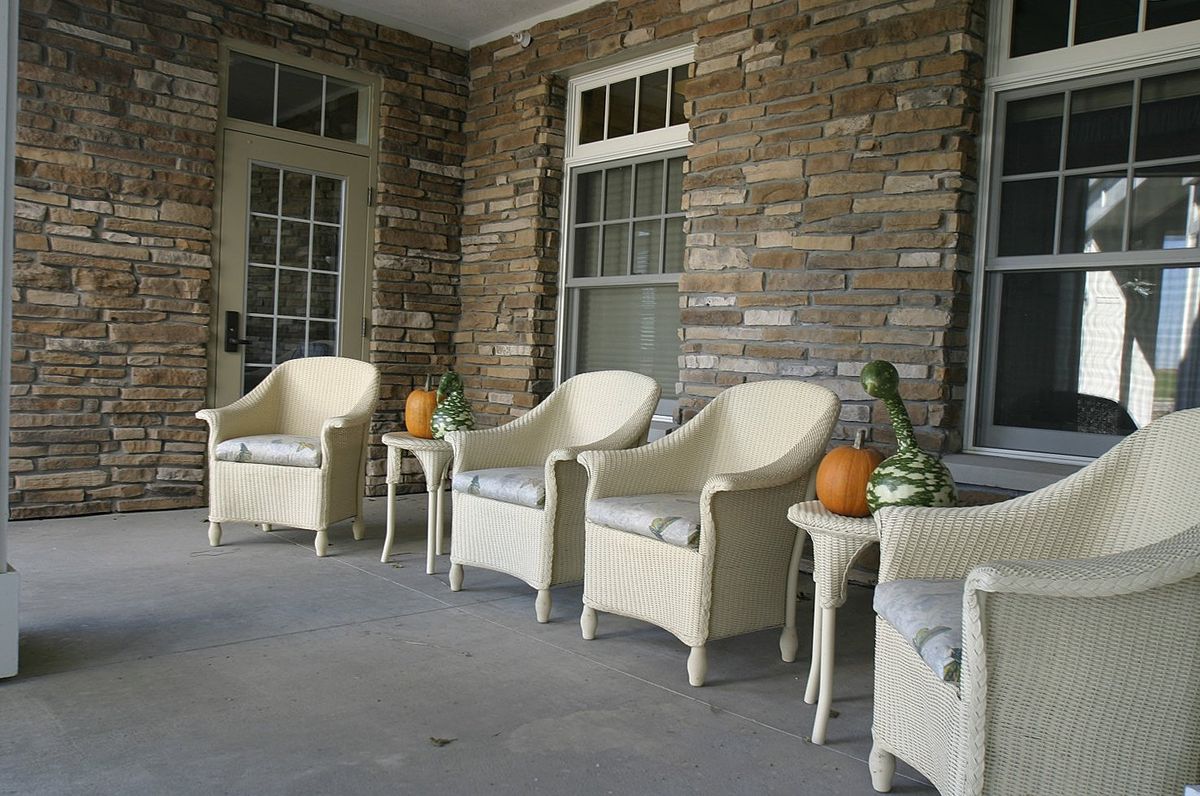
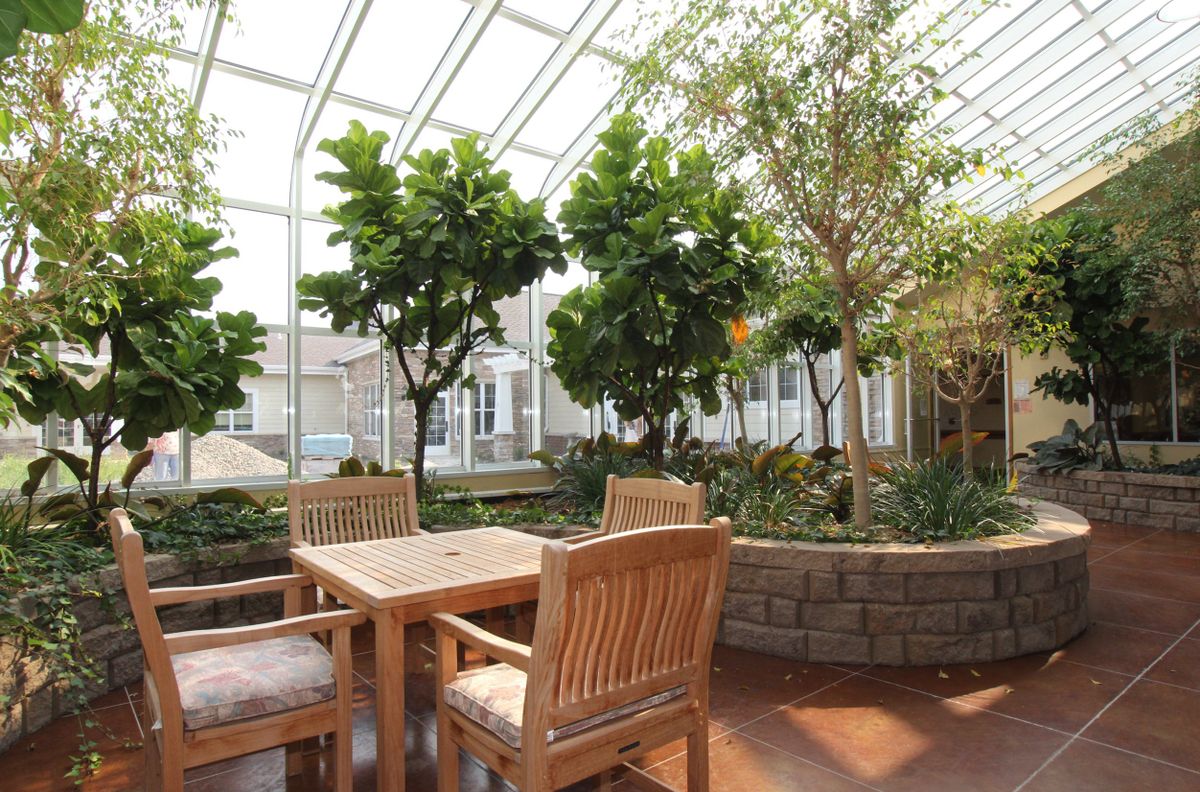
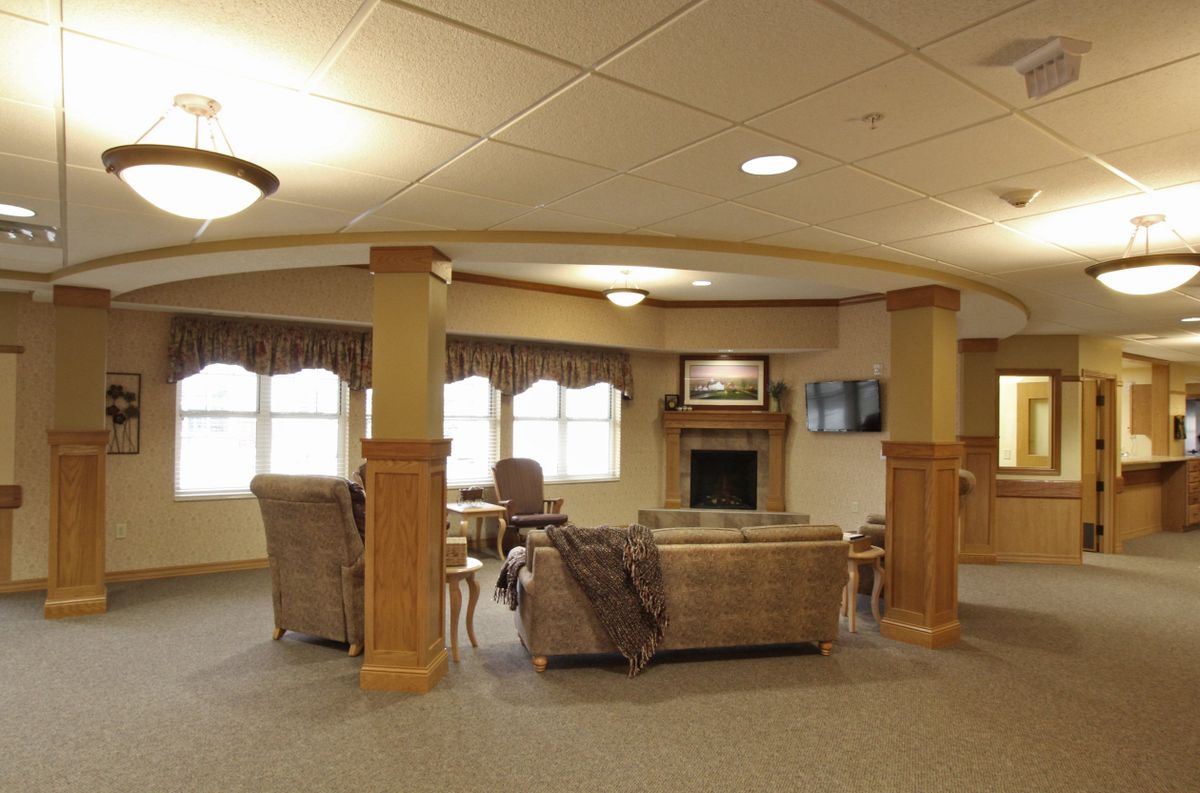
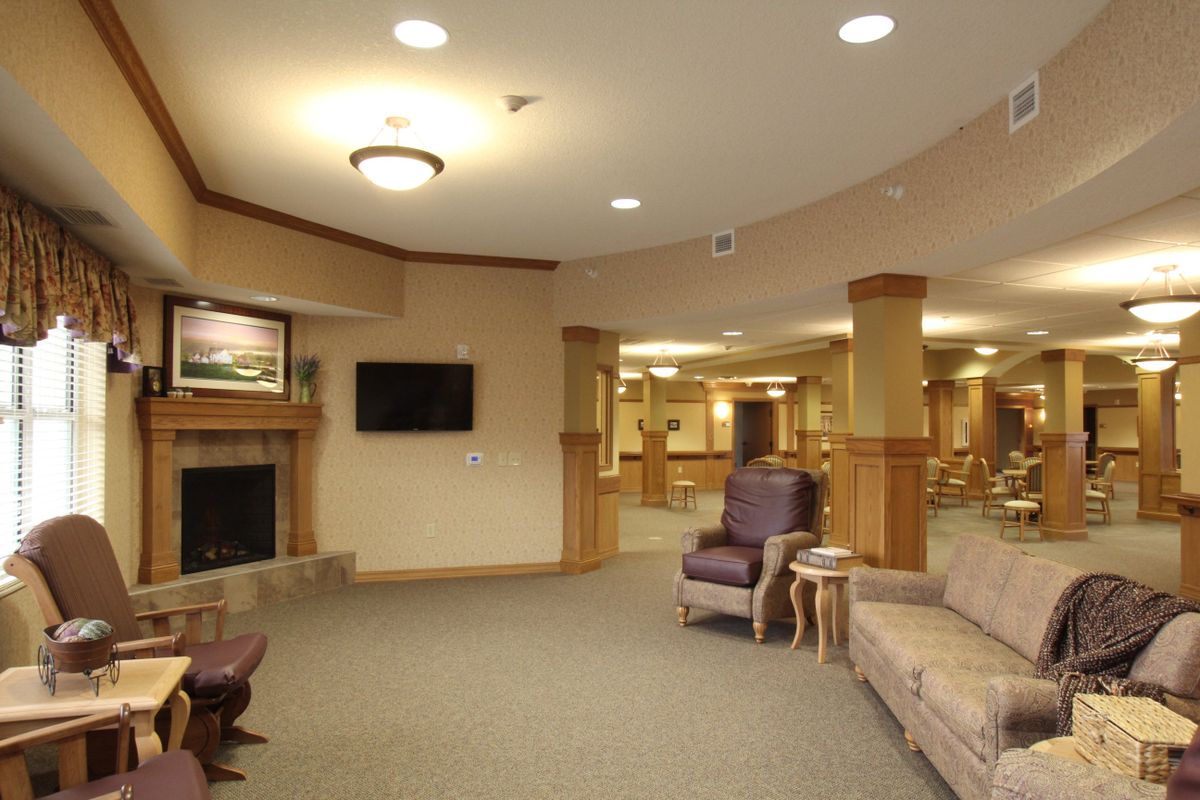
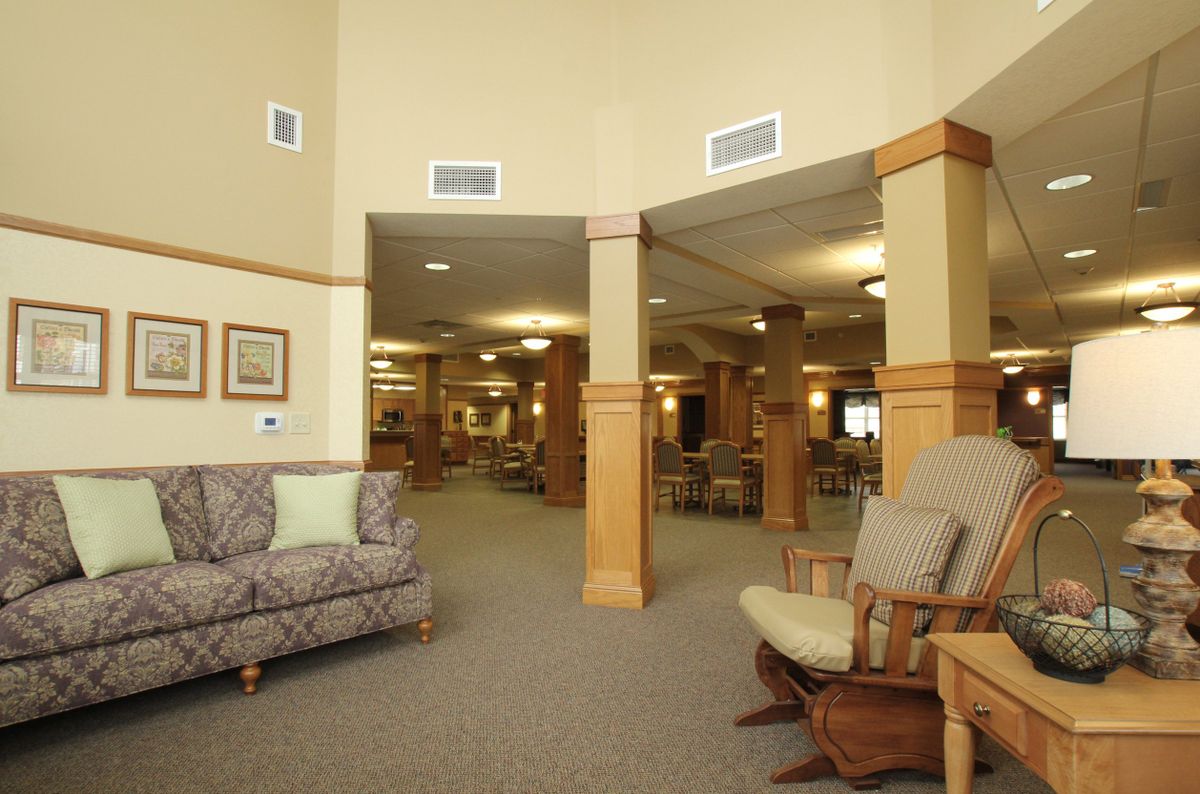
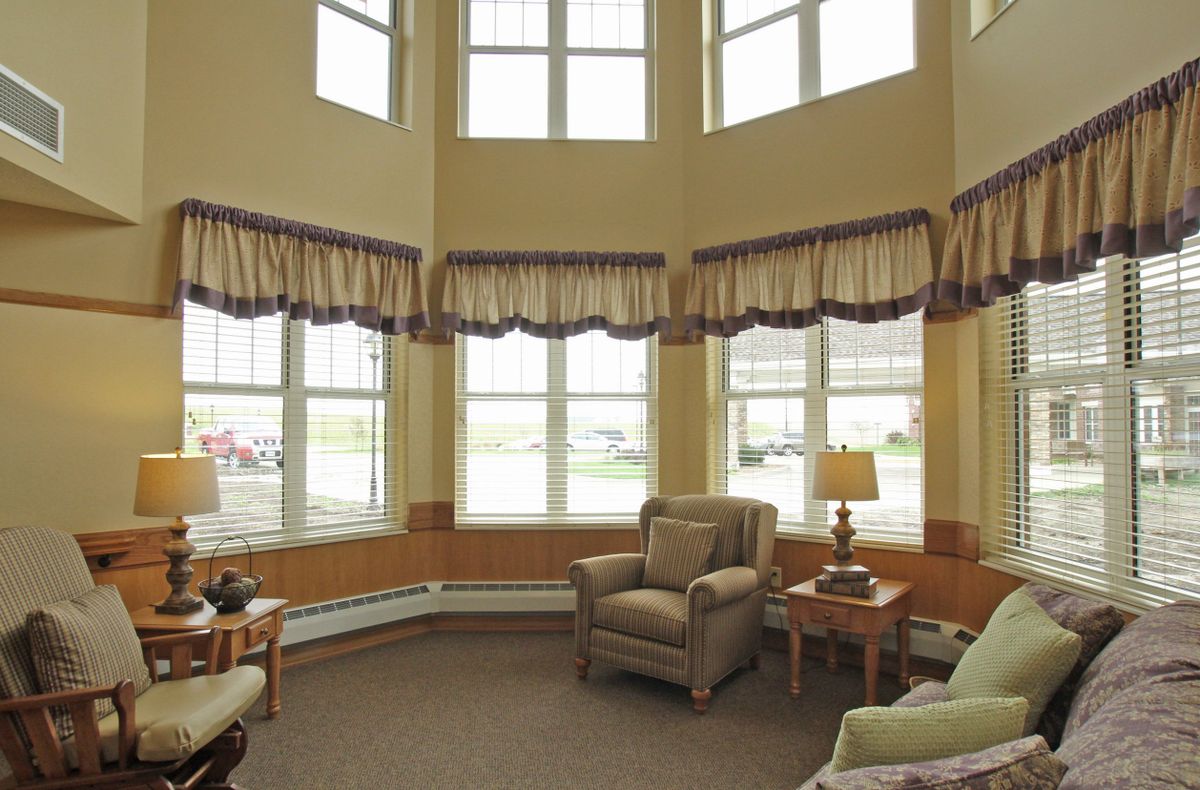
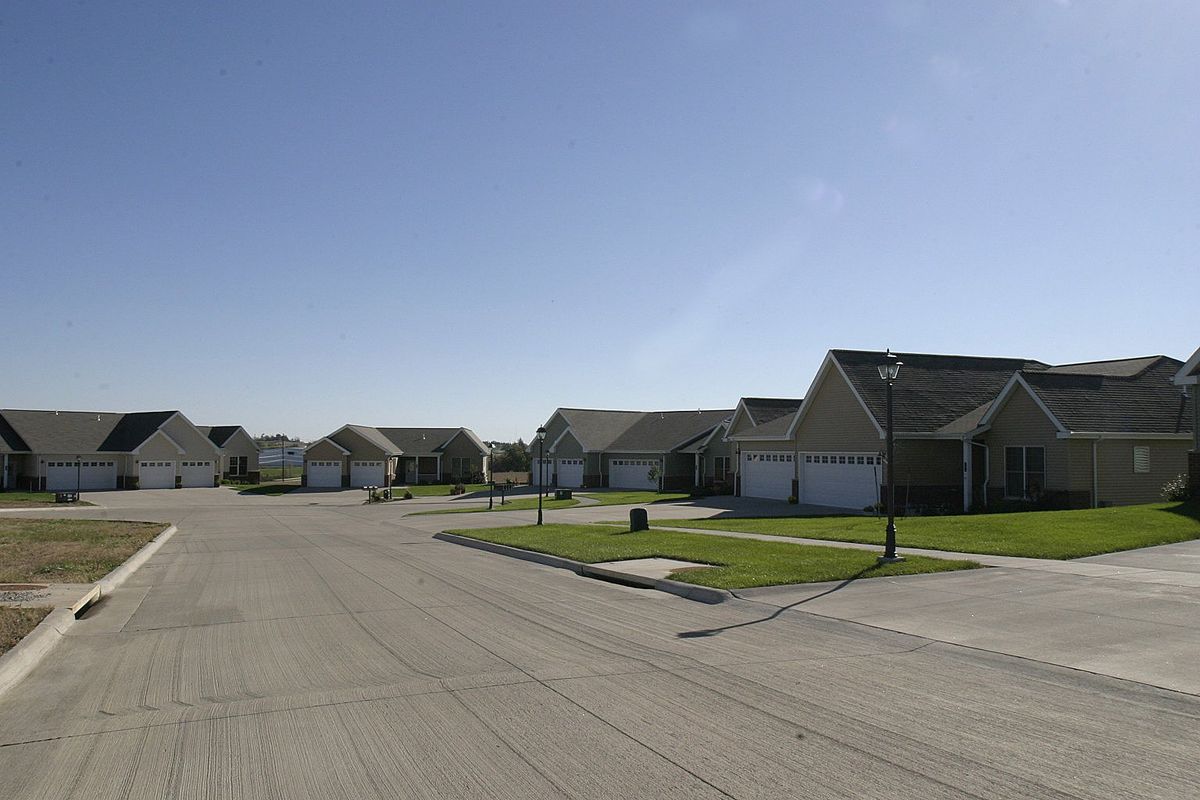
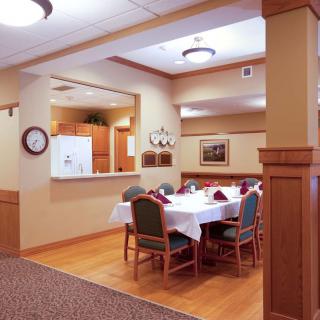
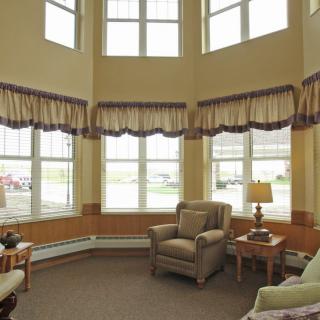
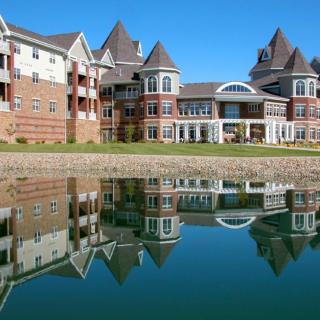
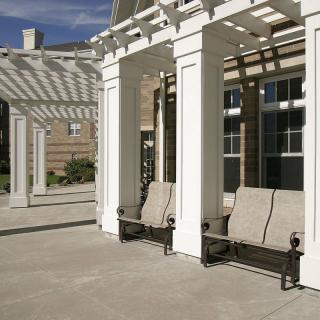
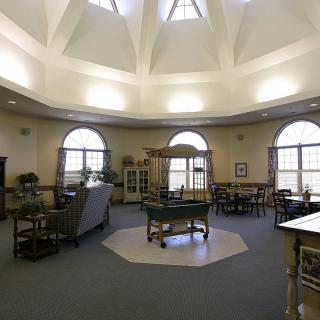
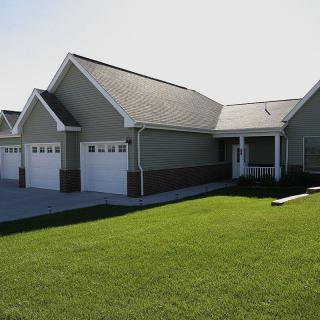
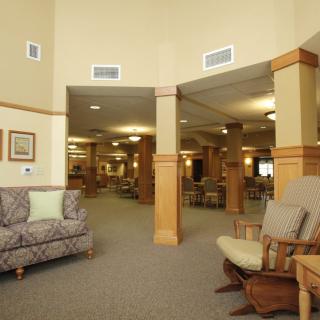
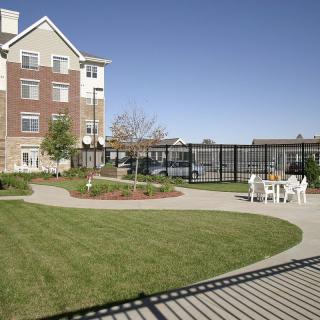
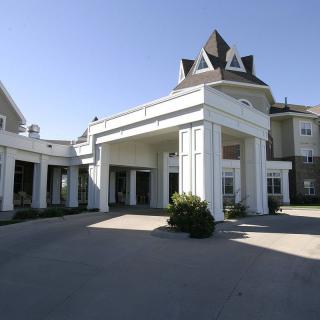
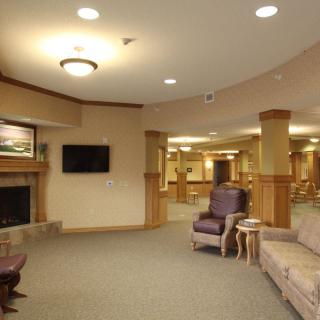
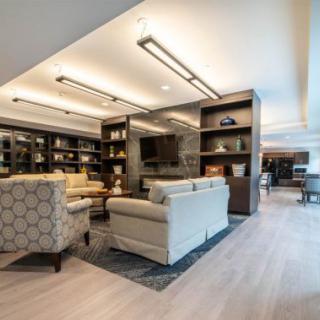
 Highland Ridge is a gorgeous facility.
- The staff are kind, caring, and sincere.
- Residents are well cared for, clean, and happy.
- Highland Ridge received a perfect score from the reviewer.
- The staff are truly amazing, caring, compassionate, and helpful.
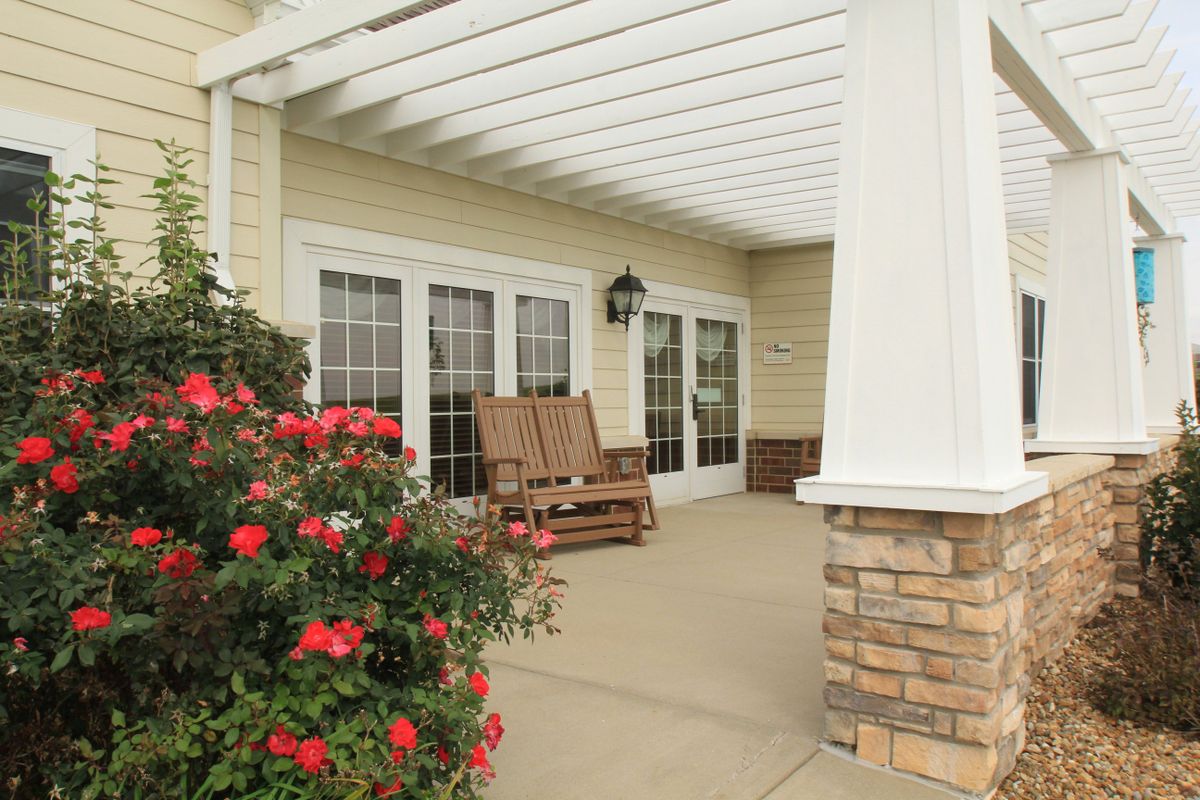
- Highland Ridge is a beautiful and impressive place with a warm and welcoming atmosphere.
- Families feel that their loved ones are safe and well cared for at Highland Ridge.
Cons
 The review notes there aren’t enough staff to watch over residents, with about 15 in memory care.
- It mentions that residents could go into other people’s rooms and staff didn’t always remove them.
- It states a resident became aggressive and was told he couldn’t return; an incident involved pushing a resident, though no one fell.
- The reviewer asked for video of the incident, but it was never provided.
- There was an incident where the husband drank about a half-bottle of hand sanitizer after getting into a cabinet.
Review
Highland Ridge in Williamsburg, IA is best suited for families seeking a premium, people-centered assisted-living experience with a strong memory-care orientation, delivered in a beautiful, welcoming environment. The community earns its praise through a consistently gorgeous campus and a culture of kindness, care, and sincere engagement from the staff. Families looking for steady, transparent communication and reassurance that a loved one is well cared for will find this residence delivers on those front-line expectations. The strongest win is the combination of an inviting setting and staff who appear genuinely invested in residents’ daily well-being, which matters as much as any formal care plan.
That said, there are clear reasons some families will want to consider alternatives. For residents whose needs demand very tight safety oversight or for those who require near-perfect incident transparency in memory care, Highland Ridge may not always check every box. Accounts mentioning a memory-care unit with a larger group of residents, coupled with situations where a resident accessed other residents’ rooms, raise legitimate questions about supervision levels and risk management. Additionally, when a family requests site footage of an incident, the facility’s responsiveness can become a sticking point. For families with heightened safety concerns or those who want highly documented, auditable behavior-handling practices, exploring facilities with stronger staffing ratios and more open incident review processes is prudent.
The strongest pros, beautiful facilities, consistently kind and responsive staff, and regular updates, do offset the cons in meaningful ways, but not perfectly. Aesthetics and a poised environment reduce anxiety and support dignity, while a compassionate staff culture directly translates into smoother daily living for residents. The weekly updates from the campus administrator (Brian) enhance transparency and trust, a meaningful counterweight to occasional concerns about supervision. In practice, these positives create a home-like atmosphere where residents appear clean, well cared for, and engaged. Still, the existence of staffing challenges in memory care and a few safety-related questions means families must weigh a visible warmth and communication ethic against the potential for variable oversight depends on shift coverage and acuity.
Highland Ridge is a strong fit for families who prize a polished, active community where everyday interactions feel personal and responsive. It works well for residents who thrive on routine, social programming, and a high-touch caregiving ethic that makes caregivers easy to approach. However, for families with loved ones who require tightly calibrated memory-care supervision, or for those who insist on unimpeachable incident transparency and rapid access to all video or documentation, the facility warrants careful scrutiny. Prospective residents should push for direct conversations with the memory-care leadership to understand staffing models, wandering protocols, and the facility’s approach to privacy, safety, and conflict resolution. A tour should include a rare glimpse into staffing coverage across different times of day and a review of incident response practices.
Practical next steps are essential. During a tour, request to meet the memory-care program director and to review the current staffing schedule, including nurse and aide coverage by shift. Ask to see a sample care plan for memory-care residents and to review recent incident logs, with a clear explanation of how such events are communicated to families. Request copies of any relevant policies on room-to-room access, wandering management, and safety audits, along with a candid discussion about how the community handles behavioral challenges and when residents may be transitioned within the home. Finally, obtain a transparent cost overview, clarifying what is included, what incurs extra charges, and what the anticipated trajectory is for price increases.
In sum, Highland Ridge stands out as a remarkable option for families seeking an upscale, compassionate environment with strong communication and a palpable sense of community. It is a especially attractive match for residents who value aesthetics, daily warmth from staff, and regular family updates as anchors of confidence. It is less ideal for families needing unwavering, highly auditable safety oversight in memory care or for those who demand complete, real-time access to all incident footage and a perfectly consistent supervision ratio at all times. If these criteria align with the family’s priorities, move forward with a targeted tour and a frank dialogue about staffing, safety protocols, and transparency. If not, continue exploring options that emphasize tighter supervision and more extensive incident accountability, ensuring the chosen path truly aligns with the loved one’s care goals and daily living needs.
 94 resident community capacity
 Assisted Living
 Independent Living
 Memory Care
 Cats allowed
 Dogs allowed
 Activities on-site
 Air-conditioning
 Beauty salon
 Cable or satellite TV
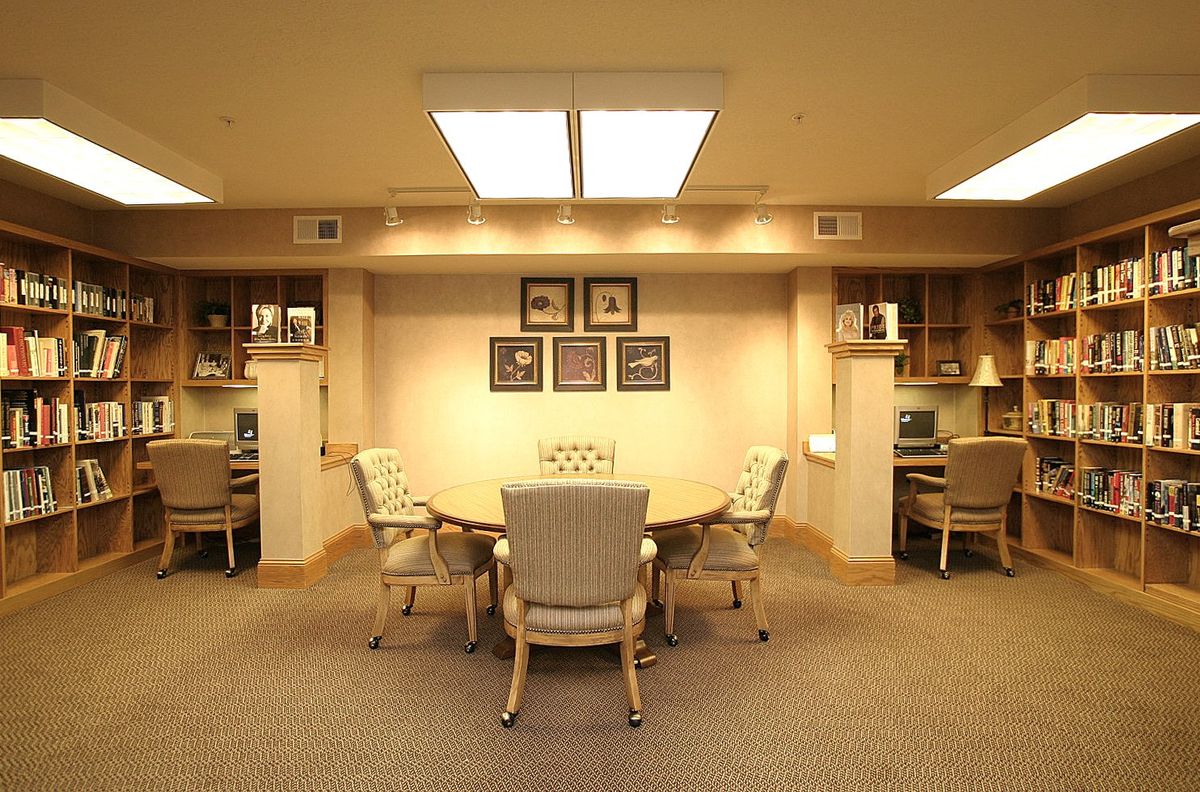
 Computer center
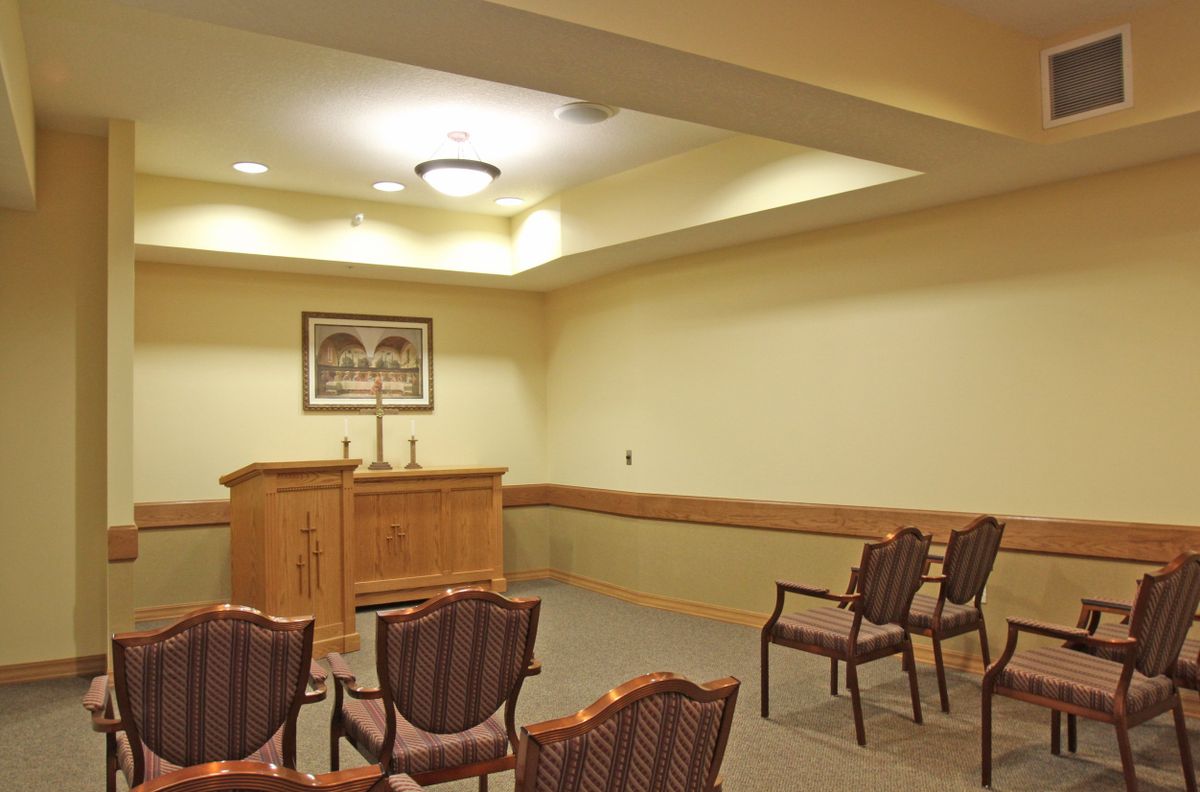
 Devotional services off-site
 Fitness room
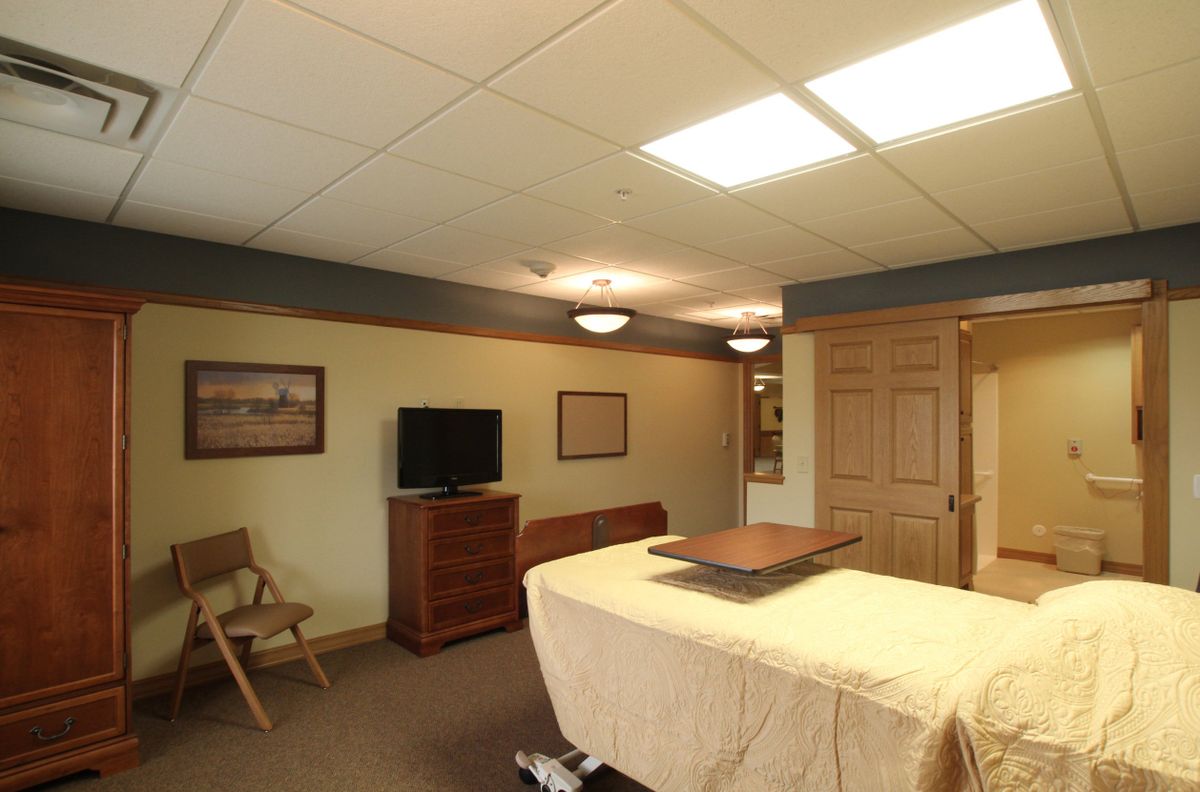
 Fully furnished
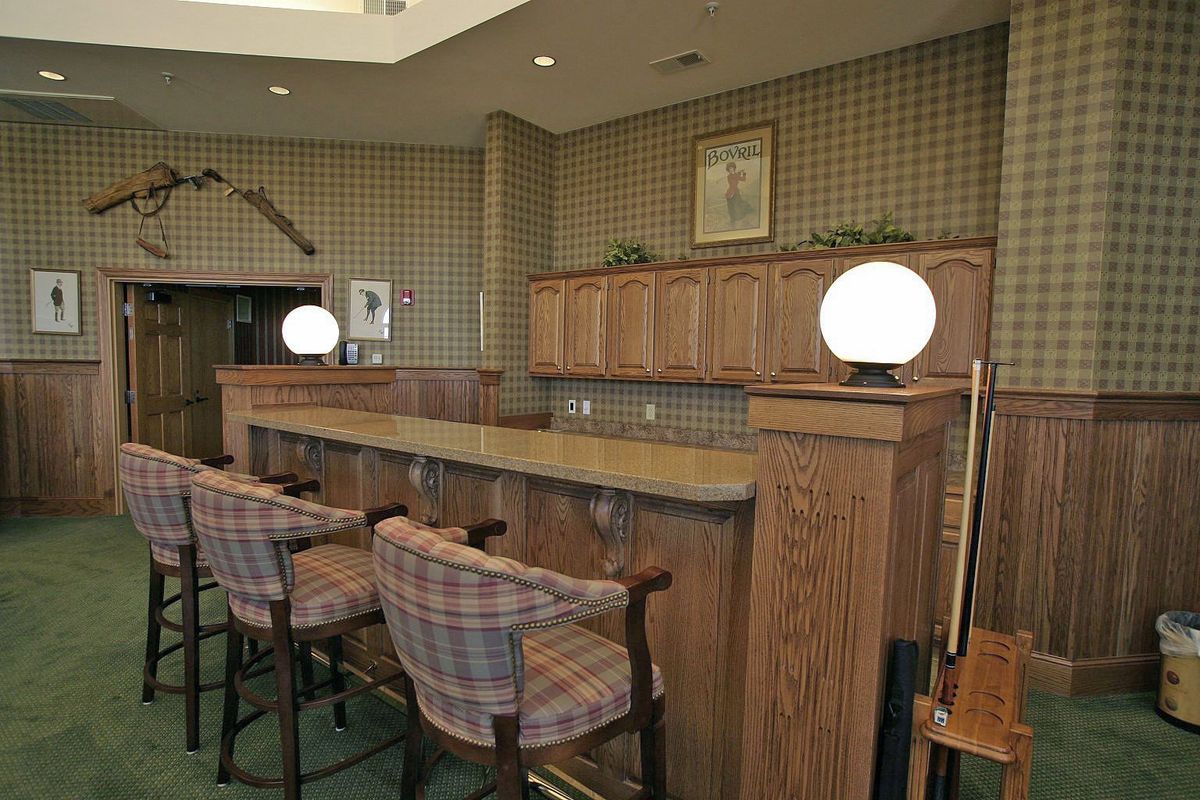
 Gaming room
 Garden
 Housekeeping services
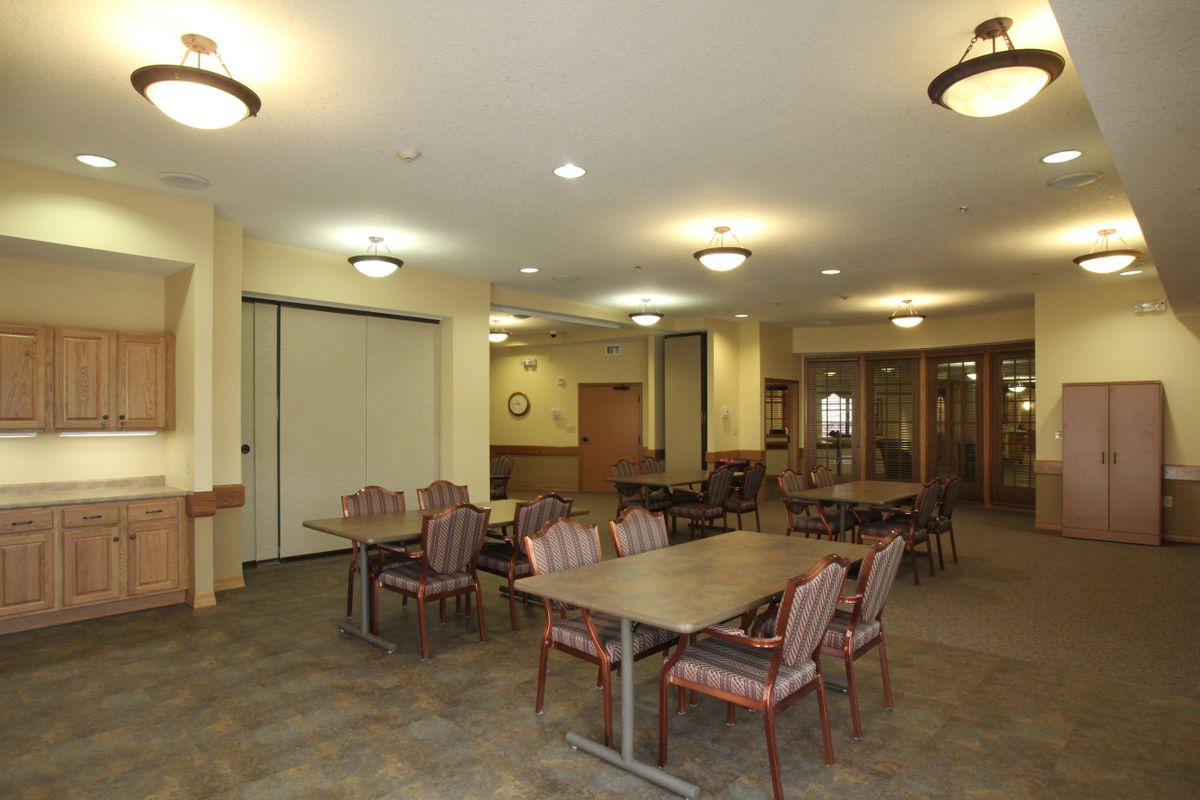
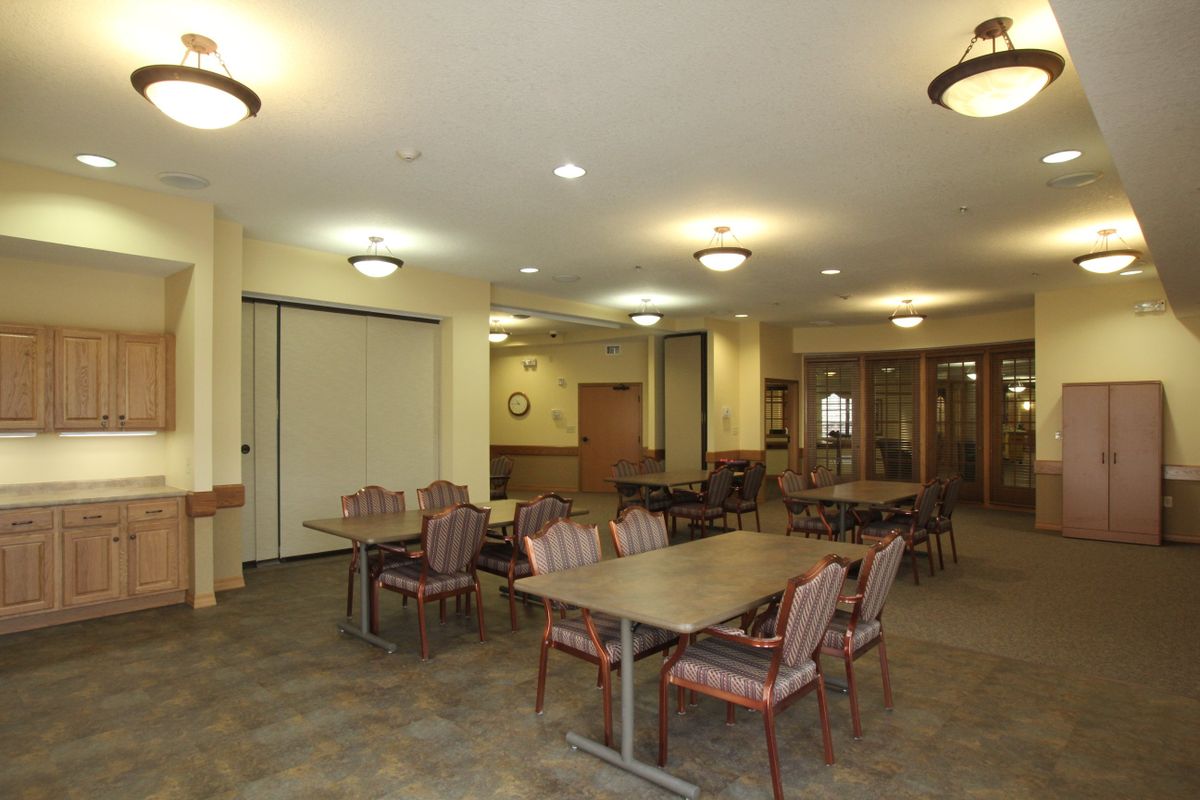
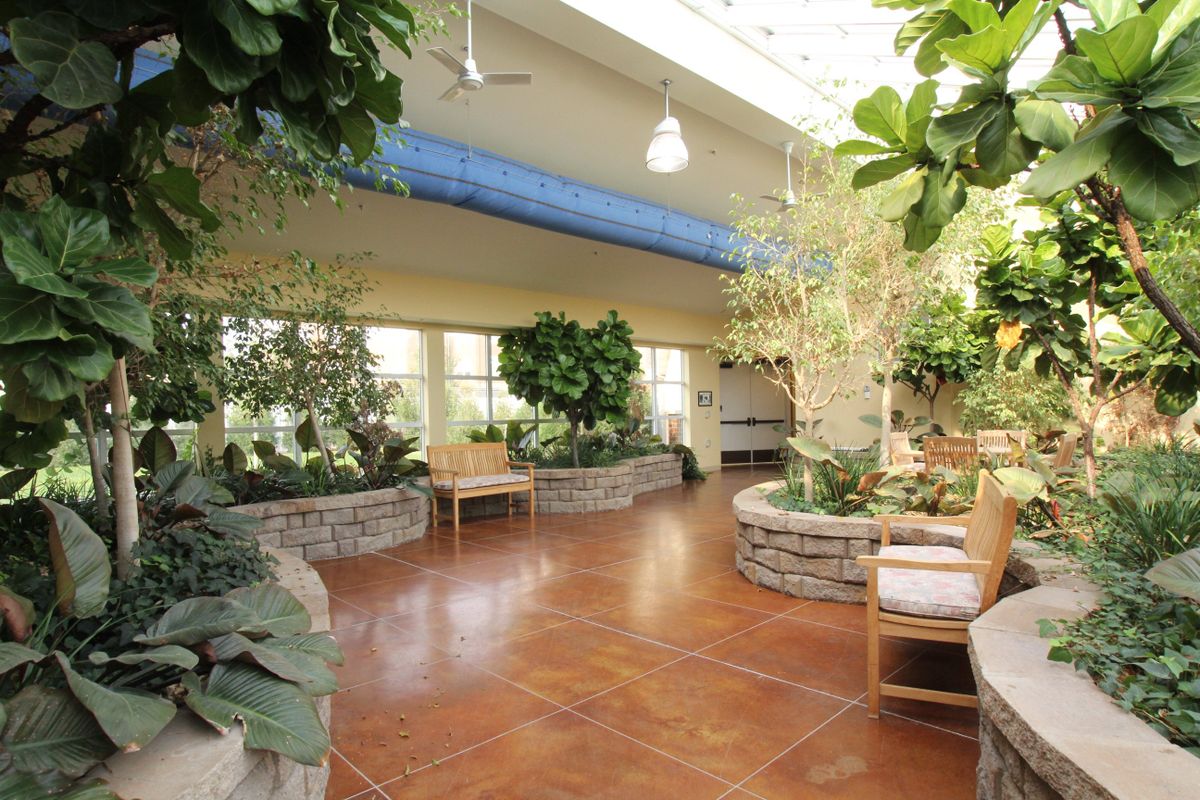
 Indoor common areas
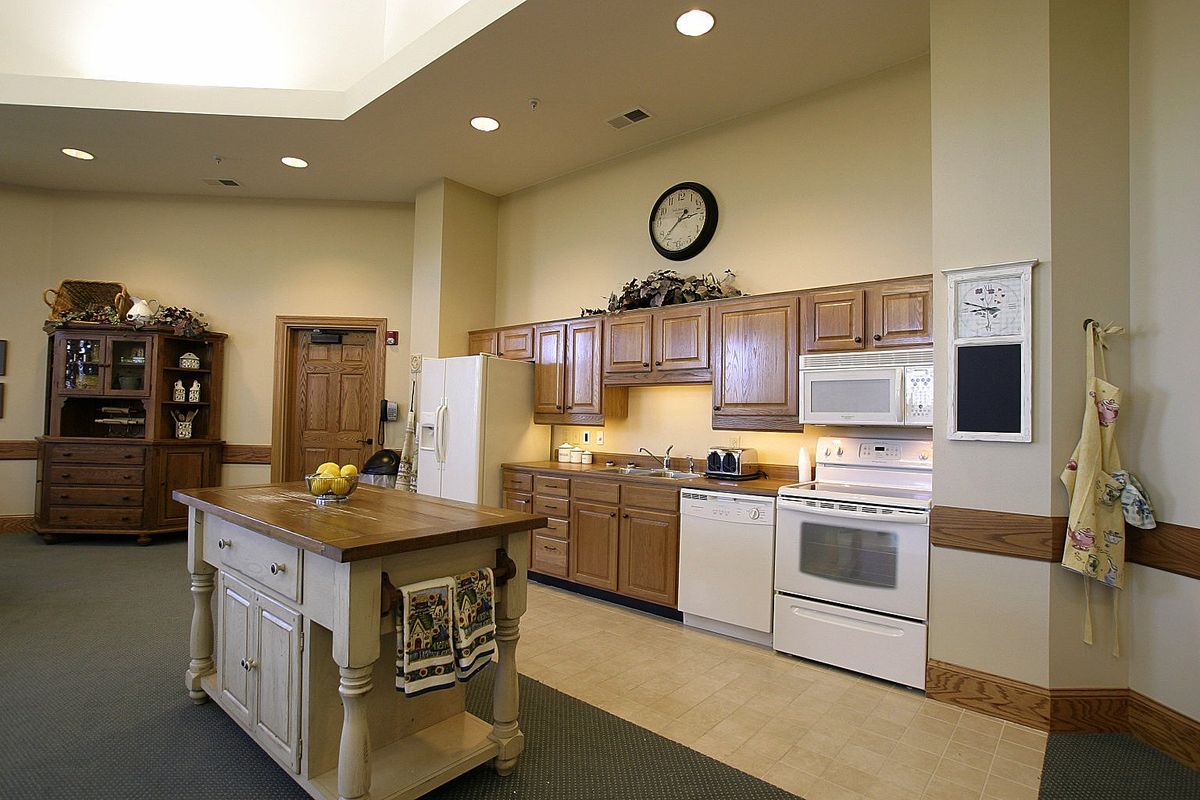
 Kitchenette
 Move-in coordination
 Outdoor space
 Private bathrooms
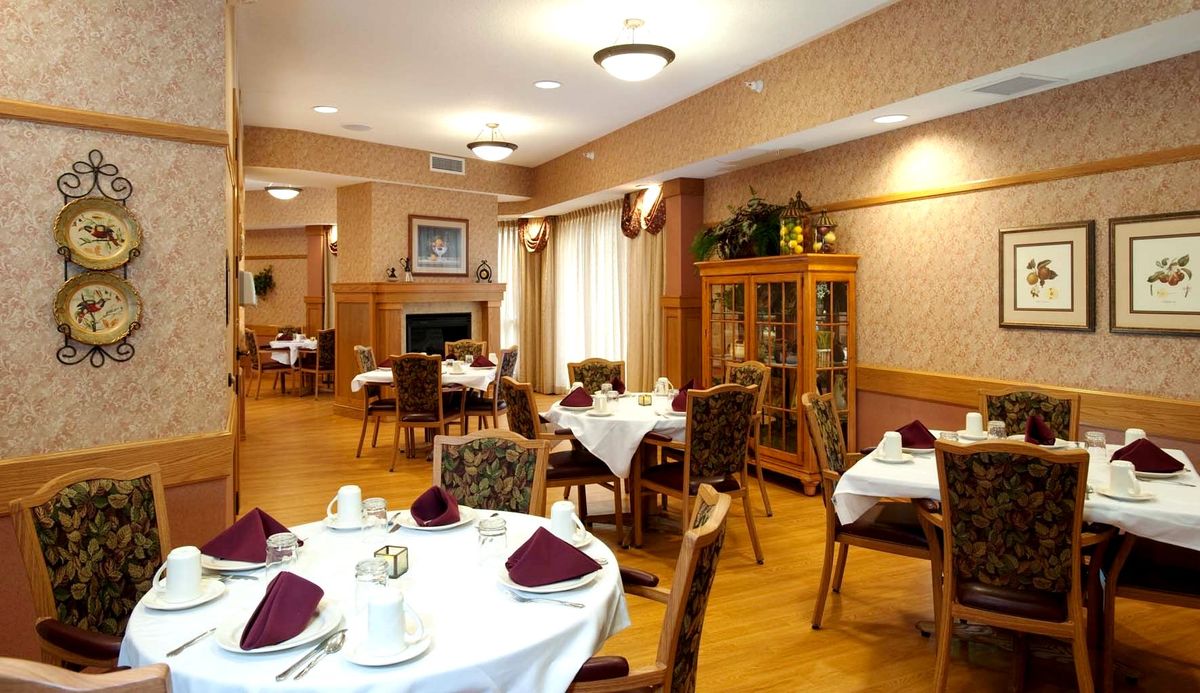
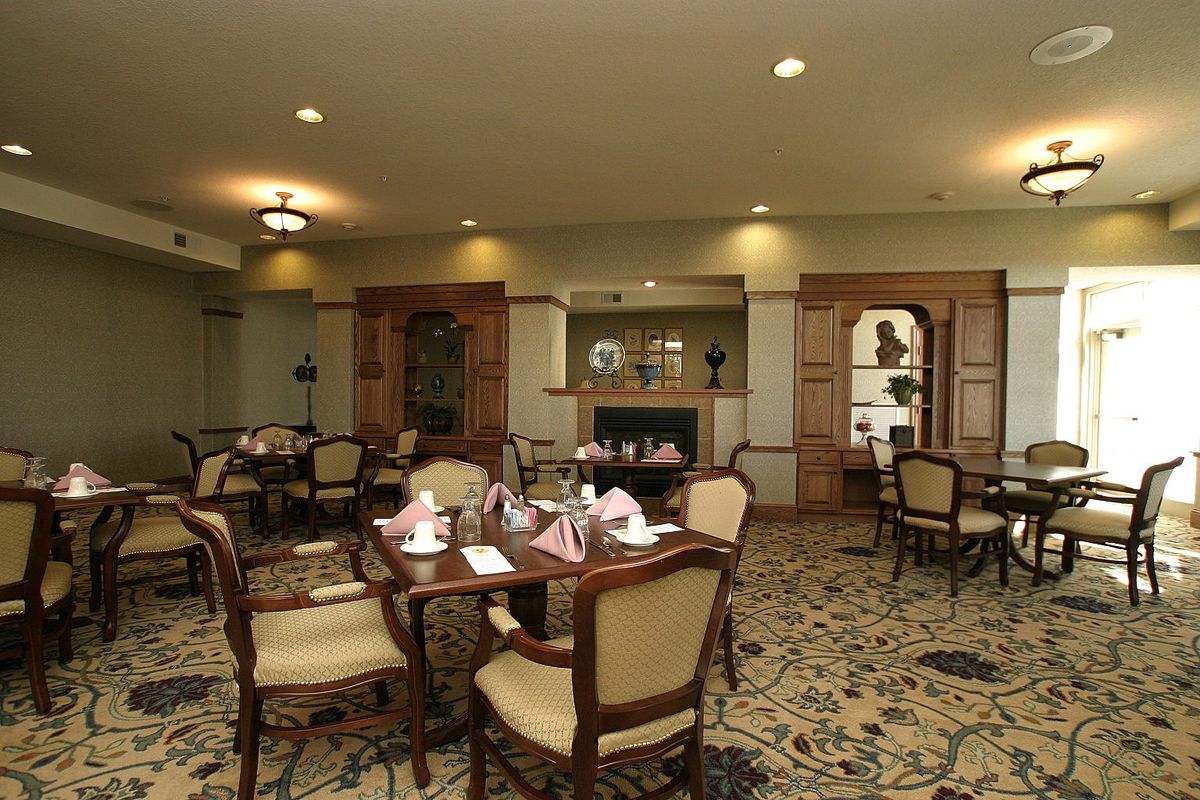
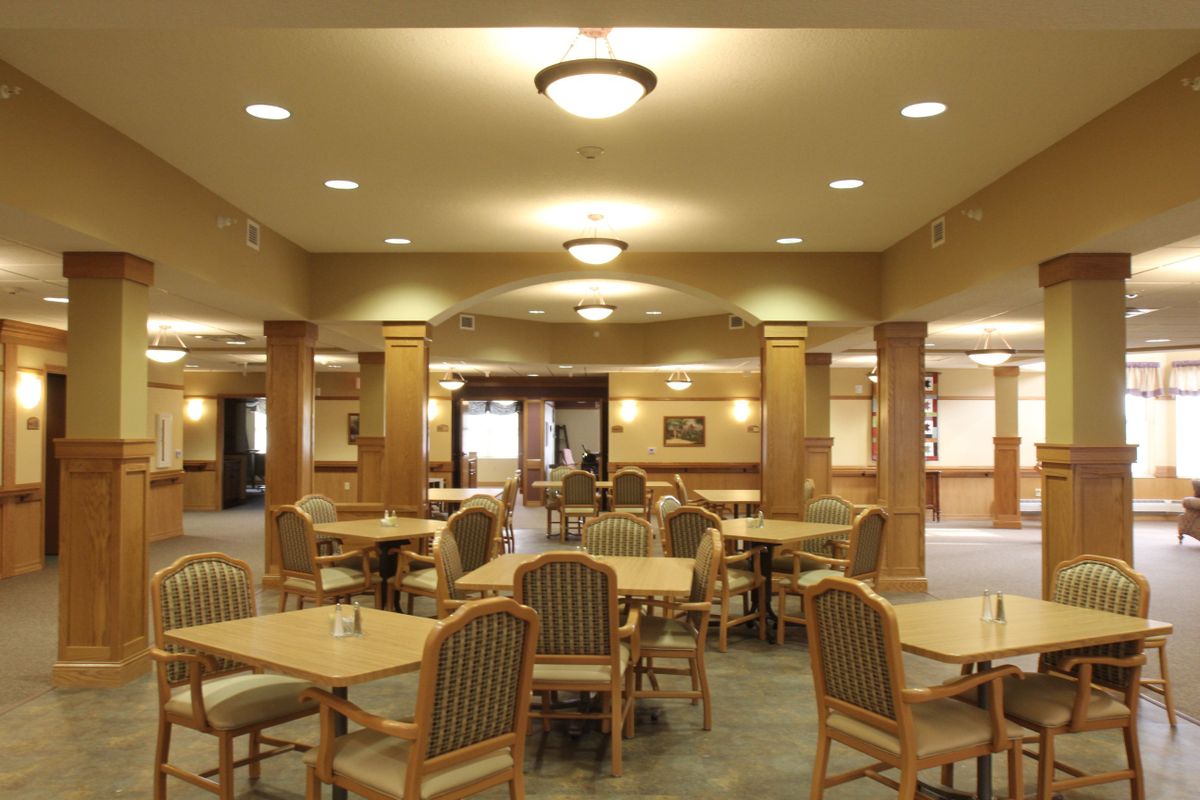
 Restaurant-style dining
 Small library
 Telephone
 Wellness center
 Wi-Fi/high-speed internet available
 Eastern Iowa (21 miles away)
 Community operated transportation
 24-hour call system
 Ambulatory care
 Assistance with bathing
 Assistance with dressing
 Assistance with transfers
 Diabetes diet
 Diabetic care
 Medication management
 Mental wellness program
 Special dietary restrictions
 Concierge services
 Planned day trips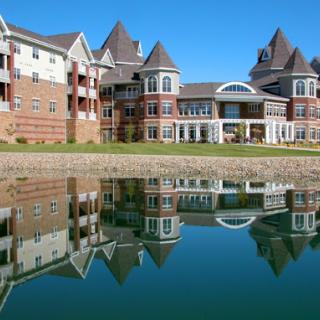



 Understanding Dementia Through Its Seven Stages: A Comprehensive Look at Progression and Expectations
 Safeguarding Your Memory Through the Golden Years: Eight Ways to Preserve Cognitive Health
 Comprehensive Insights into Activities of Daily Living (ADLs) and Their Assessment