


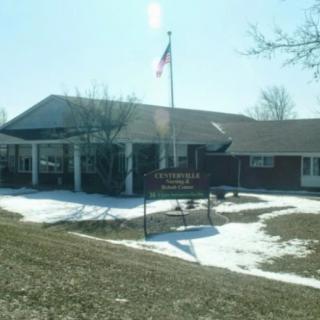
Centerville Specialty Care in Centerville, IA

Save

Centerville Specialty Care in Centerville, IA

Information last verified:

1208 East Cross Street, Centerville, IA 52544

For more information about senior living options: (844) 490-3973

3.8 from 15 reviews
5 stars
9
4 stars
2
3 stars
0
2 stars
0
1 stars
4

Centerville Specialty Care Costs & Pricing

Centerville Specialty Care offers competitive pricing for its services, aligning closely with the local market. For both semi-private rooms and private accommodations, the monthly costs are set at $2,500 and $3,750 respectively, reflecting a commitment to affordability within Appanoose County. Notably, these rates are considerably lower than the state averages of $3,885 for semi-private rooms and $4,670 for private rooms in Iowa. This strategic pricing not only makes Centerville Specialty Care an attractive option for families seeking quality care but also underscores its mission to provide accessible healthcare solutions while maintaining high standards of service and comfort.

Floor plansCenterville Specialty CareAppanoose CountyIowa
Semi-Private$2,500$2,500$3,885
Private$3,750$3,750$4,670

Overall Review of Centerville Specialty Care

Pros

  • pro The reviewer congratulates Team Centerville on an excellent annual survey.
  • pro The staff are doing the best job they can, and the reviewer thanks them for caring for their mother.
  • pro Natasha B. is described as approachable and transparent, which inspired the reviewer to join her maintenance team.
  • pro The reviewer describes their time there as phenomenal and says the building has become a family away from home, with support from regional and home office teams.
  • pro The facility is very nice, with staff who are friendly and truly care about patients.
  • pro The reviewer would highly recommend working or living there, calling it greatness.
  • pro The regional and home office teams provide support when needed.

Cons

  • pro The place is dirty.
  • pro The food is disgusting.
  • pro The staff are not friendly.
  • pro The care is not good.
  • pro The food is not good and is smothered with pepper.
  • pro Some rooms need a lot of help.
  • pro The carpeting is nasty.
  • pro The facility is scary.
  • pro It is one of the worst nursing homes.

Review

Centerville Specialty Care is best suited for seniors and families who prize a small-community feel with approachable, hands-on staff and who are prepared to stay actively involved in care decisions. When care teams are present and communicative, residents experience genuine warmth and a sense of belonging, and families can work closely with leadership to monitor needs. It is not a singles-out option; it works best for those who can tolerate some variability in the environment and staffing, and who are willing to advocate to keep quality consistently high.

Several reviews point to meaningful positives in the care experience: friendly, caring staff who truly engage with residents; administrators and regional teams that are accessible and responsive; and a sense that the building can feel like “family away from home” when operations run smoothly. In these moments, residents receive attentive, person-centered interactions, and families feel they have a partner in care. This is a real strength when the team is aligned, backed by solid management support, and able to sustain reliable communication with families.

Still, a substantial thread of reviews raises red flags that cannot be ignored. Accounts describe dirty conditions, worn carpet, and rooms in need of maintenance; meals that are unappealing or heavily peppered, signaling inconsistent dietary quality. More seriously, reports of short-staffing, run-arounds in getting truthful information, and even accusations of abusive behavior paint a troubling picture. A few reviewers label the facility as scary or among the worst, underscoring that the experience can deteriorate quickly when staffing is stretched or care routines break down. These issues expose real risks to safety, dignity, and daily quality of life.

Those pros and cons do not balance evenly. On one hand, when care teams are engaged, communicative, and supported by a responsive administration, the positives can feel substantial: genuine connections, timely communication, and a community atmosphere that supports both residents and their families. On the other hand, the frequency and severity of negative experiences, understaffing, cleanliness lapses, and problematic behavior by some staff, raise the likelihood of unmet needs and compromised safety. If reliability and a consistently clean, well-fed environment are non-negotiable, these downsides are hard to overlook.

For families facing a decision, the question is not only “how does it feel on a good day?” but also “how will it feel during a rough week?” Those who should consider alternatives are primarily the ones who cannot tolerate frequent staffing gaps, noticeable cleanliness issues, or uncertain food quality, and who require consistent, respectful care every day. Prospective residents and families should conduct thorough on-site visits, interview multiple staff members, and press for transparency, ask about staffing ratios, night coverage, maintenance plans, meal standards, and recent survey findings. Request to see current incident logs and how concerns have been addressed to gauge whether corrective actions are durable.

In the end, Centerville Specialty Care can deliver warmth and strong interpersonal care when the team is functioning well and supported. It is not a universal fit for anyone seeking a consistently pristine environment and rock-solid predictability in staffing and safety. Families comfortable with active involvement, ongoing oversight, and a willingness to push for necessary improvements may find value here, but others should compare closely with alternatives that promise steadier cleanliness, steadier meals, and steadier care delivery. The decisive factor will be whether the incoming care team can translate any positive culture into reliable daily experiences for every resident.

Features

Housing

  • 67 resident community capacity 67 resident community capacity

Types of Care

  • Skilled Nursing Facility Skilled Nursing FacilitySkilled Nursing Facilities are crucial for seniors as they provide round-the-clock medical care, rehabilitation services, and assistance with daily activities. These facilities ensure that seniors receive the specialized care they need to maintain their health and well-being as they age.

Amenities

  • Air-conditioning Air-conditioningAir conditioning is important for seniors as they are more vulnerable to heat-related illnesses and may have underlying health conditions that make it difficult for them to regulate their body temperature. It helps to keep them comfortable, safe, and healthy in hot weather.
  • Beauty salon Beauty salonBeauty salons are important for seniors because they provide a space for them to feel pampered, socialize, and maintain their personal grooming and hygiene. Regular visits to a beauty salon can help boost seniors' self-esteem and overall well-being.
  • Cable or satellite TV Cable or satellite TVCable or satellite TV is important for seniors because it provides entertainment, news, and companionship, helping to combat loneliness and boredom. It also offers a wide range of programming options tailored to different interests and preferences.
  • Computer center Computer centerA computer center is essential for seniors as it provides access to technology, communication tools, and resources that can enhance their daily lives. It allows them to stay connected with loved ones, engage in online activities, and learn new skills, ultimately promoting socialization and mental stimulation.
  • Dining room Dining roomDining rooms are important for seniors as they provide a space for socialization, connection, and nutritious meals. They offer opportunities for residents to bond over shared meals, foster a sense of community, and promote healthy eating habits. Dining rooms also ensure that seniors have access to well-balanced meals tailored to their dietary needs and preferences.
  • Fitness room Fitness roomHaving a fitness room in a senior living community is essential for seniors to stay active, maintain their physical health, and improve their overall well-being. Regular exercise can help prevent falls, reduce the risk of chronic diseases, and promote mental sharpness. It also provides social opportunities for residents to connect with others and enjoy a sense of community.
  • Fully furnished Fully furnishedFully furnished senior living communities are important for seniors because they provide convenience, comfort, and a hassle-free moving experience. Seniors can easily settle into their new living space without the stress of having to buy and move furniture. This allows them to focus on enjoying their new home and community.
  • Gaming room Gaming roomGaming rooms are important for seniors as they provide a fun and engaging environment for socializing, cognitive stimulation, and physical activity. Games can improve memory, problem-solving skills, and overall mental well-being while fostering friendships and reducing feelings of isolation.
  • Garden GardenGardens are important for seniors as they provide a peaceful and therapeutic environment for relaxation, physical activity, and socialization. Being in nature has been shown to reduce stress, improve mood, and promote overall well-being. Gardens also offer opportunities for seniors to engage in gardening activities, which can improve mobility, flexibility, and cognitive function. Additionally, gardens create a sense of community and connection with others who share a passion for plants and outdoor spaces.
  • Housekeeping services Housekeeping servicesHousekeeping services are important for seniors because they help maintain a clean and safe living environment, promote independence, and reduce the risk of accidents or illnesses. Additionally, having assistance with household chores can alleviate physical strain and allow seniors to focus on other aspects of their well-being.
  • Kitchenette KitchenetteKitchenettes are important for seniors living in senior living communities because they provide the convenience and independence of being able to prepare simple meals and snacks in the comfort of their own living space. This can help promote a sense of autonomy and well-being for seniors, allowing them to maintain some level of control over their dietary choices and daily routines.
  • Move-in coordination Move-in coordinationMove-in coordination is important for seniors because it helps ease the transition into their new living environment. It ensures that all logistics, such as packing, organizing movers, and setting up utilities are taken care of, allowing seniors to focus on settling in and adjusting to their new home. Having a smooth move-in process can alleviate stress and anxiety, making the transition smoother and more enjoyable for seniors.
  • Outdoor space Outdoor spaceOutdoor spaces are important for seniors as they provide opportunities for physical activity, social interaction, exposure to natural light and fresh air, and a sense of connection to nature. Having access to outdoor spaces can improve overall well-being and quality of life for older adults living in senior communities.
  • Private bathrooms Private bathroomsPrivate bathrooms are important for seniors in senior living communities because they provide independence, dignity, and comfort. Having a private bathroom allows seniors to maintain their personal hygiene routines without the need for assistance, promoting a sense of autonomy and privacy. Additionally, private bathrooms help prevent the spread of infections and provide a safe and clean environment for seniors to navigate safely.
  • Restaurant-style dining Restaurant-style diningRestaurant-style dining is important for seniors because it allows them to enjoy delicious, nutritious meals in a social and upscale setting. This enhances their dining experience, promotes healthy eating habits, and fosters socialization with fellow residents, ultimately contributing to their overall well-being and quality of life.
  • Small library Small librarySmall libraries are important for seniors as they provide access to a variety of reading materials, including books, newspapers, and magazines. This can help stimulate their minds, keep them engaged, and provide a sense of community through book clubs and other social activities. Additionally, reading has been shown to improve cognitive function and overall mental well-being in older adults.
  • Telephone TelephoneTelephones are important for seniors as they provide a lifeline for communication with loved ones, emergency services, and healthcare providers. They offer a sense of security and independence, enabling seniors to stay connected and access assistance when needed.
  • Wellness center Wellness centerWellness centers are important for seniors because they offer a variety of programs and services that promote physical, mental, and emotional well-being. These centers provide opportunities for exercise, socialization, education, and relaxation, helping seniors maintain their overall health and quality of life.
  • Wi-Fi/high-speed internet available Wi-Fi/high-speed internet availableWi-Fi/high-speed internet is important for seniors to stay connected with loved ones, access online resources, and participate in virtual activities to combat feelings of loneliness and isolation. It also allows them to easily manage healthcare needs, access entertainment, and engage in lifelong learning opportunities.

Transportation

  • Community operated transportation Community operated transportationCommunity operated transportation is crucial for seniors as it provides them with the means to access essential services, social activities, and medical appointments. It allows seniors to maintain their independence and quality of life by ensuring they can participate in activities outside of their homes. Additionally, community-operated transportation services offer a safe and reliable way for seniors to travel without having to rely on family or friends for assistance.
  • Transportation arrangement Transportation arrangementTransportation arrangements are crucial for seniors as they may face challenges with driving, mobility, or access to public transportation. Having reliable transportation services ensures that seniors can easily attend appointments, social activities, and maintain their independence and quality of life.
  • Transportation arrangement (non-medical) Transportation arrangement (non-medical)Transportation arrangements are essential for seniors as they provide access to essential services, activities, and social interactions outside the home. This service helps maintain independence, mobility, and overall well-being for seniors who may have limited transportation options.
  • Transportation to doctors appointments Transportation to doctors appointmentsTransportation to doctors appointments is crucial for seniors as it ensures they have access to necessary medical care and support, promoting their health and well-being. It allows them to receive timely treatment, monitor existing conditions, and address any new health concerns efficiently. Additionally, transportation services can help seniors maintain their independence and quality of life by enabling them to stay connected with their healthcare providers.

Care Services

  • 12-16 hour nursing 12-16 hour nursing12-16 hour nursing care is crucial for seniors in order to ensure around-the-clock monitoring, timely medication administration, and prompt response to any health concerns or emergencies. This level of care helps to promote the overall well-being and safety of seniors living in senior living communities.
  • 24-hour call system 24-hour call system24-hour call systems are important for seniors because they provide peace of mind and immediate assistance in case of emergencies. This technology ensures that help is always available, promoting safety and security for elderly individuals living alone or in assisted living facilities.
  • 24-hour supervision 24-hour supervision24-hour supervision is important for seniors to ensure their safety, well-being, and access to immediate assistance in case of emergencies or health issues. This constant support provides peace of mind for both seniors and their loved ones, allowing them to age in place with dignity and security.
  • Activities of daily living assistance Activities of daily living assistanceActivities of daily living assistance are important for seniors because they provide essential support with tasks such as eating, bathing, dressing, and mobility. This assistance helps seniors maintain their independence, dignity, and overall quality of life as they age.
  • Assistance with bathing Assistance with bathingAssistance with bathing is crucial for seniors as it helps maintain personal hygiene, prevents infections, and ensures their overall well-being and comfort. It also provides a sense of dignity and independence for seniors who may struggle with this task on their own.
  • Assistance with dressing Assistance with dressingAssistance with dressing is important for seniors because it helps maintain their independence, promotes personal hygiene, prevents accidents and injuries, and improves overall quality of life. This service ensures that seniors can continue to dress comfortably and confidently, despite any physical limitations they may have.
  • Assistance with transfers Assistance with transfersAssistance with transfers is crucial for seniors as it helps prevent falls and injuries, maintains their independence, and ensures they can safely navigate their living environment. It also provides peace of mind for both seniors and their loved ones.
  • Diabetes diet Diabetes dietA diabetes diet is crucial for seniors as it helps manage blood sugar levels, reduce risks of complications, and improve overall health and well-being. By following a balanced and nutritious diet tailored to their specific needs, seniors can better control their diabetes and enhance their quality of life.
  • Meal preparation and service Meal preparation and serviceMeal preparation and service are crucial for seniors as they may have limited mobility or energy to cook nutritious meals. Having access to healthy and convenient food options can ensure they are getting the proper nutrition needed to maintain their overall health and well-being.
  • Medication management Medication managementMedication management is crucial for seniors to ensure they are taking the right medications at the correct dosages and times. This helps prevent adverse drug interactions, reduces the risk of medication errors, and promotes overall health and well-being. Proactive management also allows for adjustments as needed based on changing health conditions or new prescriptions.
  • Mental wellness program Mental wellness programMental wellness programs are essential for seniors as they promote cognitive stimulation, emotional support, and social engagement. These programs help prevent isolation, depression, and cognitive decline, ultimately enhancing the overall quality of life for older adults.
  • Special dietary restrictions Special dietary restrictionsSpecial dietary restrictions are important for seniors because age-related changes in metabolism and health conditions can make it difficult for their bodies to process certain foods. By following a diet tailored to their specific needs, seniors can maintain their overall health and well-being, manage chronic conditions, and reduce the risk of complications such as malnutrition or food interactions with medications.

Dining

  • Diabetes diet Diabetes dietA diabetes diet is crucial for seniors as it helps manage blood sugar levels, reduce risks of complications, and improve overall health and well-being. By following a balanced and nutritious diet tailored to their specific needs, seniors can better control their diabetes and enhance their quality of life.
  • Special dietary restrictions Special dietary restrictionsSpecial dietary restrictions are important for seniors because age-related changes in metabolism and health conditions can make it difficult for their bodies to process certain foods. By following a diet tailored to their specific needs, seniors can maintain their overall health and well-being, manage chronic conditions, and reduce the risk of complications such as malnutrition or food interactions with medications.

Activities

  • Community-sponsored activities Community-sponsored activitiesCommunity-sponsored activities are important for seniors as they provide opportunities for social interaction, mental stimulation, and physical activity. These activities can help improve overall well-being, combat loneliness and isolation, and promote a sense of belonging and purpose among older adults.
  • Concierge services Concierge servicesConcierge services are essential for seniors as they provide assistance with daily tasks and errands, enhance their quality of life by offering convenience and personalized care, and promote a sense of safety and security.
  • Fitness programs Fitness programsFitness programs are crucial for seniors as they help improve strength, flexibility, balance, and overall well-being. Staying active can reduce the risk of chronic diseases, improve mental health, and enhance quality of life in older adults.
  • Planned day trips Planned day tripsPlanned day trips are important for seniors because they offer opportunities for socialization, mental stimulation, and physical activity. They provide a change of scenery and help seniors stay engaged and connected to their community, promoting overall well-being and quality of life.
  • Resident-run activities Resident-run activitiesResident-run activities are important for seniors as they encourage social interaction, creativity, and a sense of autonomy. These activities empower seniors to stay engaged and active in their community while fostering meaningful connections with their peers.
  • Scheduled daily activities Scheduled daily activitiesScheduled daily activities are important for seniors because they provide structure, socialization, mental stimulation, and physical activity. Engaging in regular activities can improve overall well-being and quality of life for seniors living in a community setting.

Description

Centerville Specialty Care in Centerville, IA is a premier assisted living community that provides a comfortable and vibrant environment for seniors. Our community offers a wide range of amenities to enhance the quality of life for our residents.

For those who value their appearance, we have a beauty salon on-site where residents can get pampered and maintain their personal style. Our fully furnished accommodations are equipped with cable or satellite TV for entertainment. Community operated transportation is available to ensure that residents can easily access various destinations within the area.

We understand the importance of staying connected in today's digital world, which is why we provide a computer center with Wi-Fi/high-speed internet access. Residents can stay in touch with loved ones or browse the web at their convenience.

At Centerville Specialty Care, we believe that dining should be an enjoyable experience. Our dining room offers restaurant-style dining, where residents can enjoy delicious meals prepared by our skilled culinary team. We cater to special dietary restrictions to ensure that everyone's unique needs are met.

Our community is designed to promote wellness and socialization. Residents can stay physically active and engaged through our fitness room and resident-run activities. Planned day trips and scheduled daily activities provide opportunities for exploration and fun.

In addition to providing exceptional amenities, Centerville Specialty Care offers comprehensive care services to meet the individual needs of each resident. Our highly trained staff is available 24/7 for assistance with daily living activities such as bathing, dressing, and transfers. We also have specialized programs for mental wellness and diabetes management.

Transportation arrangements are provided for both non-medical purposes as well as doctor's appointments, ensuring that residents have easy access to necessary healthcare services.

Within close proximity to our community, there are various cafes, parks, pharmacies, physicians' offices, restaurants, places of worship, theaters, and hospitals.

At Centerville Specialty Care in Centerville, IA, we pride ourselves on providing a warm and engaging environment where seniors can live comfortably and receive the assistance they need. Contact us today to schedule a tour and experience the exceptional lifestyle our community offers.

Nearby Places of Interest

Restaurants

  • Jing Jing Chinese Restaurant (0.3 miles)
  • Subway (0.3 miles)
  • McDonald's (0.3 miles)
  • Charley's Grilled Subs (0.4 miles)
  • Pizza Hut (0.4 miles)
  • Sonic Drive-In (0.4 miles)
  • Fiesta Mexican Restaurant (0.6 miles)

Cafes

  • Starbucks (0.3 miles)
  • Miller's Malts and More (0.7 miles)
  • Main Street Cafe Ii (20.1 miles)

Theaters

  • Cinema 4 (0.3 miles)

Places of Worship

  • Peoples Baptist Church (0.4 miles)
  • Church of Christ (0.5 miles)
  • Assembly of God-Centerville (0.6 miles)
  • First United Methodist Church (0.7 miles)
  • Sacred Heart Catholic Church (0.8 miles)
  • Solid Rock Church of God (0.8 miles)
  • Grace Tabernacle Baptist Church (0.8 miles)

Transportation

  • U-Haul Moving & Storage (0.6 miles)
  • U-Haul (0.7 miles)
  • Trophy Ridge Taxidermy (18.2 miles)

Pharmacies

  • Owl Pharmacy (0.7 miles)
  • One To One Pharmacy (19.6 miles)

Physicians

  • Dermatology Central Iowa (1.1 miles)
  • Seymour Medical Clinic (14.1 miles)
  • Heritage Dental (20 miles)
  • Adler William R OD (20.1 miles)

Parks

  • Morgan E. Cline Park (1.1 miles)
  • Lake Wapello State Park (16.4 miles)
  • Park Office 15248 Campground (16.4 miles)
  • Monroe City Park (19.3 miles)
  • Monroe County Veterans Memorial (19.8 miles)

Hospitals

  • St Joseph's Mercy Hospital, Centerville, Iowa (1.1 miles)
  • Centerville Medical Clinic (1.2 miles)
  • Saint Josephs Mercy Medical Clinic (1.2 miles)
  • Oakwood Nursing & Rehab Center (19.1 miles)
  • Putnam County Memorial Hospital (19.4 miles)
  • Brees Rest Home (20 miles)

Frequently Asked Questions

How much does it cost to live at Centerville Specialty Care in Centerville, IA?
Where is Centerville Specialty Care?
What photos are available for Centerville Specialty Care in Centerville, Iowa?

Nearby Communities

  • Hospice Of Central Iowa

    Hospice Of Central Iowa

    Centerville, IA

    4.7 from 14 reviews
     

    pro Compassionate care in a peaceful setting with broad nearby amenities.

  • Dora Barnes Residential Home

    Dora Barnes Residential Home

    Centerville, IA


    pro Well-connected location with easy access to nearby amenities (cafes, parks, pharmacies, restaurants, transportation, worship, theaters, hospitals).

  • Mercyone Centerville Medical Center

    Mercyone Centerville Medical Center

    Centerville, IA

    3 from 26 reviews
     

    pro Intimate 19-resident community with comprehensive care services and fully furnished living spaces.

  • Homestead of Centerville

    Homestead of Centerville

    Centerville, IA

    4.9 from 12 reviews
    $5,210 to $6,430 / month

    pro Caring, responsive staff in a clean, well-maintained setting with engaging activities and good meals.

  • Centerville Senior Lofts

    Centerville Senior Lofts

    Centerville, IA

    3.4 from 5 reviews
    $525 to $625 / month

  • Homestead Of Centerville

    Homestead Of Centerville

    Centerville, IA

    5 from 4 reviews
     

    pro Specialized memory care with 24/7 supervision and extensive on-site amenities.

  • Golden Age Care Center

    Golden Age Care Center

    Centerville, IA

    4.2 from 9 reviews
     

    pro Caring, attentive staff with reliable and friendly service.

  • Homestead of Albia

    Homestead of Albia

    Albia, IA

    4.8 from 6 reviews
    $5,130 to $6,665 / month

    pro High-quality care with compassionate staff, plus engaging activities and dementia support.

Related Resources

  • what is home health careHome Health Care Demystified: A Comprehensive Guide for Families and Caregivers

    Home health care offers a range of clinical services provided in a patient's home, including nursing and therapy, tailored to individual needs, particularly for aging seniors with chronic conditions. This approach enhances patient independence, promotes better disease management, and utilizes technology for real-time monitoring while fostering collaboration among healthcare providers and family members.

  • uber for seniorsSeniors and Modern Transportation: Exploring Uber, Lyft, and Other Ride-Hailing Options

    Seniors benefit from ride-hailing services like Uber and Lyft, which provide convenient and accessible transportation options that promote independence and social engagement, while addressing mobility challenges. These platforms have adapted to meet senior needs with user-friendly features and safety measures, although costs can be a concern; community programs may help subsidize rides for older adults.

  • who qualifies for home health care servicesComprehensive Guide to Qualifying for Home Health Care Services

    The guide outlines the eligibility criteria for home health care services, emphasizing clinical requirements, insurance options, and application processes. It distinguishes between Medicare's strict and Medicaid's flexible qualifications while addressing challenges families may face in securing necessary care at home.