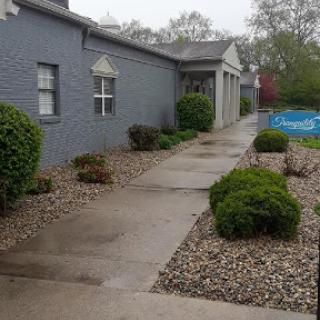
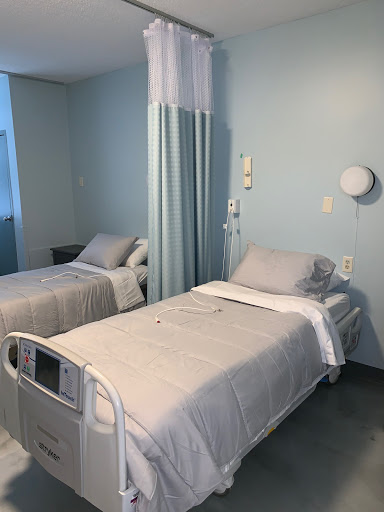
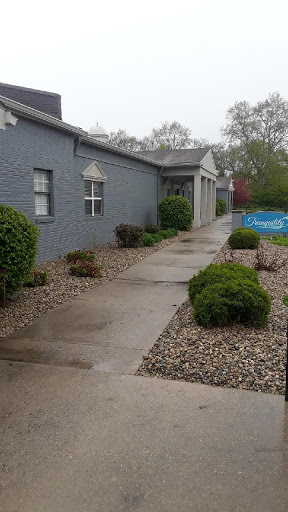
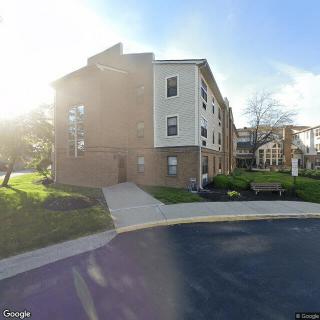
3640 North Central Avenue, Indianapolis, IN 46205
For more information about senior living options: (866) 208-4318
Overall Review of Tranquility Nursing And Rehab
Pros
 Tranquility Nursing & Rehab is amazing.
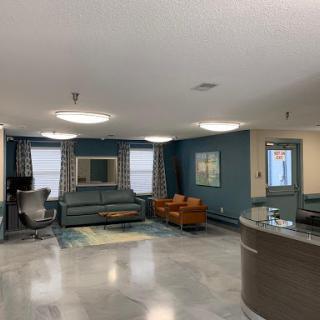
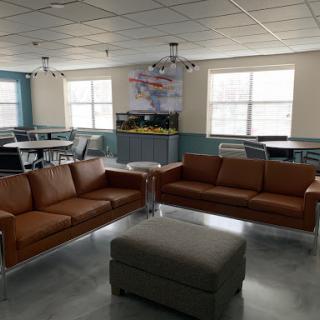
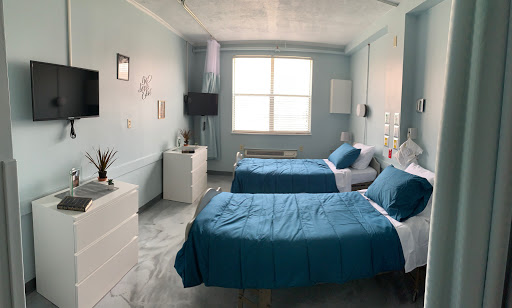
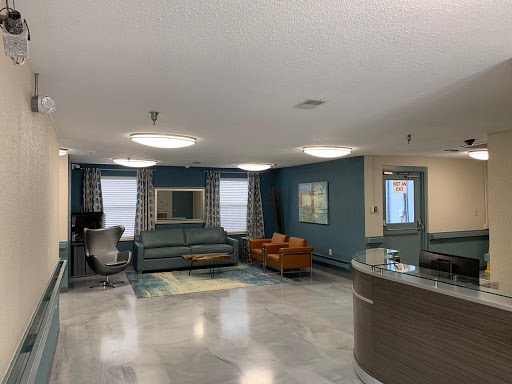
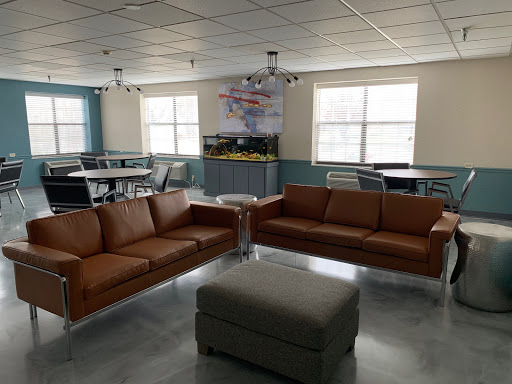
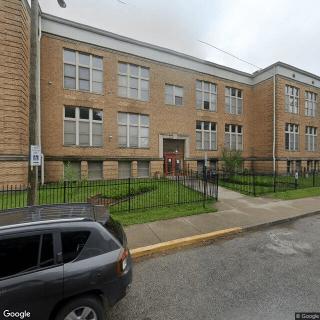
- The facility is very clean, beautiful, and caring.
- It is the best and only long-term TBI facility in Indianapolis.
- The staff is amazing and provides personalized care.
- The facility offers 24/7 on-site respiratory therapy and specializes in vent/trach patients and TBIs.
- They provide excellent customer service and follow-up care after discharge.
- The center is considered an important part of Indiana’s healthcare community.
Cons
 One reviewer warns that you should not place a loved one here and should remove them if they already are.
 - They describe the facility as horrible and unfit for any human, with reports of bedsores, injuries, and stolen belongings.
- They say the staff are rude and the care is negligent, with promises left unkept and bad equipment.
- They claim there was neglect, lack of proper consent, and rights being stripped from a disabled patient.
- They report food and gifts being stolen and a Christmas package going missing, despite tracking showing delivery.
- They allege chronic understaffing, poor communication, and excessive staff and administrator changes that harmed care.
- They accuse some staff of lacking compassion and even note an incident where a family member was allegedly assaulted by staff.
- They say the facility should be shut down for malpractice and that they would not trust it to care for anything, not even a Barbie doll.
Review
Tranquility Nursing & Rehab in Indianapolis is best suited for residents who truly need specialized neurotrauma rehabilitation and complex respiratory support, including ventilator or tracheostomy care, with on-site, around-the-clock respiratory therapy. This community has a developed niche in TBI and vent/trech care, and for families willing to maintain vigilant oversight, it can deliver the focused clinical services those conditions demand. However, for anyone whose primary need is stable, predictable daily care without high-level medical complexity, this facility does not align with safety-first expectations and may pose unnecessary risk.
Those evaluating alternatives should be mindful that the strongest case for other options is built on reliability, transparent governance, and consistently compassionate staffing. Several families report frequent administrative turnover, broken promises, and communication gaps that undermine trust and coordination with physicians, therapists, and frontline caregivers. If a resident’s needs lean toward steady daily assistance, medication management, timely assistance with call lights, and reliable facility operations, other local choices are typically more predictable and easier to oversee.
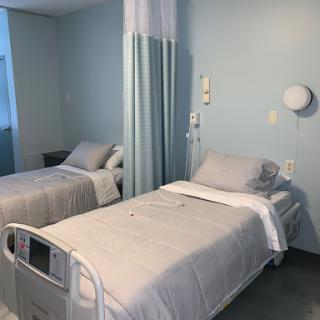
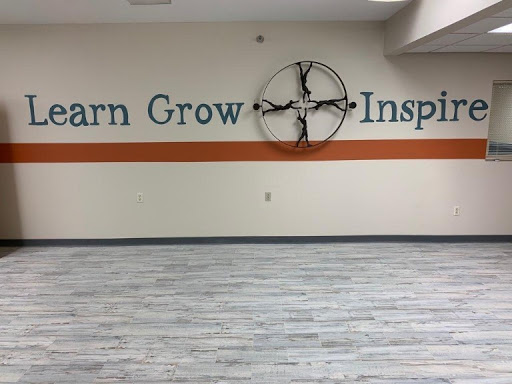
On the positive side, Tranquility’s clinical strengths are real for the right resident. The rehabilitation staff can deliver intensive therapy and specialized equipment for patients with severe cognitive or physical injuries, and the facility is described by some families as clean and well-equipped. In certain reviews, the therapy department is characterized as patient-focused, with therapists and nursing personnel providing prolonged, patient-centered attention. For families with a resident who requires ongoing rehab and airway management, these capabilities can translate into meaningful progress when care teams remain stable and responsive.
The downside, however, is not easy to overlook. Repeated, substantiated concerns center on neglect of basic needs, inconsistent monitoring, and poor communication that prevents timely changes to care plans. Bed sores, delayed suctioning for tracheostomy patients, and insufficient call-light response are recurrent themes in multiple accounts. Allegations of theft, food deprivation, and even hostile or negligent behavior by staff punctuate a pattern that raises serious safety flags. Court of public opinion aside, the sheer volume and gravity of complaints about management, staffing levels, and administrative responsiveness create an environment where risk to vulnerable residents feels unacceptably high.
Given these realities, the pros and cons do not neutralize; they collide in a way that pushes the decision one-way for most families. The strongest argument for staying is the potential for high-caliber, specialized rehab when everything works as it should and a family can secure persistent oversight. The strongest argument against is the persistent evidence of understaffing, communication breakdowns, and safety incidents that can derail recovery and escalate harm. Families should demand concrete, ongoing protections: a dedicated point person, daily progress updates, real-time access to medical notes, explicit escalation paths for concerns, and a written, enforceable care plan with measurable goals and guaranteed staffing coverage.
In practical terms, this facility requires a deliberate, high-contact decision-making process. Prospective residents should insist on a comprehensive pre-admission review focused on respiratory care needs, neurologic rehabilitation goals, and a realistic staffing plan for 24/7 coverage. Ask for a detailed daily schedule, explicit nurse-to-patient ratios, and a transparent incident log. Validate the presence of a stable leadership structure and require weekly family conferences. If these assurances cannot be secured, or if any persistent safety concerns surface during a trial period, alternatives with stronger safety records and steadier management should be pursued. This community is a high-stakes option best reserved for those with specialized needs and a family able to demand accountability at every turn.
 78 resident community capacity
 Skilled Nursing Facility
 Air-conditioning
 Beauty salon
 Cable or satellite TV
 Computer center
 Dining room
 Fitness room
 Fully furnished
 Gaming room
 Garden
 Housekeeping services
 Kitchenette
 Move-in coordination
 Outdoor space
 Private bathrooms
 Restaurant-style dining
 Small library
 Telephone
 Wellness center
 Wi-Fi/high-speed internet available
 Indianapolis International (11 miles away)
 Community operated transportation
 24-hour call system
 Activities of daily living assistance
 Assistance with bathing
 Assistance with dressing
 Assistance with transfers
 Diabetes diet
 Medication management
 Special dietary restrictions
 Concierge services
 Planned day trips


 Senior Move Management: Understanding the Role, Value, and Associated Costs
 Weight Training for Seniors: Building Strength and Vitality
 Understanding the Sandwich Generation: Stress and Responsibilities for Multigenerational Caregivers