For more information about senior living options: (866) 208-4318
3.3 from 119 reviews
5 stars
64
4 stars
4
3 stars
3
2 stars
5
1 stars
43
Overall Review of Bridgewater Healthcare Center
caveat10 reviews mention this
Skilled nursing support feels mixed
Residents and families report a wide range of day-to-day nursing experiences.
Some reviewers describe attentive nursing and therapists coordinating care, along with help managing daily needs. Other reviews raise serious concerns about response times, missed or delayed assistance, and communication gaps when help is needed. Medication and call-button responsiveness are recurring points that can affect daily comfort and safety. The same overall picture includes both clearly positive care stories and sharply negative ones, depending on the reviewer’s experience and timing.
differentiator14 reviews mention this
Therapy progress is frequently praised
Therapy teams are one of the most consistently praised parts of the stay.
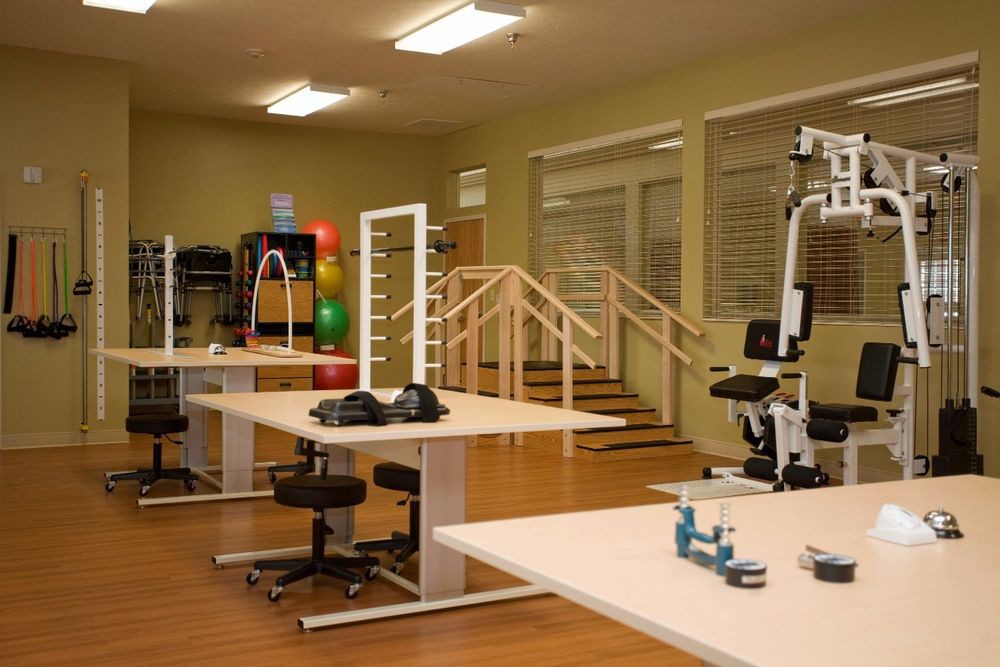
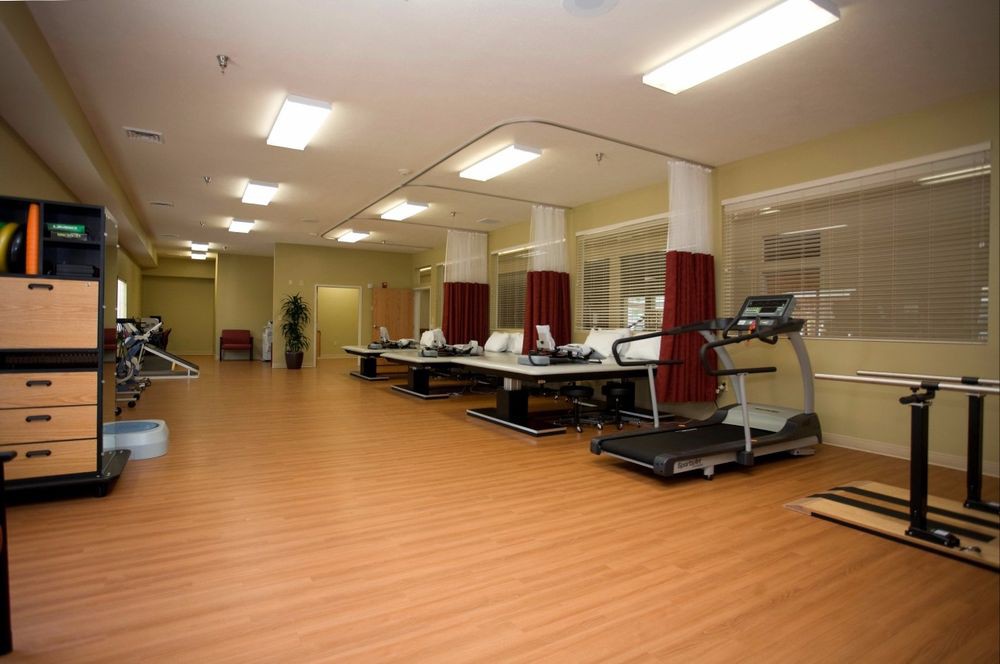
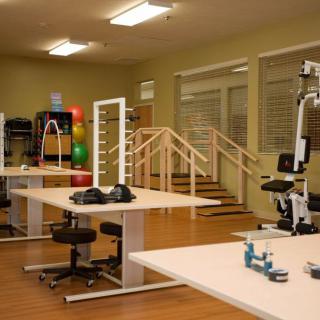
Many reviewers credit physical, occupational, and speech therapy with meaningful progress, better mobility, or improved swallowing and daily functioning. A number of families also mention therapists being encouraging and accessible during sessions. Even in reviews that are otherwise critical, therapy is often described as the stronger area. Across different stays and care situations, residents and families repeatedly come back to rehab therapy as a key reason people felt supported.
common18 reviews mention this
Staff kindness shows up repeatedly
Friendly, caring staff interactions are a common theme in reviews.
Across multiple reviews, families describe the staff as kind, patient, and responsive to emotional needs, not just medical tasks. Several reviewers highlight specific team members and say the facility felt supportive for both residents and visitors. Cleanliness and daily interactions are tied to these positive experiences, with some people describing the building as well kept and welcoming. While not every review is positive, the “caring staff” theme comes up often.
caveat9 reviews mention this
Call lights and timing disappoint
Some reviews describe slow or unreliable response to call lights.
A recurring complaint is delayed assistance after residents push call buttons, including waits for toileting, pain relief, or basic help. Several reviewers describe situations where they had to follow up repeatedly or call for emergency support. Some reviews also describe long gaps at night, when only one nurse was available in a unit. Even reviewers who are otherwise satisfied sometimes note that timing can break down.
caveat8 reviews mention this
Food quality divides families
Food reviews range from strong approval to frequent complaints.
Some reviewers say meals were good, that residents ate well, and that dietary needs were handled. Others describe food as unappetizing or cold, and some mention issues following strict diets. A few reviews tie food and meal service to wider concerns about attention to residents’ comfort. Dining appears to be an area where experiences can vary a lot from one stay to the next.
How we summarize
Counts show how many written reviews mention each theme; a review can touch several themes, and only frequently mentioned themes are displayed.
Features
Housing
120 resident community capacity
Types of Care
Skilled Nursing Facility
Amenities
Air-conditioning
Beauty salon
Cable or satellite TV
Computer center
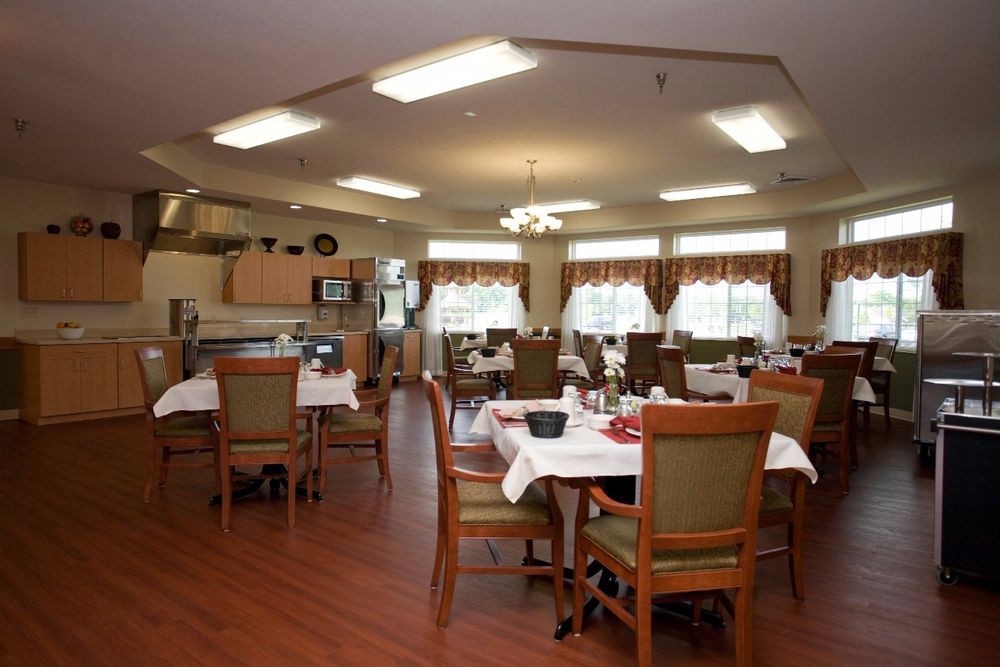
Dining room
Fitness room
Fully furnished
Gaming room
Garden
Housekeeping services
Kitchenette
Move-in coordination
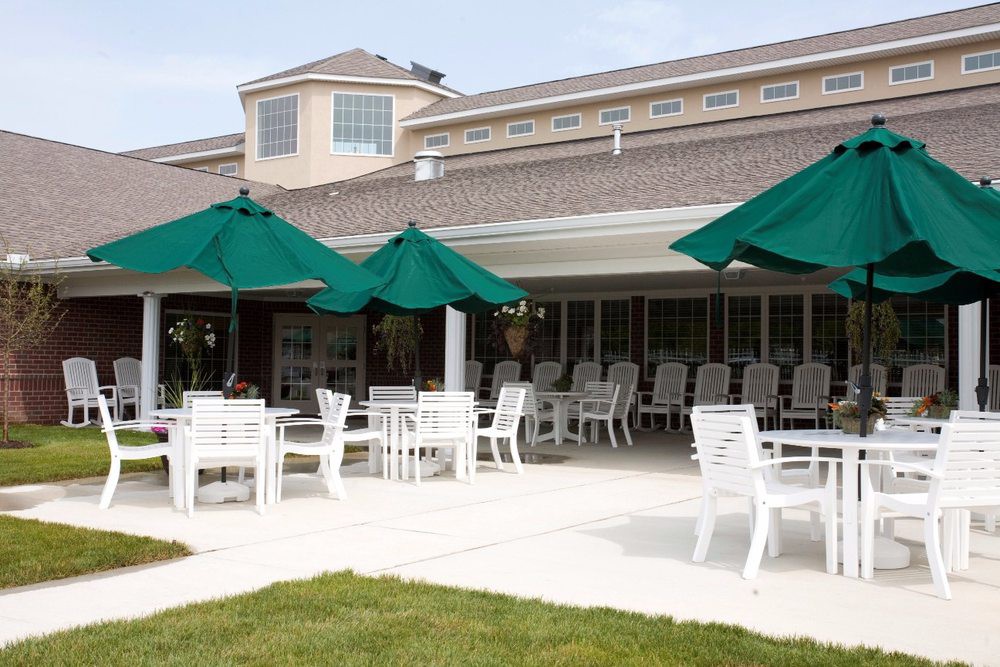
Outdoor space
Private bathrooms
Restaurant-style dining
Small library
Telephone
Wellness center
Wi-Fi/high-speed internet available
Transportation
Indianapolis International (22 miles away)
Community operated transportation
Transportation arrangement
Care Services
24-hour call system
24-hour supervision
Activities of daily living assistance
Assistance with bathing
Assistance with dressing
Assistance with transfers
Diabetes diet
Meal preparation and service
Medication management
Special dietary restrictions
Dining
Diabetes diet
Special dietary restrictions
Activities
Community-sponsored activities
Concierge services
Fitness programs
Planned day trips
Resident-run activities
Scheduled daily activities
Videos
Nearby Places of Interest
Restaurants
Chipotle Mexican Grill (0.7 miles)
Kona Grill (1.2 miles)
McDonald's (2.2 miles)
Union Brewing Company (2.5 miles)
Urban Vines (2.7 miles)
Bru Burger Bar (2.8 miles)
The Italian House on Park (2.9 miles)
Pharmacies
Walgreens (0.9 miles)
Indianapolis Stores (0.9 miles)
CVS Pharmacy (2 miles)
CVS Pharmacy (2.4 miles)
Meijer Pharmacy (3.2 miles)
CVS Pharmacy (3.2 miles)
CVS Pharmacy (3.4 miles)
Cafes
Panera Bread (0.9 miles)
Starbucks (4.6 miles)
Starbucks (6 miles)
Starbucks (6.1 miles)
Starbucks (6.4 miles)
Parks
Cool Creek Park & Nature Center (1.1 miles)
Meadowlark Park (2 miles)
Founders Park (3.5 miles)
Central Park Playground (4.1 miles)
Gray Road Park (4.2 miles)
Westfield Grand Park Sports Complex (4.7 miles)
Lakeside Park (5.3 miles)
Physicians
St Vincent Physician Network (1.2 miles)
Sumita Jain, MD - IU Health Physicians Primary Care (1.9 miles)
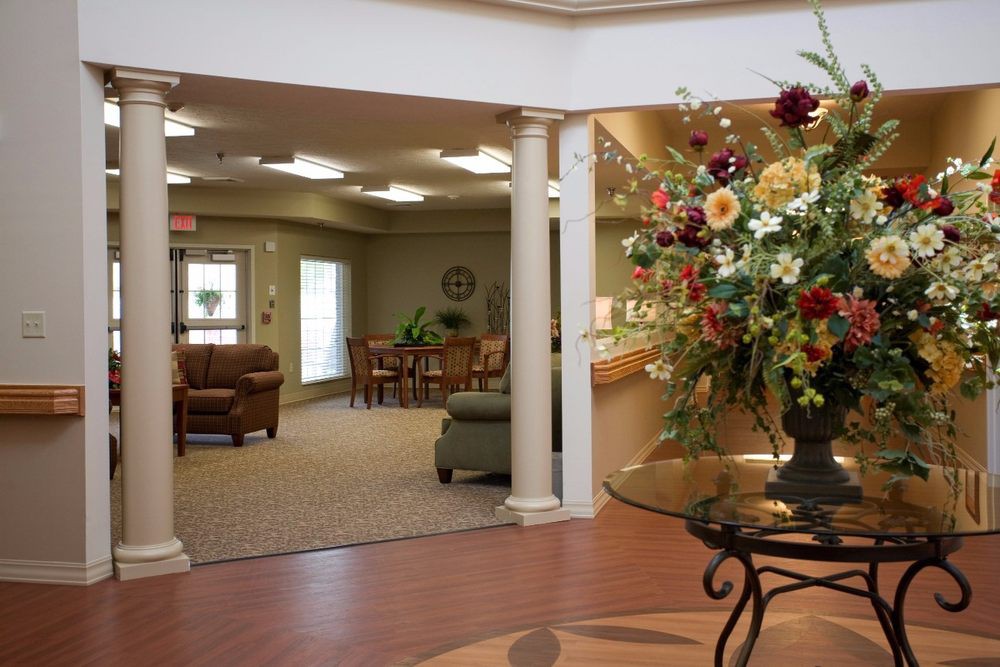
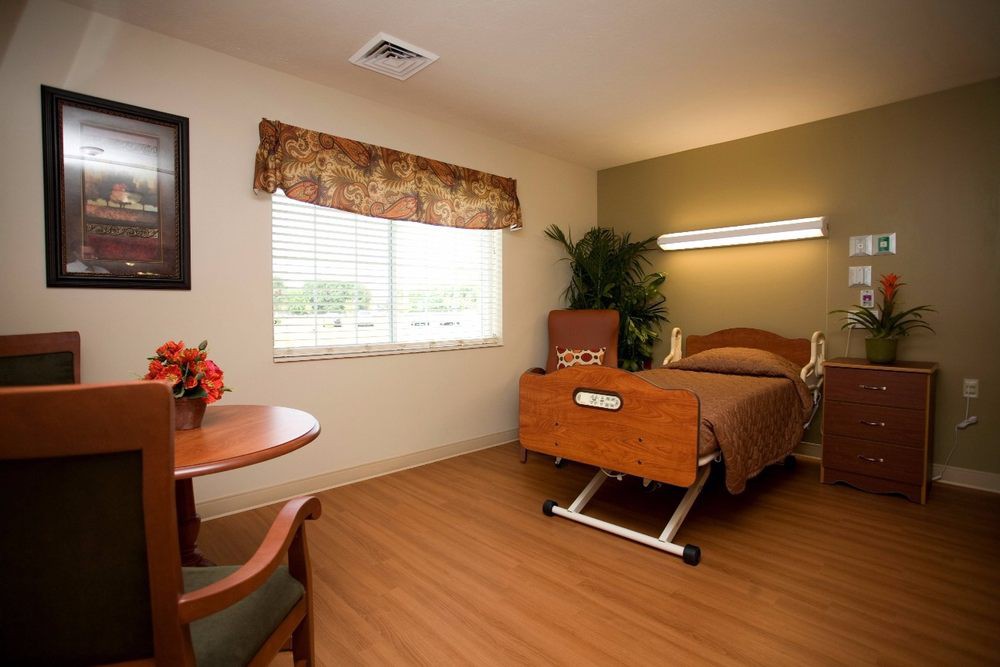
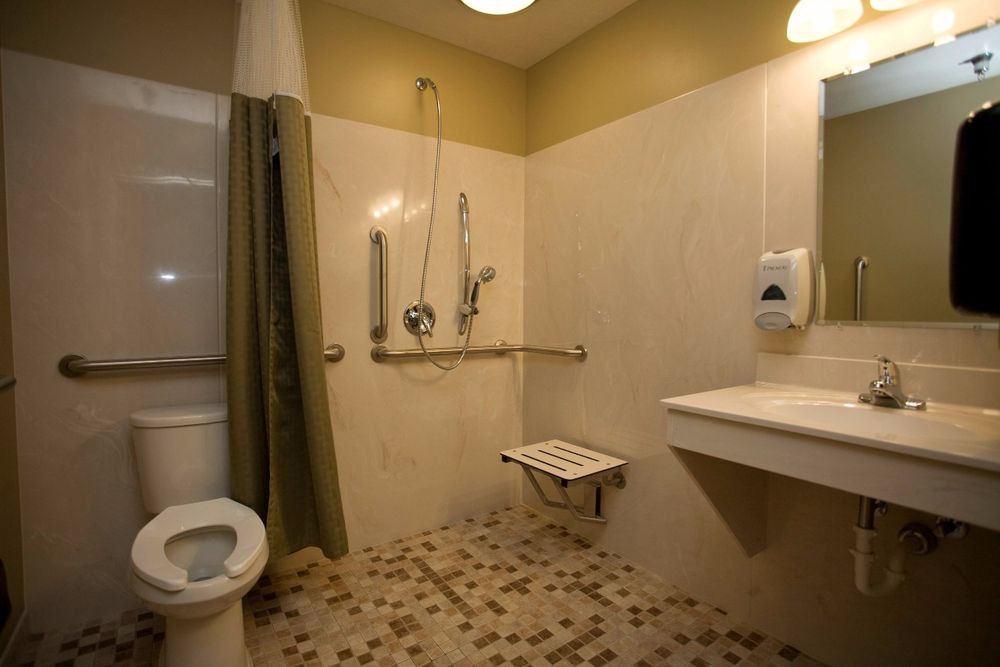
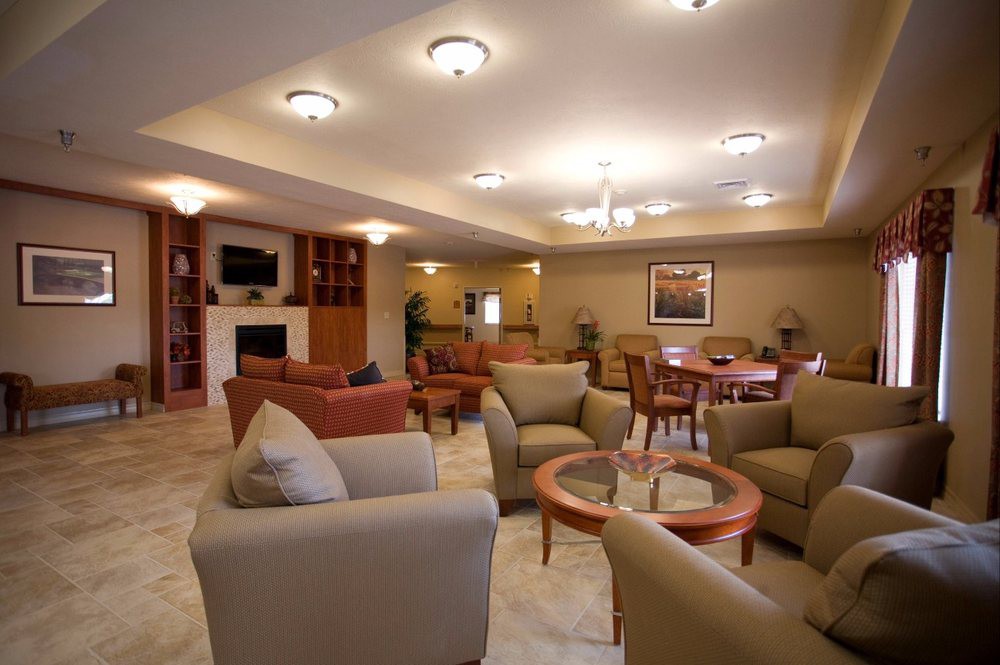
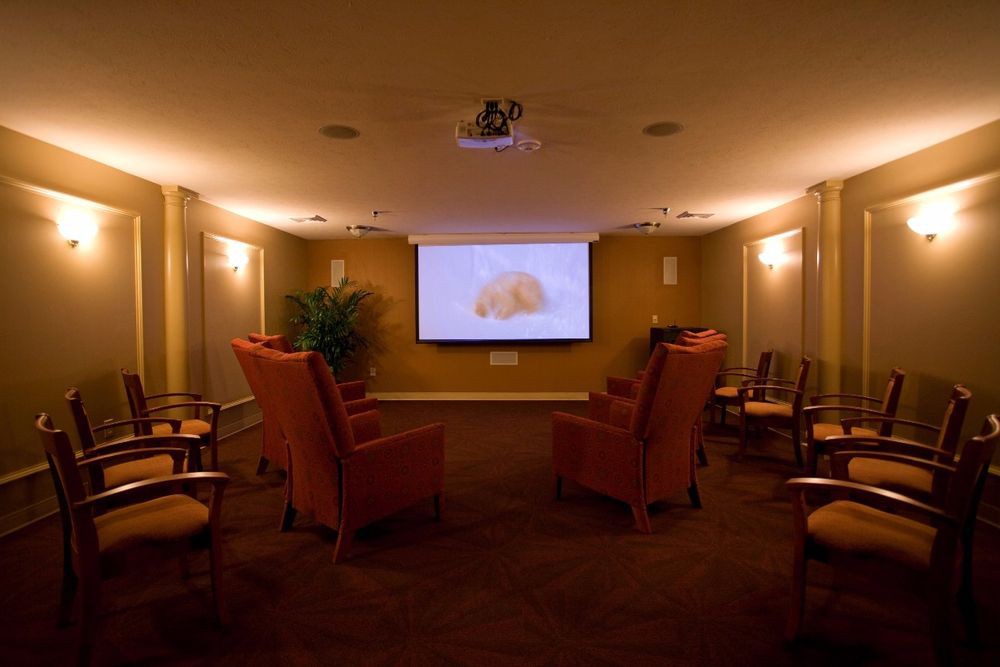
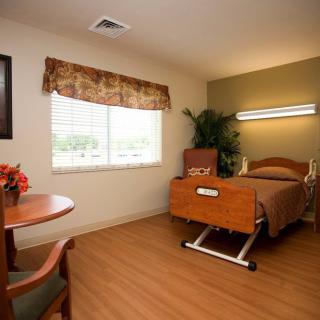
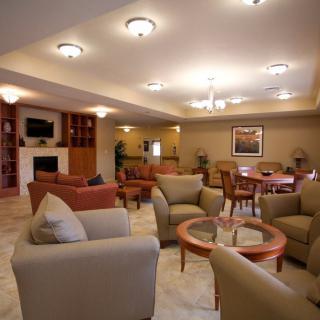
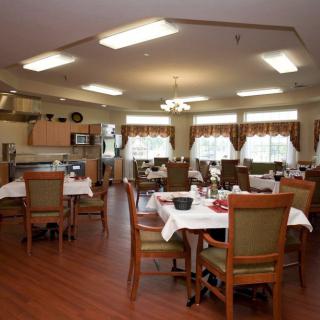
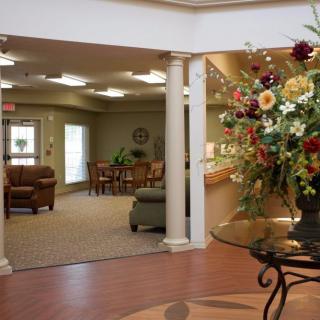
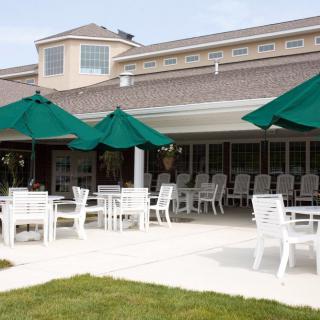
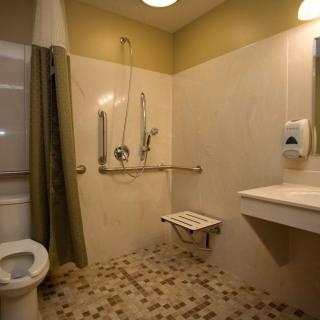
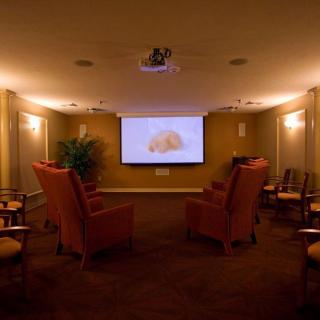
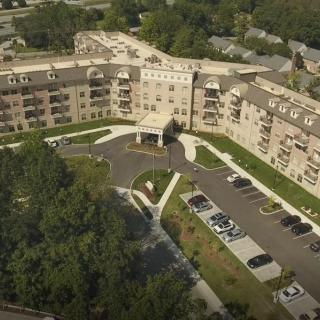
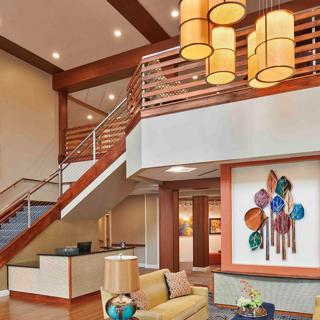
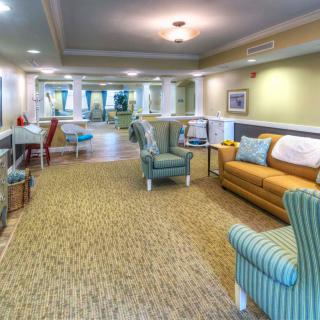
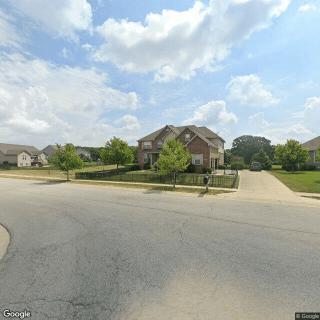
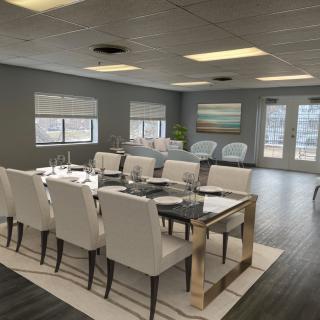
Bridgewater Healthcare Center on seniors.fyi includes 9 photos including images showing interior, decor, theater, bedroom, dining, bathroom, building exterior, living room, and more.
Nearby Communities
Magnolia Springs Bridgewater
Carmel, IN
4.8 from 161 reviews
$2,995 to $7,195 / month
Friendly staff; clean, vibrant community with ample activities and dining options.
The Bridgewater Apartments
Carmel, IN
4 from 88 reviews
Fully furnished apartments with 24/7 supervision, meals, and healthcare coordination.
Mcgivney Health Care Center
Carmel, IN
3.7 from 9 reviews
Dedicated staff with professional, accessible management and strong resident-focused care.
Homewatch CareGivers
Carmel, IN
4.8 from 30 reviews
Nearby amenities and healthcare options support convenient, social living.
Woodland Terrace of Carmel
Carmel, IN
4.3 from 58 reviews
$2,910 to $4,650 / month
Friendly, helpful staff; welcoming, hotel-like ambiance; strong dining and activity options; well-maintained facilities with dementia care expertise.
Woodland Terrace Carmel
Carmel, IN
4.3 from 46 reviews
Wide range of housing and care options with on-site amenities and transportation.
Independence Village Of Carmel
Carmel, IN
4.4 from 130 reviews
Friendly staff, engaging activities, and a clean, welcoming environment.
A Bed, Bath and Way Beyond
Noblesville, IN
4 from 100 reviews
$3,500 to $4,500 / month
On-site services (beautician, devotional), high-acuity and diabetic care, and meals provided.
Majestic Care of Carmel Assisted Living
Carmel, IN
4 from 11 reviews
$2,095 to $3,595 / month
Clean, spacious, and well-maintained with caring staff.
Elder law attorneys assist older adults and their families with legal matters such as estate planning, Medicaid eligibility, and guardianships, while also providing protection against elder abuse. They help navigate complex regulations to safeguard financial resources, ensure well-being, and maintain autonomy for seniors.
Caregiving for an aging parent entails emotional and financial responsibilities accompanied by significant tax implications, including potential benefits from claiming them as dependents and deductions for medical expenses and caregiving costs. Caregivers must understand eligibility requirements, maintain thorough documentation, and consider consulting a tax professional to navigate these complexities effectively.
Low-impact exercises are vital for seniors as they promote health, independence, and social interaction while reducing joint strain. These adaptable activities, guided by healthcare professionals, enhance strength, flexibility, and emotional well-being.
Bathroom, Shower, Grab Bars, and Accessible Bathroom
Seating Area and Lobby
Patio, Outdoor Seating, Umbrellas, and Building Exterior
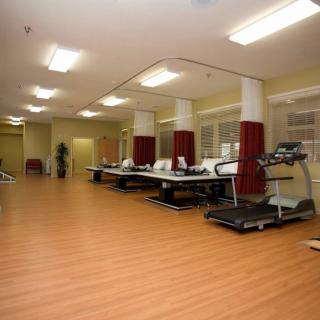
Exercise Equipment, Rehabilitation, Physical Therapy, and Therapy Room
Seating and Theater
Gym, Fitness, Exercise, and Treadmills
Get PricingAsk A QuestionSchedule A TourContact Senior Advisor
By clicking submit, you agree to our Partner's Terms of Use. You
also consent to receive calls and texts, which may be autodialed, from our Partner. Your consent is not a condition to
using our Partner's service. Please visit our Partner's Privacy Policy for information about their privacy practices.

 120 resident community capacity
 Skilled Nursing Facility
 Air-conditioning
 Beauty salon
 Cable or satellite TV
 Computer center
 Dining room
 Fitness room
 Fully furnished
 Gaming room
 Garden
 Housekeeping services
 Kitchenette
 Move-in coordination
 Outdoor space
 Private bathrooms
 Restaurant-style dining
 Small library
 Telephone
 Wellness center
 Wi-Fi/high-speed internet available
 Indianapolis International (22 miles away)
 Community operated transportation
 24-hour call system
 Activities of daily living assistance
 Assistance with bathing
 Assistance with dressing
 Assistance with transfers
 Diabetes diet
 Medication management
 Special dietary restrictions
 Concierge services
 Planned day trips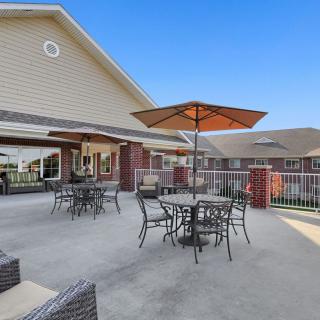
 Friendly staff; clean, vibrant community with ample activities and dining options.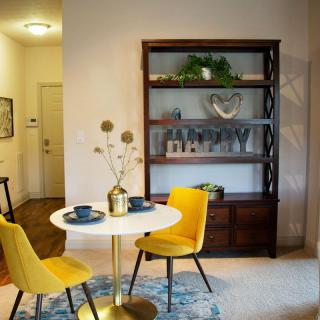
 6 Crucial Ways an Elder Law Attorney Assists Families
 Navigating the Tax Landscape of Caregiving: Credits, Deductions, and Beyond
 Highly Beneficial Low-Impact Exercises for Senior Living Residents