
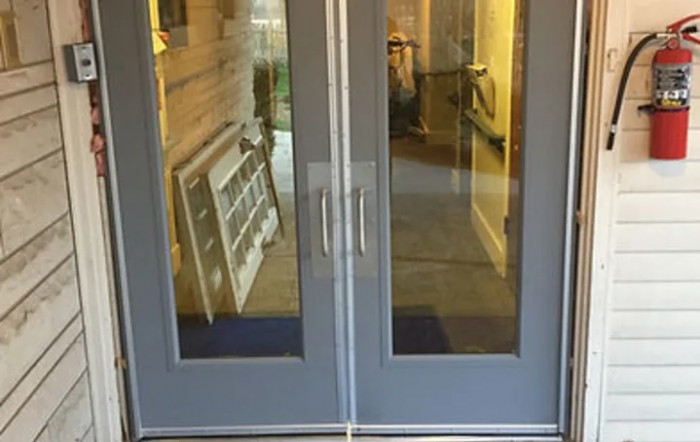
2907 East 136th Street, Carmel, IN 46033
For more information about senior living options: (866) 208-4318
Overall Review of Mcgivney Health Care Center
Pros
 This has been by far the best place he has been at.
- The facility accepts Medicaid.
- There is no better place for his father to be.
- All the staff are wonderful.
- The center's management is excellent, above reproach, and always available.
- All matters have been handled in a very professional way and in the best interest of the resident.
- The care and camaraderie at McGivney Health Care Center are excellent.
Cons
 Brittany has been very rude to all my family members and friends.
- She uses her hand to call the police and create additional drama.
- She twists the narrative to her liking to punish the family.
- The reviewer questions how the facility can allow someone to work there for so long.
- The family has been patiently waiting for her to leave, but she’s still there.
- Whenever complaints are made, social services are on her side and management never responds.
- If you want a place where you never see your loved one again, this is the place.
- The reviewer questions why Medicare has given this wonderful center such low marks.
Review
McGivney Health Care Center in Carmel, Indiana is best suited for families seeking steady, long‑term skilled nursing with a clear emphasis on dementia care, combined with the practicality of Medicaid acceptance. This community earns credibility from residents with advanced needs and from families who value management accessibility and staff continuity as a core part of daily care. For those prioritizing reliable daily routines, medical oversight, and a facility that presents a straightforward path for care planning, McGivney offers a pragmatic option rather than a cosmetic or transitional setting.
Those who should consider alternatives are clear: if ongoing, highly responsive family communication is nonnegotiable, or if a calm, consistently trauma-free environment is essential, other communities may deliver with less friction. A few families report strains when interactions with a particular staff member become charged and when complaints don’t elicit timely, visible follow-through from administration. For families that require airtight conflict resolution and a consistently collaborative culture between staff and loved ones, exploring other options may prevent repeated stress during difficult care moments.
The senior community’s strongest selling points lie in dementia-capable care and the ability to access Medicaid without gatekeeping barriers. Positive experiences from multiple families describe the facility as a strong fit for residents with seven‑stage dementia, with staff who are dedicated and whom several accounts portray as approachable and compassionate. Additionally, the leadership is repeatedly characterized as professional and available, with matters addressed in a straightforward, resident-centered manner. When these conditions align, the overall care experience feels cohesive and dependable.
Across the favorable accounts, the human elements of care surface as decisive: staff members are frequently praised for their warmth and reliable presence, and management is depicted as above reproach and consistently reachable for discussions about resident needs. That combination translates into a palpable sense of camaraderie and steady caregiving, which can be critical for families entrusting a loved one to a facility for the long haul. In practice, families emphasize that care protocols are executed with thoughtfulness, and that the atmosphere supports both residents’ dignity and families’ peace of mind.
However, a notable negative thread cannot be ignored. One family recounts persistent conflict around interactions with a named staff member, alleging rude conduct and a perception that complaints are not given due attention by administration. The same account casts doubt on how complaints are handled, suggesting that social services may appear to side with staff rather than families. While these portrayals are not universal, they signal real risk: when administrative responsiveness falters or emotional safety is compromised for families, the overall experience can degrade despite strong clinical care. This is a meaningful caveat for decision-makers to weigh against the center’s proven strengths.
The practical takeaway is clear. If dementia care depth and Medicaid access are the primary criteria, McGivney can be a solid, capable choice with a track record of professional management and caring staff. Yet, families with a low tolerance for potential communication friction or for episodes where complaints feel unsettled should perform diligent due diligence: tour the facility with an eye for how concerns are handled, request to speak with current residents’ families, and probe management on escalation procedures. In the end, a decision should hinge on whether the facility’s care core, stability, attentiveness, and competent dementia management, meets the family’s thresholds for interaction quality and administrative responsiveness.
 37 resident community capacity
 Skilled Nursing Facility
 Beauty salon
 Cable or satellite TV
 Dining room
 Fully furnished
 Garden
 Housekeeping services
 Kitchenette
 Move-in coordination
 Outdoor space
 Telephone
 Wi-Fi/high-speed internet available
 Indianapolis International (21 miles away)
 24-hour call system
 Activities of daily living assistance
 Assistance with bathing
 Assistance with dressing
 Assistance with transfers
 Diabetes diet
 Meal preparation and service
 Medication management
 Mental wellness program
 Special dietary restrictions





 Comprehensive Exploration of Living Wills and Other Advance Directives
 A Detailed Exploration of Living Wills and Advance Directives
 Comprehensive Guide to Medicare Coverage for Hospice Care