Residents and families most consistently mention caring, friendly staff in day-to-day interactions.
Across the reviews, residents and families describe a staff that feels kind, attentive, and supportive, with an emphasis on safety and cleanliness. Multiple reviewers highlight helpful caregiving and responsive service, including reassurance from aides and care teams. A smaller set of residents describe the opposite experience—rude treatment, difficulty getting timely help, and concerns raised about theft or cut staffing after ownership changes.
common10 reviews mention this
Dining is a mixed experience
Food and mealtimes are a frequent topic, praised as good and criticized as limited.
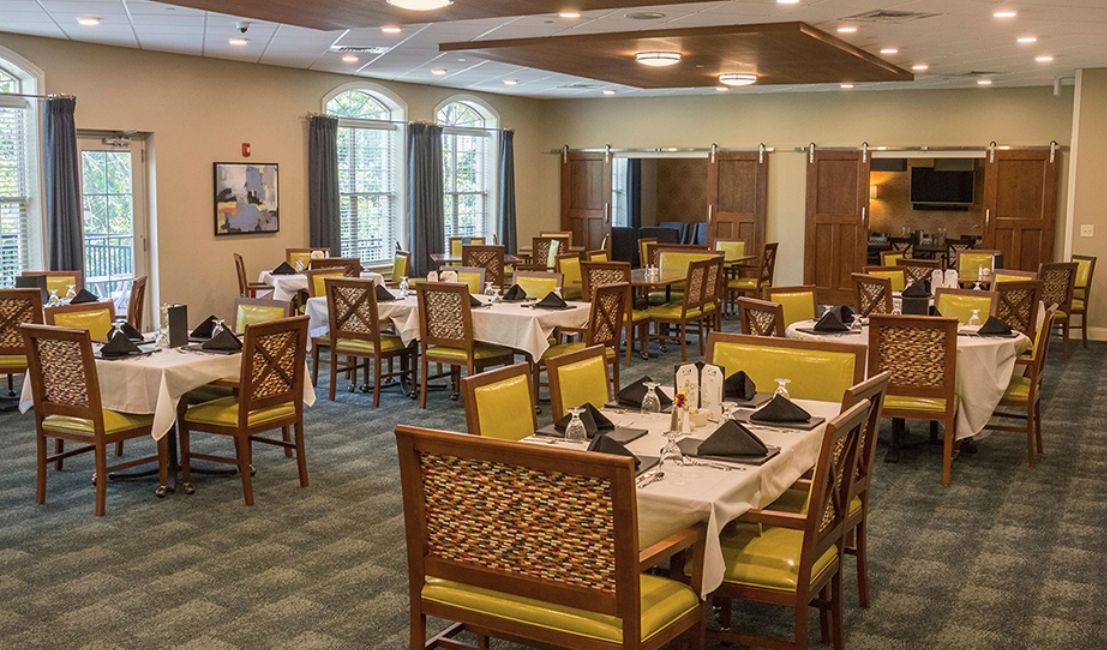
Several reviews praise meals as great or a highlight, including variety and dining availability throughout the day. Others describe problems such as small portions, food quality decline, and restrictions that leave residents hungry. A few reviewers also mention that meals can be a letdown during visits or include uncertainty about whether meals are included in what families pay.
differentiator2 reviews mention this
Memory care supervision and security
Memory care reviews describe a focus on monitoring, but others report gaps in care at decline.
One reviewer describes memory care as closely monitored, citing secure entry, remote monitoring cameras, and 24/7 supervision with quick incident response. Another reviewer, describing a loved one’s decline soon after move-in, says they did not feel the setting met dementia care needs and reports medication and training concerns. Together, the reviews point to strong supervision in some experiences, alongside serious concerns about how care is handled when symptoms worsen.
caveat5 reviews mention this
Premium pricing draws complaints
Some families feel the pricing is too high for what is included and delivered.
Several reviews call out premium costs, with complaints that meals may not be included and that portions or service levels do not match what residents are paying for. Other reviewers echo the theme that the facility’s value has declined over time, including reduced restaurant and transportation hours. Even among more neutral comments, one review notes the community felt pricey compared with expectations.
caveat4 reviews mention this
Service changes after new ownership
Multiple recent reviews say service quality has declined under new ownership.
Some reviews specifically attribute worse experiences to new owners, saying services were reduced and staffing cut back. Families also describe tighter restrictions, including reduced bus travel, and mention concerns about care availability. At least one reviewer advises not to rely on older reviews and suggests talking with current residents before deciding.
How we summarize
Counts show how many written reviews mention each theme; a review can touch several themes, and only frequently mentioned themes are displayed.
Woodland Terrace Carmel's 24-hour supervision ensures residents receive constant support, fostering a safe environment crucial for individuals with dementia or Alzheimer's disease. The assistance with activities of daily living--such as bathing, dressing, and transfers--promotes independence while prioritizing dignity and comfort. Coordinating care with health care providers streamlines medical attention tailored to each resident's unique needs, while the dementia waiver allows for personalized programming designed specifically for those affected by cognitive impairments. Meal preparation and service cater to nutritional requirements, enhancing physical well-being, and medication management helps to maintain proper health regimens. Engaging in a mental wellness program along with specialized memory care programming provides cognitive stimulation essential for improving quality of life. Additionally, arrangements for medical transportation ensure that residents can attend necessary appointments without stress or disruption, all contributing to a comprehensive approach to memory care that addresses both physical and emotional needs.
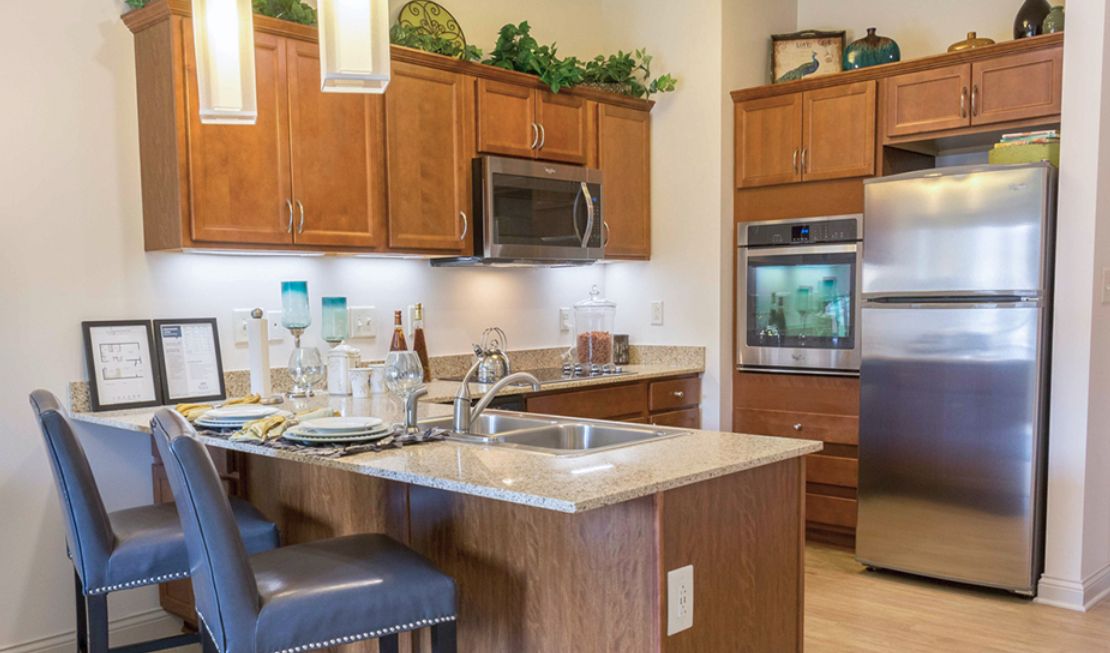
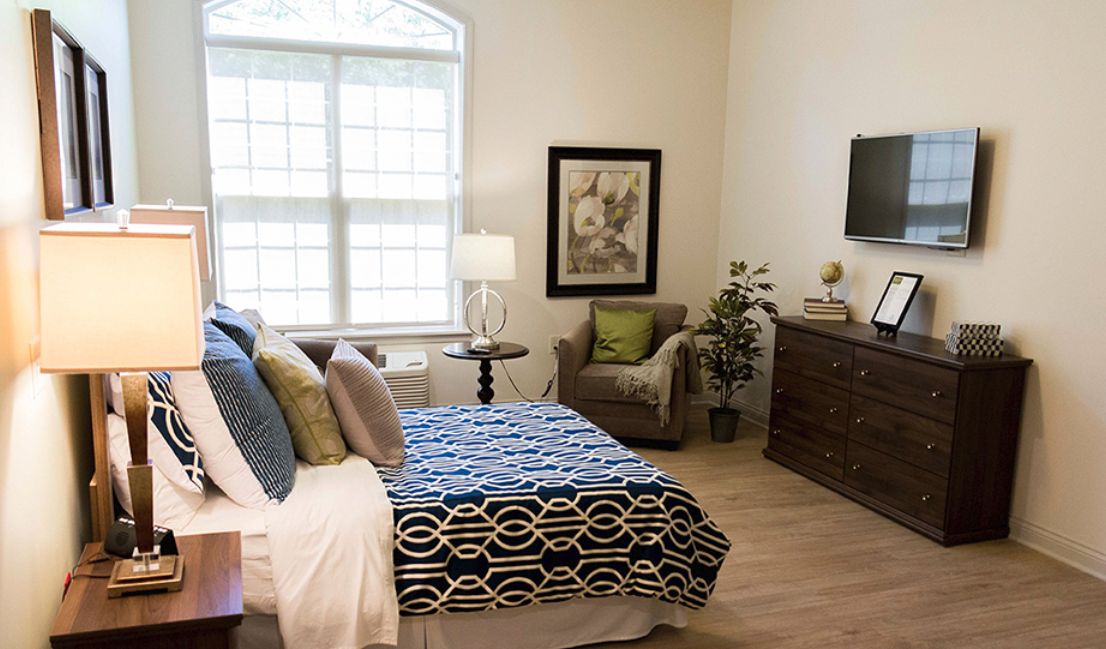
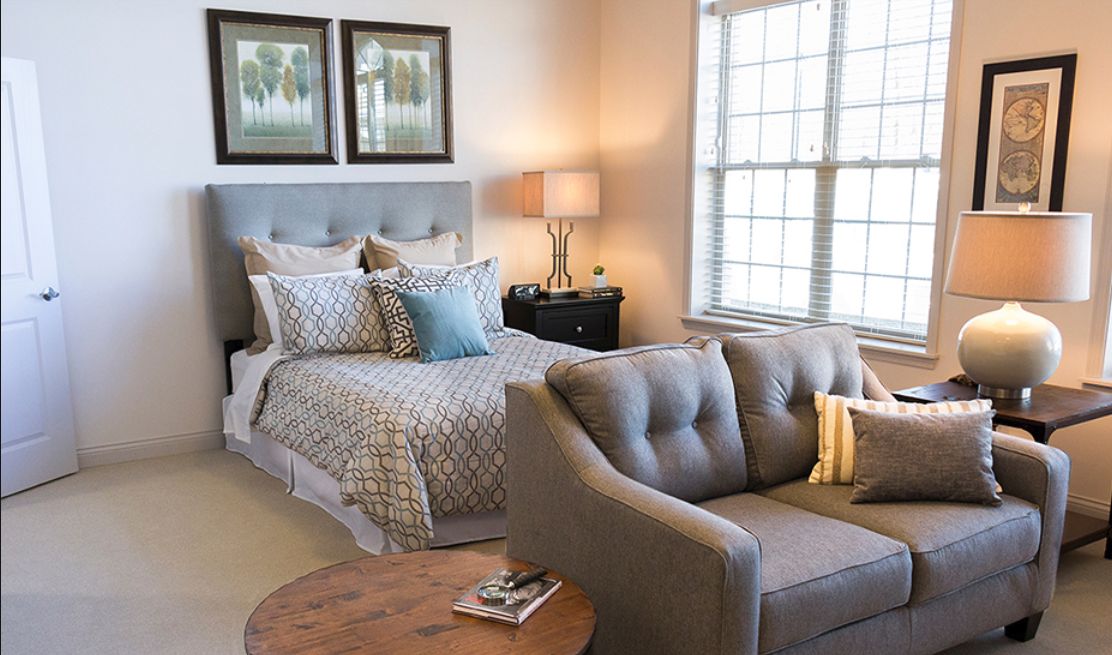
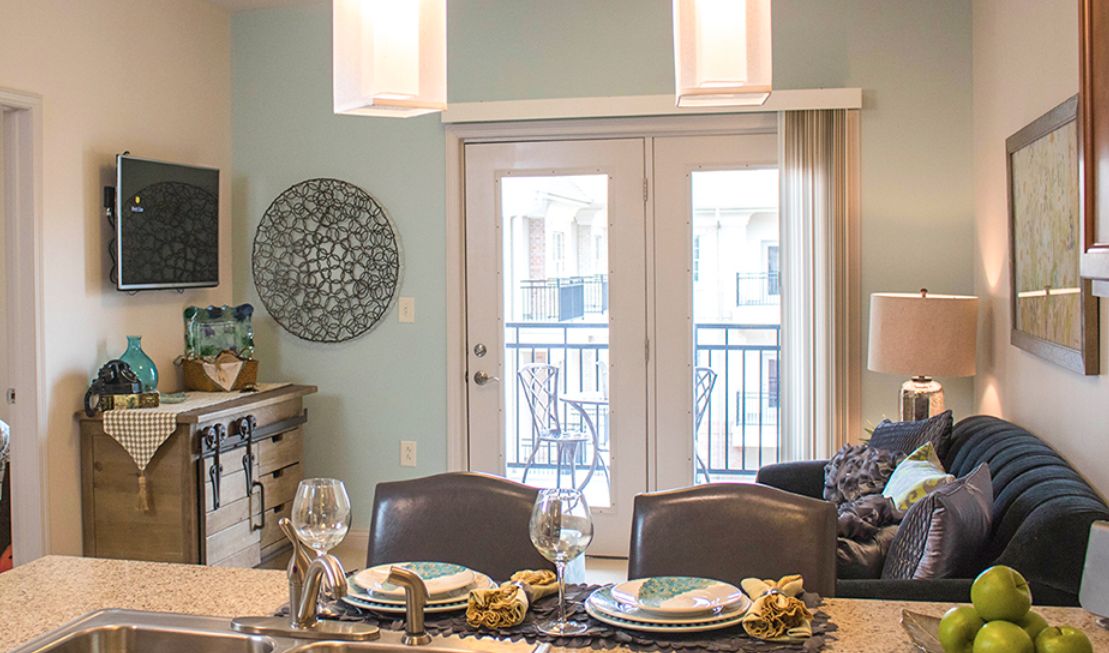
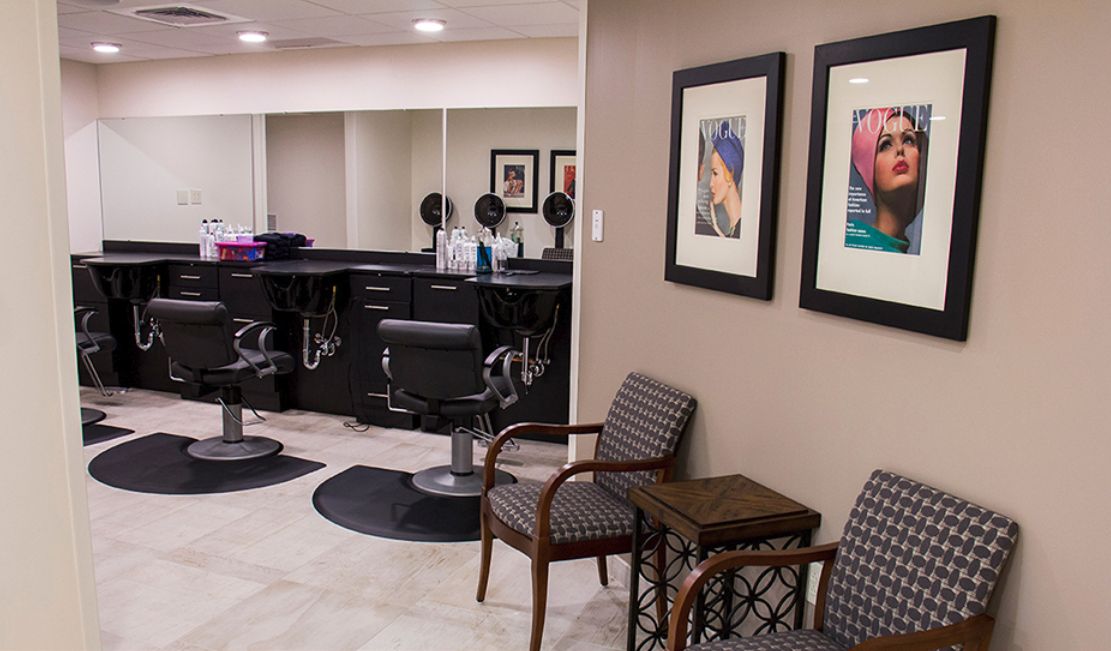
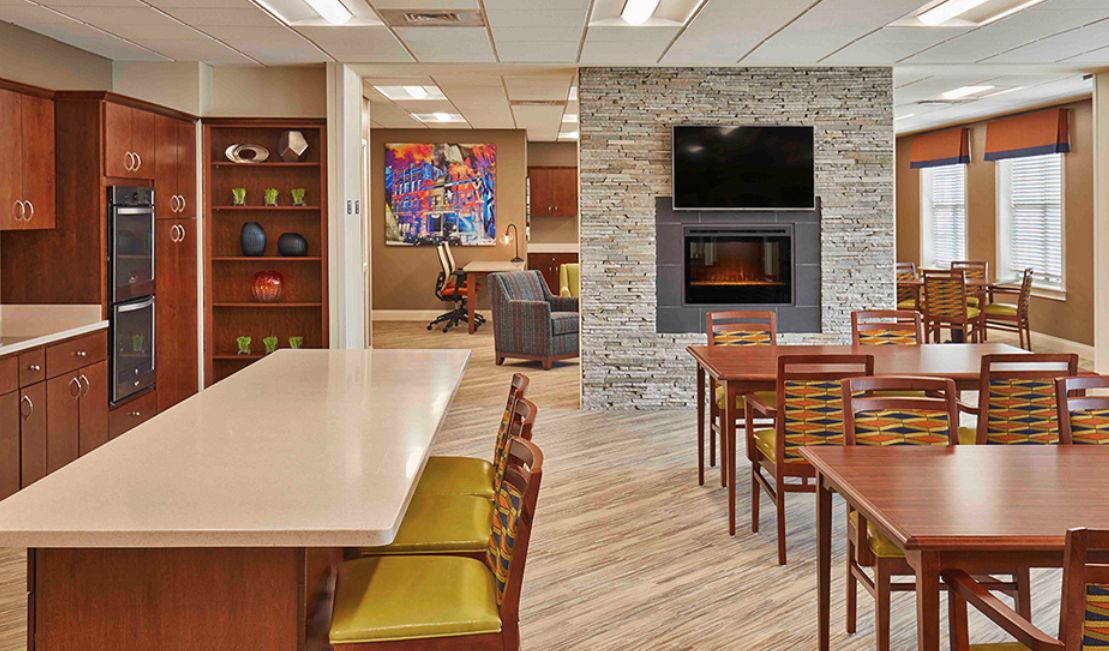
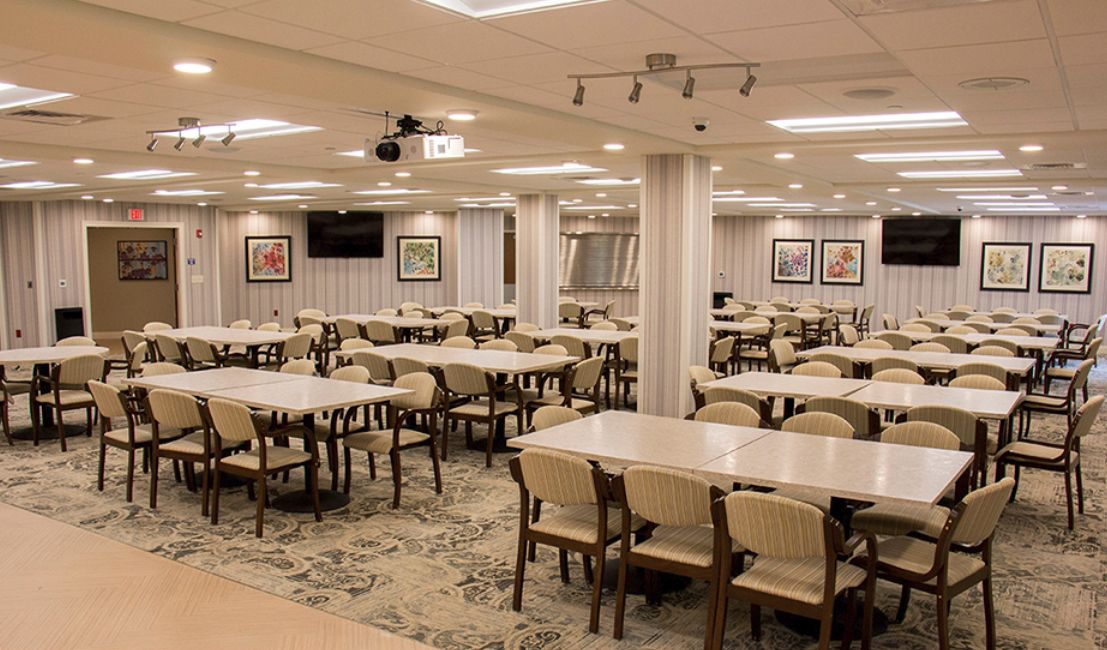
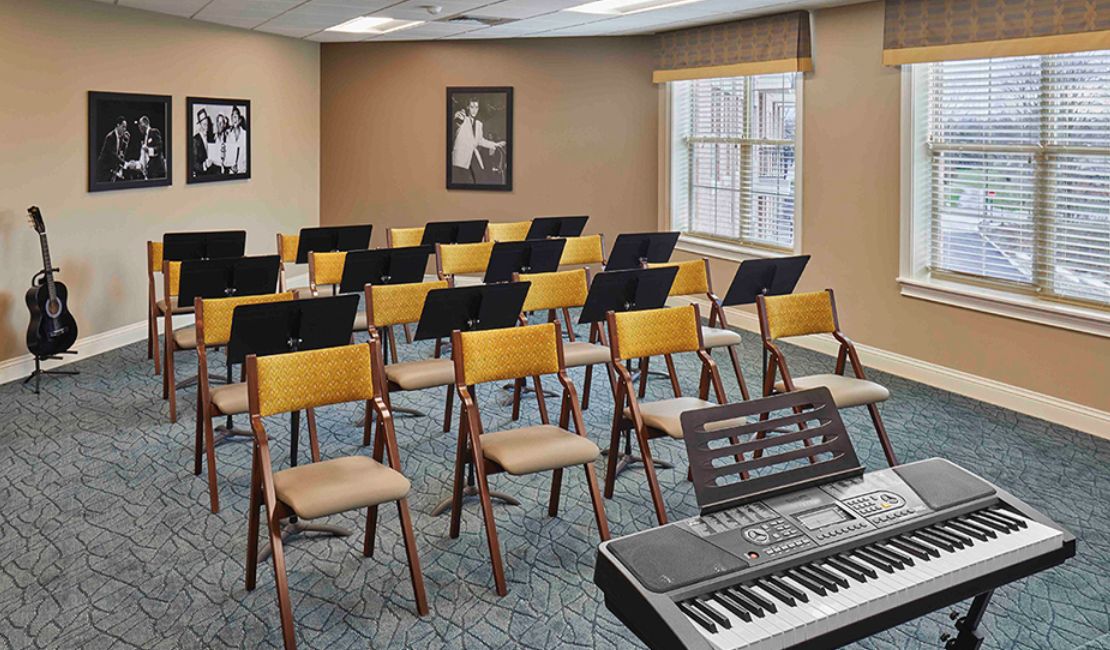
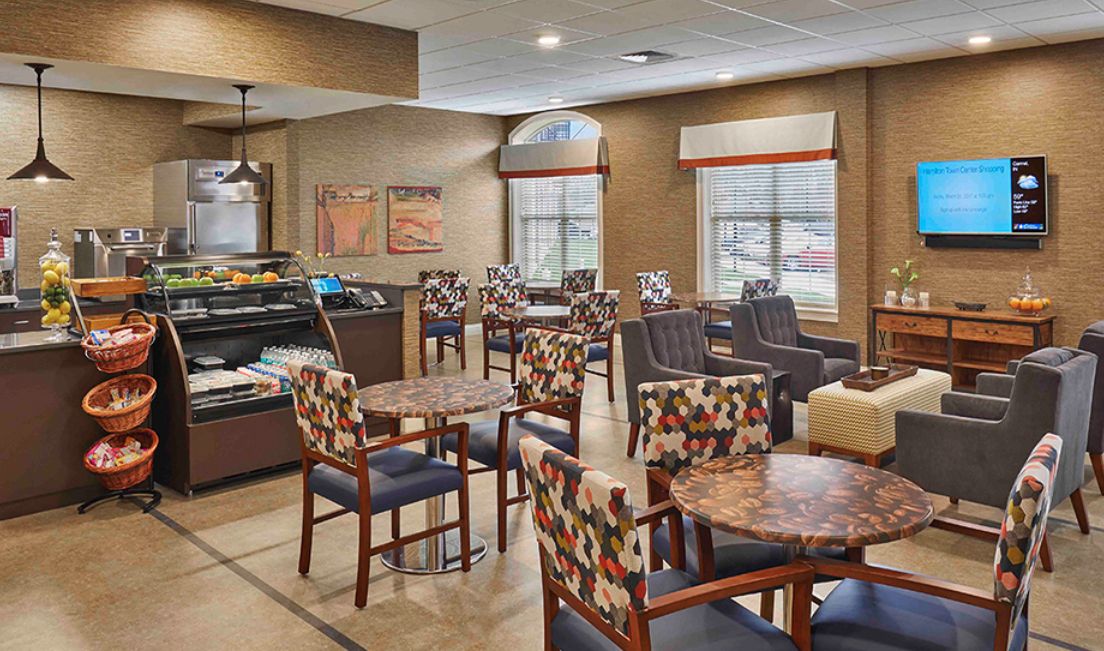
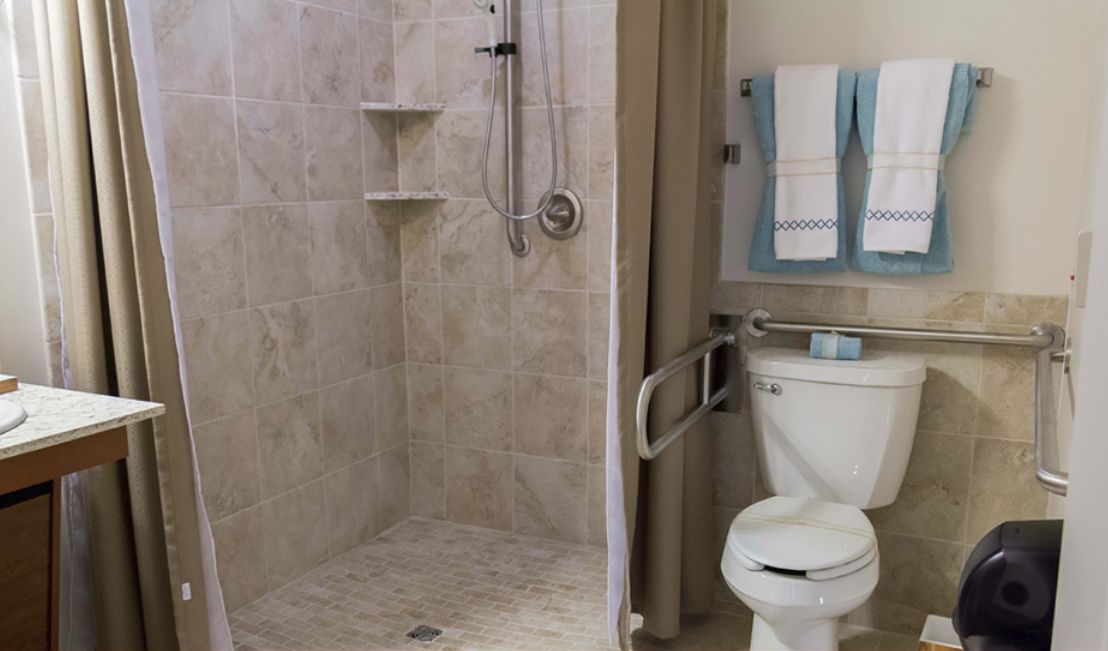
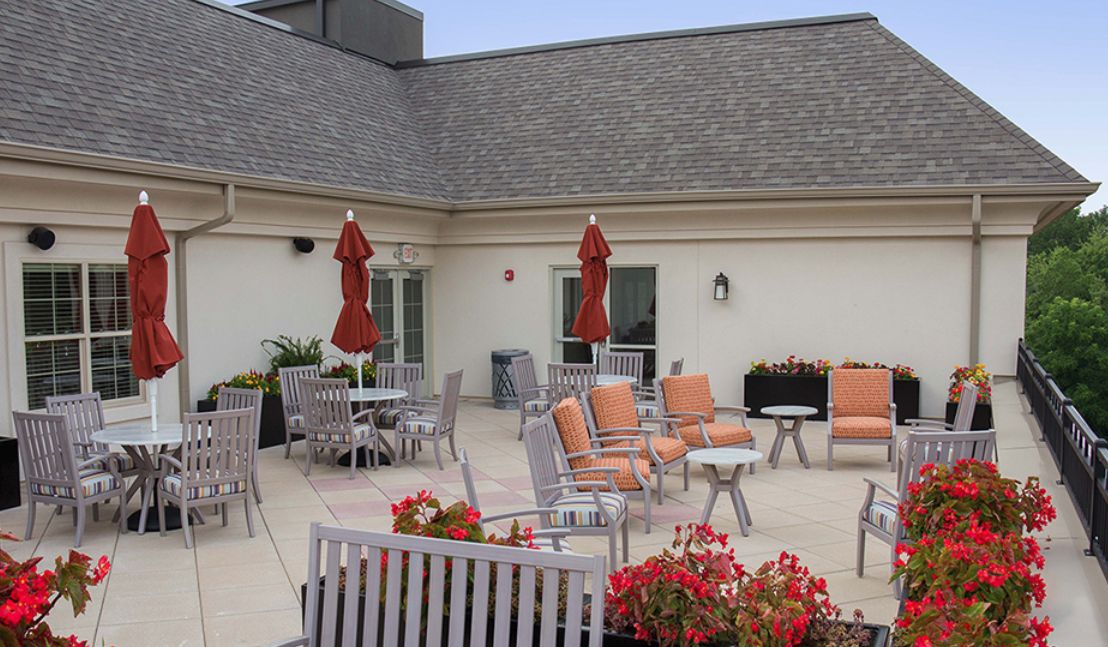
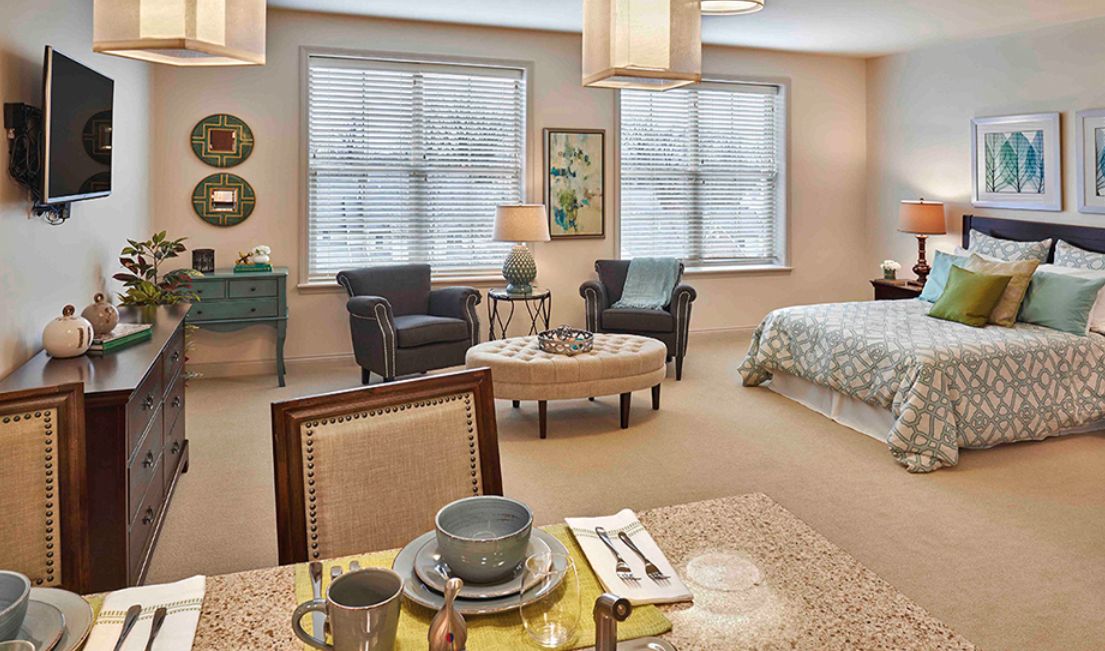
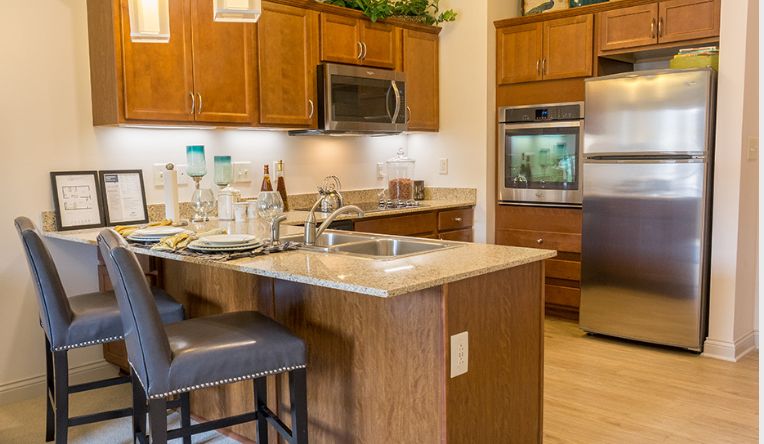
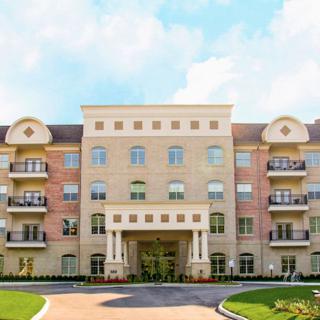
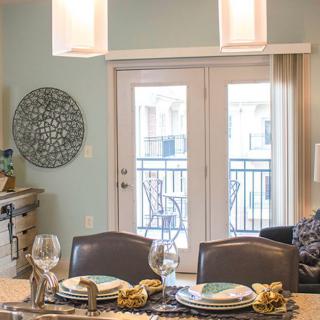
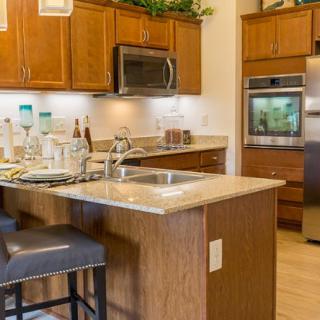
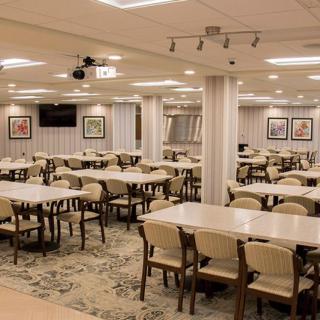
Woodland Terrace Carmel on seniors.fyi includes 23 photos including images showing interior, dining, bedroom, decor, cabinets, windows, kitchen, lounge, and more.
Nearby Communities
Woodland Terrace of Carmel
Carmel, IN
4.3 from 58 reviews
$2,910 to $4,650 / month
Friendly, helpful staff; welcoming, hotel-like ambiance; strong dining and activity options; well-maintained facilities with dementia care expertise.
RoseWalk on Main
Carmel, IN
$549 to $814 / month
Affordable pricing with extensive nearby amenities
Independence Village Of Carmel
Carmel, IN
4.4 from 130 reviews
Friendly staff, engaging activities, and a clean, welcoming environment.
Homewatch CareGivers
Carmel, IN
4.8 from 30 reviews
Nearby amenities and healthcare options support convenient, social living.
Rose Senior Living Carmel
Carmel, IN
4.9 from 56 reviews
24/7 supervision and memory-care programming with restaurant-style dining.
The Cottages at Carmel
Carmel, IN
5 from 5 reviews
Small, intimate setting with personalized care and dietary accommodations.
Majestic Care of Carmel Assisted Living
Carmel, IN
4 from 11 reviews
$2,095 to $3,595 / month
Clean, spacious, and well-maintained with caring staff.
Sunrise on Old Meridian
Carmel, IN
4.4 from 106 reviews
$1,840 to $5,130 / month
Compassionate staff and a warm, engaging environment with convenient transportation.
Rose Senior Living at Carmel
Carmel, IN
4.8 from 102 reviews
$2,810 to $5,300 / month
Friendly, attentive staff in a modern, well-maintained setting with engaging activities.
Medicaid waivers for assisted living services provide vital support for seniors and individuals with disabilities in need of long-term care, with varying state-specific eligibility criteria and benefits. These waivers cover personal care and case management but often do not fully cover room and board, leading to waiting lists for many applicants.
The article compares assisted living and skilled nursing facilities, detailing their differing levels of assistance, medical support, cost structures, and day-to-day experiences. It emphasizes that assisted living is for those needing help with daily activities while maintaining independence, whereas skilled nursing facilities provide intensive medical care with 24-hour staff supervision.
Vibrant Senior Living emphasizes active senior living communities that promote independence and engagement through diverse amenities and activities, fostering wellness and social interaction among older adults. These communities range from independent to assisted living, with a focus on personal growth, family involvement, financial planning, and leveraging technology to enhance residents' experiences.
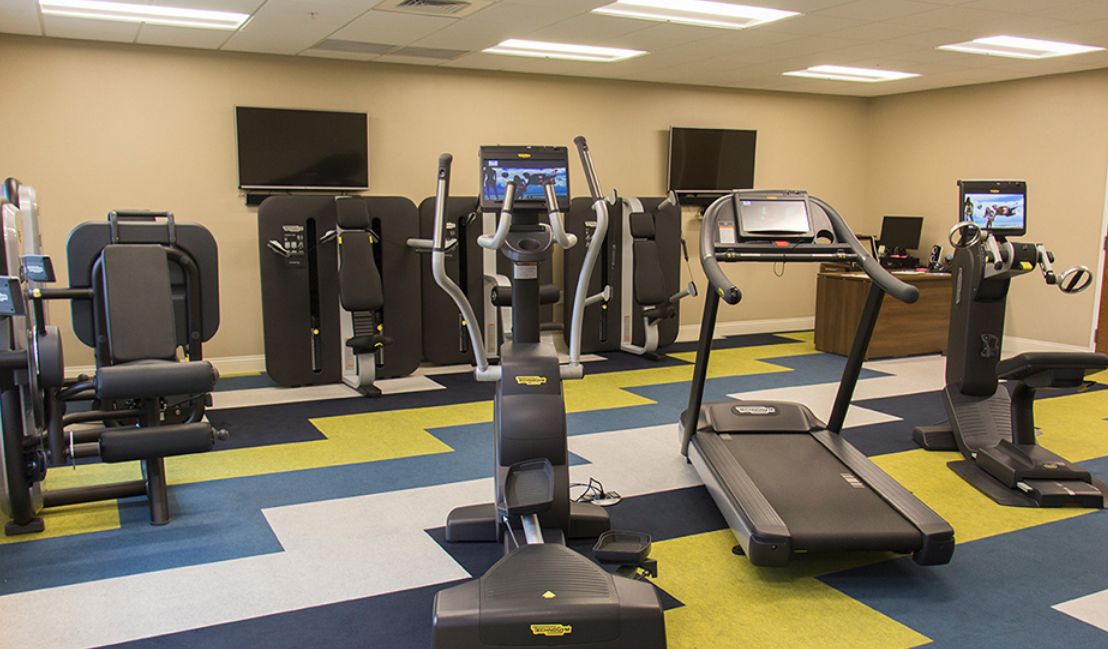
Exercise Equipment, Gym, Treadmill, Fitness Center, and Workout Space
Salon, Wall Art, and Mirrors
Appliances
Seating
Cabinets
Plant
Lights and Bar
Open Space
Oven
Lighting Fixtures
Place Settings
Get PricingAsk A QuestionSchedule A TourContact Senior Advisor
By clicking submit, you agree to our Partner's Terms of Use. You
also consent to receive calls and texts, which may be autodialed, from our Partner. Your consent is not a condition to
using our Partner's service. Please visit our Partner's Privacy Policy for information about their privacy practices.















 179 resident community capacity
 1-bedroom apartments
 Assisted Living
 Independent Living
 Memory Care
 Respite Care
 Skilled Nursing Facility
 Air-conditioning
 Beautician on-site
 Cable or satellite TV
 Computer center
 Dining room
 Fitness room
 Full kitchen
 Fully furnished
 Gaming room
 Garden
 Housekeeping services
 Laundry
 Move-in coordination
 Outdoor space
 Private bathrooms
 Restaurant-style dining
 Small library
 Telephone
 VA Benefits Consultation
 Wellness center
 Wi-Fi/high-speed internet available
 Indianapolis International (20 miles away)
 Community operated transportation
 12-16 hour nursing
 24-hour call system
 Activities of daily living assistance
 Assistance with bathing
 Assistance with dressing
 Assistance with transfers
 Diabetes diet
 Hospice care
 Medication management
 Mental wellness program
 Physical therapy
 Special dietary restrictions
 Transportation arrangement (medical)
 Concierge services
 Planned day trips
 Religious services
 English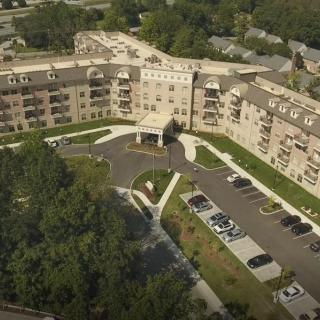
 Friendly, helpful staff; welcoming, hotel-like ambiance; strong dining and activity options; well-maintained facilities with dementia care expertise.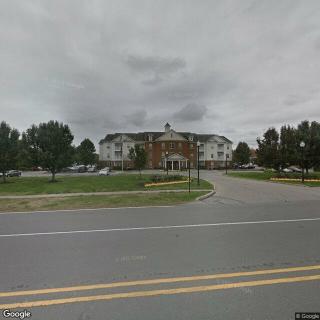




 A Detailed Exploration of Assisted Living Medicaid Waivers Across the United States
 Exploring the Contrasts Between Assisted Living and Skilled Nursing
 Vibrant Senior Living: A Comprehensive Guide for Active Older Adults