For more information about senior living options: (866) 208-4318
3.9 from 84 reviews
5 stars
54
4 stars
8
3 stars
0
2 stars
2
1 stars
20
Overall Review of Aperion Care Wilmington
differentiator3 reviews mention this
Dementia-focused outdoor spaces
Residents describe dementia units with secured outdoor time.
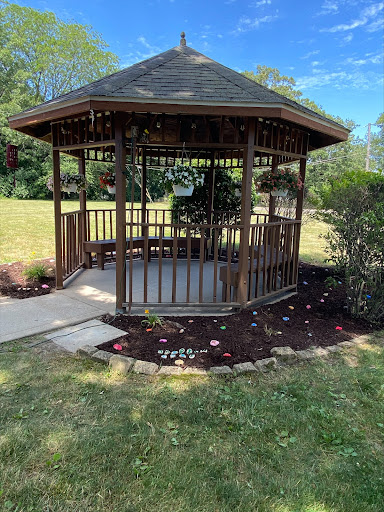
Several reviews mention dementia care with an emphasis on outdoor time that feels safer. Residents describe a secured garden arrangement for dementia patients, and another reviewer also notes a garden area for time outside. One review specifically references time on a dementia unit and says the facility provided good care during that stay.
caveat7 reviews mention this
Cleanliness is mixed
Cleanliness reviews range from very clean to filthy and foul-smelling.
Some reviewers praise the facility as clean and inviting, including comments about clean rooms and a well-kept environment. Other reviews are sharply negative, citing unpleasant smells, dirty and cluttered rooms, and even a cockroach problem. A few reviewers also mention extreme cleanliness positively while contrasting it with what they describe as better treatment and respect for residents.
caveat3 reviews mention this
Phone access frustrates families
Families describe barriers to reaching residents by phone.
Multiple reviews describe limited phone access for residents, including that residents did not have a phone in their room. Reviewers also report difficulty contacting the nursing station and waiting on calls back, especially during lockdown periods. One reviewer ties the communication problem to feeling unable to say goodbye and questions responsiveness when information is requested.
common3 reviews mention this
Activities are sometimes praised
Residents are described as having scheduled activities.
Some reviewers say there are always activities planned and describe them as engaging and enjoyable. A positive review also mentions staff joining in and suggests a lively day-to-day feel through planned events. At the same time, one review complains that there are not many activities offered, indicating the experience may vary.
How we summarize
Counts show how many written reviews mention each theme; a review can touch several themes, and only frequently mentioned themes are displayed.
Features
Housing
171 resident community capacity
Types of Care
Skilled Nursing Facility
Amenities
Air-conditioning
Beauty salon
Cable or satellite TV
Computer center
Dining room
Fitness room
Fully furnished
Gaming room
Garden
Housekeeping services
Kitchenette
Move-in coordination
Outdoor space
Private bathrooms
Restaurant-style dining
Small library
Telephone
Wellness center
Wi-Fi/high-speed internet available
Transportation
Community operated transportation
Transportation arrangement
Transportation arrangement (non-medical)
Transportation to doctors appointments
Care Services
12-16 hour nursing
24-hour call system
24-hour supervision
Activities of daily living assistance
Assistance with bathing
Assistance with dressing
Assistance with transfers
Diabetes diet
Meal preparation and service
Medication management
Mental wellness program
Special dietary restrictions
Dining
Diabetes diet
Special dietary restrictions
Activities
Community-sponsored activities
Concierge services
Fitness programs
Planned day trips
Resident-run activities
Scheduled daily activities
Nearby Places of Interest
Restaurants
Taco Bell (5 miles)
Gippers II Sports Club (6.6 miles)
Burgers & Beer (10.8 miles)
Reco's Roadhouse (10.9 miles)
McDonald's (11.1 miles)
Gardner Restaurant (11.6 miles)
Subway (11.7 miles)
Physicians
Liberty Medical (7.1 miles)
Riverside Community Health Center (8.3 miles)
Absolute Vision Care (12.3 miles)
Advanced Urology Associates (13.7 miles)
Rezin Orthopedics & Sports Medicine (14.2 miles)
Johnson Pediatrics (14.9 miles)
Agha Medical (15 miles)
Pharmacies
Doc's Drugs (7.1 miles)
Channahon Ranch Pharmacy (10.4 miles)
Walgreens (10.4 miles)
American Drug Stores (10.6 miles)
Walgreens (15.1 miles)
Jewel-Osco Pharmacy (15.1 miles)
Walmart Pharmacy (15.3 miles)
Places of Worship
Braceville United Methodist Church (7.8 miles)
First Baptist Church of Channahon (10.8 miles)
Saint Marys Catholic Church (11.9 miles)
Minooka United Methodist Church (12.6 miles)
Minooka Bible Church (12.7 miles)
Mazon United Methodist Church (15 miles)
Cornerstone (15.2 miles)
Parks
Four Rivers Environmental Education Center/McKinley Woods Preserve - Kerry Sheridan Grove (8.5 miles)
Deer Path Park (8.8 miles)
Central Park (11.9 miles)
Kankakee River State Park (12 miles)
Limestone Park (14.1 miles)
Summerfield Of Minooka Playground (14.4 miles)
Lions Park (15.5 miles)
Transportation
Union Pacific Global 4 (12 miles)
Cafes
Rozella's Garden Bistro (14.9 miles)
Starbucks (15.5 miles)
Panera Bread (15.5 miles)
Winnie's Cafe (16 miles)
Hospitals
Presence Saint Joseph Medical Center Laboratory (15.9 miles)
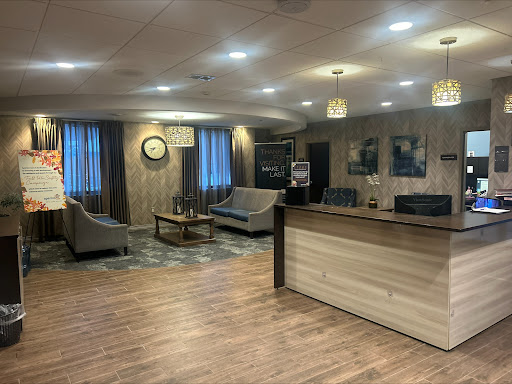
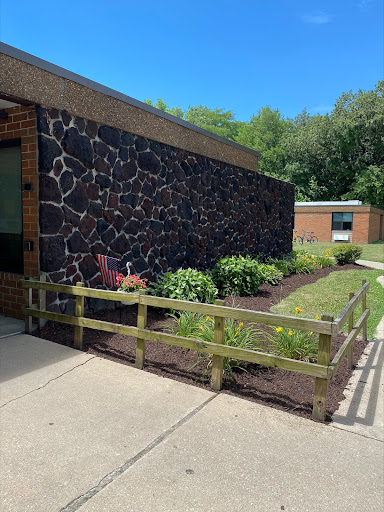
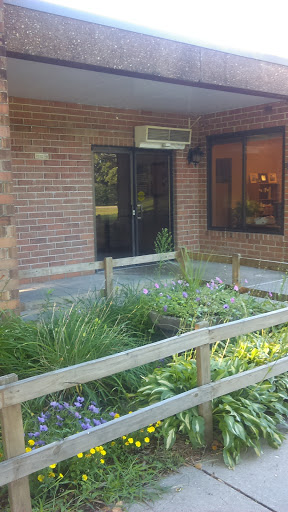
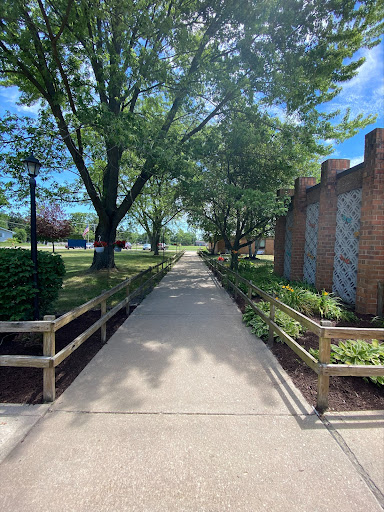
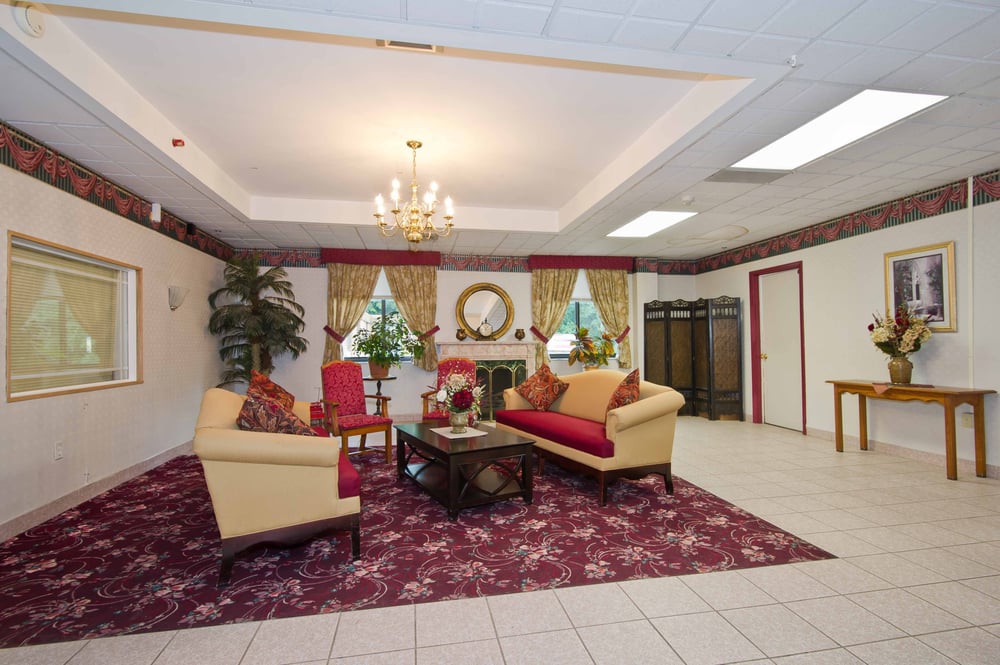
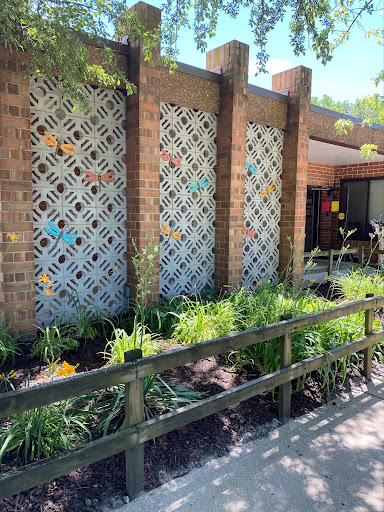
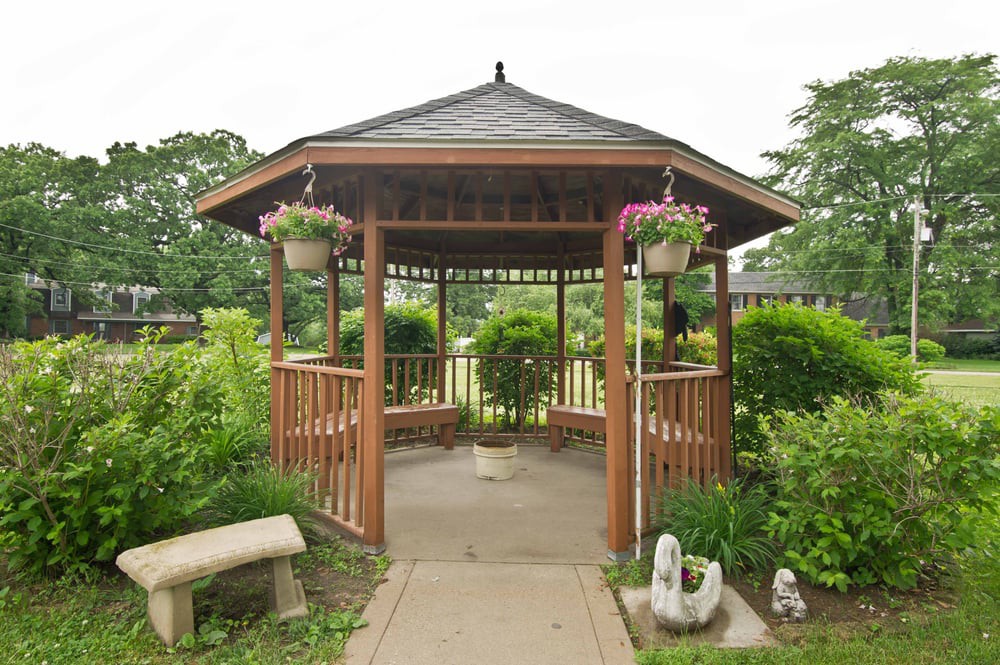
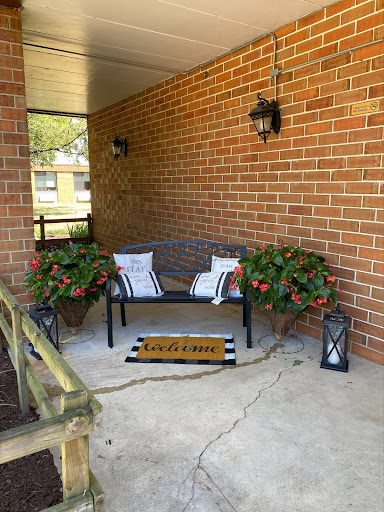
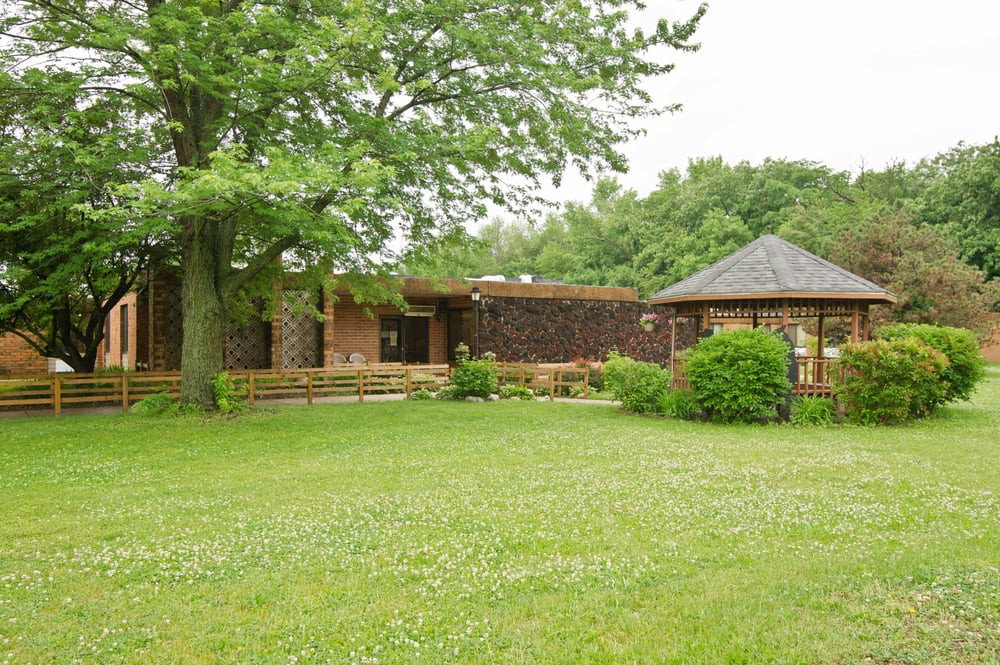
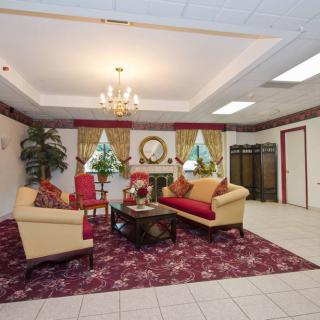
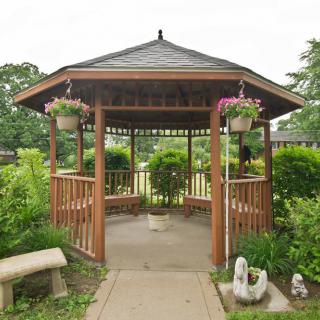
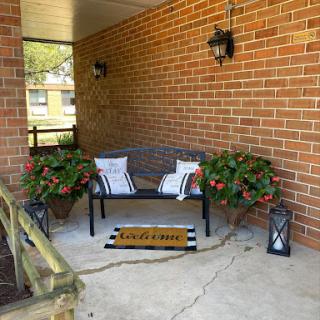
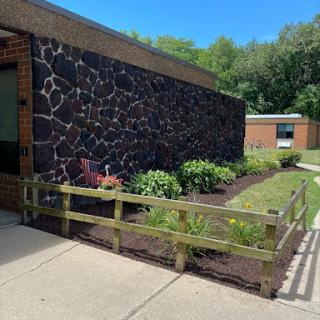
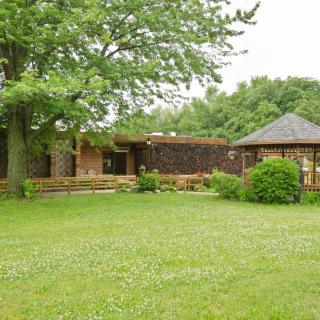
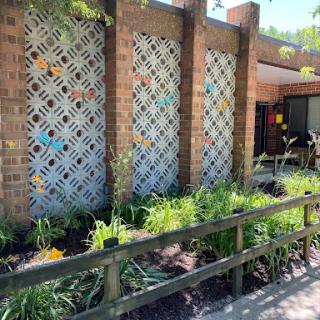
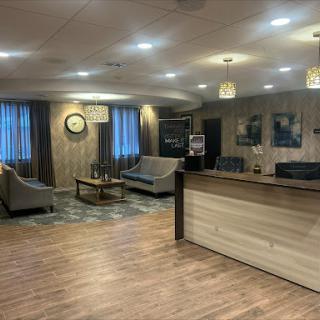
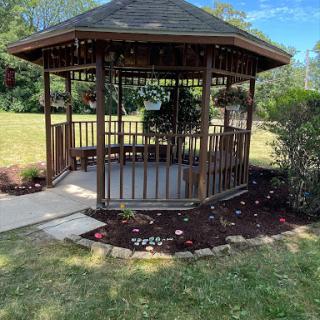
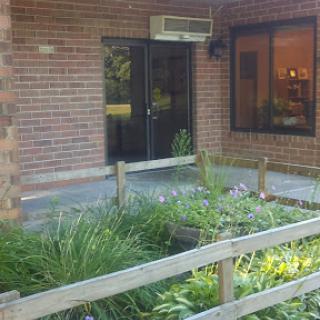
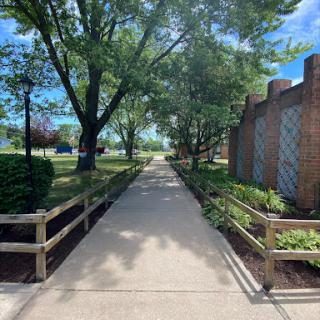
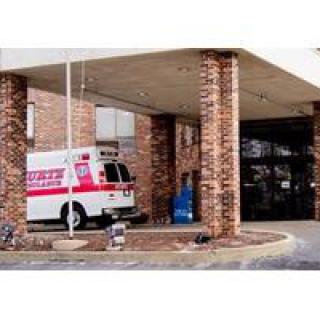
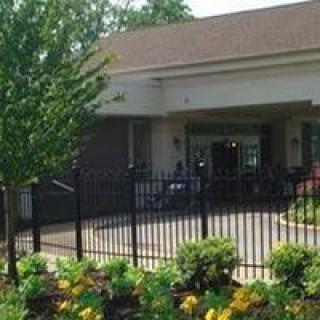
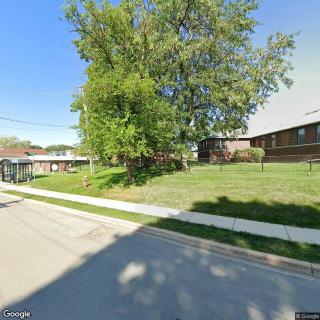
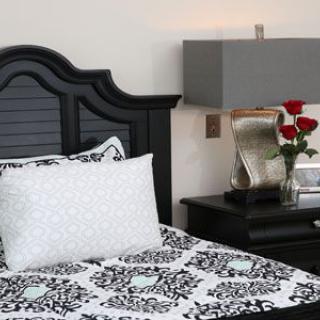
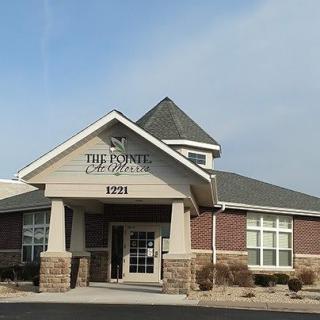
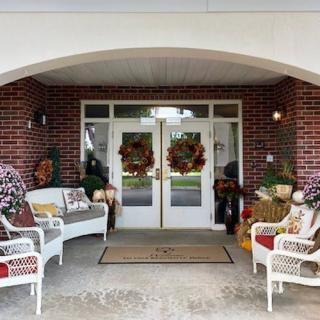
Aperion Care Wilmington on seniors.fyi includes 11 photos including images showing landscaping, garden, outdoor, gazebo, pathway, nature, brick wall, building, and more.
Nearby Communities
Heritage Woods Of Minooka
Minooka, IL
4.9 from 54 reviews
Small, intimate assisted living with 24/7 care, furnished studios, and on-site amenities (salon, meals, activities).
Joshua Arms
Joliet, IL
3.7 from 11 reviews
Independent living with diabetic care and on-site activities.
Salem Village Nursing & Rehab
Joliet, IL
2.5 from 45 reviews
Caring staff and skilled rehabilitation (therapists).
Joliet Terrace
Joliet, IL
Extensive on-site amenities and around-the-clock ADL support.
The article highlights eight essential assistive devices that improve the independence and safety of older adults, addressing issues related to mobility, balance, vision, hearing, and dexterity. It emphasizes the importance of proper selection guided by healthcare professionals to enhance seniors' quality of life while allowing them to age in place.
The article offers detailed guidance on the financial complexities of nursing home care, covering costs, payment methods, and alternative funding strategies while emphasizing the importance of proactive planning and legal considerations for individuals and families making care decisions.
The article emphasizes the critical role of supportive employee benefits for caregivers, advocating for flexible scheduling, paid leave, and mental health services to ease their challenges while enhancing employee well-being and organizational loyalty. It also highlights the importance of strong leadership in promoting these initiatives to foster a sustainable workplace culture that values caregivers.
Get PricingAsk A QuestionSchedule A TourContact Senior Advisor
By clicking submit, you agree to our Partner's Terms of Use. You
also consent to receive calls and texts, which may be autodialed, from our Partner. Your consent is not a condition to
using our Partner's service. Please visit our Partner's Privacy Policy for information about their privacy practices.

 171 resident community capacity
 Skilled Nursing Facility
 Air-conditioning
 Beauty salon
 Cable or satellite TV
 Computer center
 Dining room
 Fitness room
 Fully furnished
 Gaming room
 Garden
 Housekeeping services
 Kitchenette
 Move-in coordination
 Outdoor space
 Private bathrooms
 Restaurant-style dining
 Small library
 Telephone
 Wellness center
 Wi-Fi/high-speed internet available
 Community operated transportation
 12-16 hour nursing
 24-hour call system
 Activities of daily living assistance
 Assistance with bathing
 Assistance with dressing
 Assistance with transfers
 Diabetes diet
 Medication management
 Mental wellness program
 Special dietary restrictions
 Concierge services
 Planned day trips
 Small, intimate assisted living with 24/7 care, furnished studios, and on-site amenities (salon, meals, activities).

 8 Essential Assistive Devices for Older Adults
 Navigating the Financial Road to Nursing Home Care: In-Depth Guidance and Resources
 Supportive Employee Benefits That Help Caregivers Attain Better Work-Life Harmony