

1315 Rowell Ave., Joliet, IL 60433
To contact a resident: (815) 727-6401
For more information about senior living options: (866) 208-4318
Overall Review of Joshua Arms
Pros
 Supportive living is a great program.
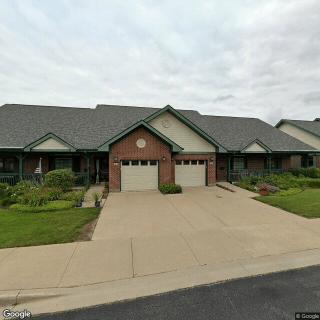
- The apartments are clean and updated.
- People are nice and helpful.
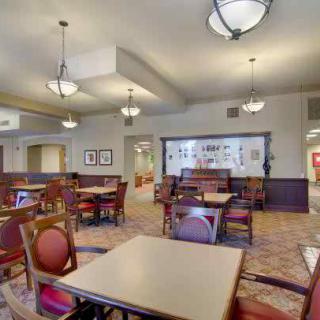
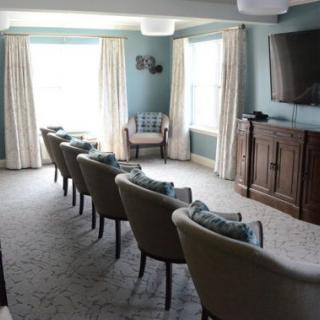
- The on-site dining room, country store, library and computer center, along with social rooms, create a lively community for residents.
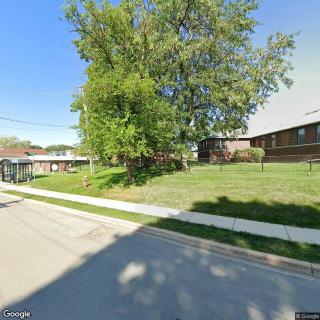
- The area around the facility is pleasant with nice views.
- It is a great place for seniors to live.
Cons
 The facility is described as a mold-infested dump with constant bug infestations and water leaks under the air conditioning unit.
- Residents are reportedly subjected to threats of eviction and constant badgering by staff and other residents.
- A family member was prevented from visiting and alleges threats from staff.
- Nurses are said to not care and to ignore emergency calls, including emergencies like choking.
- Medications were not dispensed on time, with dosing schedules ignored and patients left without medicines.
- Food service is unreliable, with meals sometimes not provided or charged separately, and staff frequently quitting.
Review
Joshua Arms in Joliet is best suited for seniors who want a spacious, activity-rich environment with easy on-site access to dining, social spaces, and services, all within a lively campus setting. The community lends itself to residents who value big apartments, attractive views, and a robust calendar of events, excursions, and social gatherings. For families seeking a place where independence is supported by convenient amenities and a steady stream of engagement, Joshua Arms delivers a tangible quality-of-life impression. The consistently noted friendliness among residents and staff, paired with well-kept, updated apartments, can make everyday life feel comfortable and accessible for those who can navigate a bustling, community-first atmosphere.
However, this offering is not ideal for every senior, and certain realities push many families toward alternatives. The most compelling caveat is a pattern, documented in multiple accounts, of governance and care gaps that translate to real safety concerns. Threats of eviction, aggressive behavior toward residents and visiting family members, and restrictions on access by the primary caregiver raise serious questions about resident rights and the practical atmosphere of daily life. For someone who depends on reliable emergency response, timely medication administration, or consistent staff oversight, Joshua Arms may prove unstable. Add in reports of pests, water leaks, and mold, and the risk profile shifts from merely inconvenient to potentially harmful.
On the positive side, the facility’s strengths, roomy living spaces, a comprehensive amenity suite, and a bustling social ecosystem, do offer meaningful quality-of-life advantages when operations stay steady. The dining environment, country store, library, computer center, and multiple social rooms create a sense of center and purpose that can mitigate isolation for residents who stay engaged. The visible friendliness of residents and staff adds to a welcoming ambiance, and the frequent events can help prevent the loneliness that often accompanies later-life living. When care is consistently well-managed, these elements can create a comfortable, community-oriented daily rhythm.
Yet those strengths are consistently tested by the most consequential concerns. Medication management appears irregular in several accounts, with schedules not followed and doses administered too erratically, sometimes triggering hospital visits and health setbacks. Emergency responsiveness is described as unreliable at times, with episodes where urgent needs went unaddressed. Environmental problems, summer infestations through air conditioning, mold and water intrusion, and ongoing maintenance lapses, strike at the core of daily comfort and safety. Coupled with reports of dismissive or strained interactions during night shifts, these factors culminate in a pattern where safety and trust can erode despite excellent facilities and amenities.
Prospective residents should enter with a clear plan to verify everyday reliability before committing. Insist on a current, written care plan, complete medication administration records, incident logs, and a transparent maintenance-response timeline. Engage with recent residents and their families about after-hours responsiveness and the consistency of staffing. Visit at different times to observe the tone between staff and residents, and probe dining service operations, including meal options and any pricing quirks. These due-diligence steps help separate the appealing surface from the more challenging operational realities that drive longer-term satisfaction or disappointment.
In sum, Joshua Arms can serve a sociable senior who benefits from space, amenities, and a strong social framework, provided robust oversight and advocacy are in place. The community’s architectural and programmatic strengths are meaningful, yet they are not guaranteed to translate into dependable care and safety. For families prioritizing reliable medical responsiveness, predictable routines, and an environment free of recurring pests or maintenance failures, stronger alternatives should be contemplated. The prudent path is to compare options with proven governance and resident advocacy, and to reserve Joshua Arms for scenarios where oversight is assured, demands are clearly understood, and residents can actively participate in shaping their daily care.
 Assisted Living
 Independent Living
 Activities on-site
 Devotional services off-site
 Indoor common areas
 Ambulatory care
 Diabetic care
 Meals provided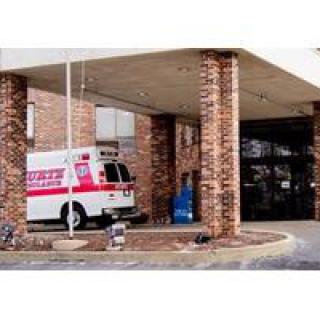




 Comprehensive Residential Support and Assisted Living Solutions for Individuals with Disabilities
 Comprehensive Supportive Living Arrangements for Adults with Disabilities
 Funding and Affording Assisted Living: A Thorough Overview