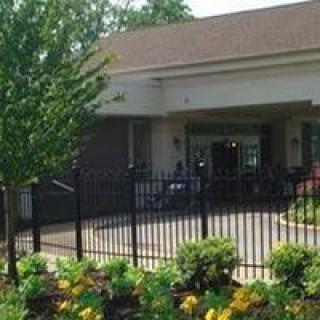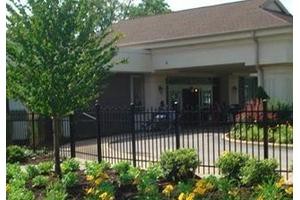
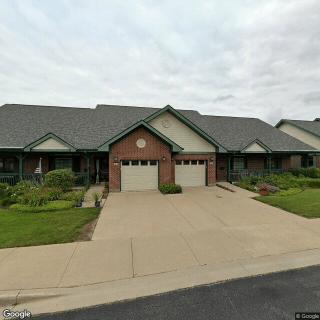
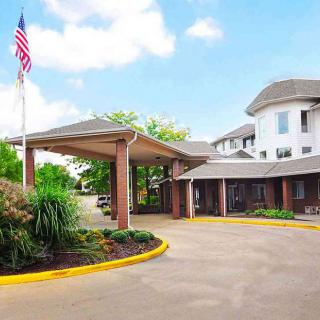
421 Doris Avenue, Joliet, IL 60433
For more information about senior living options: (866) 208-4318
Overall Review of Sunny Hill Nursing Home Of Will County
Pros
 The nursing staff, physical therapy team, and social workers are helpful and kind.
- The facility is kept clean and offers lots of activities for residents.
- Angie at the salon does a great job and has a kind heart.
- Sunny Hill is highly recommended for loved ones.
- The staff are amazing and provide outstanding care to residents.
- The administration is top notch, with professional leadership and a focus on safety.
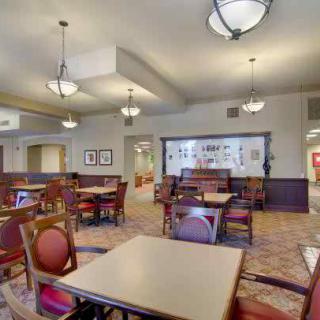
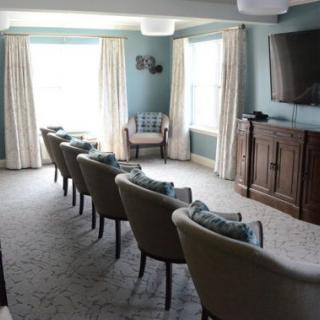
- The facility has been renewed and feels bright and vibrant.
- Residents enjoy a variety of amenities and activities, including spa services and an ice cream parlor, enhancing quality of life.
Cons
 They wish warm water had been available for showers.
- The windows are drafty and residents get cold at night.
- The nurses on 6th Avenue had no clue how bad the dad was and were shocked and upset when he passed.
- The staff couldn’t even call to provide updates to the family.
- With 18 patients per nurse, they couldn't handle the workload.
- There was a lack of communication between staff about patient care.
- Some members of the staff could be more welcoming.
- The other facility smelled and was dirty.
Review
Sunny Hill Nursing Home of Will County is best suited for families seeking a well-staffed, resident-centered community where seniors receive robust 24/7 nursing care, rehab services, and a lively calendar of activities in a clean, well-maintained setting. The facility has earned praise for attentive nurses, friendly CNAs, and a therapy team that integrates with social work to support continuity of care. Residents often respond well to a remodel that brightens common areas and private rooms, while amenities like an on-site salon, ice cream shop, and varied programming help sustain social engagement. For families wanting a local, accountable option with a clear emphasis on “resident first,” Sunny Hill delivers dependable, hands-on leadership and a culture that prioritizes daily quality of life.
Those weighing alternatives will want to consider cost and scope of services. The facility is described as more expensive than some peers, a reality that can constrain ongoing options for families on fixed budgets or tight finances. For households seeking highly specialized memory-care environments, ultra-private accommodations, or extremely low-cost care, other communities may offer more targeted programs or different pricing models. Likewise, families needing a facility with a singular, highly uniform experience across all wings might explore options that promise tighter standardization. In short, those prioritizing budget discipline or specialized care niches beyond general skilled nursing may want to compare several nearby options before deciding.
On the upside, the strongest selling points hinge on care quality and everyday vitality. Nursing staff, CNAs, physical therapy, and social work cohere into a recognizable pattern of reliable support, with individual caregivers frequently singled out for their kindness and competence. The facility’s commitment to activities, bingo, concerts, visiting performers, beauty and spa services, and an ice cream parlor, helps residents stay connected, engaged, and motivated to participate in daily life. Family members consistently remark on the cleanliness and upkeep after remodels, and residents often show tangible improvement through therapy and social connection. Administration consistently earns trust for safety, security, and an emphasis on resident-centered decisions.
Where challenges surface, the most persistent themes are practical and manageable. Some notes point to infrastructure quirks, such as drafty windows or cooler shower water, which can impact comfort during harsher seasons. A few families reported uneven experiences across wings or shifts, with communication gaps at moments of high demand or transition. Staffing waves and perceived workload pressures have been cited, underscoring the importance of proactive family engagement and regular updates. While these concerns are not universal, they do remind prospective residents to verify current staffing patterns, unit leadership, and transparent channeling of information before move-in.
The pros and cons interact in a practical, decision-relevant way. The robust clinical team and 24/7 nursing coverage, coupled with strong administration and a resident-centered ethos, largely offset occasional maintenance hiccups and cost considerations. The remodeled, welcoming environment, large private rooms, and abundant activities translate into meaningful daily life for residents who thrive on routine, social contact, and predictable care plans. For families,Sunny Hill represents a compelling balance: high-quality care and lively engagement at a price point that demands scrutiny but pays back in peace of mind and visible improvements in residents’ well-being. The result is a facility that earns confidence when families are proactive, engaged, and clear about expectations.
For a well-informed decision, undertake a structured visit with specific questions in hand. Confirm current bed availability and the difference between standard and preferred private rooms, including any hold policies on waitlists. Inquire about nurse-to-resident ratios on each shift, therapy schedules, and how care plans are communicated to families. Ask for walkthroughs of the most active wings and quieter spaces to gauge where a loved one will thrive. Discuss financial planning openly, including Medicaid-related assistance or long-term funding options, and compare with alternatives to balance cost against care depth. If a family’s priority is a warm, engaged, professionally staffed environment with strong leadership and a proven track record of patient-centered care, Sunny Hill stands out as a prudent, resolute choice.
 157 resident community capacity
 Skilled Nursing Facility
 Air-conditioning
 Beauty salon
 Cable or satellite TV
 Computer center
 Dining room
 Fitness room
 Fully furnished
 Gaming room
 Garden
 Housekeeping services
 Kitchenette
 Move-in coordination
 Outdoor space
 Private bathrooms
 Restaurant-style dining
 Small library
 Telephone
 Wellness center
 Wi-Fi/high-speed internet available
 Community operated transportation
 12-16 hour nursing
 24-hour call system
 Activities of daily living assistance
 Assistance with bathing
 Assistance with dressing
 Assistance with transfers
 Diabetes diet
 Medication management
 Mental wellness program
 Special dietary restrictions
 Concierge services
 Planned day trips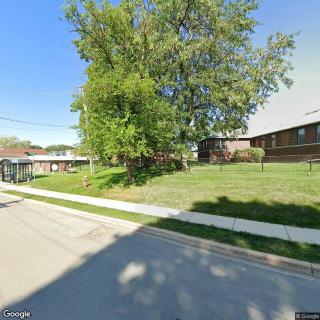



 Exploring the World of Home Health Nurses: Qualifications, Roles, and Hiring Tips
 Navigating Medicare Coverage for In-Home Care Services
 In-Home Care Costs in 2025: A Detailed State-by-State Exploration