For more information about senior living options: (866) 208-4318
2.5 from 45 reviews
5 stars
11
4 stars
6
3 stars
2
2 stars
1
1 stars
25
Overall Review of Salem Village Nursing & Rehab
common16 reviews mention this
Staff communication is inconsistent
Residents and families describe communication and staffing responsiveness that varies widely.
Some reviewers praise being able to reach someone quickly and highlight professionalism when calling the facility. Others describe difficulty reaching the right staff, long waits for help or basic needs, and medication delays. A number of comments point to staffing gaps—like limited aide coverage on floors—and uneven follow-through when questions come up. Even among positive experiences, residents and families still note that mistakes can happen and require correction.
caveat14 reviews mention this
Cleanliness and maintenance draw complaints
Multiple reviews report ongoing cleanliness and upkeep problems.
Several reviewers say the building was dirty or poorly maintained, with comments that include strong odors and filthy or “sterile” common areas. There are also repeated references to malfunctioning elevators and general maintenance being unreliable. Some reviews go further, describing pests like roaches or bed bugs, along with concerns about extermination and safety. A few mixed or positive notes still mention dated furnishings or sterile-looking spaces that stood out during visits.
common11 reviews mention this
Care quality is praised by some
Some residents and families report solid hands-on care.
Positive reviews point to caring staff, supportive nursing, and overall good care experiences. A few comments mention specific kinds of support, including caregivers being trusted during difficult times and therapy sessions happening regularly. Others describe the facility as trustworthy and say mistakes were acknowledged and corrected. At the same time, many of the unfavorable reviews contradict this with complaints about non-responsive support, long periods without help, and residents left in poor condition.
caveat7 reviews mention this
Food quality is a frequent thread
Food is described as a hit-or-miss part of the experience.
Some reviewers describe the food as poor quality, including “garbage” or not enough food, and even mention weight loss. Others say family members brought food because what was served looked or seemed unappetizing. On the more positive side, a few comments describe dining as simple or note that dietary needs were accommodated, including allergy-related requests. The community also offers dining options for special dietary restrictions, aligning with what families emphasize about food needs.
caveat4 reviews mention this
Medication and timely pain relief
Reviews raise concerns about getting medications promptly.
Several negative comments describe long waits for medications, including delays in pain medication when a resident or loved one needed relief. Others mention medications not being given as requested or basic needs taking an unusually long time. Even with otherwise positive impressions, these medication timing concerns are emphasized by families describing stressful incidents. The community lists medication management and nursing support, but reviews still reflect mixed experiences with timing and follow-through.
How we summarize
Counts show how many written reviews mention each theme; a review can touch several themes, and only frequently mentioned themes are displayed.
Features
Housing
266 resident community capacity
Types of Care
Skilled Nursing Facility
Amenities
Air-conditioning
Beauty salon
Cable or satellite TV
Computer center
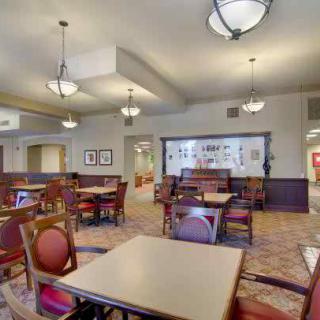
Dining room
Fitness room
Fully furnished
Gaming room
Garden
Housekeeping services
Kitchenette
Move-in coordination
Outdoor space
Private bathrooms
Restaurant-style dining
Small library
Telephone
Wellness center
Wi-Fi/high-speed internet available
Transportation
Community operated transportation
Transportation arrangement
Transportation arrangement (non-medical)
Transportation to doctors appointments
Care Services
12-16 hour nursing
24-hour call system
24-hour supervision
Activities of daily living assistance
Assistance with bathing
Assistance with dressing
Assistance with transfers
Diabetes diet
Meal preparation and service
Medication management
Mental wellness program
Special dietary restrictions
Dining
Diabetes diet
Special dietary restrictions
Activities
Community-sponsored activities
Concierge services
Fitness programs
Planned day trips
Resident-run activities
Scheduled daily activities
Nearby Places of Interest
Restaurants
McDonald's (1.9 miles)
Syl's Restaurant & Lounge (3 miles)
Walts Ice Cream (3.2 miles)
McDonald's (3.4 miles)
Zobel Tavern (3.5 miles)
Culver's (3.5 miles)
Golden Corral (4 miles)
Places of Worship
First Presbyterian Church (2.9 miles)
Church of Jesus Christ of Latter Day Saints (4.7 miles)
Trinity Lutheran Church (5.1 miles)
First Baptist Church of Channahon (8.5 miles)
Our Mother Of Good Counsel (9.7 miles)
Parkview Christian Church (9.8 miles)
Pharmacies
Walgreens (3 miles)
CVS Pharmacy (3.4 miles)
Walgreens (4 miles)
Walgreens (4.2 miles)
Walmart Pharmacy (4.4 miles)
Walgreens (4.6 miles)
CVS Pharmacy (5 miles)
Transportation
Union Pacific Global 4 (3.6 miles)
Metra (9.3 miles)
Physicians
Joliet Diabetes Endocrinology (3.8 miles)
Ahmed Hussain (3.9 miles)
Professional Health Associates (4 miles)
Dr Usha Setlur, MD (4.1 miles)
Associated Ophthalmologists SC (4.1 miles)
Michael Dorning, MD (4.2 miles)
Surgical Care Affiliates (4.3 miles)
Hospitals
Presence Saint Joseph Medical Center Laboratory (4.3 miles)
The article examines living wills and advance directives, highlighting their significance in expressing healthcare preferences for those unable to communicate due to illness or incapacity. It discusses their historical development, legal components, limitations, practical drafting advice, and the importance of clear communication among families and healthcare professionals regarding end-of-life decisions.
Hospice care focuses on providing comfort and support for individuals nearing the end of life, with Medicare Part A covering services like nursing care and counseling for patients with a terminal illness and a life expectancy of six months or less. While most hospice services are low-cost for eligible patients, families should be aware that certain expenses, such as room and board, may not be covered.
Caregiver burnout is a common issue resulting from the intense physical, emotional, and mental demands of caregiving, leading to symptoms like fatigue and social withdrawal. To prevent burnout, caregivers should recognize early warning signs and implement self-care strategies, seek support, and prioritize their own well-being alongside that of those they care for.
Get PricingAsk A QuestionSchedule A TourContact Senior Advisor
By clicking submit, you agree to our Partner's Terms of Use. You
also consent to receive calls and texts, which may be autodialed, from our Partner. Your consent is not a condition to
using our Partner's service. Please visit our Partner's Privacy Policy for information about their privacy practices.

 266 resident community capacity
 Skilled Nursing Facility
 Air-conditioning
 Beauty salon
 Cable or satellite TV
 Computer center
 Dining room
 Fitness room
 Fully furnished
 Gaming room
 Garden
 Housekeeping services
 Kitchenette
 Move-in coordination
 Outdoor space
 Private bathrooms
 Restaurant-style dining
 Small library
 Telephone
 Wellness center
 Wi-Fi/high-speed internet available
 Community operated transportation
 12-16 hour nursing
 24-hour call system
 Activities of daily living assistance
 Assistance with bathing
 Assistance with dressing
 Assistance with transfers
 Diabetes diet
 Medication management
 Mental wellness program
 Special dietary restrictions
 Concierge services
 Planned day trips
 Independent living with diabetic care and on-site activities.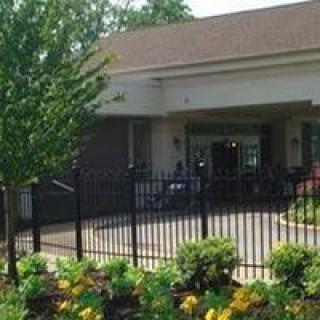


 A Detailed Exploration of Living Wills and Advance Directives
 Comprehensive Guide to Medicare Coverage for Hospice Care
 Caring for Those Who Care: Recognizing, Understanding, and Overcoming Caregiver Burnout