Citadel Care Center-Wilmette

Save

  • Interior

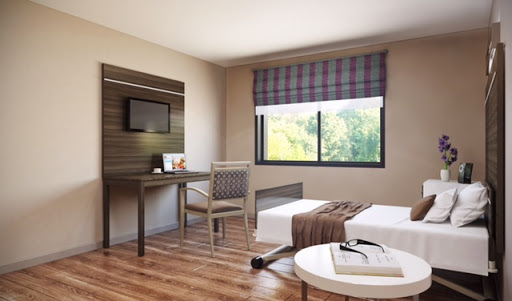
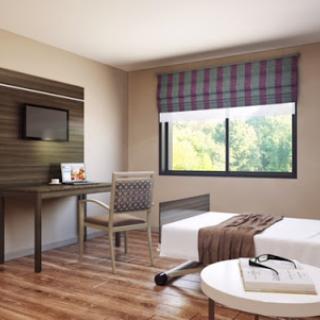
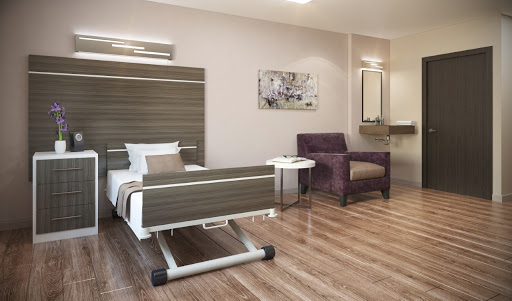
    A modern hotel room featuring minimalist design with a workspace and large windows.
  • Decor

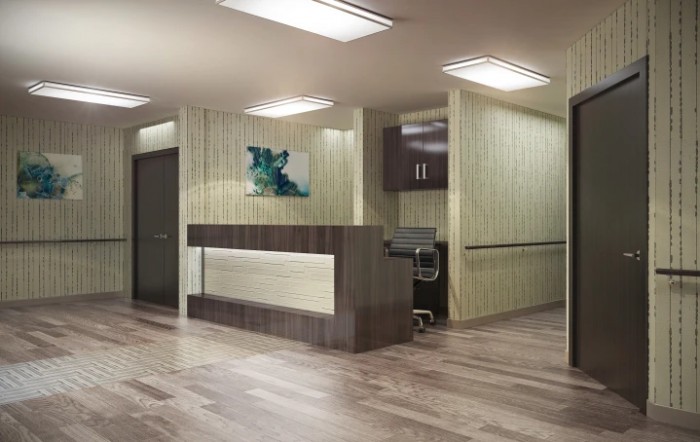
    A modern reception area with wood flooring and minimalist decor.
  • Living Room

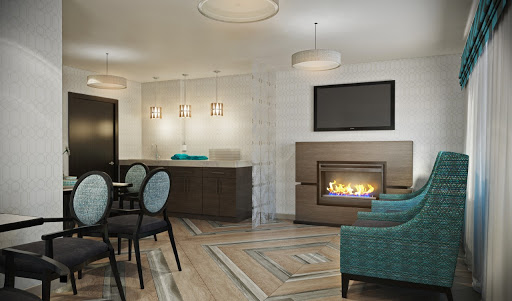
    A modern living room with a cozy fireplace and stylish furniture.
  • Building

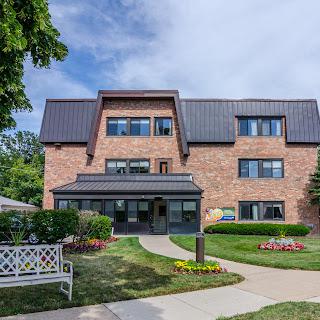
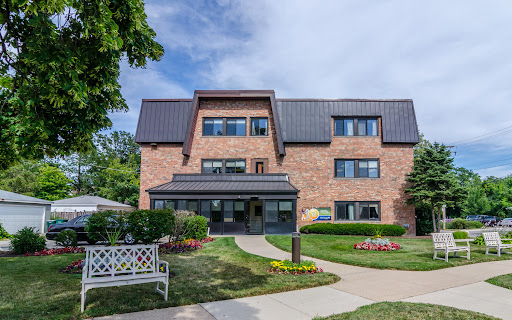
    A charming residential building featuring modern architecture, set against a landscaped garden.
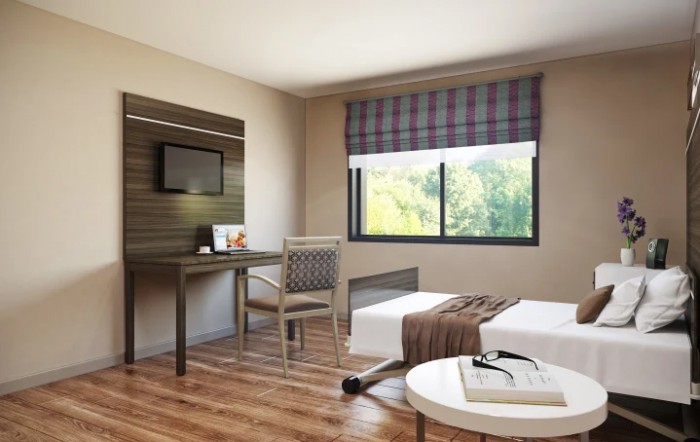
  • Bedroom

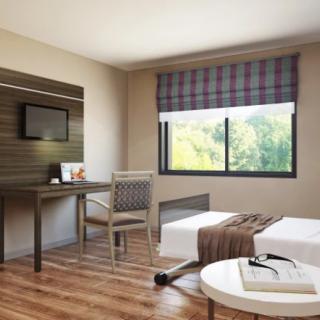
    A modern and minimalist bedroom interior with a desk, chair, and bed near a window.
  • Dining

    A cozy modern living room featuring a fireplace, stylish furniture, and elegant lighting.
  • Lighting

    A modern reception area featuring sleek furniture and warm lighting.
  • Lobby

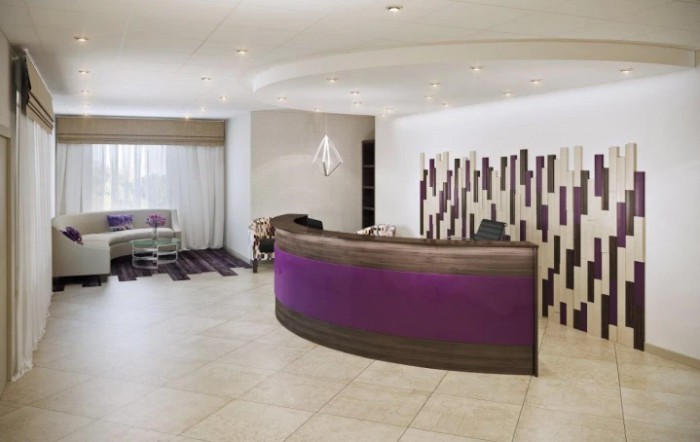
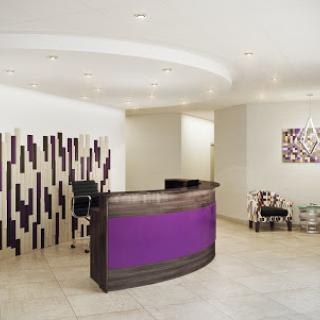
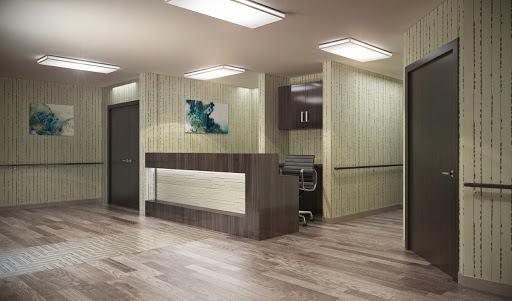
    A modern reception area with a curved desk and stylish decor.
  • Office

    A modern conference room equipped with a large table and ergonomic chairs, designed for collaborative meetings.
  • Waiting Area

    A stylish and modern reception area featuring purple accents and contemporary furniture.

Citadel Care Center-Wilmette

Information last verified:

432 Poplar Drive, Wilmette, IL 60091

For more information about senior living options: (844) 490-3973

4.8 from 122 reviews
5 stars
110
4 stars
5
3 stars
2
2 stars
1
1 stars
4

Seniors.FYI Elite Community Awards

Top 5% Senior Living Community in 2019Top 5% Senior Living Community in 2026

Add this award to your website

Overall Review of Citadel Care Center-Wilmette

Pros

  • pro The staff are kind, attentive, and dedicated to residents' well-being.
  • pro The facility is clean, welcoming, and provides a warm, home-like atmosphere.
  • pro PT and OT staff help patients regain mobility, leaving many walking and stronger.
  • pro Families report feeling reassured and well-informed throughout the care process.
  • pro The team is professional, responsive, and goes the extra mile for both patients and residents.
  • pro The overall experience is described as exceptional and highly recommendable.

Cons

  • pro The reviewer described the facility as extremely substandard—dirty, dark, with rude staff who could not be reached by phone and did not return calls.
  • pro Tola, an administrator, was described as very mean and abusive.
  • pro At ManorCare, personal hygiene tasks were handled by young male staff, which was humiliating for the resident; the rooms were dirty and staff inattentive and absent, with reports of theft.
  • pro The head nurse was described as rude and nasty.
  • pro The facility was criticized for a dated, care-worn appearance, and at least one patient did not like the food.

Review

Citadel Care Center-Wilmette is best suited for seniors who need intensive post-acute rehabilitation and want to recover in a small, home-like setting where therapy teams and nursing staff operate with a high degree of coordination. The community earns its keep on the rehab floor: the PT/OT/ST teams are consistently described as compassionate, skilled, and relentlessly focused on getting residents back on their feet and home as quickly and safely as possible. Families facing a transition after hospitalization will find a facility where residents are treated as individuals, with care plans that emphasize function, safety, and daily progress. For anyone prioritizing clear, hands-on rehab with a caring atmosphere, Citadel Wilmette is a compelling match.

That said, there are clear reasons to consider alternatives depending on the specific needs and contingencies around dementia care, memory support, or administrative transparency. A recurring caution is the mix of experiences some families reported: while the vast majority praise attentiveness and warmth, there are isolated accounts of miscommunication, delays, and concerns about security or enforcement of routines. For residents with advanced dementia, wandering risks, or high behavioral complexity, a larger facility with more formalized memory-care protocols may offer a more predictable structure. Likewise, if modern, expansive amenities and prompt, unflappable administrative responsiveness are non-negotiable, exploring other options could prevent potential friction during a fragile recovery period.

The strongest pro tip from the reviews is that the rehab ecosystem at Citadel Wilmette, nurses, aides, therapists, and physicians, delivers outcomes that consistently translate into real-world mobility gains and safer returns home. Many residents and families report walking out stronger, more confident, and better educated about ongoing self-care. The therapy department’s integration with nursing and social work creates a cohesive trajectory from intake through discharge, with repetitions of “the team went the extra mile” that aren’t merely marketing language but daily practice. This is the core offset to the facility’s no-frills presentation: robust, evidence-based rehab that makes a tangible difference in independence and quality of life.

Equally notable is the environment itself: the building’s cleanliness, warmth, and low-key elegance contribute to a sense of normalcy and dignity during a stressful time. Visitors frequently describe a calm, welcoming atmosphere, where staff are courteous, patient, and genuinely invested in each resident’s well-being. Families repeatedly credit the small-scale setting with strong staff-to-resident relationships, consistent communication, and a culture that feels more like a close-knit team than a hospital corridor. Even in cases where the physical environment isn’t brand-new, the care philosophy carries the day: residents feel seen, respected, and part of a community that reinforces recovery.

Attention to potential downsides is essential for families weighing choices. Incidents of theft or lapses in accountability have appeared in a minority of accounts, underscoring the importance of thorough intake conversations, explicit care plans, and ongoing oversight. A handful of reviews also flag concerns about administrative responsiveness and inconsistency in communication, which can be distressing for families navigating post-hospital decisions. The takeaway is not that these issues define Citadel Wilmette, but that they are real risks that prudent families will want to mitigate through direct conversations with admissions, a clear understanding of the care plan, and ongoing liaison with the social worker and nursing leadership. The best defense is a pre-admission, in-depth tour combined with a written care-and-communications protocol that sets expectations from day one.

From a practical decision-making standpoint, Citadel Wilmette shines brightest for short-to-mid-term rehab stays aimed at returning a loved one to independent living or a safer, more capable home environment. Its track record in subacute rehab and the consistently positive testimonials around recovery milestones, walking without a device, regaining strength, or reestablishing confidence, make it a top contender for families whose primary objective is functional restoration. For those with ongoing, complex medical or memory-care needs, or for families prioritizing a modern facility with a formalized dementia program, preserving a margin to explore other options may be wise. In either case, the facility’s strengths are real and reliable, while its vulnerabilities are manageable with proactive planning.

In short, Citadel Wilmette stands out as a practical, effective choice for post-acute rehab with a deeply caring culture. It earns its reputation through consistent therapy excellence, compassionate nursing, and a nurturing environment that helps residents regain independence. The main caveats concern administrative clarity and occasional gaps in communication or security that some families encountered. Those prepared to engage early with admissions, insist on a written, transparent care plan, and maintain steady contact with the care team will find a facility that not only meets, but often exceeds, expectations for rehabilitative outcomes and personal dignity. For families prioritizing robust rehab and a home-like setting, Citadel Wilmette is hard to beat; for those needing advanced memory-support infrastructure or ultra-modern amenities, exploring options with stronger memory-care channels or bigger hospital-adjacent campuses may be the prudent hedge.

Features

Housing

  • 80 resident community capacity 80 resident community capacity

Types of Care

  • Skilled Nursing Facility Skilled Nursing FacilitySkilled Nursing Facilities are crucial for seniors as they provide round-the-clock medical care, rehabilitation services, and assistance with daily activities. These facilities ensure that seniors receive the specialized care they need to maintain their health and well-being as they age.

Amenities

  • Air-conditioning Air-conditioningAir conditioning is important for seniors as they are more vulnerable to heat-related illnesses and may have underlying health conditions that make it difficult for them to regulate their body temperature. It helps to keep them comfortable, safe, and healthy in hot weather.
  • Beauty salon Beauty salonBeauty salons are important for seniors because they provide a space for them to feel pampered, socialize, and maintain their personal grooming and hygiene. Regular visits to a beauty salon can help boost seniors' self-esteem and overall well-being.
  • Cable or satellite TV Cable or satellite TVCable or satellite TV is important for seniors because it provides entertainment, news, and companionship, helping to combat loneliness and boredom. It also offers a wide range of programming options tailored to different interests and preferences.
  • Computer center Computer centerA computer center is essential for seniors as it provides access to technology, communication tools, and resources that can enhance their daily lives. It allows them to stay connected with loved ones, engage in online activities, and learn new skills, ultimately promoting socialization and mental stimulation.
  • Dining room Dining roomDining rooms are important for seniors as they provide a space for socialization, connection, and nutritious meals. They offer opportunities for residents to bond over shared meals, foster a sense of community, and promote healthy eating habits. Dining rooms also ensure that seniors have access to well-balanced meals tailored to their dietary needs and preferences.
  • Fitness room Fitness roomHaving a fitness room in a senior living community is essential for seniors to stay active, maintain their physical health, and improve their overall well-being. Regular exercise can help prevent falls, reduce the risk of chronic diseases, and promote mental sharpness. It also provides social opportunities for residents to connect with others and enjoy a sense of community.
  • Fully furnished Fully furnishedFully furnished senior living communities are important for seniors because they provide convenience, comfort, and a hassle-free moving experience. Seniors can easily settle into their new living space without the stress of having to buy and move furniture. This allows them to focus on enjoying their new home and community.
  • Gaming room Gaming roomGaming rooms are important for seniors as they provide a fun and engaging environment for socializing, cognitive stimulation, and physical activity. Games can improve memory, problem-solving skills, and overall mental well-being while fostering friendships and reducing feelings of isolation.
  • Garden GardenGardens are important for seniors as they provide a peaceful and therapeutic environment for relaxation, physical activity, and socialization. Being in nature has been shown to reduce stress, improve mood, and promote overall well-being. Gardens also offer opportunities for seniors to engage in gardening activities, which can improve mobility, flexibility, and cognitive function. Additionally, gardens create a sense of community and connection with others who share a passion for plants and outdoor spaces.
  • Housekeeping services Housekeeping servicesHousekeeping services are important for seniors because they help maintain a clean and safe living environment, promote independence, and reduce the risk of accidents or illnesses. Additionally, having assistance with household chores can alleviate physical strain and allow seniors to focus on other aspects of their well-being.
  • Kitchenette KitchenetteKitchenettes are important for seniors living in senior living communities because they provide the convenience and independence of being able to prepare simple meals and snacks in the comfort of their own living space. This can help promote a sense of autonomy and well-being for seniors, allowing them to maintain some level of control over their dietary choices and daily routines.
  • Move-in coordination Move-in coordinationMove-in coordination is important for seniors because it helps ease the transition into their new living environment. It ensures that all logistics, such as packing, organizing movers, and setting up utilities are taken care of, allowing seniors to focus on settling in and adjusting to their new home. Having a smooth move-in process can alleviate stress and anxiety, making the transition smoother and more enjoyable for seniors.
  • Outdoor space Outdoor spaceOutdoor spaces are important for seniors as they provide opportunities for physical activity, social interaction, exposure to natural light and fresh air, and a sense of connection to nature. Having access to outdoor spaces can improve overall well-being and quality of life for older adults living in senior communities.
  • Private bathrooms Private bathroomsPrivate bathrooms are important for seniors in senior living communities because they provide independence, dignity, and comfort. Having a private bathroom allows seniors to maintain their personal hygiene routines without the need for assistance, promoting a sense of autonomy and privacy. Additionally, private bathrooms help prevent the spread of infections and provide a safe and clean environment for seniors to navigate safely.
  • Restaurant-style dining Restaurant-style diningRestaurant-style dining is important for seniors because it allows them to enjoy delicious, nutritious meals in a social and upscale setting. This enhances their dining experience, promotes healthy eating habits, and fosters socialization with fellow residents, ultimately contributing to their overall well-being and quality of life.
  • Small library Small librarySmall libraries are important for seniors as they provide access to a variety of reading materials, including books, newspapers, and magazines. This can help stimulate their minds, keep them engaged, and provide a sense of community through book clubs and other social activities. Additionally, reading has been shown to improve cognitive function and overall mental well-being in older adults.
  • Telephone TelephoneTelephones are important for seniors as they provide a lifeline for communication with loved ones, emergency services, and healthcare providers. They offer a sense of security and independence, enabling seniors to stay connected and access assistance when needed.
  • Wellness center Wellness centerWellness centers are important for seniors because they offer a variety of programs and services that promote physical, mental, and emotional well-being. These centers provide opportunities for exercise, socialization, education, and relaxation, helping seniors maintain their overall health and quality of life.
  • Wi-Fi/high-speed internet available Wi-Fi/high-speed internet availableWi-Fi/high-speed internet is important for seniors to stay connected with loved ones, access online resources, and participate in virtual activities to combat feelings of loneliness and isolation. It also allows them to easily manage healthcare needs, access entertainment, and engage in lifelong learning opportunities.

Transportation

  • Chicago O'Hare International (12 miles away) Chicago O'Hare International (12 miles away)
  • Chicago Midway (20 miles away) Chicago Midway (20 miles away)
  • Community operated transportation Community operated transportationCommunity operated transportation is crucial for seniors as it provides them with the means to access essential services, social activities, and medical appointments. It allows seniors to maintain their independence and quality of life by ensuring they can participate in activities outside of their homes. Additionally, community-operated transportation services offer a safe and reliable way for seniors to travel without having to rely on family or friends for assistance.
  • Transportation arrangement Transportation arrangementTransportation arrangements are crucial for seniors as they may face challenges with driving, mobility, or access to public transportation. Having reliable transportation services ensures that seniors can easily attend appointments, social activities, and maintain their independence and quality of life.
  • Transportation arrangement (non-medical) Transportation arrangement (non-medical)Transportation arrangements are essential for seniors as they provide access to essential services, activities, and social interactions outside the home. This service helps maintain independence, mobility, and overall well-being for seniors who may have limited transportation options.
  • Transportation to doctors appointments Transportation to doctors appointmentsTransportation to doctors appointments is crucial for seniors as it ensures they have access to necessary medical care and support, promoting their health and well-being. It allows them to receive timely treatment, monitor existing conditions, and address any new health concerns efficiently. Additionally, transportation services can help seniors maintain their independence and quality of life by enabling them to stay connected with their healthcare providers.

Care Services

  • 12-16 hour nursing 12-16 hour nursing12-16 hour nursing care is crucial for seniors in order to ensure around-the-clock monitoring, timely medication administration, and prompt response to any health concerns or emergencies. This level of care helps to promote the overall well-being and safety of seniors living in senior living communities.
  • 24-hour call system 24-hour call system24-hour call systems are important for seniors because they provide peace of mind and immediate assistance in case of emergencies. This technology ensures that help is always available, promoting safety and security for elderly individuals living alone or in assisted living facilities.
  • 24-hour supervision 24-hour supervision24-hour supervision is important for seniors to ensure their safety, well-being, and access to immediate assistance in case of emergencies or health issues. This constant support provides peace of mind for both seniors and their loved ones, allowing them to age in place with dignity and security.
  • Activities of daily living assistance Activities of daily living assistanceActivities of daily living assistance are important for seniors because they provide essential support with tasks such as eating, bathing, dressing, and mobility. This assistance helps seniors maintain their independence, dignity, and overall quality of life as they age.
  • Assistance with bathing Assistance with bathingAssistance with bathing is crucial for seniors as it helps maintain personal hygiene, prevents infections, and ensures their overall well-being and comfort. It also provides a sense of dignity and independence for seniors who may struggle with this task on their own.
  • Assistance with dressing Assistance with dressingAssistance with dressing is important for seniors because it helps maintain their independence, promotes personal hygiene, prevents accidents and injuries, and improves overall quality of life. This service ensures that seniors can continue to dress comfortably and confidently, despite any physical limitations they may have.
  • Assistance with transfers Assistance with transfersAssistance with transfers is crucial for seniors as it helps prevent falls and injuries, maintains their independence, and ensures they can safely navigate their living environment. It also provides peace of mind for both seniors and their loved ones.
  • Diabetes diet Diabetes dietA diabetes diet is crucial for seniors as it helps manage blood sugar levels, reduce risks of complications, and improve overall health and well-being. By following a balanced and nutritious diet tailored to their specific needs, seniors can better control their diabetes and enhance their quality of life.
  • Meal preparation and service Meal preparation and serviceMeal preparation and service are crucial for seniors as they may have limited mobility or energy to cook nutritious meals. Having access to healthy and convenient food options can ensure they are getting the proper nutrition needed to maintain their overall health and well-being.
  • Medication management Medication managementMedication management is crucial for seniors to ensure they are taking the right medications at the correct dosages and times. This helps prevent adverse drug interactions, reduces the risk of medication errors, and promotes overall health and well-being. Proactive management also allows for adjustments as needed based on changing health conditions or new prescriptions.
  • Mental wellness program Mental wellness programMental wellness programs are essential for seniors as they promote cognitive stimulation, emotional support, and social engagement. These programs help prevent isolation, depression, and cognitive decline, ultimately enhancing the overall quality of life for older adults.
  • Special dietary restrictions Special dietary restrictionsSpecial dietary restrictions are important for seniors because age-related changes in metabolism and health conditions can make it difficult for their bodies to process certain foods. By following a diet tailored to their specific needs, seniors can maintain their overall health and well-being, manage chronic conditions, and reduce the risk of complications such as malnutrition or food interactions with medications.

Dining

  • Diabetes diet Diabetes dietA diabetes diet is crucial for seniors as it helps manage blood sugar levels, reduce risks of complications, and improve overall health and well-being. By following a balanced and nutritious diet tailored to their specific needs, seniors can better control their diabetes and enhance their quality of life.
  • Special dietary restrictions Special dietary restrictionsSpecial dietary restrictions are important for seniors because age-related changes in metabolism and health conditions can make it difficult for their bodies to process certain foods. By following a diet tailored to their specific needs, seniors can maintain their overall health and well-being, manage chronic conditions, and reduce the risk of complications such as malnutrition or food interactions with medications.

Activities

  • Community-sponsored activities Community-sponsored activitiesCommunity-sponsored activities are important for seniors as they provide opportunities for social interaction, mental stimulation, and physical activity. These activities can help improve overall well-being, combat loneliness and isolation, and promote a sense of belonging and purpose among older adults.
  • Concierge services Concierge servicesConcierge services are essential for seniors as they provide assistance with daily tasks and errands, enhance their quality of life by offering convenience and personalized care, and promote a sense of safety and security.
  • Fitness programs Fitness programsFitness programs are crucial for seniors as they help improve strength, flexibility, balance, and overall well-being. Staying active can reduce the risk of chronic diseases, improve mental health, and enhance quality of life in older adults.
  • Planned day trips Planned day tripsPlanned day trips are important for seniors because they offer opportunities for socialization, mental stimulation, and physical activity. They provide a change of scenery and help seniors stay engaged and connected to their community, promoting overall well-being and quality of life.
  • Resident-run activities Resident-run activitiesResident-run activities are important for seniors as they encourage social interaction, creativity, and a sense of autonomy. These activities empower seniors to stay engaged and active in their community while fostering meaningful connections with their peers.
  • Scheduled daily activities Scheduled daily activitiesScheduled daily activities are important for seniors because they provide structure, socialization, mental stimulation, and physical activity. Engaging in regular activities can improve overall well-being and quality of life for seniors living in a community setting.

Description

Citadel Care Center-Wilmette in Wilmette, IL is an assisted living community that offers a wide range of amenities and services to enhance the comfort and wellbeing of its residents. The community provides a cozy and welcoming environment where seniors can enjoy their golden years with ease and peace of mind.

The amenities at Citadel Care Center-Wilmette are designed to cater to various needs and interests. Residents can visit the beauty salon to receive personalized grooming services, or enjoy their favorite TV shows with cable or satellite TV in their private rooms. Community operated transportation is available for convenient travel arrangements, whether it's for outings or medical appointments. The computer center allows residents to stay connected and engaged with technology, while the small library offers a quiet space for reading and reflection.

Meals at Citadel Care Center-Wilmette are served in a delightful dining room, offering restaurant-style dining with specially prepared dishes that accommodate special dietary restrictions. Housekeeping services ensure that residents can live comfortably without worrying about daily chores, while move-in coordination assists new residents in transitioning seamlessly into their new home.

To promote an active lifestyle, the community boasts a fitness room equipped with various exercise equipment. For mental stimulation and entertainment, there is a gaming room where residents can engage in friendly competition. Outdoor spaces and gardens provide opportunities for relaxation and enjoyment of nature.

In terms of care services, Citadel Care Center-Wilmette offers 24-hour call system and supervision to ensure the safety and security of its residents. Trained staff members provide assistance with activities of daily living such as bathing, dressing, and transfers. Medication management ensures that medications are administered correctly and on time. A mental wellness program is also provided to support emotional wellbeing.

Residents can enjoy a variety of activities organized by the community including fitness programs, planned day trips, resident-run activities, as well as scheduled daily activities. Concierge services are available to assist residents in making arrangements or accessing information. Additionally, there are several nearby amenities such as cafes, parks, pharmacies, restaurants, transportation options, places of worship, and a hospital to cater to the needs and interests of residents.

Citadel Care Center-Wilmette is dedicated to providing a comfortable and enriching living experience for seniors in Wilmette through its top-notch amenities, personalized care services, and vibrant community life.

Videos

Nearby Places of Interest

Cafes

  • Starbucks (0.4 miles)
  • Starbucks (2 miles)
  • Starbucks (2.2 miles)
  • Starbucks (2.4 miles)
  • Starbucks (2.8 miles)
  • Little Beans Cafe (3.3 miles)
  • Starbucks (7 miles)

Transportation

  • CTA-Linden (0.7 miles)
  • Cta (4.1 miles)
  • CTA Jarvis (4.4 miles)
  • Cta (7.7 miles)
  • Jefferson Park Bus Terminal (7.7 miles)
  • Cta (7.8 miles)
  • Metra (9 miles)

Places of Worship

  • Baha'i House of Worship (1.1 miles)
  • North Shore Congregation Israel (6 miles)
  • Congregation Solel (7.8 miles)

Parks

  • Leahy Park (1.2 miles)
  • Centennial Park (2.4 miles)
  • Dawes Park (2.4 miles)
  • Clarkson Park (4.1 miles)
  • Dubkin Park (4.2 miles)
  • Warren Park (5 miles)
  • Horner Park (7.7 miles)

Pharmacies

  • Walgreens (1.4 miles)
  • Walgreens (2.5 miles)
  • Walgreens (2.7 miles)
  • Walgreens (3.3 miles)
  • CVS Pharmacy (3.7 miles)
  • Walgreens (4 miles)
  • Walgreens (4.2 miles)

Hospitals

  • Saint Francis Hospital (3.5 miles)
  • Swedish Covenant Hospital Cancer Care (6.8 miles)
  • Glenbrook Hospital (7.7 miles)

Restaurants

  • R Public House (4.4 miles)
  • Glenview Dairy Bar (5.1 miles)
  • Raising Cane's Chicken Fingers (5.2 miles)
  • Chick-Fil-A (5.4 miles)
  • Wildfire (5.7 miles)
  • Chipotle Mexican Grill (6.4 miles)
  • Little Bad Wolf (6.5 miles)

Physicians

  • North Shore Physicians Group (4.5 miles)
  • Resurrection Medical Center Professional Building (8.2 miles)
  • Northwestern Memorial Physicians Group (8.3 miles)
  • NorthShore Medical Group (8.6 miles)

Theaters

  • AMC Village Crossing Theatre (5.4 miles)

Frequently Asked Questions

Where is Citadel Care Center-Wilmette?
What photos are available for Citadel Care Center-Wilmette in Wilmette, Illinois?

Nearby Communities

  • Homecare Assistants-The North

    Homecare Assistants-The North

    Wilmette, IL


    pro Prime location with broad access to amenities.

  • Homecare ASSISTANTS-N Shore

    Homecare ASSISTANTS-N Shore

    Evanston, IL

    5 from 1 review
     

    pro Highly responsive care with flexible scheduling and conscientious staff.

  • Shore Line Place

    Shore Line Place

    Wilmette, IL


    pro Extensive nearby amenities and healthcare options.

  • Three Crowns Park

    Three Crowns Park

    Evanston, IL

    4.3 from 50 reviews
    $2,510 to $8,070 / month

    pro Luxurious facility with attentive staff and diverse activities.

  • Wickshire Wilmette

    Wickshire Wilmette

    Wilmette, IL

    4.1 from 12 reviews
    $3,795 to $4,495 / month

    pro Attentive staff with daily updates in a warm, smaller community that enables personalized care.

  • Mallinckrodt Senior Residence

    Mallinckrodt Senior Residence

    Wilmette, IL

     
    $3,995 to $6,945 / month

    pro Prime Wilmette location with abundant nearby dining, parks, pharmacies, healthcare, worship, and transit options.

  • Avidor Evanston,  55+ Active Adult Apartment Homes

    Avidor Evanston, 55+ Active Adult Apartment Homes

    Evanston, IL

    4.7 from 63 reviews
    $1,995 to $4,350 / month

    pro Spacious, light-filled apartments with a vibrant activity calendar and a strong sense of community in a prime Evanston location.

  • Westminster Place in Evanston

    Westminster Place in Evanston

    Evanston, IL

    4.2 from 37 reviews
    $3,000 to $4,500 / month

    pro Beautiful campus with attentive staff, strong care options, and extensive on-site amenities.

  • Ebenezer-Primm Towers Home

    Ebenezer-Primm Towers Home

    Evanston, IL

    3.3 from 10 reviews
     

    pro Strong access to nearby amenities and medical facilities.

Related Resources

  • home care aideHome Health Care Aides: Understanding Their Role and Supporting Your Family

    Home health care aides provide vital medical and non-medical support to individuals at home, assisting with daily living activities and promoting emotional well-being, while the demand for these services increases due to an aging population. Families benefit from in-home care's flexibility and cost-effectiveness but face challenges like scheduling consistency and caregiver turnover.

  • uti in elderlyUrinary Tract Infections in Older Adults: Comprehensive Insights on Symptoms, Treatment, and Prevention

    Older adults with urinary tract infections (UTIs) often present atypical symptoms, complicating diagnosis due to factors like incomplete bladder emptying and chronic health conditions that increase their susceptibility. Effective management involves prompt treatment with antibiotics, hydration, and preventive strategies while minimizing antibiotic resistance and focusing on holistic care approaches.

  • 602 formCalifornia's Form 602A: An In-Depth Examination of Senior Care Assessment
    California's Form 602A is a vital tool for evaluating the health needs of seniors seeking residential care, detailing their medical conditions and daily living requirements to ensure proper service alignment. This standardized form enhances communication among physicians, families, and facilities, serving as a regulatory measure for admissions and ongoing care while adapting to changing healthcare practices.