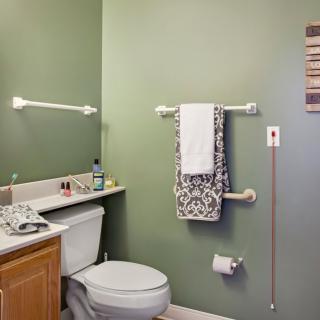
615 Ridge Road, Wilmette, IL 60091
To contact a resident: (847) 256-1600
For more information about senior living options: (866) 208-4318
Wickshire Wilmette Costs & Pricing
At Wickshire Wilmette, the pricing structure for care accommodations reflects a strategic balance of quality and affordability. The cost for a semi-private room is set at $3,795 per month, significantly lower than both the Cook County average of $5,192 and the broader Illinois rate of $5,146. This competitive pricing underscores Wickshire Wilmette's commitment to providing exceptional care without compromising on financial accessibility. Conversely, for studio units, the monthly fee is $4,495, which exceeds Cook County's average of $3,762 but remains somewhat in line with the overall state figure of $4,028. This nuanced pricing approach suggests that while residents may find some variability in costs depending on room type, Wickshire Wilmette consistently offers an attractive option for those seeking quality senior living solutions within the region.
| Floor plans | Wickshire Wilmette | Cook County | Illinois |
|---|---|---|---|
| Semi-Private | $3,795 | $5,192 | $5,146 |
| Studio | $4,495 | $3,762 | $4,028 |
Memory care communities with a similar price nearby
-
from +$205 / mo
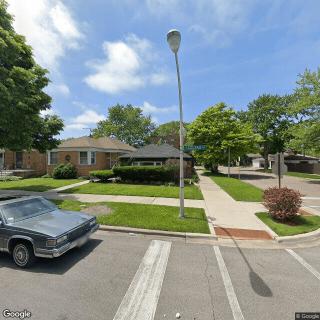
Colfax Manor Assisted Living
$4,000 to $6,000 / month24.3 miles away -
About the same

The Auberge At Highland Park
$3,868 to $5,628 / month8.5 miles away -
from -$500 / mo

Clarendale Six Corners
$3,295 to $7,695 / month8.6 miles away -
from -$509 / mo

The Garlands of Barrington
$3,286 to $9,430 / month21.4 miles away -
from +$185 / mo

Clarendale of Addison
$3,980 to $6,940 / month17.4 miles away
Overall Review of Wickshire Wilmette
Pros
 The Wickshire Wilmette staff are easy to work with and communicate well.
- The staff can manage residents’ behavior effectively, reducing the need for family input.
- Visitors liked the Wickshire Wilmette facility and what they saw.
- Wickshire Wilmette is described as a great community with helpful staff and well‑maintained rooms and apartments.
- The Sunrise facility is very nice and attractive, with attentive staff and strong resident supports, including one‑on‑one CNAs and a friendly dog.
- The center offers card games and supervised activities.
- The environment feels comfortable and home‑like, with a small resident group and ample staff, and it provides solid dementia care.
Cons
 She was served a lot of salads and grilled cheese sandwiches.
- If your loved one is a vegetarian, they do not have many options available.
- He did not like the setting; it was located in the suburbs.
- It had no curb appeal.
- It was cramped between two other buildings, with little outside view.
- The grounds weren't conducive to outside gatherings.
Review
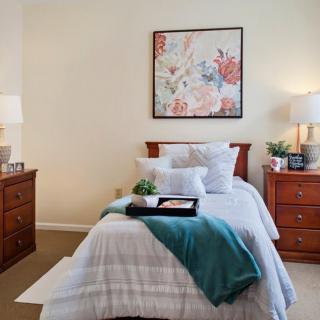
Wickshire Wilmette is best suited for families seeking an intimate, home-like atmosphere where the caregiving team feels accessible and dependable, and where daily staff communication minimizes family involvement in day-to-day decisions. This community works well for residents who thrive on a calm pace, steady routines, and a small-town feel within a Wilmette setting. It is a strong option for those who value consistent caregivers and a warm greeting from a staff that can manage challenging behaviors without constant family direction. However, those who require robust memory-care programming, expansive social calendars, or high-end amenities should consider alternatives to avoid mismatch with expectations or needs.
The standout positives center on the caregiving relationship. Staff are repeatedly described as easy to work with and highly communicative, with daily updates that spare families repetitive calls or worry. The smaller size translates into more consistent teams for each resident, reducing the sense of turnover and letting caregivers learn preferences, triggers, and routines. Families report effective behavior management and a level of hands-on attention, one-on-one care, careful monitoring, and a willingness to adjust approaches as needed. For many, these elements outweigh modest shortcomings in programming, delivering a sense of security and stability that larger communities often lose.
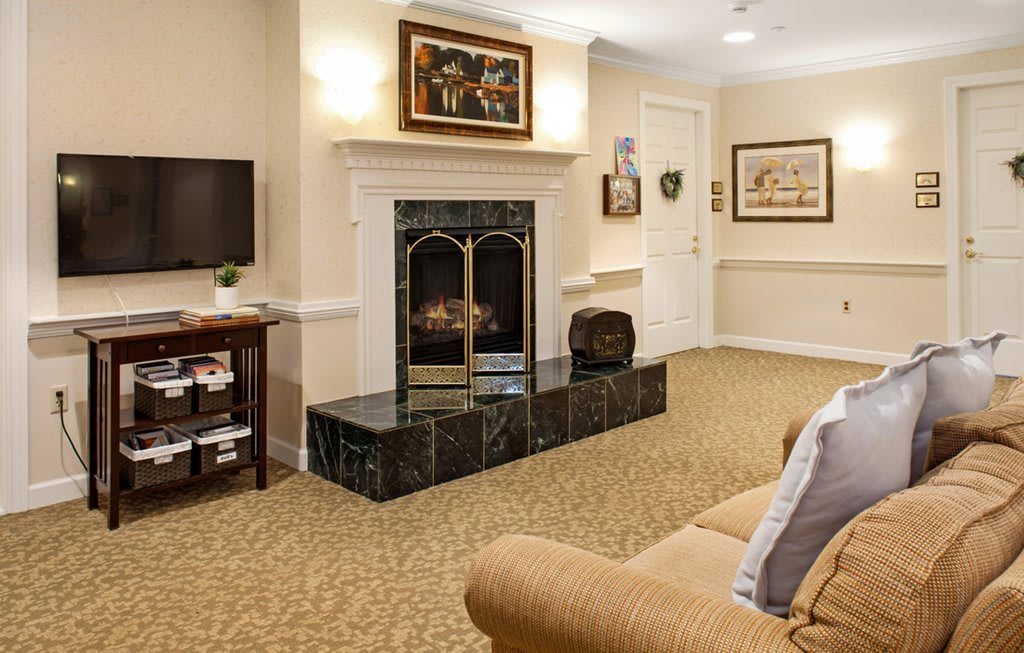
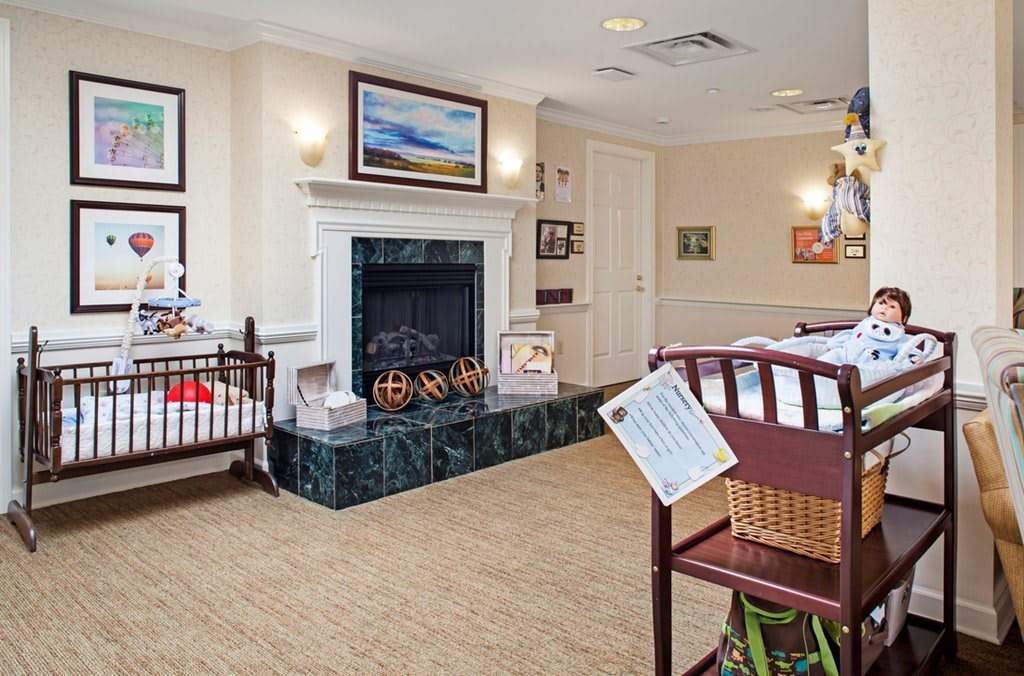
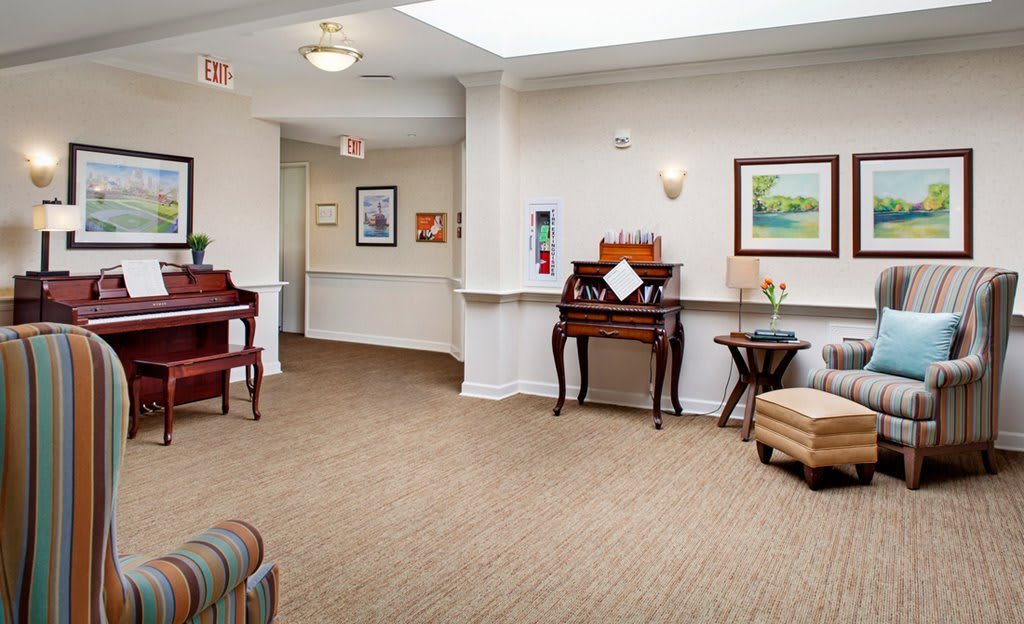
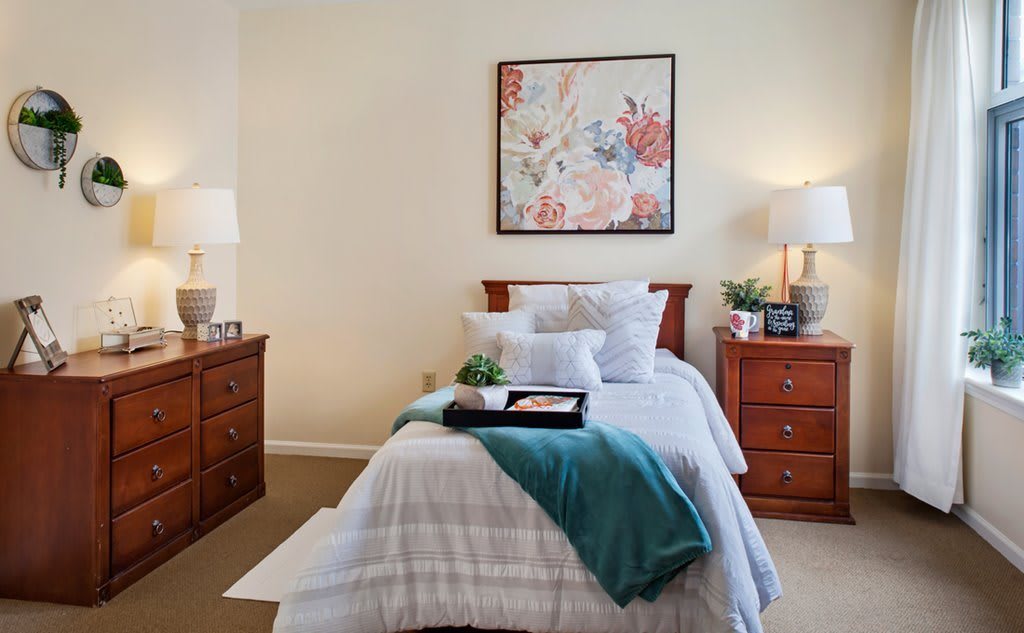
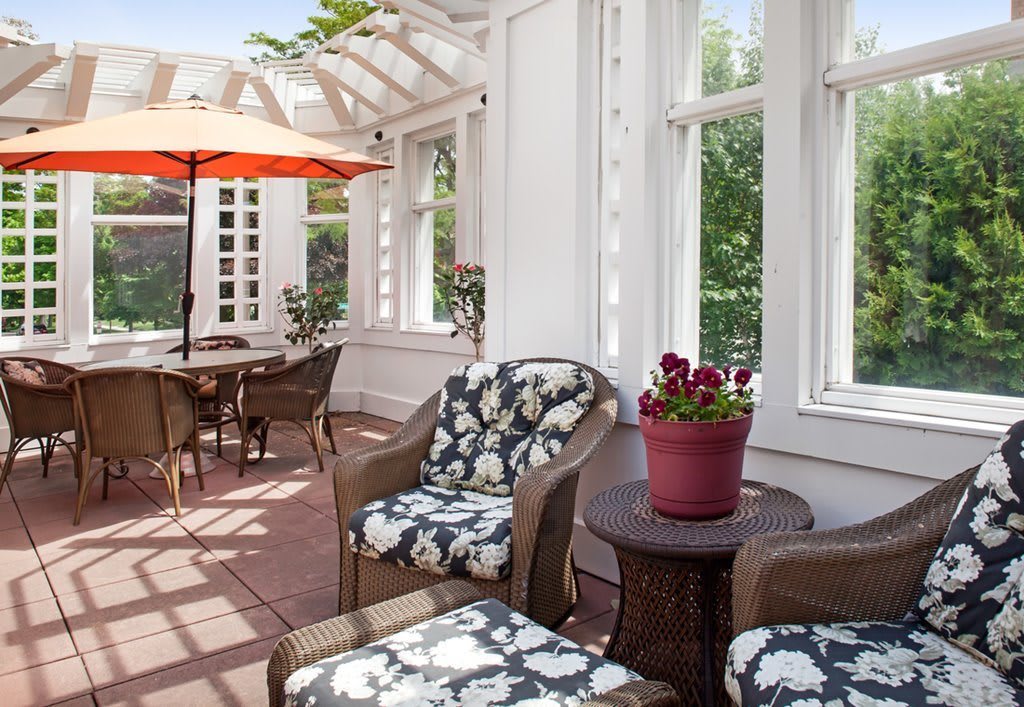
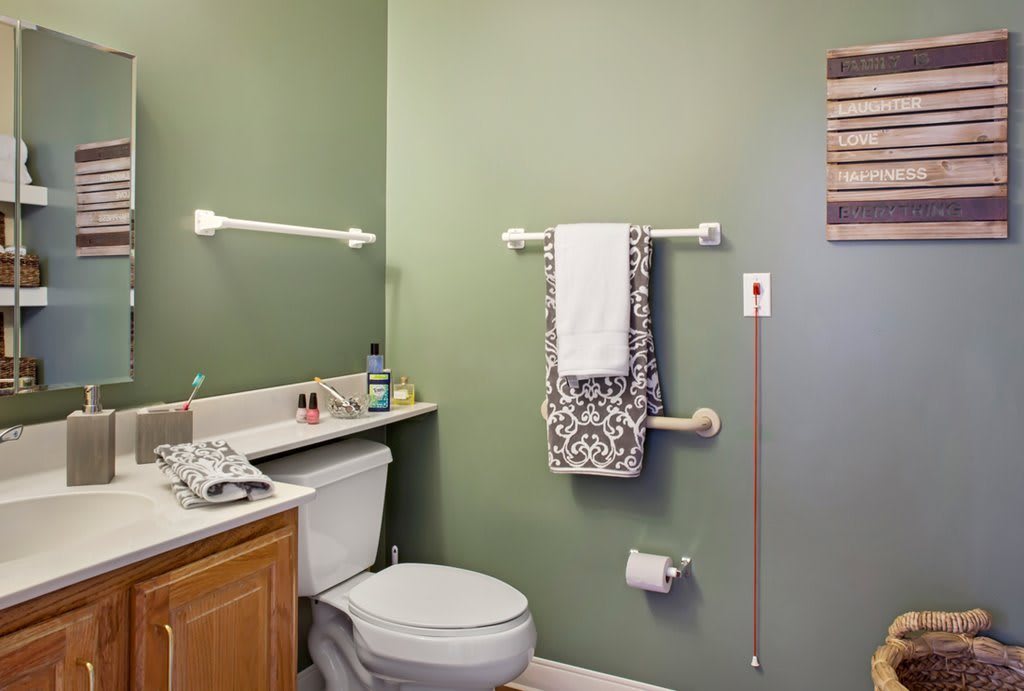
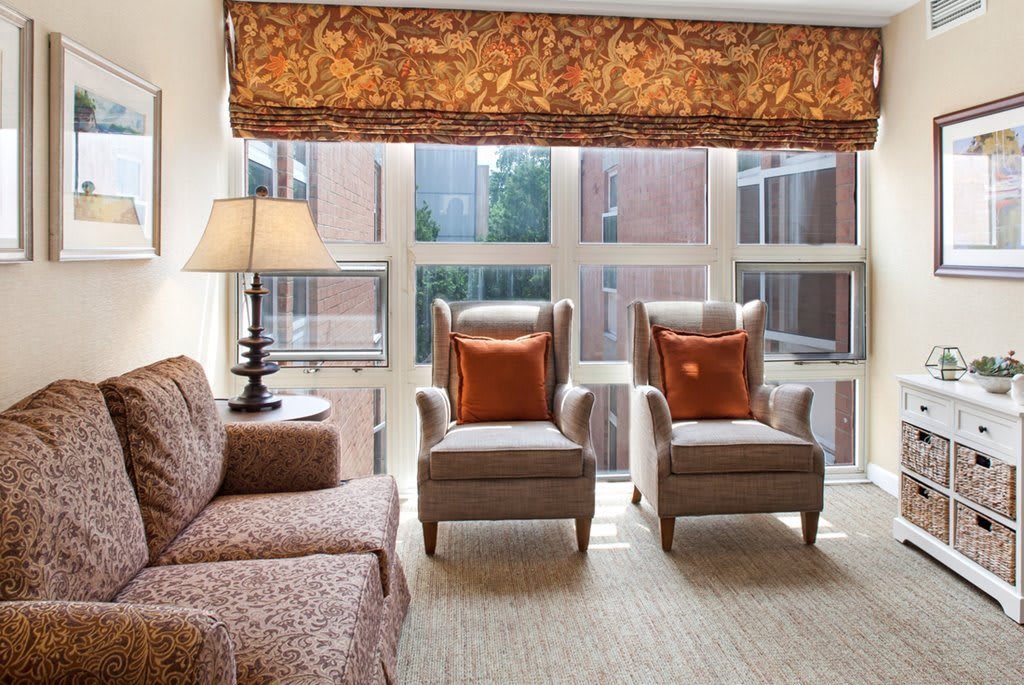
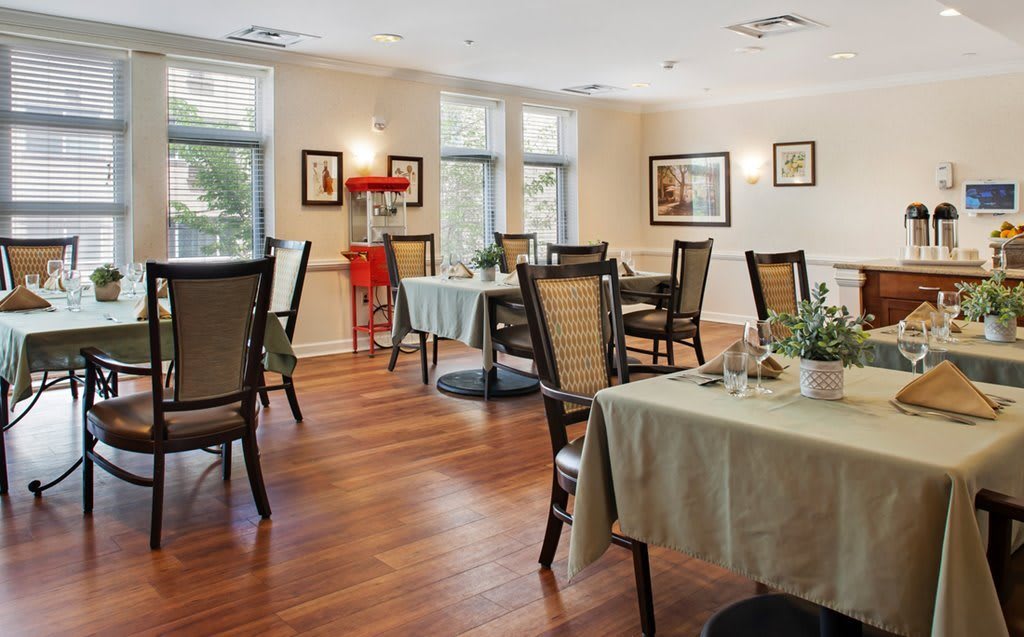
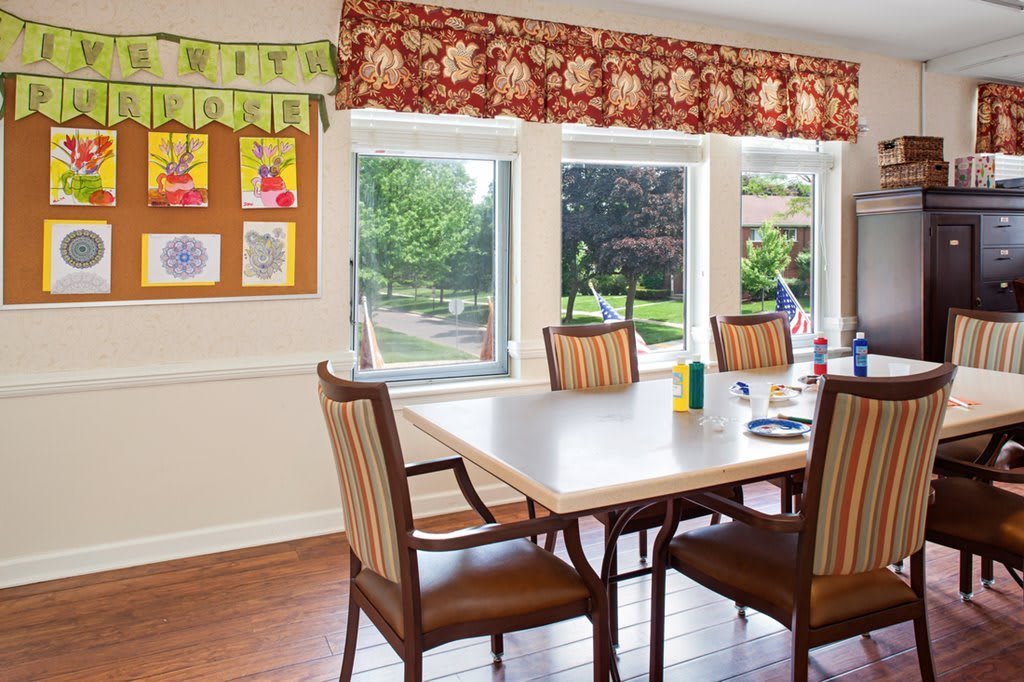
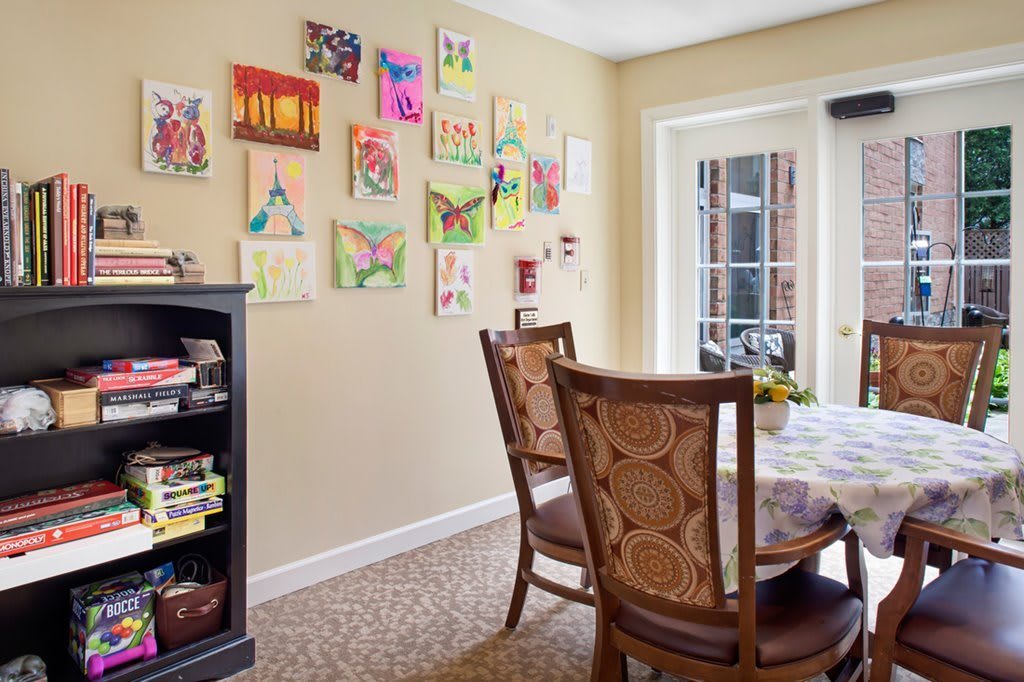
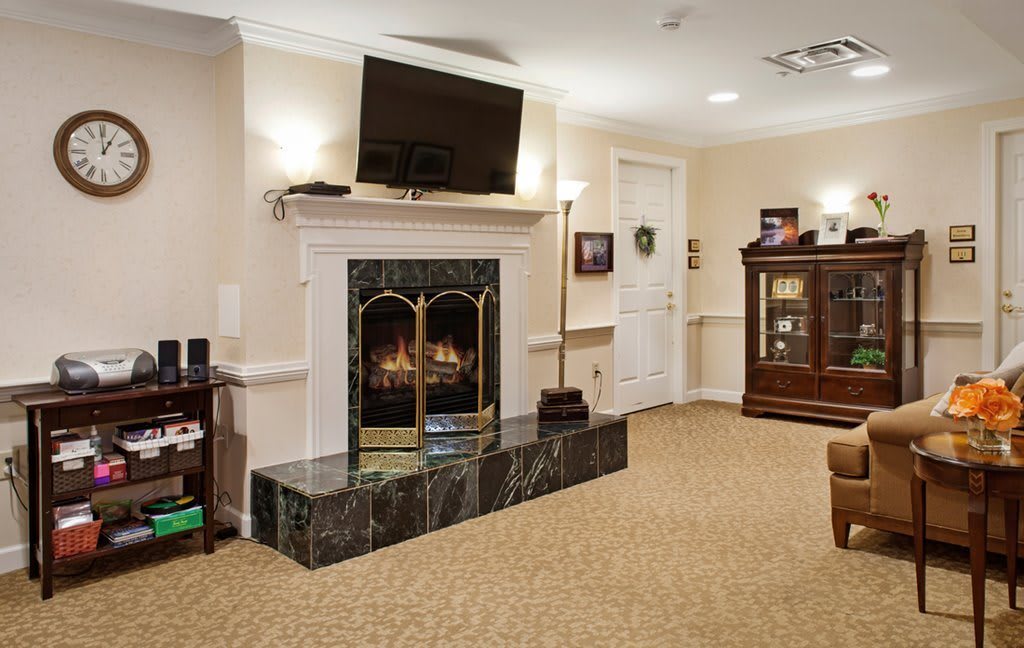
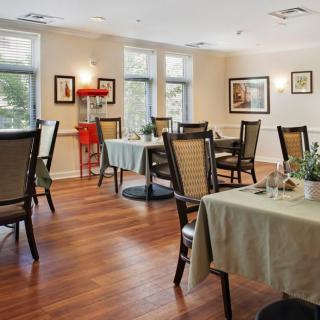
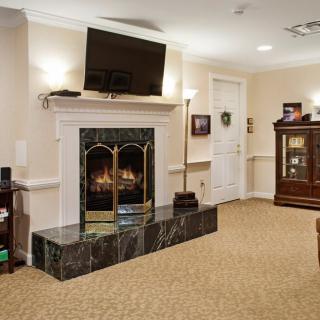
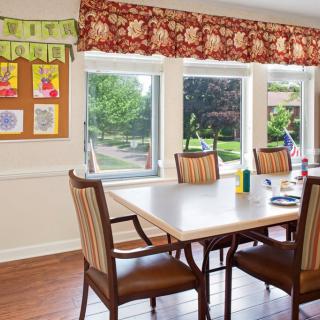
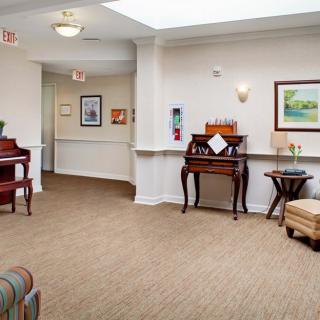
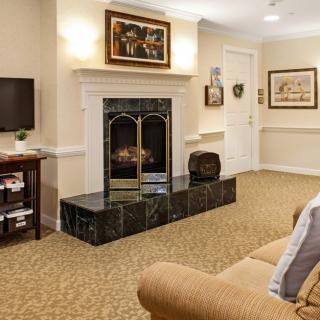
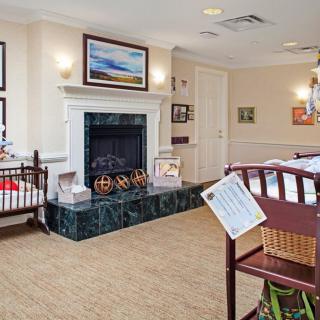
The facility itself contributes to a welcoming impression. Reviewers note a warm, home-like environment, with a clean, neat campus and staff who seem genuinely engaged. The one-level layout helps residents navigate safely, and the dining area is comfortable, with a gentle emphasis on healthy eating. Pets and informal social touches, such as small activity rooms and a modest but present schedule of in-house activities, nurture a sense of normal life and companionship. The small scale means residents encounter familiar faces, and staff can allocate time and attention to individual residents in meaningful ways, a practical advantage when careful supervision and personalized routines are priorities.
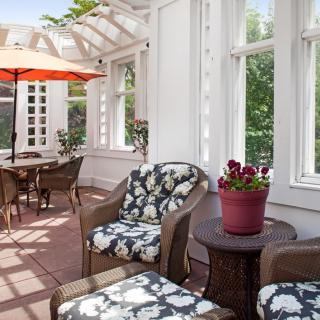
Yet there are clear drawbacks to balance against these strengths. Availability is a recurring issue, reflecting the tight capacity of a 34-resident footprint; openings come and go, and price sensitivity can keep families from committing. The curb appeal and exterior ambiance are modest, with some reviewers describing limited views and an environment tucked between other buildings that lacks the “wow” factor many families expect. The grounds are not built for expansive outdoor gatherings, and outside excursions or high-energy activities are not as frequent as in larger communities. For residents who crave a vibrant social calendar or frequent outings, Wickshire Wilmette may feel too quiet or constrained.
Dietary variety can also be a practical concern. While the kitchen earns praise for health-oriented meals and consistent quality, vegetarian options in some cases appear limited, favoring salads and simple sandwiches over more varied menus. That matters for families whose loved ones rely on predictable, satisfying meals and who need greater culinary diversity to sustain enjoyment and appetite. Additionally, some reviewers encountered a misalignment with memory-care expectations, noting that the setting can feel more suited to general assisted living than specialized dementia programming. For families navigating memory-care needs, this distinction is not trivial and should steer selection toward facilities with explicit, ongoing dementia-focused programming.
Ultimately, Wickshire Wilmette serves a distinctive niche: a compact, well-staffed community where dependable communication and personal attention carry significant weight. The perceived value aligns with the intimate scale and the safety net of consistent caregivers, but price and availability, modest amenities, and the limited breadth of activities or memory-support offerings will drive choices. For families prioritizing close-knit care teams, predictable routines, and a calm, manageable environment, this community is an appropriate and often excellent match. For those who need richer social programming, expansive outdoor space, or robust memory-care infrastructure, alternatives should be pursued with deliberation and clear cost-benefit analysis.
 Memory Care
 Cats allowed
 Dogs allowed
 Activities off-site
 Air-conditioning
 Bath tubs
 Beautician on-site
 Cable or satellite TV
 Devotional services off-site
 Ground floor units
 Handicap accessible
 Indoor common areas
 Kitchenette
 Outdoor common areas
 Respite or short term stays offered
 Wheelchair accessible showers
 Wi-Fi/high-speed internet available
 Chicago O'Hare International (11 miles away)
 Ambulatory care
 Diabetic care
 High acuity care
 Incontinence care
 Medication management
 Anytime dining
 Art classes
 Catholic services
 Cooking classes
 Day trips and outings
 Educational speakers / life long learning
 Jewish services
 Karaoke
 Live well programs



 How to Communicate with a Loved One Living with Dementia: 10 Supportive Strategies
 Comprehensive Guide to VA Nursing Homes: A Crucial Long-Term Care Resource for Veterans
 Estimating the Expenses of At-Home Dementia Care: A Detailed Exploration