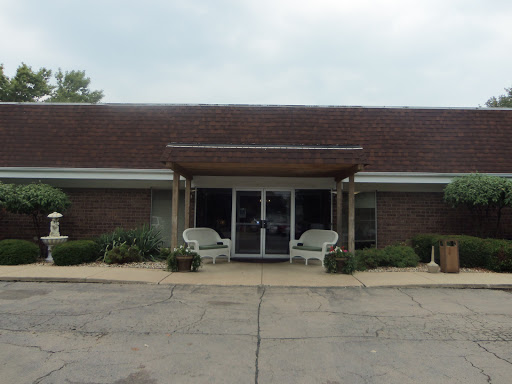
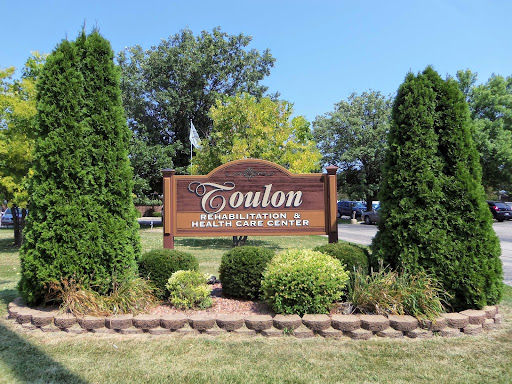
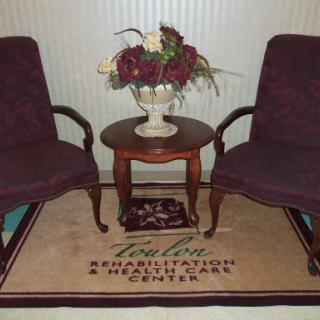
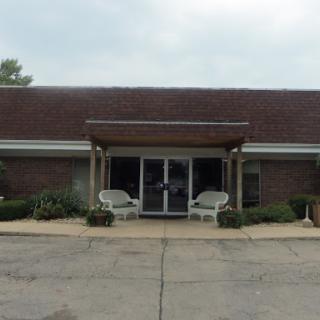
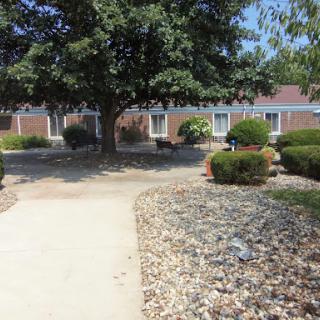
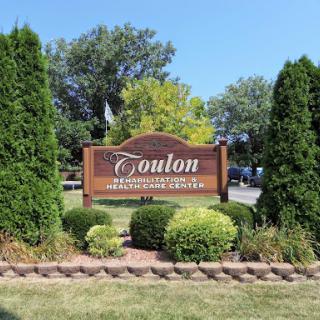
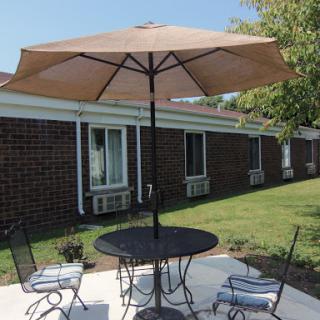

Highway 17 East P O Box 209, Toulon, IL 61483
For more information about senior living options: (866) 208-4318
Overall Review of Toulon Rehab & Health Care Center
Pros
 The staff are amazing, friendly, and genuinely care about residents.
- The facility is very clean and well maintained, with a caring, competent team.
- The staff treat residents like family, delivering excellent care.
- The doctors are very caring and everything is taken care of.
- The food is healthy and tasty, meeting residents’ dietary needs.
- The Alzheimer’s/Dementia Unit has staff that provide great care to residents.
- Team Toulon is awesome—caring, hardworking, competent, and kind.
- The facility has a small-town community feel with wonderful staff.
Cons
 The review claims the facility steals from residents, including money and clothes, which is described as patently negligent.
- It warns against putting a loved one in this place.
- The review alleges staff negligence, noting a lack of 24-hour respiratory staffing and monitoring for a nonverbal patient, leading to severe brain trauma and death.
- Billing concerns are raised about unresponsiveness and funds appearing misdirected or misapplied.
- The communications are described as poor, with constant focus on payments and long hold times.
- There is mention of a staff shortage at times and a need for updates and better equipment.
Review
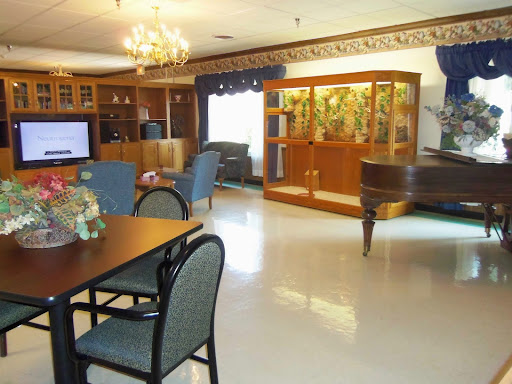
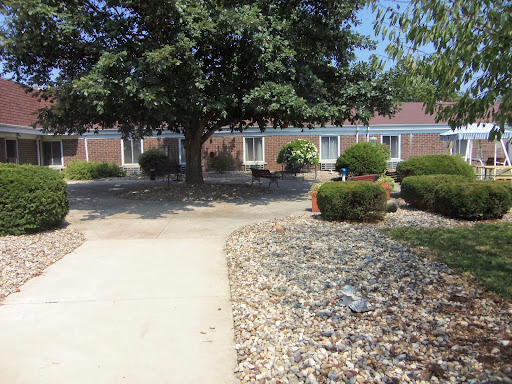
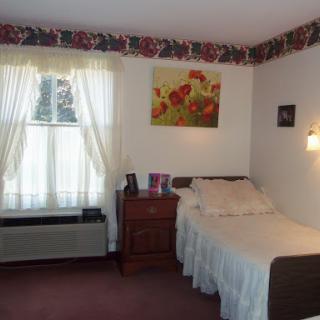
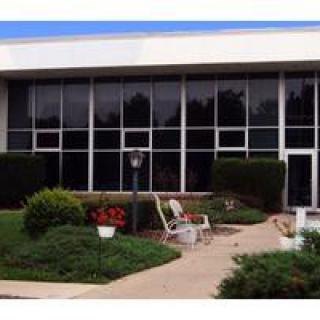
Toulon Rehab & Health Care Center is best suited for families seeking a small-town, hands-on care vibe where staff interactions feel genuinely personal and the facility is actively investing in upgrades and expanded memory-care services. The setting appeals to families who prize a home-like atmosphere, friendly caregivers, and a community that emphasizes continuity of care. The program’s ongoing renovations and the explicit expansion of a dementia unit signal a forward-looking approach that can matter for long‑term planning, especially for residents who benefit from a familiar staff culture and a locally connected environment.
That said, several families should consider alternatives. The most weighty caveat concerns safety and trust: reports of negligence and financial-misconduct allegations cannot be ignored, and families should not overlook the potential for critical gaps in monitoring and emergency response. If a loved one requires reliable, 24/7 skilled nursing with airtight supervision, or if there is a need for on-site respiratory care, hearing services, or immediate, consistent family communication around billing and status updates, hard-eyed comparisons with other facilities will be essential. For families distant from the facility or who depend on prompt, transparent communication, the risk of intermittent responsiveness is especially salient and warrants caution.
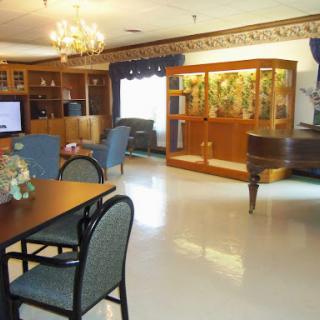
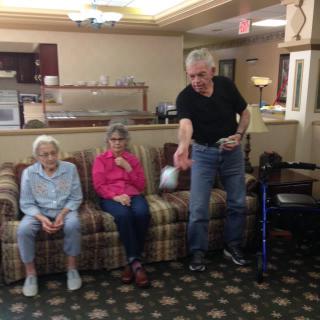
On the upside, the strongest positives fall squarely in the caregiving culture. Staff are repeatedly described as caring, competent, and genuinely attentive, with many families reporting that residents are treated like family. The environment itself is clean and well-maintained, and the dining program is noted for providing healthy, well-balanced meals that meet individual needs. The dementia unit is a clear focal point of pride, with caregivers who express enthusiasm for Alzheimer’s and memory-care work, and there is a sense of teamwork that helps the operation navigate daily challenges with a practical, problem-solving mindset. These elements, warmth, competence on routine tasks, and a calm, homelike atmosphere, can translate into meaningful daily quality of life.
Yet the concerns are not incidental. Staffing appears to be intermittently stretched, which can translate into slower responses and reduced monitoring at critical times. Several reviews raise alarms about safety and accountability, including allegations of neglect and misdirected funds. Those financial and safety red flags carry significant weight for families assessing risk; even excellent day-to-day interactions can be overshadowed by a single lapse in oversight. The facility’s gaps extend to on-site services such as hearing assistance and comprehensive respiratory monitoring, creating vulnerability for residents who need consistent, specialized support. Communication gaps with families, particularly around billing and important changes, further complicate trust and ongoing engagement.
Despite these tensions, the pros can offset some drawbacks if approached with disciplined oversight and clear expectations. The care team’s genuine concern for residents, combined with a supportive, homey environment, can yield solid daily living experiences for many, especially those entering rehab or transitioning into memory care who value personal attention. The renovations and service expansions suggest a trajectory toward improved equipment, furnishings, and capabilities, which may translate into calmer clinical care over time if the momentum is sustained and governance remains transparent. The question becomes whether the present level of risk is acceptable given the potential for meaningful improvements.
For families navigating a decision, practical next steps are essential. Schedule thorough tours that include direct observation of aides aiding residents, and insist on current staff-to-resident ratios by shift. Request concrete data on incidents, state- survey findings, and recent corrective actions. Probe the billing process, obtain a clear, written outline of financial arrangements, and verify that funds and accounts are protected with auditable controls. Inquire about on-site nursing coverage, respiratory monitoring, and availability of hearing services, and seek candid references from current residents’ families. If transparent governance, proactive communication, and a track record of sustained staffing stability can be verified, Toulon Rehab can be a viable choice; if not, it is prudent to widen the search to facilities with stronger safety and financial integrity.
Bottom line: Toulon Rehab & Health Care Center offers a warm, community-centered environment with notable strengths in staff dedication and dementia-focused care, yet persistent concerns around safety incidents, financial handling, and staffing variability temper its appeal. It is a good fit for families who can commit to active oversight, insist on rigorous care-planning, and value a hometown feel with ongoing improvements. For those prioritizing impeccable safety, consistent on-site medical capabilities, and airtight financial practices, pursuing alternatives with stronger performance in governance and staffing stability is a prudent, risk-aware move.
 136 resident community capacity
 Skilled Nursing Facility
 Air-conditioning
 Beauty salon
 Cable or satellite TV
 Computer center
 Dining room
 Fitness room
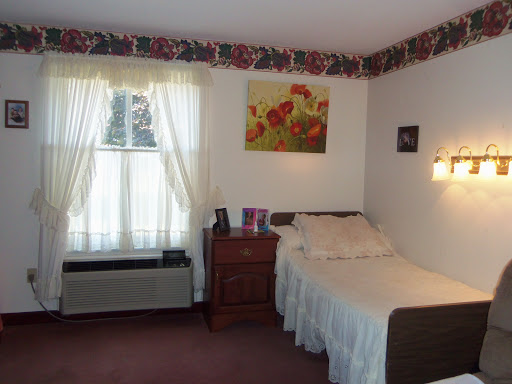
 Fully furnished
 Gaming room
 Garden
 Housekeeping services
 Kitchenette
 Move-in coordination
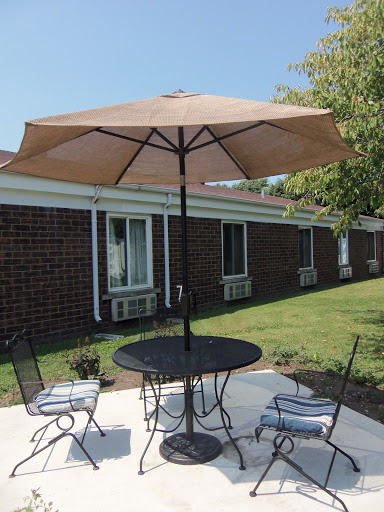
 Outdoor space
 Private bathrooms
 Restaurant-style dining
 Small library
 Telephone
 Wellness center
 Wi-Fi/high-speed internet available
 Community operated transportation
 12-16 hour nursing
 24-hour call system
 Activities of daily living assistance
 Assistance with bathing
 Assistance with dressing
 Assistance with transfers
 Diabetes diet
 Medication management
 Mental wellness program
 Special dietary restrictions
 Concierge services
 Planned day trips


 In-Home Care Costs in 2025: A Detailed State-by-State Exploration
 Understanding Home Health Care: A Comprehensive Guide
 Home Health Care Demystified: A Comprehensive Guide for Families and Caregivers